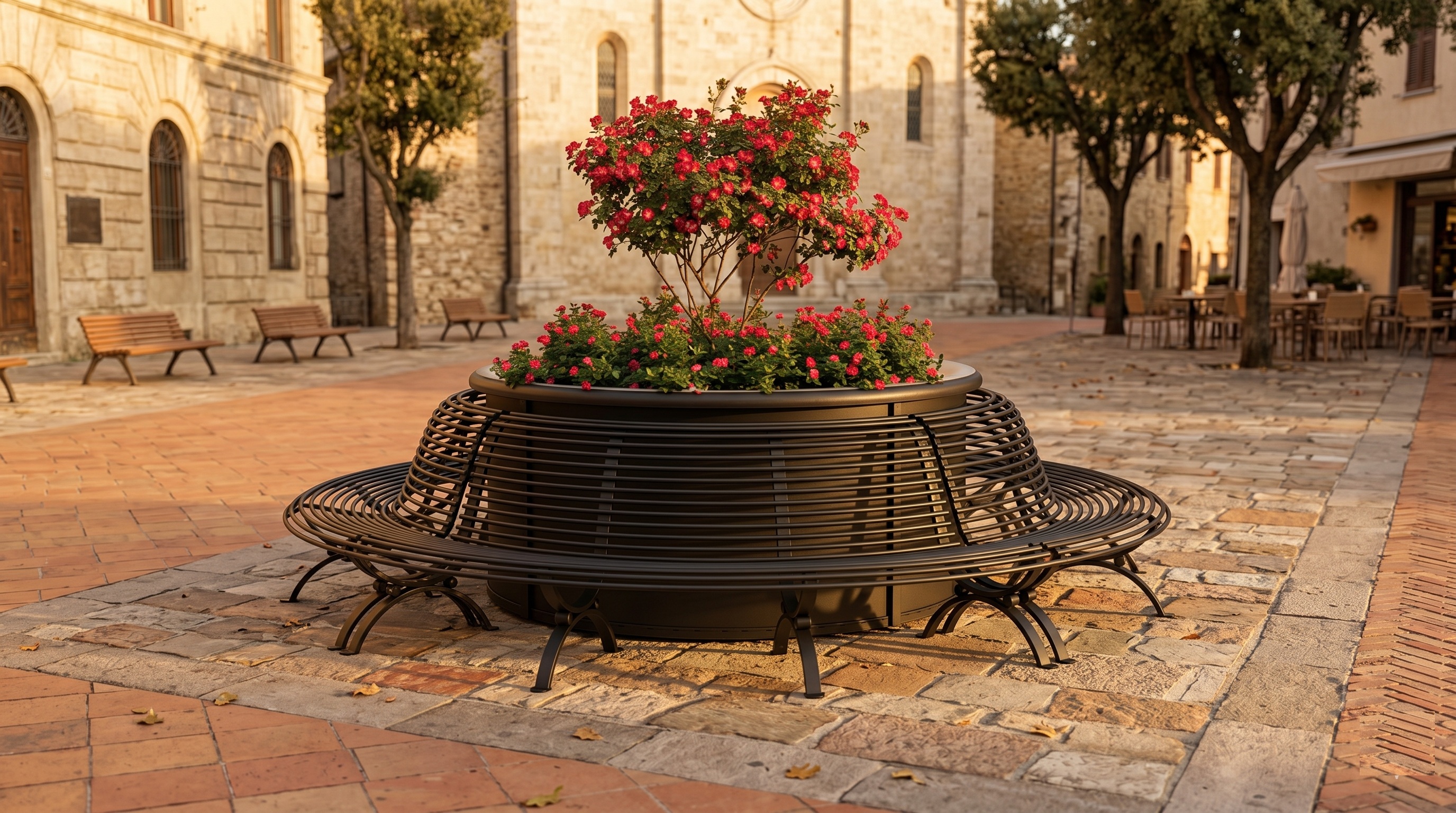
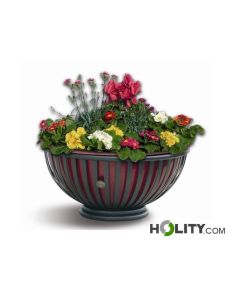
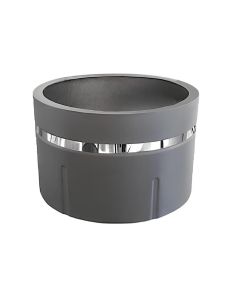
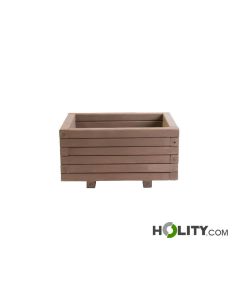
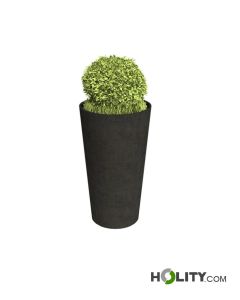
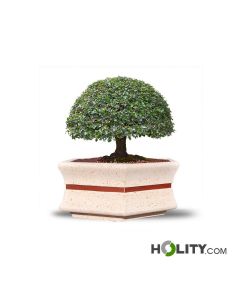
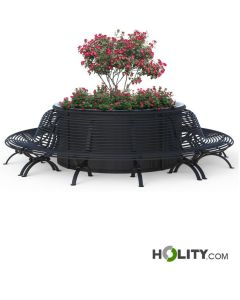
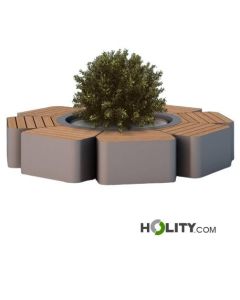
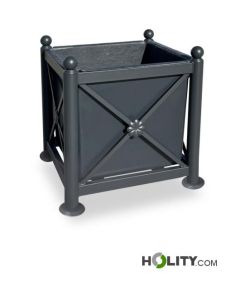
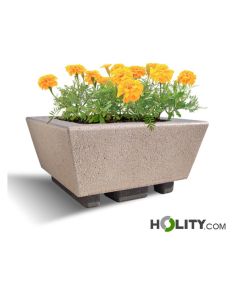
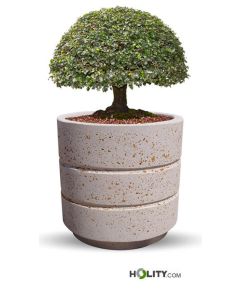
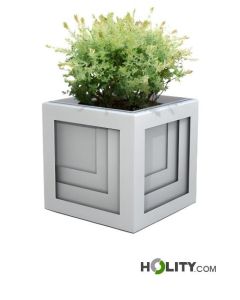
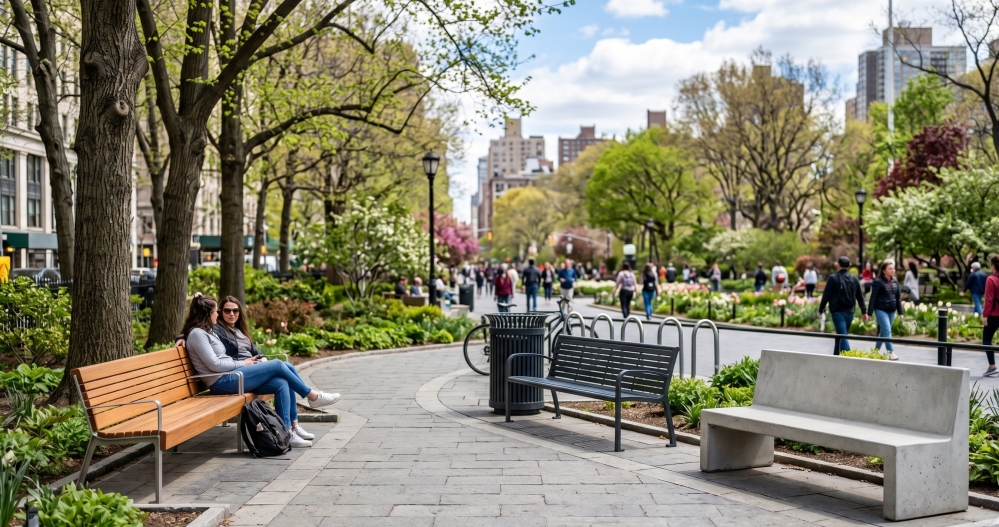
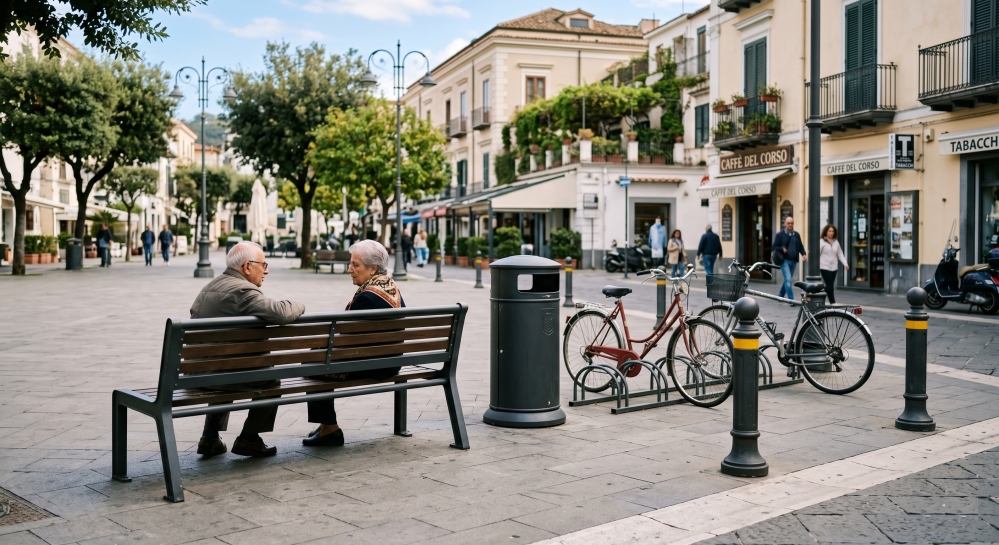
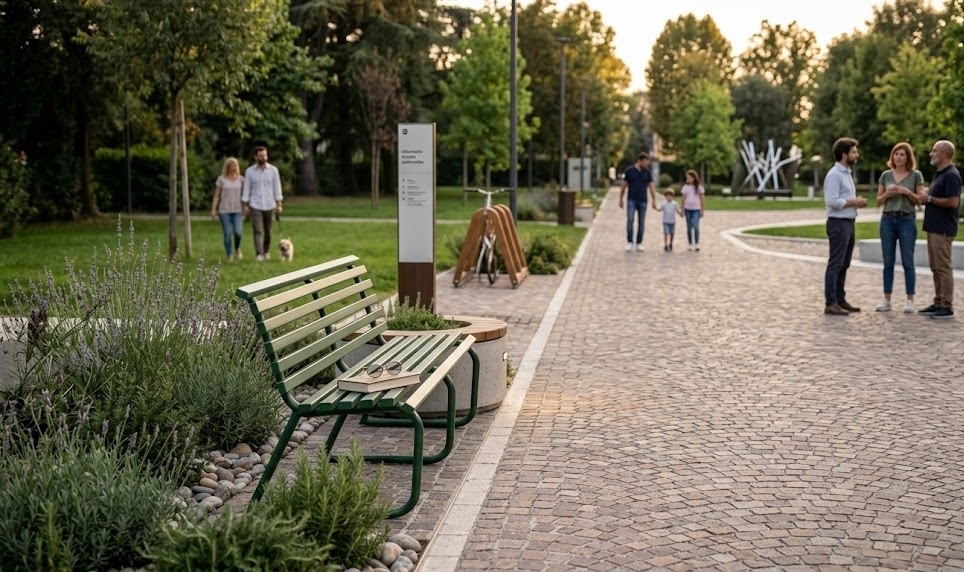
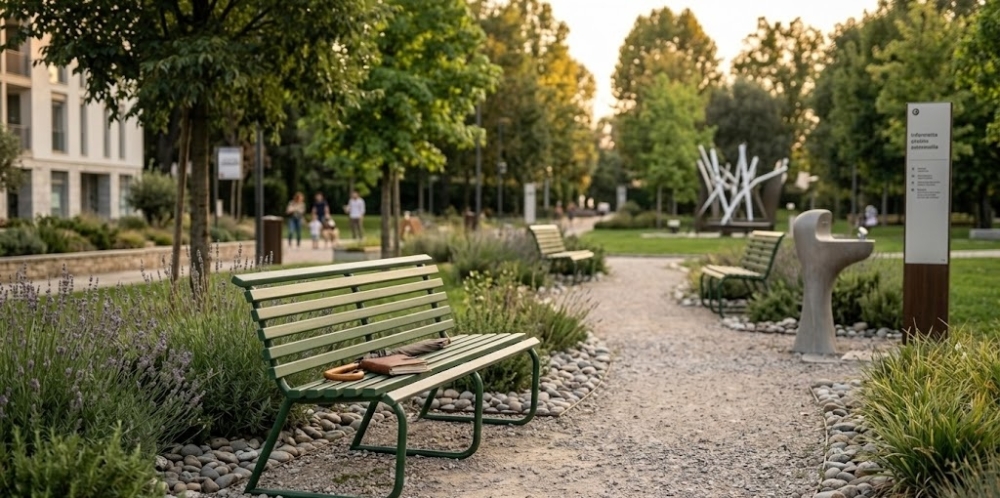
Planters for street furniture are one of the most widely used elements to enhance public spaces, squares, and pedestrian walkways. In addition to their decorative function, they contribute to improving the perceived quality of urban environments, delimiting passageways, and promoting the integration of greenery within built contexts. Precisely because of their widespread use, the choice of planters should not be limited to a purely aesthetic evaluation.
When designing interventions for historic centers, pedestrian areas, or high-traffic public spaces, numerous technical aspects must be considered. Stability, weight, drainage capacity, ease of maintenance, and compatibility with the architectural context directly influence the functionality of the installation. An inappropriate choice can generate high management costs, safety issues, or difficulties in maintaining the greenery.
Why choosing urban planters requires a technical evaluation
In the context of urban furnishing with planters , the aesthetic impact represents only one of the criteria to consider. A planter placed in a public space must be designed to withstand intensive use, climatic variations and possible stresses due to the continuous passage of people. Furthermore, it must allow for correct growth of vegetation without compromising the safety of users.
Municipalities, public bodies and designers are often called upon to identify solutions that combine aesthetic value and management practicality. A preventive evaluation of the technical characteristics allows for the avoidance of future critical issues and to guarantee a better duration of the investment. For this reason, the urban greenery project should always be accompanied by a careful analysis of the characteristics of the selected planters.
 The relationship between planters and the urban context
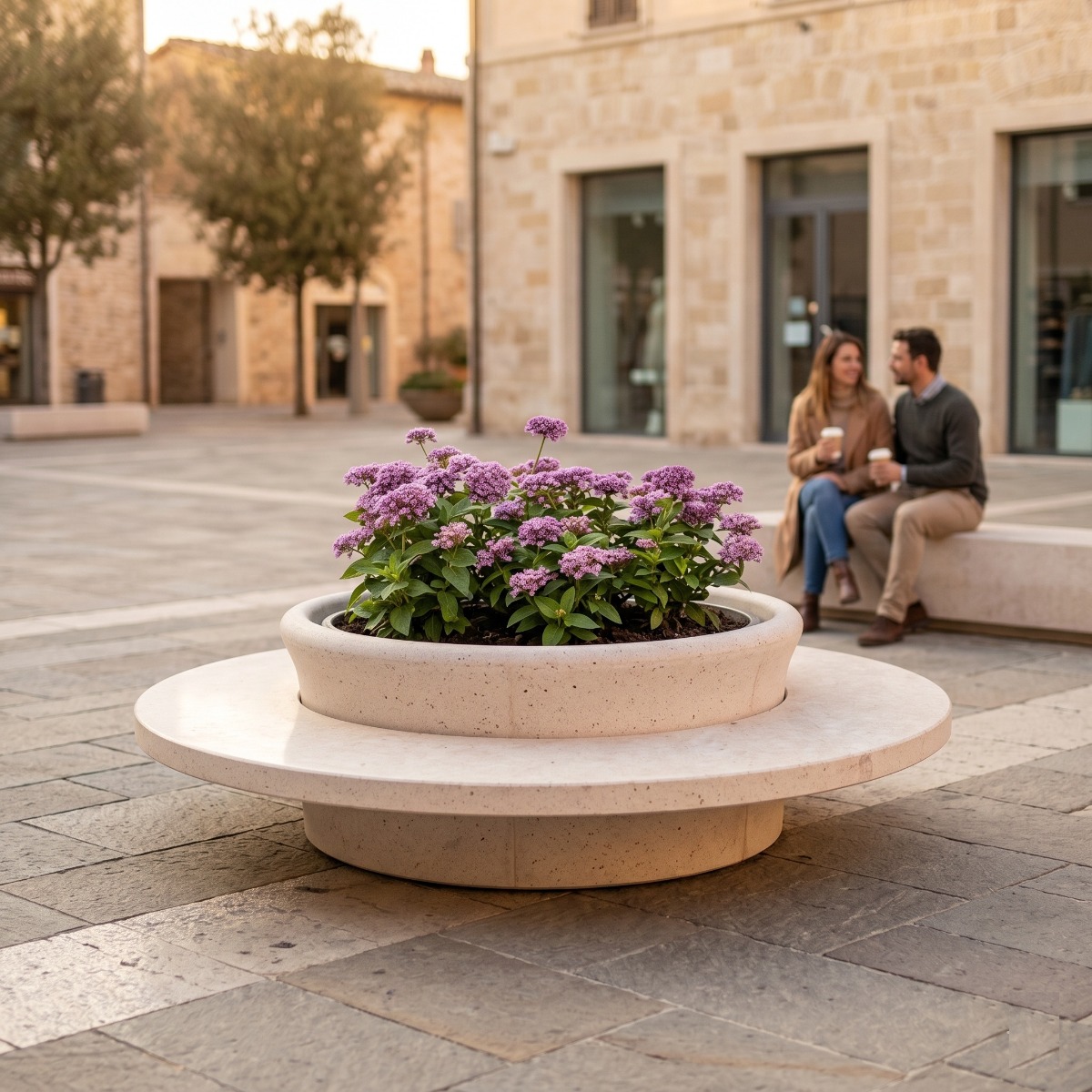
Every public space has different needs. A historic square, a city center, or a pedestrian path require solutions that are consistent with the identity of the place and the ways in which the spaces are used. Planters must integrate with the context without generating extraneous or excessively visually invasive elements.
The choice of shapes , dimensions and materials should contribute to enhancing the surrounding environment. In urban redevelopment projects, planters can become tools capable of improving the perception of space and creating visual continuity between architecture, paving, and green areas.
Historic centers and landscape constraints
In historic centers, it is essential to respect the architectural and cultural character of the spaces. The planters used in these contexts must fit harmoniously into the urban landscape, avoiding solutions that are excessively modern or in contrast with the surrounding buildings.
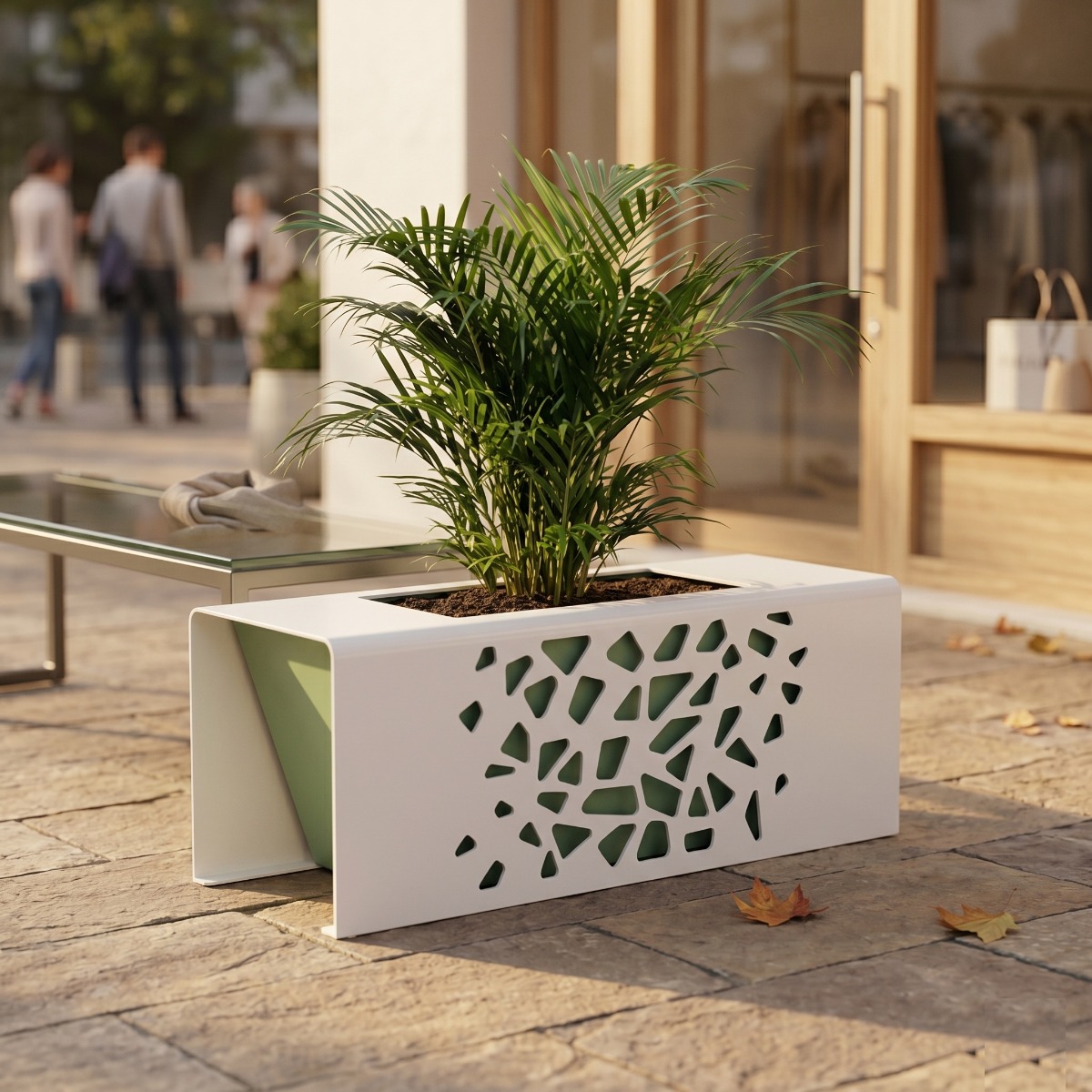
Materials such as painted steel , concrete or treated wood are often chosen for their ability to dialogue with historical and monumental contexts. The aim is to create a furnishing element that enhances the greenery without altering the visual identity of the public space.
Squares and high-traffic areas
Squares are particularly complex environments from a management point of view. In addition to hosting daily activities, events and demonstrations, they must guarantee safe and easily accessible routes. Planters can perform a decorative function but also contribute to the definition of spaces and the regulation of pedestrian flows.
In these cases, it becomes important to evaluate size, weight, and placement. A planter that is too light could be unstable, while an oversized model could obstruct passage or limit the usability of the area. The design must therefore consider both aesthetic and functional aspects.
 Stability, weight, and safety in public spaces
One of the most important aspects in choosing street furniture planters concerns stability. Installations placed in public areas must maintain a safe position even in the presence of wind, accidental impacts, or high traffic. For this reason, the weight of the structure and the distribution of loads play a decisive role.
Planters intended for squares and pedestrian paths are often also used as elements of separation between different urban areas. In these contexts, a robust and stable structure helps to improve the general safety of the area and reduce the need for extraordinary maintenance over the years.
Materials and resistance over time
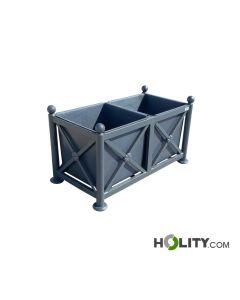
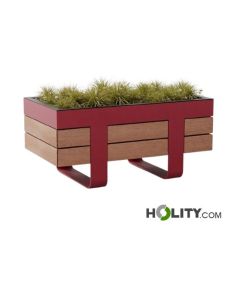
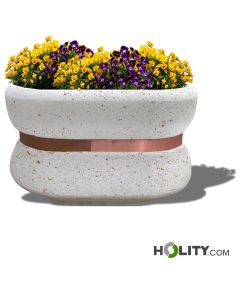
Materials directly influence the durability of planters and their ability to withstand atmospheric agents. Galvanized steel, Corten steel, concrete , treated wood , terracotta , plastic and fiberglass represent some of the most popular solutions in the field of urban furniture planters . Each material has specific characteristics that must be evaluated in relation to the installation context.
Public administrations and designers tend to favor products that require limited interventions over time. Resistance to rain, frost, UV rays and temperature changes allows the aesthetic appearance and functionality of the planters to be preserved even after years of use. In this scenario, Holity offers a wide range of solutions for professional street furniture , designed to meet the needs of municipalities, institutions and designers.
Drainage and vegetation management
An effective planter must guarantee adequate conditions for the development of plants. The drainage system is one of the most important elements because it allows you to avoid water stagnation that could compromise the health of the vegetation and accelerate the deterioration of the structure. The presence of drainage holes and dedicated systems promotes more efficient water management.
The choice of planter should also consider the volume available for the substrate and the development of the root system. Seasonal plants, shrubs and small trees have different needs that must be evaluated during the design phase. Correct planning helps reduce maintenance and maintain the high aesthetic quality of urban greenery.
Maintenance and operating costs
One of the most common mistakes is to evaluate only the initial cost of the planter. When managing public spaces, the overall cost also depends on the maintenance interventions required during the product's life cycle. Cleaning, plant replacement, irrigation, and surface restoration can significantly impact the overall budget.
For this reason, many administrations favor solutions that simplify ordinary management. Planters designed to facilitate access to plants, with resistant materials and effective drainage systems, allow maintenance activities to be optimized and the quality of public spaces to be maintained high over time.
How to choose functional and durable urban planters
The choice of Planters for street furniture should start with an in-depth analysis of the installation context, the maintenance needs, and the characteristics of the planned greenery. Stability, quality of materials, compatibility with the surrounding environment and ease of management are essential criteria for carrying out effective and sustainable interventions.
Relying on specialized suppliers allows us to identify solutions suited to the needs of municipalities, organizations and designers. In this area, Holity stands out as a point of reference for professional street furniture, providing planters designed to enhance public spaces, pedestrian walkways and historic centers through a balance between aesthetics, functionality and durability.
 English
  Italian
 French
 German
 Spanish