Why you should schedule maintenance on wheelchair lifts
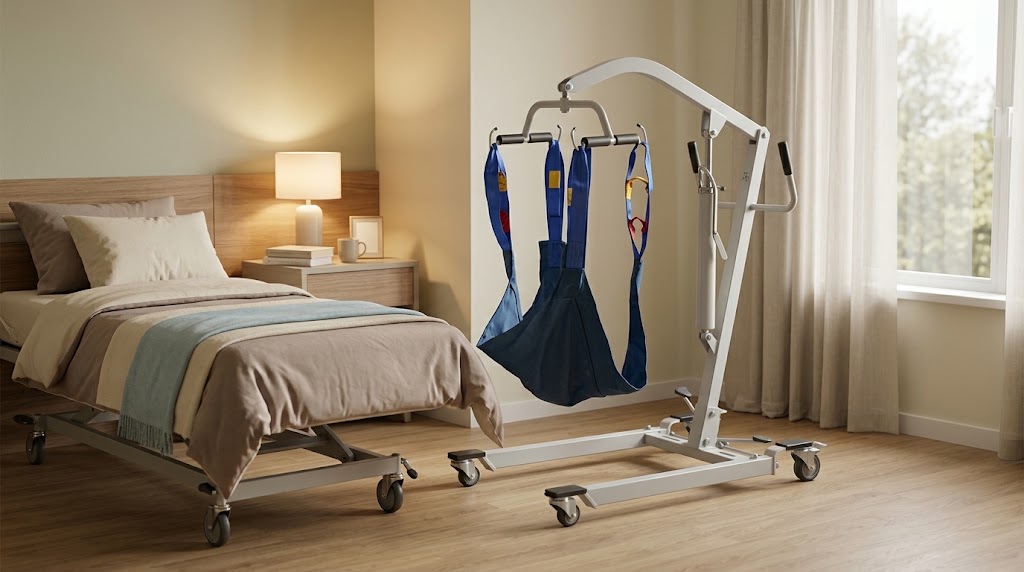
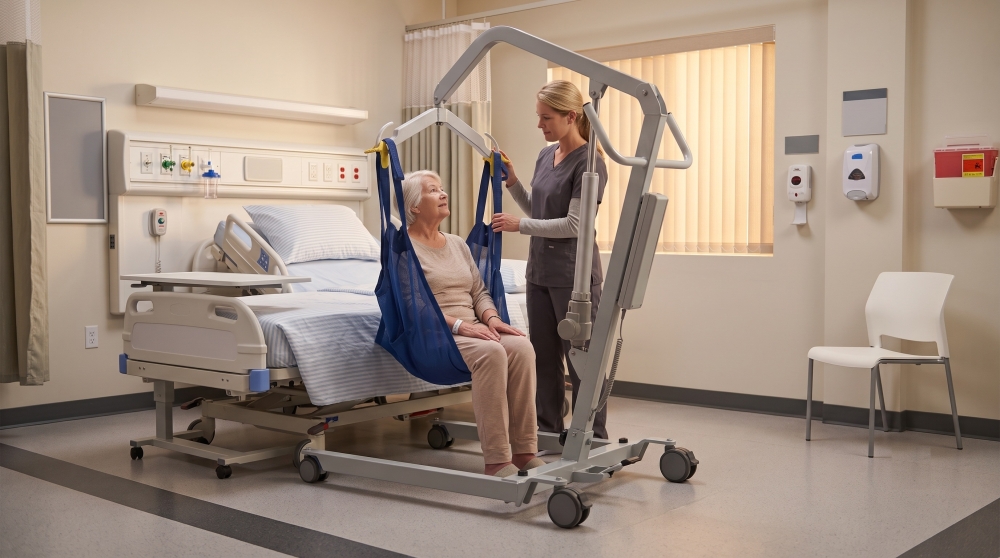
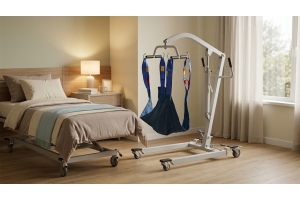
The lifts for the disabled These devices are designed to facilitate the transfer of people with reduced mobility, limiting the physical effort of caregivers. During use, the lifting system, the supporting structure, and the accessories are subject to stresses that can cause progressive wear. A preventive maintenance of the patient lift It allows you to monitor these conditions and verify that the functions intended by the manufacturer are available. The goal is to keep the equipment in proper operating condition, reducing the risk of interruptions during service activities.
The frequency of inspections depends on the model, frequency of use, operating environment, and the manufacturer's technical instructions. A lift used daily in a residential facility may be subjected to different conditions of use than a device intended for occasional transfers. In both cases, it is necessary to distinguish between pre-use checks and scheduled technical inspections. routine maintenance of lifts It must be part of a documented management of the equipment, without replacing any mandatory periodic checks or interventions foreseen by the manufacturer.
Checking wheels, brakes and supporting structure
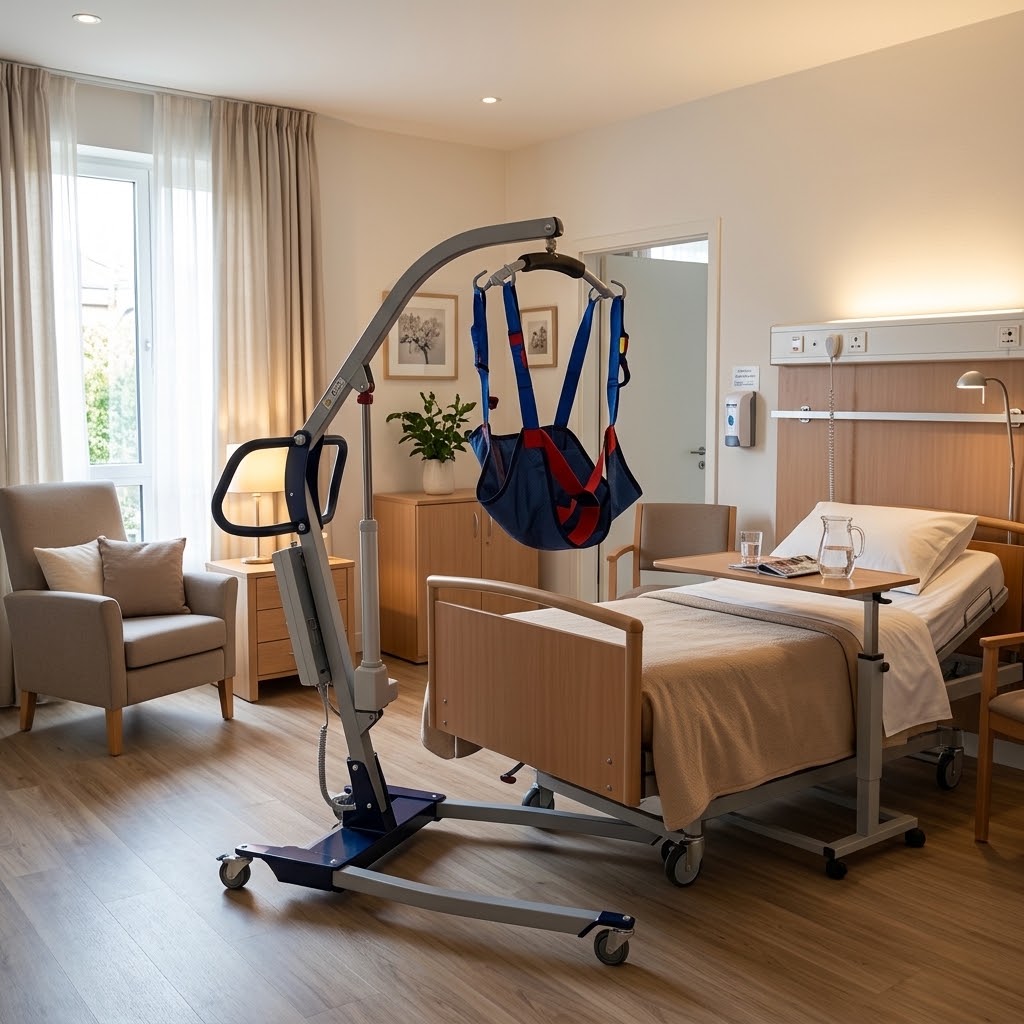 Wheels are one of the most stressed parts of mobile lifts, as they allow the device to be positioned close to the bed, wheelchair, or other transfer surfaces. Routine inspections include wear, deformation, foreign bodies, and difficulty rotating. It is necessary to verify that the wheels can move without abnormal impediments and that the locking systems function according to the manufacturer's instructions brake check lift. It takes on particular importance during positioning and parking operations, while keeping in mind that the methods of using the brakes during lifting vary according to the model.
The supporting structure also requires periodic visual inspection, paying particular attention to the base, column, lifting arm, and mechanical joints. Any deformations, cracks, rust, or apparently loose fasteners must be reported before continuing use. For models with an adjustable base, it is also necessary to verify that the leg opening and closing mechanism functions properly. Irregular movements, unusual noises, or instability may indicate the need for a thorough technical inspection. Adjustments and repairs must be performed by authorized and competent personnel.
Check battery, actuator and control systems
In electric models, the battery powers the lifting system and allows the device's intended movements to be performed. Inspection includes checking the charge level, the battery's external integrity, and the correct connection to the control unit. When the lift has visual or audible indicators, these must be interpreted according to the instructions in the manual. maintenance of the battery of the disabled lift It also includes following the charging methods established by the manufacturer, avoiding the use of incompatible chargers or components that show obvious damage.
The electric actuator is the component that generates the movement required to raise and lower the arm. During functional tests, performed under the test conditions specified by the manufacturer and without exposing a person to risk, it is useful to observe the regularity of the movements and the possible presence of unexpected stops. The control panel must respond correctly to commands and not have damaged buttons, deteriorated cables, or unstable connections. periodic check of the actuator and the button panel It helps identify malfunctions that could compromise the transfer. If any anomalies are detected, the device should be removed from use until a technical evaluation has been carried out.
Electric lifts may be equipped with an emergency stop button, designed to interrupt movement in the event of an abnormal situation. Some models also include manual or electric emergency lowering systems, which can be used according to the manufacturer's procedures. The presence and operation of these devices must be verified as part of the maintenance program. Check the emergency button on the patient lift must follow the specific instructions of the model, avoiding improvised tests during the transfer of a person.
An improperly functioning emergency stop or lowering device can compromise the management of an electrical fault or power outage. For this reason, checks must also include the accessibility of the controls and the absence of visible damage. Operators in charge of using them must know the location of the safety devices and the procedures to follow in the event of an anomaly. Checking the lift's safety systems It therefore requires both technical checks and adequate personnel training. If an essential function is unavailable, the device must not be put back into service until the problem has been resolved.
Inspection of attachment systems and harnesses
Attachment systems connect the lift arm to the harness that supports the person during transfer. The check must include hooks, suspension bars, restraint elements, and connection points, checking for deformation, wear, and missing components. Compatibility between the harness and the lift must also be verified based on the respective manufacturers' instructions. Checking the hooks of the disabled lift This is particularly important because an incorrect connection can compromise support during handling. Before fully lifting, check that all attachment points are correctly inserted and stable.
Harnesses require specific checks because textile materials can deteriorate due to use, washing, and repeated stress. The inspection includes checking seams, bands, buttonholes, edges, and suspension points, paying particular attention to cuts, fraying, and fabric alterations. Identification labels, which are necessary for recognizing the product and verifying its characteristics and any maintenance instructions, must also be checked. damaged patient lift harness It must not be used, even if the defect appears to be limited. Replacement must be carried out according to the manufacturer's instructions, verifying dimensions, load capacity, and compatibility with the lifting system.
How to organize and document periodic checks
Maintenance management requires a schedule that identifies the checks to be performed, the responsible parties, and the expected deadlines. Healthcare facilities can organize the plan by distinguishing between pre-use checks, periodic inspections, and scheduled technical interventions. The frequency of activities should not be defined through generic intervals valid for all lifts, but based on the manufacturer's instructions and actual operating conditions. maintenance plan for wheelchair lifts It allows you to coordinate activities and promptly identify any checks that have not been performed.
Documentation is an essential part of the process, as it allows for the reconstruction of the history of checks and interventions performed on each device. The log should include at least the lift identification, the date of the inspection, the checks performed, the results, any anomalies found, and the name of the operator or technician in charge. Any repairs and subsequent authorization for return to service must also be recorded. maintenance traceability It facilitates equipment management in facilities that use multiple lifts and allows for monitoring recurring faults or components subject to particular wear.

Maintenance of Holity professional lifts
In the healthcare supplies sector, Holity, specialist in professional equipment for patient care and handlingoffers electric lifts for hospitals, nursing homes, and other healthcare facilities. Among the models in the catalog is the Termigea h23012 lift, with a maximum capacity of 150 kg, a battery that can be separated from the control unit, swivel wheels, and an emergency stop button. The h937_30 model uses a 24V electric linear actuator, a corded control panel, and a manual lowering system in case of emergency. These features highlight the presence of different components that must be considered when planning inspections.
There Maintenance of electric lifts available on Holity It must be organized by referring to the technical documentation for each individual device, as control systems, batteries, brakes, and emergency mechanisms may vary between models. Some equipment features removable batteries, adjustable bases, or different configurations of the attachment systems, which affect control operations. Product data sheets allow you to identify the main construction features, while detailed maintenance procedures must be taken from the manufacturer's manuals. The Holity catalog therefore represents a reference for understanding the configurations of professional lifts and comparing the technical characteristics of devices intended for assisted handling.
Continuity of care and safety through regular checks
Routine maintenance of wheelchair lifts must be considered an integral part of the care organization, as it involves devices used to move people who may have significant mobility limitations. Inspecting the wheels, brakes, structure, battery, actuator, controls, emergency systems, and harnesses allows for the identification of wear or malfunctions before they result in dangerous situations. These checks must be accompanied by timely management of anomalies and suspension of use when defects that could compromise safety are detected prevention of patient lift failures It therefore depends on the regularity of the checks and compliance with the technical procedures.
For healthcare and assistance facilities, having appropriate equipment also means knowing its characteristics and correctly planning its management over time. Holity, a reference point for professional medical supplies, offers different configurations of lifts for the disabled and elderly, with specific handling systems and safety devices. Consulting the technical data sheets and manufacturer documentation allows you to identify the characteristics to consider in inspection activities. A documented maintenance program, combined with operator training and prescribed technical interventions, helps maintain service continuity and protect people during transfer operations.
 English
 Italian
 French
 German
 Spanish