
mon-fri 9-13 / 14.30-18.30
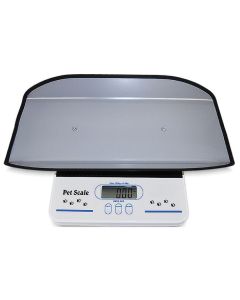
Pack of 3 pieces
€195.18 VAT excl.<p>Scale for veterinary use. 53 x 29 cm tray. 25 mm LCD display.</p>
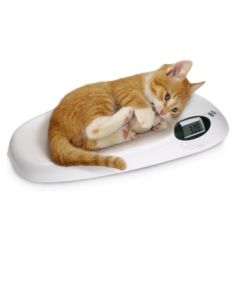
Animal weighing scale for veterinary clinics. Maximum load: 20 kg. Dimensions: W. 600 x D. 340 x H. 85 mm.
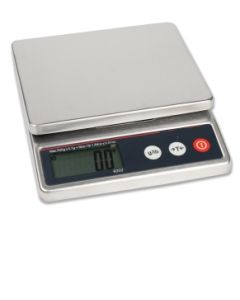
Veterinary scale maximum load 5 kg. In stainless steel. Dimensions: W. 150 x D. 170 x h. 44 mm.
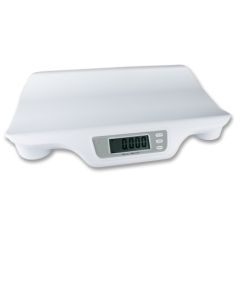
Scale for veterinary clinics. Maximum load: 20 kg. Dimensions: W. 600 x D. 380 x H. 100 mm.
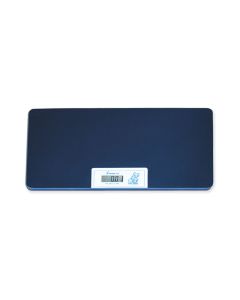
Pack of 2 pieces
€220.20 VAT excl.Animal weighing scale for veterinary clinics. Capacity/Accuracy: 100 kg / 100 g. Dimensions: 35.5 x 63.5 cm.
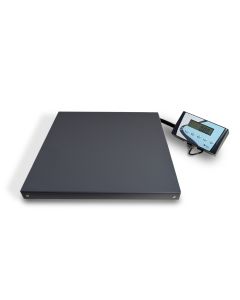
Large animal weighing scale. Lacquered steel weighing plate, dim. 30.5 x 31.5 cm. Capacity: 300 kg.

Scale for veterinary clinics. Capacity: 35 kg. Weighing pan dimensions: 30.5 x 31.5 cm.
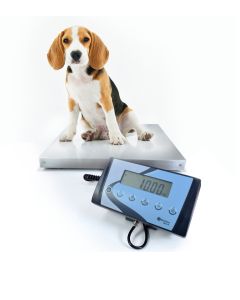
Veterinary scale for animals. Plate dimensions: 30.5 x 31.5 cm. Capacity: 150 kg.
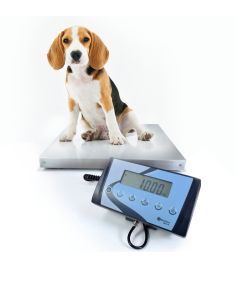
Animal weighing scale for veterinary use. Capacity: 60 kg. Platform dimensions: 30.5 x 31.5 cm.
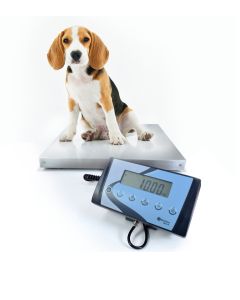
Veterinary scale for small animals. Capacity: 15 kg. Plate dimensions: 30.5 x 31.5 cm.
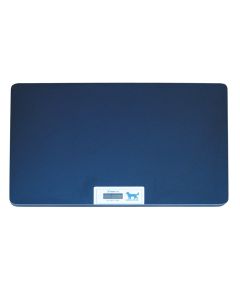
Electronic scale for veterinary use. Capacity: 100 kg. Dimensions: 62 x 83 cm.
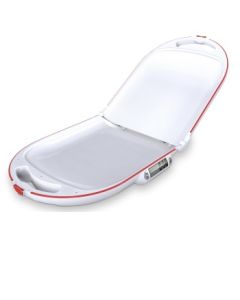
Folding animal scale. Maximum load: 15 kg. Dimensions: W. 740 x D. 315 x h. 53 mm.
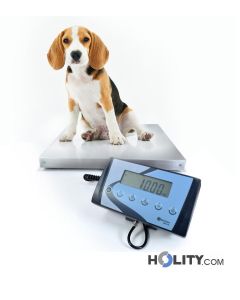
Scale for veterinary practices. Capacity: 300 kg. Plate dimensions: 30.5 x 31.5 cm.
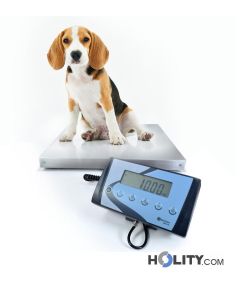
Steel veterinary scale. Capacity: 35 kg. Plate dimensions: 30.5 x 31.5 cm.
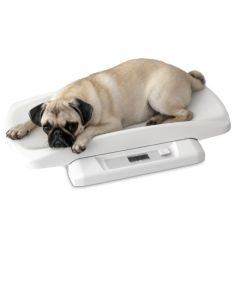
Animal scale for small animals. Maximum load: 20 kg. Dimensions: W. 601 x D. 346 x H. 92 mm.
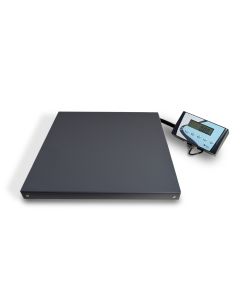
Scale for weighing large animals. Capacity: 300 kg. Weighing platform dimensions: 55 x 55 cm.
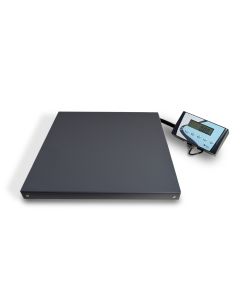
Animal weighing scale for veterinary use. Capacity: 150 kg. Weighing plate dimensions: 95 x 50 cm.
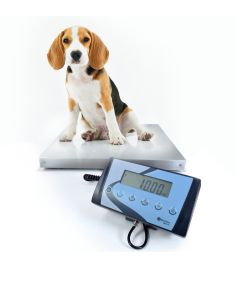
Veterinary scale for animal weighing. Capacity: 300 kg. Weighing plate dimensions: 55 x 55 cm.
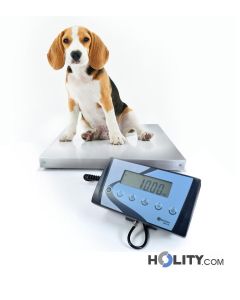
Animal weighing scale. Capacity: 150 kg. Platform dimensions: 55 x 55 cm.
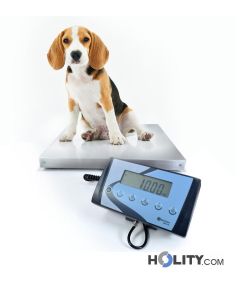
Scale for veterinary clinics. Capacity: 60 kg. Platform dimensions: W.55 x D.55 cm
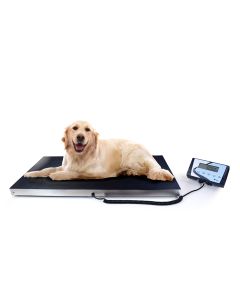
Scale for large animals. Capacity: 300 kg. Stainless steel weighing plate, dim. 95 x 50 cm.
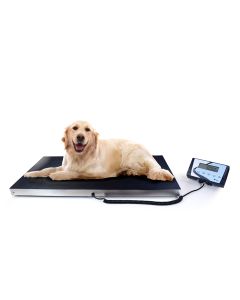
Animal scale with wheels. Capacity: 150 kg. Weighing platform dimensions: 95 x 50 cm.
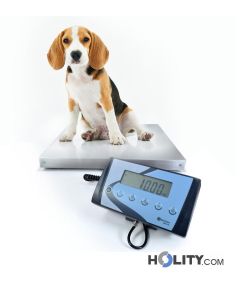
Scale for veterinary clinics. Capacity: 150 kg. Platform dimensions: 95 x 50 cm
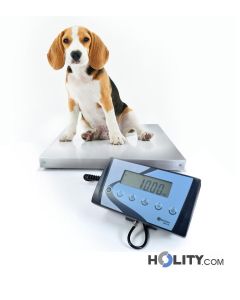
Large animal weighing scale. Capacity: 300 kg. Platform dimensions: 95 x 50 cm
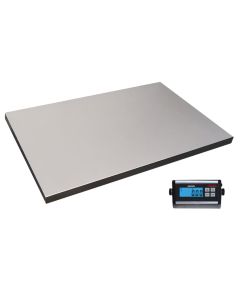
Veterinary scale for animal weighing. Dimensions: W.90 x D.60 x h.4 cm. Portata: 200 kg.
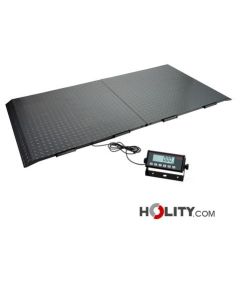
Animal scale. Maximum load: 1500 kg. Dimensions: W. 2087 x D. 1010 x h. 63 mm.
Veterinary scales represent an essential tool in modern clinical practice, used for monitoring the weight of pets and livestock. Accurate weighing is a fundamental parameter for diagnosis, health monitoring, nutrition assessment, and correct drug dosing in veterinary medicine. The choice of an appropriate scale depends on the size of the animals treated, the frequency of use, and the work environment, which can range from small clinics to large hospital facilities needing to weigh horses or cattle.
In veterinary clinics, specialized hospitals, and research facilities, animal scales must combine metrological precision, durability, and ease of reading. International technical regulations prescribe specific characteristics regarding measurement stability, sensor sensitivity, and compatibility with electronic data recording systems. A poorly calibrated or inadequate veterinary scale can compromise diagnostic accuracy and treatment safety; therefore, selection must consider both technical specifications and the actual operating conditions of the facility.
An appropriate veterinary scale allows for precise and repeatable body weight measurements, an indispensable element for assessing nutritional status, detecting weight gain anomalies, and identifying early signs of metabolic or systemic pathologies. In veterinary medicine, weight is also a critical parameter for calculating drug dosages, particularly for antibiotics, anesthetics, and chemotherapeutics where a dosing error can have significant clinical consequences.
Beyond diagnostic and therapeutic aspects, a robust and reliable scale improves the operational efficiency of the facility, reducing work time and facilitating automatic data recording in patient management software. Veterinary clinics operating daily with small animals (cats, dogs, rodents) benefit from high-precision compact scales, while facilities treating livestock or large animals require sufficiently large platforms with very high capacities. Investing in a recognized quality scale is therefore a strategic choice that affects the quality of the clinical service offered.
Wear and mechanical fatigue inevitably characterize scales used in hospital environments with high patient flow. For this reason, selecting veterinary scales made with materials resistant to moisture and chemical cleaning agents ensures superior longevity and lower maintenance costs over time. Some models include features such as automatic tare, dynamic zero, and memory functions for weight tracking over time, functionalities that expand the value-added of the solution.
Facilities managing different types of animal patients (small carnivores, exotic pets, livestock) benefit from having scales with differentiated capacity ranges, allowing them to always obtain the maximum metrological resolution suitable for each subject. European regulations and ISO standards provide for periodic calibration checks to ensure reliability over time, making it critical to choose suppliers that provide post-sale verification services.
Veterinary scales are primarily distinguished by maximum capacity and metrological precision. Models for small animals (cats, rabbits, birds) generally have capacities between 5 and 35 kg, with a precision of 1-10 grams, and weighing plates with reduced dimensions (about 30 x 30 cm) to facilitate animal positioning without stress. Scales dedicated to medium-sized dogs operate in ranges of 20-60 kg with a precision of 10-50 grams, while models for large animals (horses, cattle) reach capacities of 150-1500 kg, with wide platforms (up to 200 x 100 cm) and lower relative precision due to structural requirements.
A distinctive aspect concerns the weighing plate structure: compact and lightweight stainless steel models are suitable for mobile clinics, while fixed solutions with a heavy base ensure superior stability in high-frequency use environments. Some manufacturers offer folding scales, useful for facilities with limited space or needing portability between different locations.
Construction typology also varies between mechanical models (rare in the contemporary market, linked to situations of low electrical availability) and digital scales with load sensors and LCD displays. Digital models offer instantaneous reading, historical memory, the possibility of interfacing with IT systems, and functions such as dynamic measurement stabilization, crucial when the animal moves slightly during weighing.
Some systems include platforms with side protections or handrails to contain the animal, reducing the risk of falls and improving operational safety. Construction materials range from lacquered steel to stainless steel (preferable in humid environments or with high disinfectant use), with some solutions providing removable plates to facilitate cleaning. The power source can be a rechargeable battery, replaceable battery, or direct AC power, a choice that affects convenience of use and maintenance needs.
The selection of a veterinary scale must begin with an analysis of the patient profile treated in the facility. A clinic managing mainly small pets (up to 20 kg) does not need a large platform or a high capacity, but rather a compact device with high resolution (sensitivity up to 5 grams) and plate dimensions large enough to comfortably accommodate the subject. Conversely, an equine clinic or a facility treating livestock requires a robust scale with a minimum capacity of 300 kg and a platform sufficiently extended (at least 100 x 100 cm) to accommodate the horse in a natural position.
A common mistake is underestimating the importance of geometric stability: an undersized scale in terms of a rigid base can provide oscillating or inconsistent readings when the animal changes position, invalidating measurements. Daily frequency of use represents another critical decision factor; high-flow facilities (veterinary hospitals, shelters) need scales with higher quality components and wear resistance, while clinics with lower workloads can opt for less robust solutions.
The operating environment significantly affects the construction choice. Humid environments (surgery rooms, recovery areas with nebulization systems) require corrosion-resistant materials; areas with high foot traffic suggest scales with clearly visible displays and stable structures; sectors where decontamination is frequent suggest removable and easily sanitizable plates.
Budget naturally represents a real limitation, however, very low-end economic scales tend to present frequent calibration problems and long-term metrological reliability issues. A recommended compromise is to lean towards known manufacturers with CE certification and post-sale technical assistance options. Equally important is verifying whether the chosen model allows integration with the clinical management software used in the facility, accelerating data recording and reducing the risk of transcription errors. Finally, considering the availability of spare parts (batteries, load cells, displays) and the cost of preventative maintenance recommended by manufacturers represents a prudent analysis that impacts overall economic convenience.
Scales intended for veterinary practice must comply with EU Directive 2014/31/EU regarding non-automatic weighing instruments, which prescribes specific metrological characteristics such as accuracy class (generally Class III for small animals, Class IIII for large animals), maximum tolerated error, and load sensor stability over time. Initial calibration must be performed with certified weight samples traced to OIML (International Organization of Legal Metrology) international standards, thus ensuring that measurements are true and comparable with historical data.
Italian regulations (Legislative Decree 26/2016) also require that scales used in clinical contexts undergo periodic calibration checks, generally on an annual or biennial basis depending on the accuracy class and usage load. Compliance documentation must be kept at the facility and made available in case of regulatory inspections or quality audits.
Beyond metrological aspects, the design of a veterinary scale must comply with electrical safety standards (CEI EN 61010-1 for measuring devices) and hygiene standards (ease of decontamination, absence of niches where microorganisms can proliferate). Some hospital contexts or research centers require scales certified for use in sterile or semi-sterile environments, which implies the use of biocompatible materials and anti-bacterial designs.
The legal responsibility of the veterinarian includes the use of reliable and certified diagnostic instruments; an incorrectly calibrated scale, if it causes a pharmacological dosing error with negative clinical consequences for the patient, could generate litigation. For this reason, choosing a veterinary scale supplier with a consolidated track record, recognized certifications, and technical support services represents not just a practical choice but a professional responsibility. Major European suppliers typically offer extended warranties, post-sale calibration services, and complete technical documentation attesting to compliance with current standards.
Explore all the products in the category and compare available solutions to find the one best suited to your operational context. Every scale in our catalog has been selected according to criteria of metrological reliability, structural durability, and compatibility with the needs of professional veterinary facilities.
Scales for small animals have capacities of 5-35 kg with precision up to 1-5 grams and compact plates; those for large animals reach 150-1500 kg with lower precision and wide platforms. The choice depends on the type of patients treated: dogs and cats require different scales than horses or cattle.
Analyze the maximum weight of the animals you treat regularly and add a safety margin of 20-30%. If you work with small animals (up to 20 kg), a capacity of 35-60 kg is sufficient. For livestock or equines, aim for 200-300 kg minimum. Oversizing reduces precision; undersizing creates usage risks.
Italian regulations require annual or biennial calibration depending on the accuracy class and usage. High-flow facilities should calibrate annually to ensure constant metrological reliability. Regular calibration checks protect the veterinarian from dosing errors and clinical litigation.
Stainless steel (AISI 304 or higher) resists moisture and disinfectants better than lacquered steel. Choose removable plates to facilitate cleaning and decontamination. Rigid base structures in cast iron or anodized aluminum offer superior stability in high-frequency use environments.
Many modern models feature USB or Bluetooth interfaces to transfer data to management software. Before purchasing, verify compatibility with your IT system and ask the supplier if they offer technical support for integration and automatic weight synchronization.
 English
  Italian
 French
 German
 Spanish