
mon-fri 9-13 / 14.30-18.30
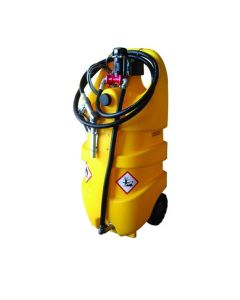
Mobile tank h466_09 in polyethylene, 55 liters, for diesel fuel. Featuring pneumatic wheels, 4 mm thickness, manual aluminum pump, and 3 m hose.
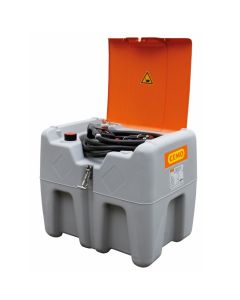
Transportable polyethylene tank h1042_01, 210 L for Diesel, approved for transport for immediate consumption according to ADR 1.1.3.1 c). Equipped with a 12 V pump (40 L/min), 4.37 m hose and automatic nozzle.
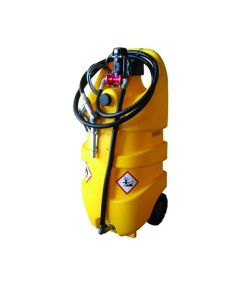
110-liter polyethylene mobile tank for diesel h466_10. Pneumatic wheels, aluminum manual pump, nozzle and 5 mm thickness.
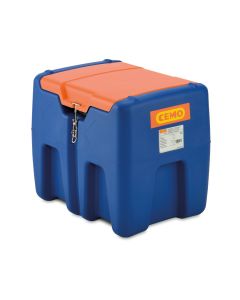
Transportable tank 210 L h1042_08 for AdBlue® in single-layer LLDPE polyethylene. Not subject to ADR regulations, supplied assembled with orange lid, 12V electric pump and automatic nozzle.
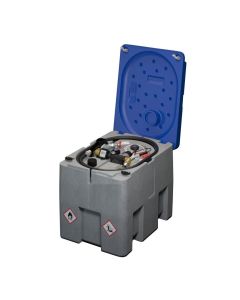
230-liter polyethylene tank for diesel transport h466_07 (800x600x700 mm). Rotational molding, lid with key and 12/24V pump.
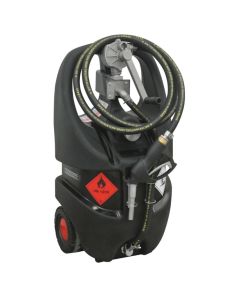
Mobile polyethylene tank h466_11 55L for petrol. 5mm thickness, pneumatic wheels, manual aluminum pump and UN 3H approval.
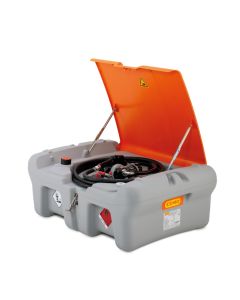
Transportable diesel tank h1042_02 of 210 L in single-layer polyethylene, ADR 1.1.3.1 c) approved. Low profile (height 45 cm) ideal for pick-ups, with 12 V pump and automatic nozzle.
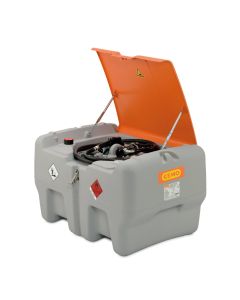
440 L diesel transport tank h1042_03 in single-layer LLDPE polyethylene, ADR 1.1.3.1 c) approved. Supplied assembled with orange lid, 12V pump, 40 l/min flow rate, and automatic nozzle.
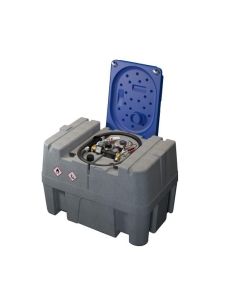
440L polyethylene tank for diesel h466_08 (1200x800 mm). Rotational molding, 12/24V pump, level indicator and automatic nozzle.
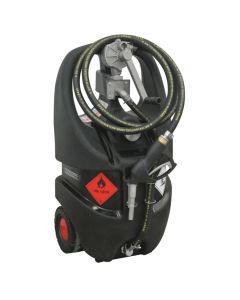
Mobile tank h466_12 for gasoline (110 lt). UN 31H2 approved as IBC. 6 mm polyethylene structure, pneumatic wheels and manual pump.
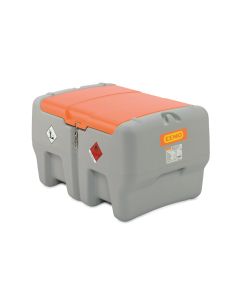
Transportable diesel tank with lid h1042_05 - 440 L in single-layer LLDPE polyethylene, ADR 1.1.3.1 c) approved. 18 V CAS battery operation independent of the vehicle, with autonomy up to 900 liters per charge.
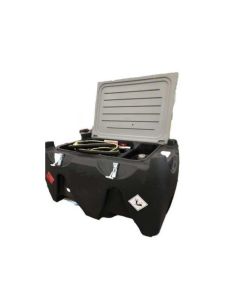
Mobile petrol tank h466_13 made of 150-liter polyethylene. Dimensions 977x582x460 mm. EX50 12V pump and ATEX 60P nozzle, ready for use.
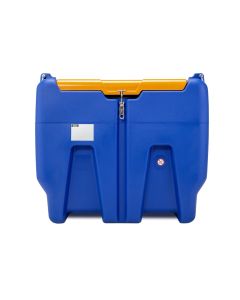
Transportable tank 620 L h1042_07 for AdBlue® in single-layer LLDPE polyethylene. Not subject to ADR regulations, pre-assembled with lid, 12V diaphragm pump, crane eyes and automatic nozzle.
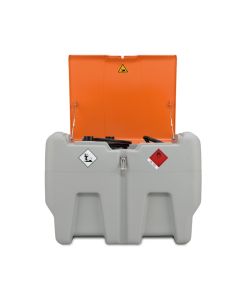
Combined Diesel and AdBlue transport container h1042_04 (440 L + 50 L) in LLDPE polyethylene, ADR 1.1.3.1 c) approved. Supplied assembled with lid, double 12V electric pump, and automatic nozzle.
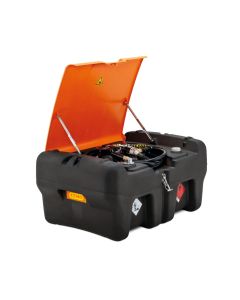
Gasoline transport tank 330 L h1042_11 in black conductive LLDPE polyethylene, ADR approved (BAM 15862-CEMO6/0/407). Supplied assembled with internal baffle, gas spring lid and 12V pump.
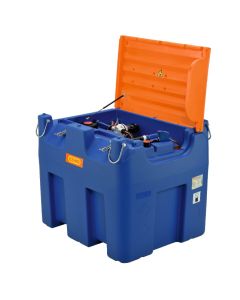
AdBlue transport tank h1042_06 - 980 L in single-layer LLDPE polyethylene. Not subject to ADR regulations, pre-assembled with orange lid, 12V electric pump, crane eyes and automatic nozzle.
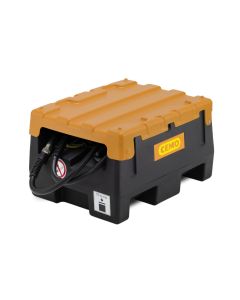
120 L tank with pump and hinged lid h1042_09 made of black conductive cross-linked polyethylene, ADR approved for Petrol (BAM 14341-CEMO/321/173). Supplied assembled with explosion-suppression insert and 12V pump.
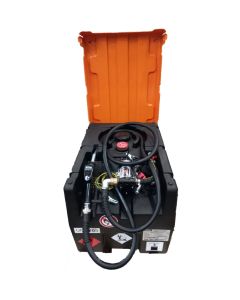
Petrol transport tank h1042_10, 190 L capacity, made of black conductive LLDPE polyethylene, ADR approved (BAM 14341-CEMO6/500/273). Supplied assembled with orange lid, explosion-proof insert and 12V pump.
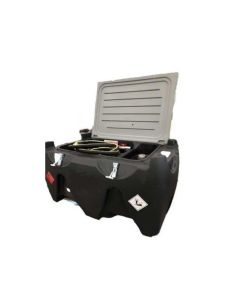
Mobile gasoline tank h466_14, 330L in polyethylene (1275x875x665 mm). 12V pump and automatic shut-off nozzle. Prepared for forklift forks.
Transportable tanks represent the fundamental technological and logistical solution for the safe handling and refilling of fuels and additives on the move. Designed to meet the rigorous demands of complex operational sectors, these devices allow for the storage and dispensing of flammable or corrosive liquids directly in the field, eliminating downtime due to moving vehicles to fixed refueling points. Constructive compliance, the use of high-resistance materials such as rotationally molded linear polyethylene or carbon steel, and the integration of complete transfer units make every transportable fuel tank an autonomous and efficient unit. Ensuring operational continuity in isolated contexts means relying on systems that prevent contamination, accidental leaks, and chemical degradation of the contained fluid.
The evolution of regulatory contexts and the need to preserve the integrity of latest-generation engines have pushed manufacturers to develop dedicated solutions for every type of substance, from diesel to gasoline, up to AdBlue. Every industrial sector requires specific insulation and chemical compatibility characteristics, which is why modern mobile storage systems integrate vent valves, level indicators, and advanced filtering systems. Choosing the correct configuration is not just a matter of optimizing business processes, but is a fundamental prerequisite for protecting workplace safety and complying with the strict environmental directives governing the transport of dangerous goods on roads and in sensitive areas.
The adoption of professional systems such as transport tanks responds to the urgent need to optimize fuel logistics in all those sectors where machinery operates steadily away from ordinary distribution networks. In the agriculture sector, during crucial harvesting phases, or on large construction sites, moving tractors or mechanical shovels to a fixed station involves an unsustainable expenditure of time and money. The use of mobile units allows for refueling directly on-site, reducing machine downtime to zero and significantly improving daily work planning. The presence of ergonomic compartments for full-load lifting via forklifts and slots for anchoring straps ensures quick and safe movement on any company vehicle.
In addition to the obvious logistical advantage, the use of dedicated structures guarantees safety standards infinitely superior to makeshift methods. An integrated system mitigates risks related to electrostatic charges, internal pressure peaks caused by thermal variations, and the exhalation of toxic or flammable vapors. In the nautical sector, for example, where environmental conditions expose equipment to strong salt corrosion and continuous mechanical stress, the structural stability of the containers prevents catastrophic spills into the water. Investing in certified equipment also means protecting the value of your operational vehicles, as the presence of filters integrated into the dispensing units stops impurities and condensation water, preserving the delicate injection systems of modern diesel and gasoline engines.
The landscape of devices for moving flammable liquids is mainly divided based on construction material and specific chemical compatibility with the fluid to be moved. High-density polyethylene models stand out for their extraordinary lightness, resistance to mechanical shocks, and insensitivity to corrosion caused by atmospheric agents and aggressive fluids. This category includes specific solutions for Diesel transport and special configurations, equipped with internally treated walls, for the safe dispensing of gasoline. A separate discussion concerns AdBlue, for which containers made exclusively of pure plastic materials that do not release metal ions are required, capable of compromising the effectiveness of the SCR catalyst in industrial vehicles.
For needs requiring significant volumes or extreme structural resistance in highly hostile work environments, carbon steel or stainless steel models are used instead. These units, often equipped with X-rayed external protection frames and internal breakwater partitions, reduce the sloshing effect of the liquid during transport, improving the stability of the carrying vehicle. Alongside large-capacity systems, professional-grade fuel cans remain indispensable, ideal for small quantities and equipped with flexible pouring spouts with automatic flow-stop systems. The versatility of the range also allows for finding combined solutions, which integrate two separate compartments in the same machine body to simultaneously supply diesel and urea additive with independent pumping units.
The selection of the perfect fuel tank and containers must start from a careful analysis of the liquid volume necessary to cover a complete work cycle and the type of vehicle used for movement. A very frequent error lies in underestimating the flow rate of the integrated dispensing systems: a 12V or 24V pump connected to the vehicle battery offers excellent flexibility of use in the field, but its transfer speed must be commensurate with the tank capacity of the vehicle to be refilled to avoid overheating the electric motor. It is essential to check for fundamental accessories such as the automatic shut-off nozzle, the digital flow meter for monitoring consumption, and water separator filters, decisive for maintaining the quality of the dispensed fuel.
Another critical factor concerns the operating environment in which the device will be stored and used regularly. If the equipment is destined to remain exposed to sunlight and weather on an open truck bed, it is preferable to opt for models equipped with a lockable die-cut lid, which protects the pump unit from theft and premature degradation caused by exogenous agents. It is absolutely necessary to avoid using containers not explicitly approved for the fluid intended for transport, such as using a common diesel compartment for storing gasoline, an extremely dangerous practice due to the different flash point of the two liquids and the consequent need for ATEX-certified explosion-proof systems.
Road transport of fuels and dangerous liquids is regulated in Europe by the ADR international agreement, which establishes very strict requirements for the construction, approval, and periodic inspection of containers. For smaller volumes, the regulation provides important partial exemptions according to paragraph 1.1.3.1.c (known as the craftsman’s exemption), which allows for the transport of certain quantities of fuel intended for direct refueling of company machinery, provided that suitable measures are adopted to avoid any leakage under normal conditions. Once the quantitative limits provided by the exemption are exceeded, the use of containers formally approved as IBCs or Intermediate Bulk Containers, marked with the UN code, becomes mandatory.
In addition to road circulation aspects, the compliance of storage systems must meet workplace safety and fire prevention regulations. Every transportable tank must be accompanied by its relative approval certificate, testing booklet, and user manual containing instructions for periodic checks of valves and sealing gaskets. In the maritime and nautical sector, restrictions become even stricter, imposing the use of non-conductive materials or those provided with adequate grounding to eliminate the danger of sparks in the presence of atmospheres saturated with flammable vapors, requiring operators to perform rigorous and documented maintenance.
Explore all products in the category and compare the available solutions to find the one best suited to your operational context.
To benefit from the total ADR exemption according to paragraph 1.1.3.1.c, the tank must not exceed 450 liters in capacity and the fuel must serve the site activity directly. It is necessary to travel with the manufacturer’s certificate of conformity and the fuel safety data sheet.
No, it is prohibited and dangerous. Gasoline requires tanks built with thicknesses and materials suitable for preventing electrostatic charges, as well as pumps and nozzles with ATEX explosion-proof certification. Using a diesel container for gasoline creates immediate explosion risks and significant administrative sanctions.
Agricultural companies can transport diesel for refueling their own working machinery under exemption from ADR obligations up to a maximum limit of 1000 total liters per vehicle. Transportable tanks must still be approved, equipped with suitable vent valves, and firmly anchored to the bed of the transport vehicle.
AdBlue is a urea solution highly corrosive to non-noble metals and subject to thermal degradation. Dedicated tanks must be made exclusively of pure polyethylene and equipped with pump units with internal components in stainless steel or compatible plastic to avoid polluting the additive and compromising the engine.
Transportable tanks approved as intermediate bulk containers are subject to periodic inspections conducted by authorized bodies. The law requires a general check of the structural state and accessories every two and a half years, followed by a complete hydraulic pressure test every five years.
Fuel cans are intended for manual handling of small volumes, generally up to a maximum of thirty liters, and do not have integrated pumping systems. Transportable tanks are true mobile refueling stations equipped with electric pumps, flow meters, and automatic dispensing nozzles.
 English
  Italian
 French
 German
 Spanish