
mon-fri 9-13 / 14.30-18.30
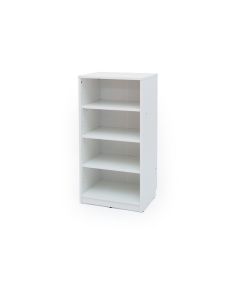
Nursery school cabinet, with open shelves. Dimensions: W.50xD.40xH.100 cm
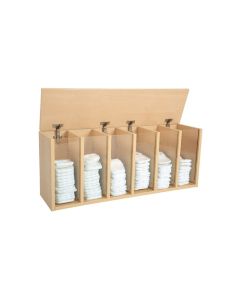
Diaper storage unit for nurseries. Dimensions: W.97xD.25xH.40 cm. Compartment width: 14 cm.
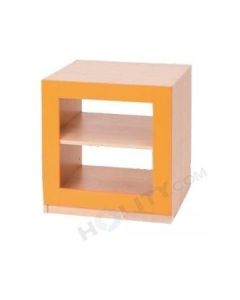
Modular cube-shaped cabinet with shelf. Dimensions 600x420x650 mm. Available in colours: orange, green and yellow.

Nursery school cabinet with open shelves. Dimensions: W.100xD.45xH.66 cm.
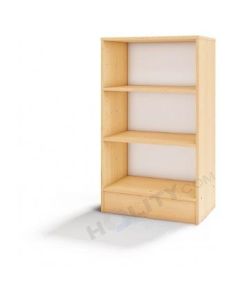
Open shelving unit with 2 height-adjustable shelves. Structure in melamine-faced wood conglomerate. Dimensions 650x350x1130 mm
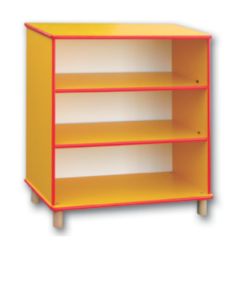
Beech melamine unit for nursery school furniture. With 2 shelves. Dimensions: W.100 x D.45 x h.100 cm.
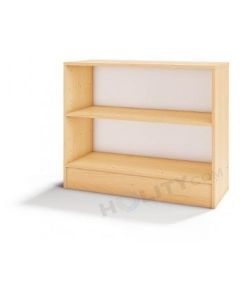
Open shelving unit with height-adjustable shelf. Structure in melamine-faced wood conglomerate. Dimensions 990x350x810h mm.
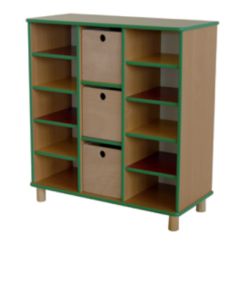
School cabinet with 12 open compartments. Dimensions: W.118xd.39xh.120 cm.
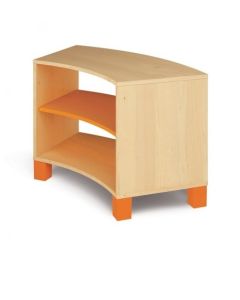
Curved cabinet with shelf and colored feet. Structure in melamine-faced wood conglomerate. Available in colors: birch, green and orange.
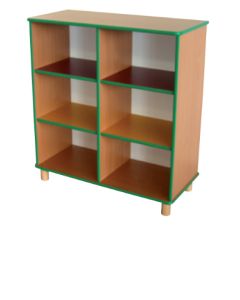
6-compartment pigeonhole cabinet for nursery schools. Material: beech melamine. Dimensions: W.100 x D.45 x H.110 cm.
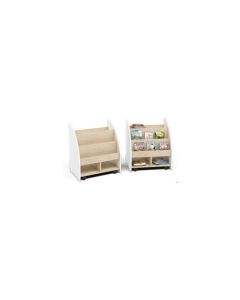
Double-sided bookcase on wheels. Dimensions: W.70xD.47xH.82 cm
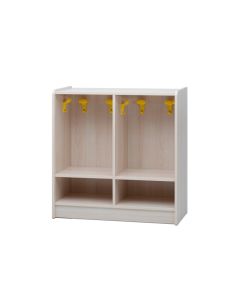
2-compartment locker for nurseries in durable material, 100x45x100 cm. Includes colored hangers and open design for children’s autonomy.
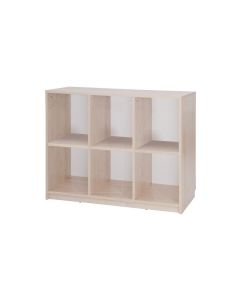
School unit with 6 open compartments. Dimensions: W.100xD.45xH.66 cm.
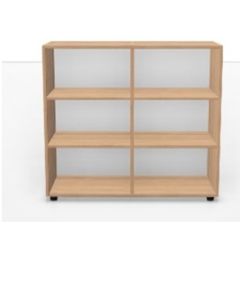
Open melamine cabinet in beech color for nurseries and kindergartens, equipped with 4 shelves and adjustable feet. Dimensions 104x44x100 cm.
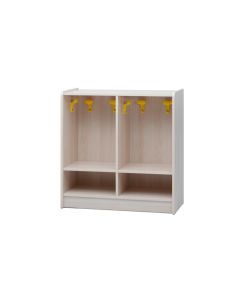
Nursery locker, 2 open compartments, 100x45x100 cm. Sturdy structure with shoe compartment and hangers included for children’s autonomy.
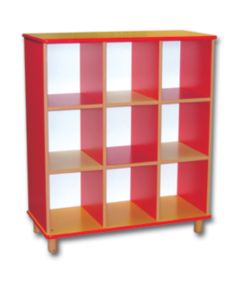
9-compartment cubby storage unit. Dimensions: W.100 x D.45 x H.100 cm. Material: beech melamine.
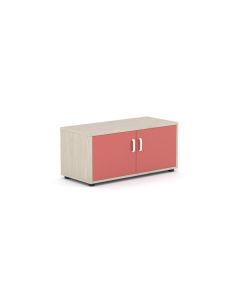
Low school cabinet h979_29 in melamine, height 42 cm. Colored doors and safety hinges for children’s autonomy in early childhood.

Storage cabinet for nursery schools in beech melamine (100x45x110 cm) with doors and anti-trauma edging for maximum safety.
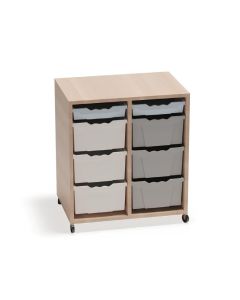
Mobile storage unit on wheels with 8 colored plastic trays (70x45x90 cm). Spacious and dynamic organizer for preschools.
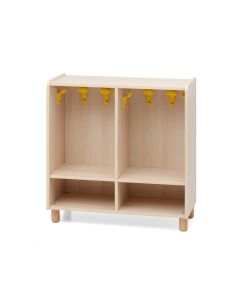
Two-compartment locker in laminated wood (100x45x100 cm) with beech feet and integrated shoe rack for nurseries and kindergartens.

Preschool cabinet with 3 open shelves. Dimensions: W.100xD.45xH.124 cm.
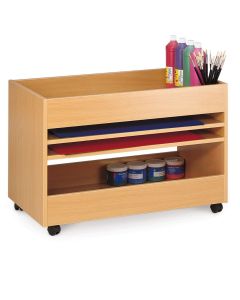
Cabinet on wheels for preschools, multipurpose for recreational activities. Dimensions: 90x50xh.60 cm
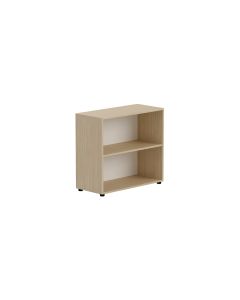
Storage cabinet for nurseries and kindergartens in neutral Nordic finish, dimensions 90x40x82 cm, with open shelves and pre-assembled structure.
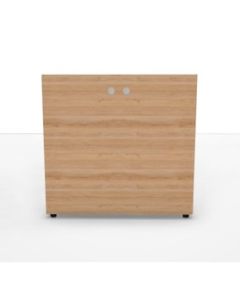
Low beech-colored melamine cupboard for schools and playrooms, 104x46x100 cm, with two doors, two shelves and adjustable feet for maximum stability.
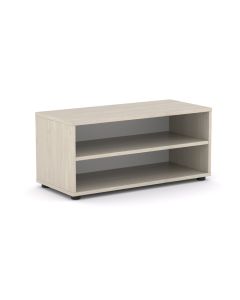
Preschool cabinet h979_32 in 19 mm thick melamine with pull-out shelf. Adjustable PVC feet, Oasis Oak finish and White back panel. Dimensions: W 90 x D 40 x H 42 cm.
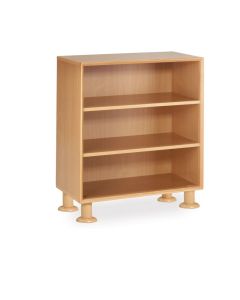
Preschool cabinet with open shelves. Dimensions: 75x40xh87 cm.
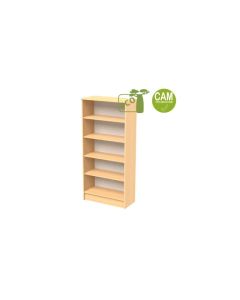
5-compartment cabinet for nursery schools in FSC-certified wood, 83.5x40x180 cm, with anti-trauma rounded edges and scratch-resistant surface.
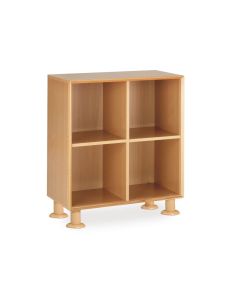
Nursery school cabinet with 4 open compartments. Dimensions: 75x40xh87 cm
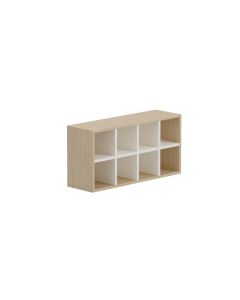
Professional cabinet for nurseries and playrooms in neutral Nordic finish, 90x27x45 cm. Robust pre-assembled structure for toys and educational material.
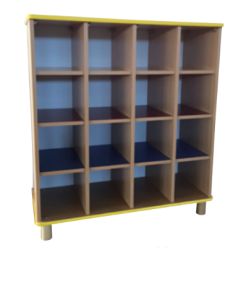
Locker cabinet for nursery school furniture. Material: beech melamine. With 16 compartments.
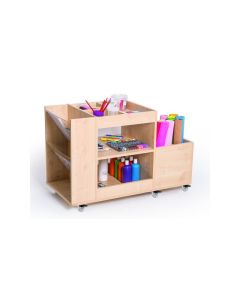
Painting trolley with swivel wheels. Dimensions: W.102xD.50xH.102 cm
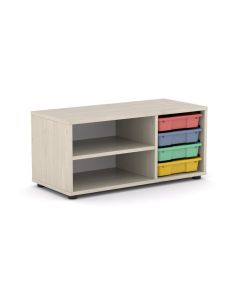
Preschool cabinet h979_35 in 19 mm thick melamine with pull-out shelf. Equipped with PVC feet adjustable from the inside and prepared for the optional 4 polypropylene drawers. Dimensions: 90 x 40 x H 42 cm.
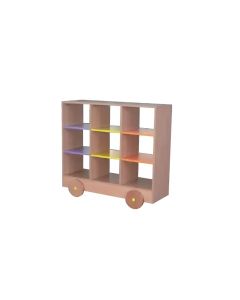
Railway wagon-shaped preschool cabinet made of 18 mm thick wood. Dimensions 120x40x100 cm with 9 compartments for educational organization.
Nursery school cabinet with open shelving. 9 compartments.
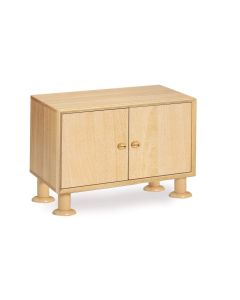
Nursery school cabinet with 2 doors. Dimensions: 75x40x56 cm
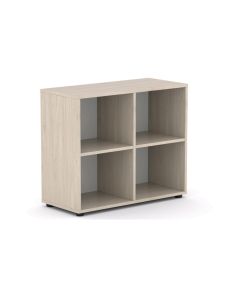
Preschool furniture h979_33 in 19 mm thick melamine with pull-out shelves. Adjustable PVC feet, Oasis Oak finish and White back. Dimensions: W 90 x D 40 x H 77 cm.
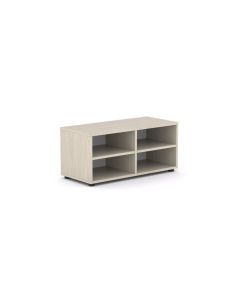
Storage cabinet for nursery in 19 mm melamine, 420x900x400 mm. 4-compartment structure with ABS edges, supplied assembled and ISO certified.
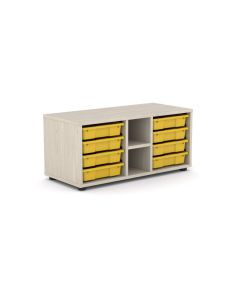
Nursery cabinet h979_36 in 19 mm thick melamine with pull-out shelf. Equipped with PVC feet adjustable from the inside, rails with safety lock and preparation for the optional 8 drawers. Dimensions: 90 x 40 x H 42 cm.

Toy storage trolley cabinet. Dimensions: 90x50xh.60 cm.
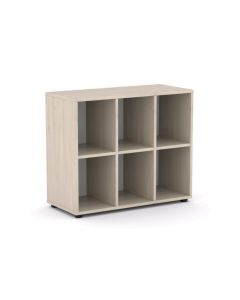
Nursery cabinet h979_34 in 19 mm thick melamine with pull-out shelves. Adjustable PVC feet, Oasis Oak finish and White back panel. Dimensions: 90 x 40 x H 77 cm.
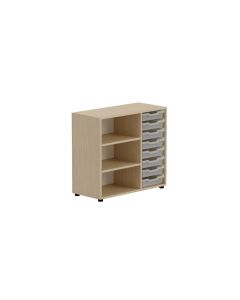
Storage cabinet for nurseries in Nordic finish, dimensions 90x40x82 cm. Sturdy shelf structure, delivered assembled for immediate use.
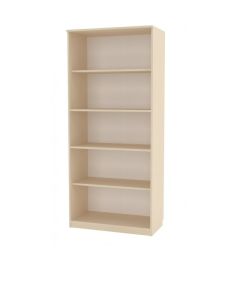
High open cabinet with 4 shelves. Dimensions: 80x42xh182 cm.
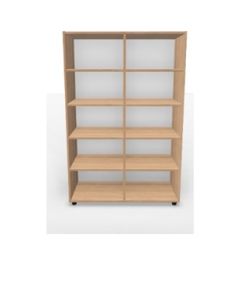
Open cabinet in beech-colored melamine (104x44x150 cm) with 6 shelves and adjustable feet, ideal for organization in nursery schools.
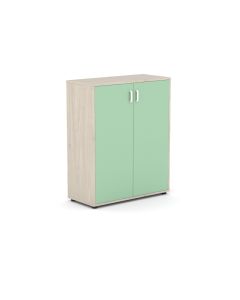
Melamine storage cabinet for early childhood, 90x40x112 cm. Safe with anti-trapping hinges, colored doors and oasis oak structure.
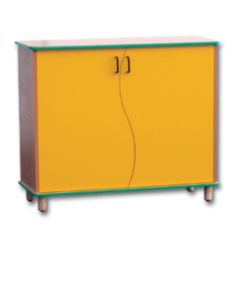
Cabinet with doors for preschool. Dimensions: W.100 x D.454 x H.100 cm. Material: beech melamine, 18mm thickness.

9-compartment locker unit with doors available in various colors. Dimensions: W.89xD.39xH.120 cm
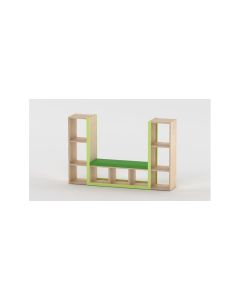
Bookcase with bench provided with a mat. Dimensions: W.151xD.34xH.82 cm
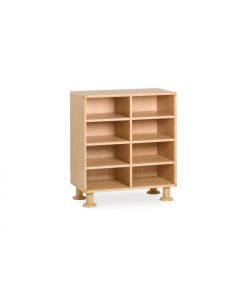
Nursery school cabinet with 8 open compartments. Dimensions: 75x40xh87 cm
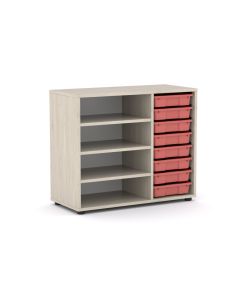
Preschool cabinet h979_37 in 19 mm thick melamine with 3 pull-out shelves. Equipped with PVC feet adjustable from the inside. Dimensions: W 90 x D 40 x H 77 cm.
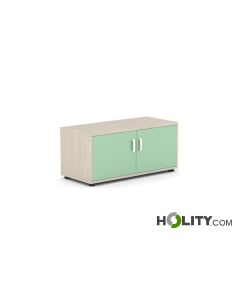
Compact school cabinet in 19 mm melamine, 42x90x40 cm. Doors with anti-trapping hinges, pull-out shelf and ISO certifications.
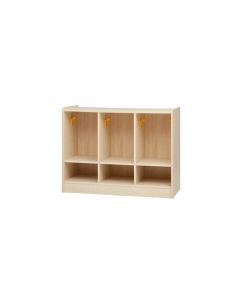
Nursery locker with 3 open compartments in resistant material, dimensions 100x45x100 cm, with hangers included to promote children’s autonomy.
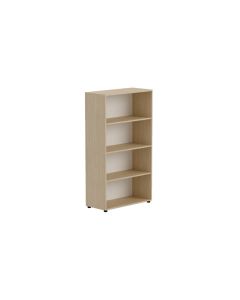
Storage cabinet for kindergartens in neutral Nordic finishes, dimensions W 90 x D 40 x H 159 cm. Robust, with shelves and delivered already assembled.
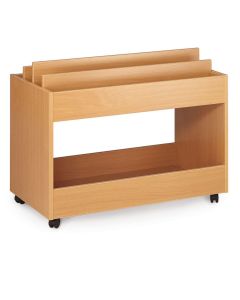
Book trolley for nursery schools. Dimensions: 90x50xh.71 cm
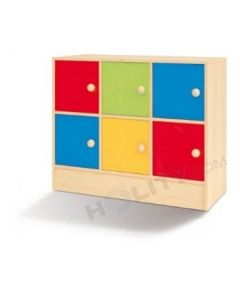
Low cabinet with 6 colored doors in laminated MDF. Structure in melamine-faced wood conglomerate. Dimensions 990x350x810 mm

Nursery school furniture with containers. Dimensions: W.120xD.42xH.65 cm

Nursery school furniture with 12 open compartments. Dimensions: W.100xD.45xH.124 cm.
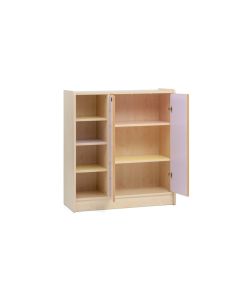
Educational cabinet for early childhood with solid structure, W 100 x D 45 x H 100 cm, with 2 doors and an open side compartment to encourage school autonomy.
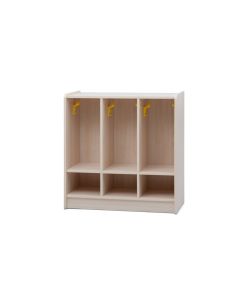
3-compartment locker for nurseries in robust material, dimensions 100x45x100 cm, complete with colored hangers and integrated shoe compartment.
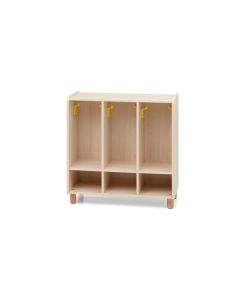
Preschool locker h908_96 made of durable material, 3 open compartments with hangers and beechwood feet, 100x45x100 cm. Ideal for child autonomy.
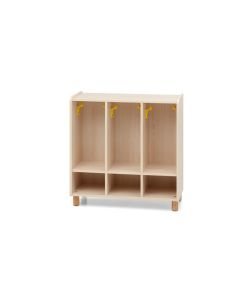
Wooden 3-compartment preschool cloakroom locker with beech wood feet. Includes hangers and shoe rack. Dimensions W100xD45xH100 cm.
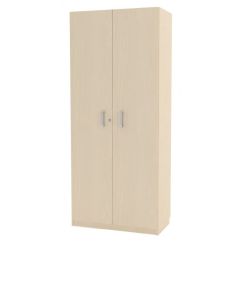
Cabinet with doors and 4 internal shelves. Dimensions: W.80xD.42xH.182 cm.
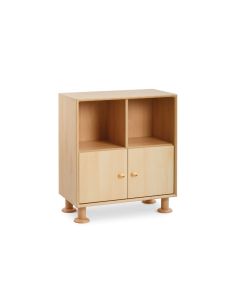
Preschool furniture with 4 compartments, 2 of which with doors.
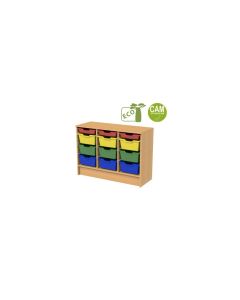
Preschool furniture in ecological FSC wood (104x40x75 cm) with 12 colorful CAM trays and rounded anti-trauma edges.
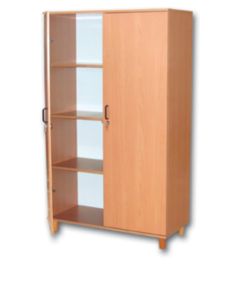
Material storage cabinet for preschool classrooms. Dimensions: W.100 x D.45 x H.150 cm. Material: beech melamine.
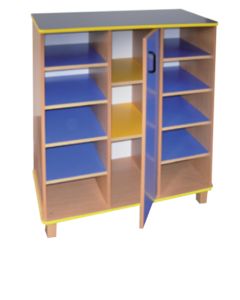
Nursery school furniture in beech wood. With 1 door and 8 open shelves. Dimensions: W.100 x D.45 x h.110.
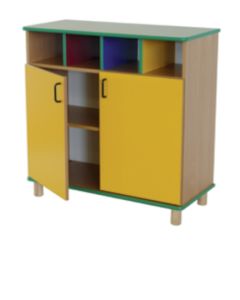
Nursery storage cabinet in beech melamine, 100x45x100 cm, with open compartments and doors, equipped with anti-trauma edges for maximum safety.
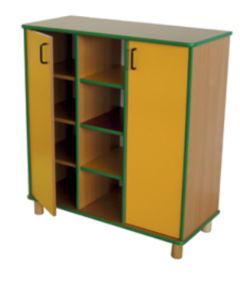
Beech wood nursery school cupboard. With 2 doors and 1 open compartment with 4 sections. Dimensions: W.100 x D.45 x H.110 cm.
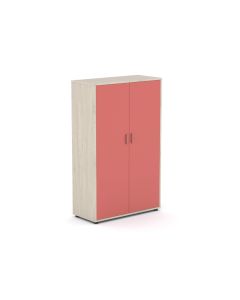
School storage cabinet in melamine h147 cm. Oasis oak structure, colored doors and anti-trapping hinges for nursery schools.
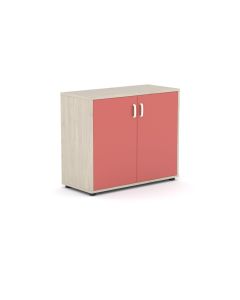
School cabinet h979_07 in 19mm melamine (77x90x40 cm) with clay red doors and anti-trap safety hinges for nurseries and playrooms.
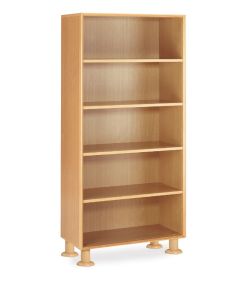
Preschool cabinet with 4 continuous open shelves. Dimensions: 75x40xh.162 cm.
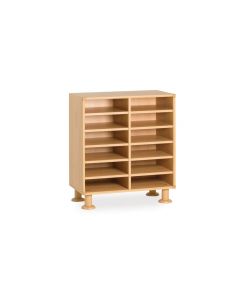
Nursery school cabinet with 12 compartments. Dimensions: 75x40x87 cm
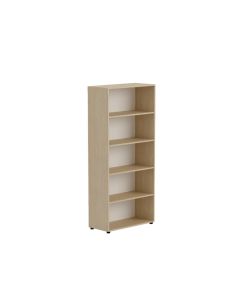
Nursery school storage cabinet in nordic finish, W 90xD 40xH 197 cm. Robust structure with shelves, delivered already assembled for immediate use.
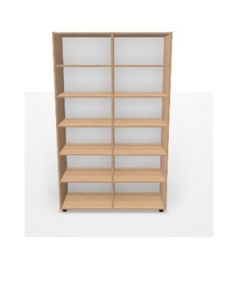
Open-shelf school cabinet in beech melamine, 104x44x200 cm, with 8 shelves and adjustable feet. Ideal for organizing teaching materials.
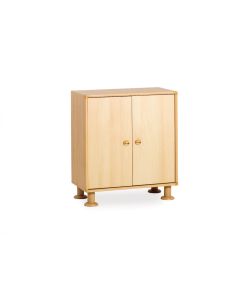
Nursery school furniture with 2 doors and 2 internal shelves. Dimensions: 75x40x87 cm

Nursery school cabinet 4 compartments with 4 containers. Dimensions: 75x40x56 cm.
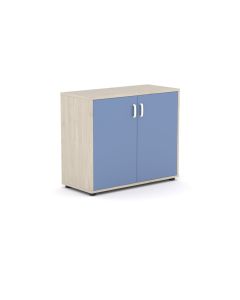
Preschool cabinet in 19 mm melamine with 6 internal compartments and anti-trapping hinges. Sturdy ISO-certified structure, supplied assembled.
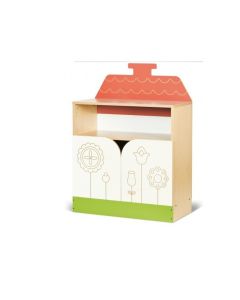
Cabinet with 2 doors and 1 shelf with decoration. Made of melamine-faced wood conglomerate. Dimensions 820x380x840 mm

Professional cabinet in beech melamine (18 mm), 100x45 cm. Equipped with 2 doors with lock, central open compartment and rounded accident-prevention edges.
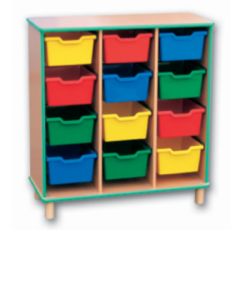
Nursery school furniture cabinet with 12 PVC containers. Dimensions: W.106 x D.45 x h.100 cm.
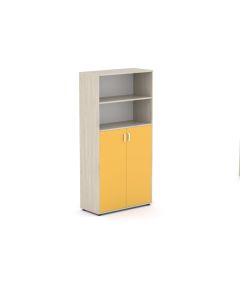
School storage unit made of resistant panels, 900x400x1870 mm. Large-capacity vertical design with customizable doors in 8 color variants.
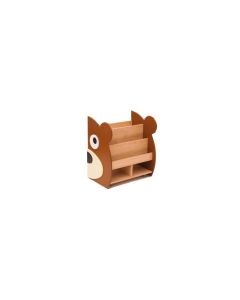
2-in-1 bookcase and cabinet. Three-dimensional bear-shaped decoration.
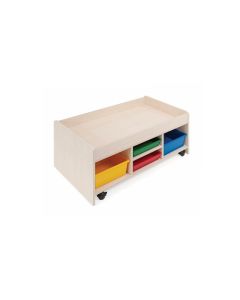
Double-sided cabinet for preschools (120x65x53h cm) in wood with 8 pass-through compartments and plastic containers. Worktop with raised edge.
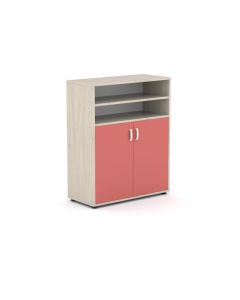
Kindergarten cabinet in melamine (19 mm) with ABS edges. Dimensions 900x400x1120 mm, doors with anti-trapping hinges and supplied already assembled.

Storage cabinet for schools in 19 mm melamine, dimensions 770x900x400 mm, equipped with 18 internal compartments and adjustable feet. Supplied assembled.
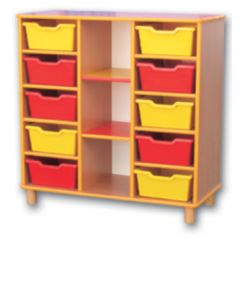
Wooden cabinet for preschools. With 3 open compartments and 10 compartments with PVC trays. Dimensions: W.100 x D.45 x h.110 cm.

Book trolley in natural birch plywood (78x50x57 cm) for preschools, with swivel wheels and anti-trauma edges.

Nursery school display cabinet for books. Dimensions: 75x40xh.162 cm
School cabinet with shelves. Available in different colors.
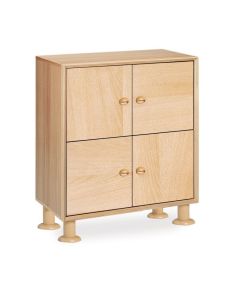
Wooden preschool cabinet with 4 doors. Dimensions: 75x40xh.87 cm

School classroom cabinet in 19mm melamine, 90x40x147 cm. Equipped with powder blue doors with anti-trapping hinges and ISO certified structure.
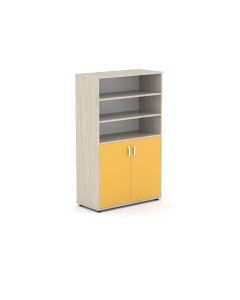
Storage cabinet for preschools in melamine (19 mm), W 900x D 400x H 1470 mm, with anti-trap doors and customizable shelves.
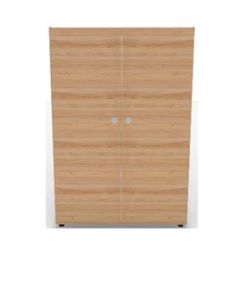
Professional cabinet for nursery schools in 18 mm melamine, dimensions 104x46x150 cm, with 6 shelves and doors with recessed handles.
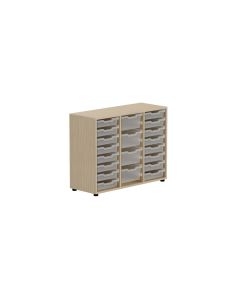
Storage cabinet for nurseries and kindergartens in neutral Nordic finish, 105x40x82 cm. Sturdy structure delivered already assembled.
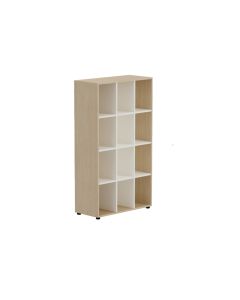
Nursery wardrobe cabinet in neutral Nordic finishes, 90x40x159 cm. Robust structure with shelves, delivered already assembled for immediate use.

Storage cabinet for schools in 19mm melamine, 90x40x147 cm. Equipped with 6 open compartments and colored doors, supplied already assembled and ISO certified.
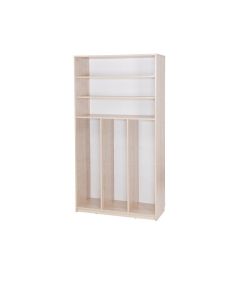
Nursery school cabinet. Dimensions: 100x45xh.200 cm
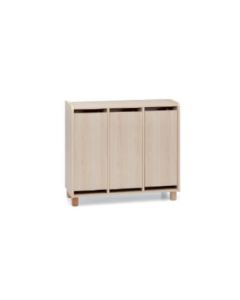
Three-door locker cabinet for nursery schools, structure with shoe compartment, hangers included and beech wood feet. Dimensions 100x45x100 cm.

H872_30 storage trolley cabinet with 6 colored trays, structure with anti-fall edge and 6 braking wheels. Ideal for schools and nurseries.

Melamine nursery cabinet (187x40x90 cm) with colored doors, anti-trap hinges and ABS edges, ideal for schools and kindergartens.
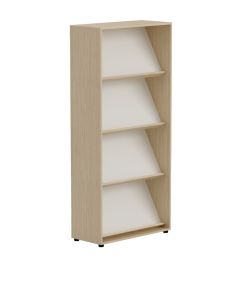
Vertical bookcase for nursery schools with reinforced structure, 4 shelves, dimensions 90x40x197 cm, ideal for organizing educational volumes.
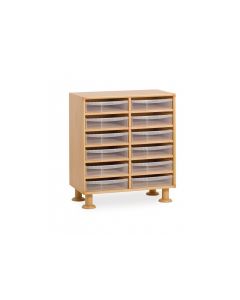
Nursery school storage unit with 12 cubbies and 12 transparent plastic trays.
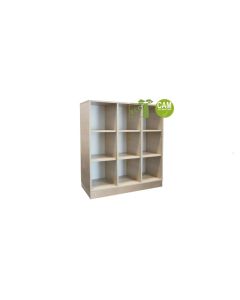
9-compartment storage cabinet for preschool in FSC melamine wood, 105x40.5x114 cm, Class 1 fire-retardant certified and CAM compliant.

Cabinet for kindergarten furniture with 1 door and 10 trays. Dimensions: W.100 x D.45 x h.110 cm. Material: beech melamine.
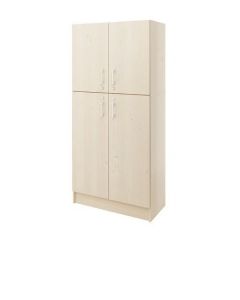
Bookcase for nursery schools in birch wood conglomerate, 90x40x190 cm, equipped with 4 shelves and 4 protective doors in 18 mm chipboard.
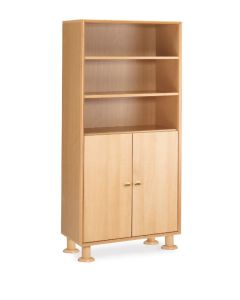
Furniture for preschool with low doors and visible upper shelves.
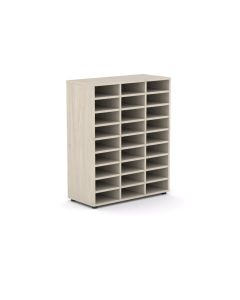
Preschool cabinet in 19 mm melamine with 27 removable compartments. Dimensions 900x400x1120 mm. Sturdy ISO-certified structure.
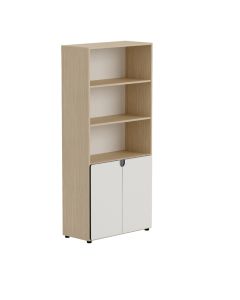
Nordic-style storage unit for nurseries, CDF doors, dimensions 90x42x197 cm. Safe design with rounded edges and lock.
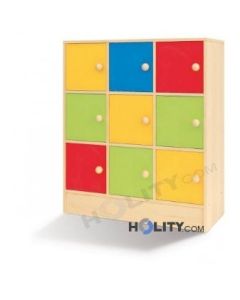
Cabinet in melamine-faced wood conglomerate with 9 doors in colored laminated MDF. Dimensions 990x350x1130 mm.
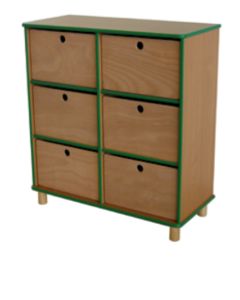
Nursery school furniture cabinet. Material: wood. With 6 drawers. Dimensions: W.100 x D.45 x h.110 cm.
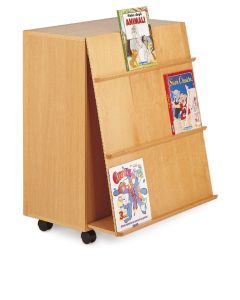
Display cabinet on wheels for nursery school. Dimensions: 75x40xh.85 cm
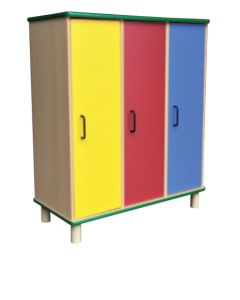
3-seater locker cabinet for nursery schools. Material: beech melamine. Dimensions: W.100 x D.45 x h.100 cm.
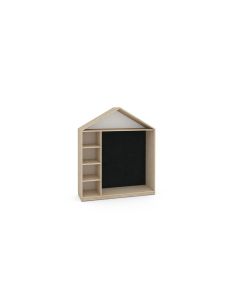
Cabinet with shelves and blackboard for nursery school. Dimensions: W. 139xD.45xH.162 cm
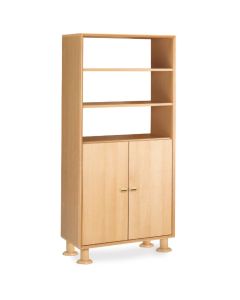
Nursery school furniture with low doors and upper open compartment. Dimensions: 75x40xh.162 cm
Open cabinet with 3 drawers for kindergarten classroom. Dimensions: W.100 x D.45 x h.100 cm.

Preschool cupboard in 19 mm melamine with red doors. Dimensions 90x40x187 cm, 4 adjustable shelves and ISO certified structure.
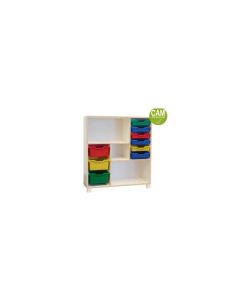
Organizer cabinet for preschools in FSC melamine wood, 105x40x114 cm, with 9 colored CAM bins and 3 open compartments.
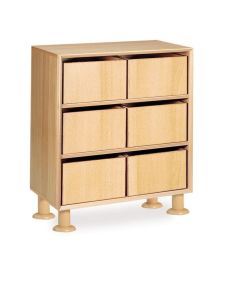
Wooden storage cabinet for nursery schools, 75x40x87 cm, with 6 trays and rounded corner frame for maximum safety.
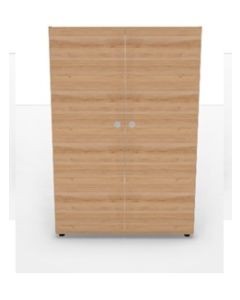
Two-door melamine cabinet for nursery schools, 104x46x200 cm, with 8 internal shelves and adjustable feet for maximum stability.
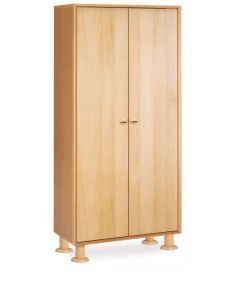
Nursery school furniture with internal shelves and 2 doors
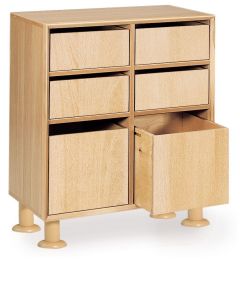
Nursery school cabinet with 6 compartments and 6 containers.
Setting up interior spaces in educational institutions requires a deep understanding of the behavioral dynamics of children between zero and six years old. Preschool furniture does not just serve as storage; it defines the pedagogical architecture of the classroom, transforming empty rooms into structured learning ecosystems. The choice of modular furniture allows the environment to be organized into "interest centers," facilitating transitions between different activities of the day, such as symbolic play, reading, or creative workshops. An orderly and well-designed environment communicates a sense of security and welcome to young pupils, which are essential elements for fostering independent exploration and psychological serenity.
In a professional context, furniture must meet extremely high standards of durability and hygiene, as every surface is subject to intensive wear and constant sanitization cycles. Modularity represents the true added value: being able to compose cabinets, bookcases, and dividers based on the specific square footage of the classroom allows for the optimization of every square inch, while ensuring ample room for collective movements. Choosing high-quality technical furniture means investing in structures that maintain their mechanical stability over time, resisting dynamic loads and accidental impacts, thus offering sustainable and safe long-term management of school assets.
The adoption of furniture specifically designed for professional childcare ensures passive safety that domestic furniture cannot provide in collective contexts. Each element is built to eliminate the risk of finger pinching, thanks to soft-close hinges and secure opening systems, and features rounded ABS or soft rubber edges to prevent impact injuries. Stability is the fundamental pillar: cabinets and bookcases are designed with wide bases and mandatory wall-fixing systems, preventing accidental tipping if a child attempts to climb the shelves. These measures drastically reduce the probability of accidents, protecting both the minors and the liability of the facility managers.
Another crucial advantage lies in promoting the child's autonomy, according to the principles of modern educational methodologies. Low-height furniture allows little ones to independently access teaching materials and put them away at the end of the activity, encouraging self-regulation and a sense of responsibility toward the shared space. The use of certified low formaldehyde emission materials also ensures optimal air quality within the classrooms, avoiding the inhalation of toxic volatile substances. Investing in professional furniture therefore means creating an environment that is not just a storage space for objects, but an active partner in the educational process, capable of withstanding decades of school use without losing functionality.
The range of furniture for nurseries and kindergartens is designed to cover every logistical and pedagogical need of the institute. First, open shelving units and front-facing bookcases stand out, ideal for displaying books and toys so they are always visible and inviting for the child. Alongside these, units with doors or large drawers offer storage solutions for materials that require adult supervision or for organizing bulky teaching kits. Highly popular are versions equipped with removable clear plastic trays, which allow materials to be easily transported from the shelves to the work tables, facilitating cleanup at the end of the day.
Special mention should be made of double-sided divider units, which allow large halls to be partitioned into more intimate and cozy areas without the need for structural work. These elements often integrate safety mirrors or sensory panels, increasing the functionality of the furniture itself. There are also specific locker units for the cloakroom area, equipped with integrated benches and coat hooks at different heights. Materials range from classic birch plywood, appreciated for its natural and warm aesthetic, to melamine-faced panels in various pastel or bright colors, treated with scratch-resistant and stain-resistant coatings that facilitate the removal of glue residue, paints, and wax crayons.
Choosing the ideal furniture starts with evaluating modularity: it is preferable to opt for systems that allow for subsequent integrations, ensuring aesthetic and functional consistency even if the school expands. A fundamental technical criterion is the depth of the furniture, which must be sufficient to guarantee stability but not so much as to excessively obstruct corridors or passage areas. It is necessary to analyze the type of closure: for younger children, open units are ideal because they eliminate the risk of impact with open doors, while for older classes, doors can help maintain a higher visual sense of order by hiding unused material from view.
Extreme attention must be paid to the hardware used: hinges and guides must be tested for thousands of opening cycles and equipped with soft-close mechanisms. A common mistake is neglecting the ease of cleaning the base; furniture equipped with closed plinths or high legs facilitates the passage of floor sanitizing tools, avoiding the accumulation of dust in hard-to-reach areas. Finally, the choice of colors should not be random: neutral tones or natural wood help maintain a calm and relaxed environment, while accents of color can be used to identify different functional areas.
Modular furniture offers unparalleled organizational flexibility, allowing the layout to be adapted to the specific dimensions of the classroom and various educational activities. Units can be combined to create storage walls, play corners, or mobile dividers, allowing the facility to evolve over time without having to replace the entire furniture set.
Yes, wall fixing is an essential safety requirement for all tall storage units in childcare environments. This measure prevents the risk of accidental tipping caused by unbalanced loads or children attempting to climb the shelves, ensuring maximum physical safety.
To promote autonomy, it is fundamental to choose child-height furniture with open shelves or easily removable containers. When little ones can reach and put away materials independently, they develop self-esteem and learn to take care of their learning environment, which are key pillars of modern active pedagogy.
The most suitable materials are high-pressure laminate (HPL) and melamine-faced panels with sealed ABS edges. These surfaces are waterproof and resistant to disinfectant detergents, allowing for the removal of bacteria, viruses, and tough stains like glue or paint without deteriorating the aesthetic finish or structural integrity of the furniture.
Class E1 certification guarantees that the wood-based panel complies with the lowest formaldehyde emission limits established by European regulations. This is essential for ensuring the respiratory health of children and staff, preventing the accumulation of harmful volatile organic substances within closed school classrooms.
Double-sided divider units serve to delimit different functional zones within a large room, such as a reading corner or a relaxation area, without blocking natural light. Being accessible from both sides, they optimize storage space and can integrate mirrors or educational panels, enriching the pedagogical offering of the space.
 English
  Italian
 French
 German
 Spanish