
mon-fri 9-13 / 14.30-18.30
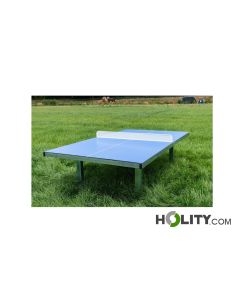
H949_03 table tennis table in HPL and galvanized steel (274x152.5 cm). Vandal-proof and inclusive structure, ideal for parks, schools and outdoor urban areas.
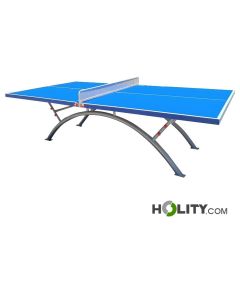
Outdoor ping pong table in SMC and galvanized steel. Dimensions 2740x1525 mm. Anti-vandal structure certified for public use and parks.
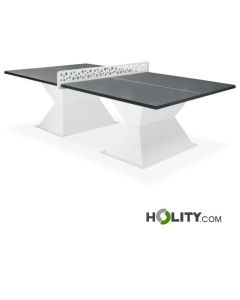
Outdoor ping pong table in composite material with 35 mm top, anchorable anti-vandal structure and compliant with PMR accessibility standards.
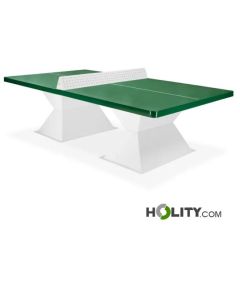
Outdoor table tennis table in composite material with 60 mm top, EN 15-312 certified and wheelchair accessible.
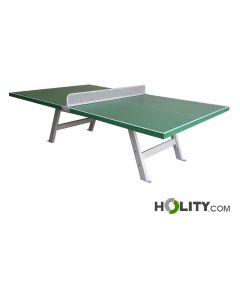
Fixed outdoor table tennis table in SMC and galvanized steel. Dimensions 2740x1525 mm. Professional anti-vandal structure with low maintenance.
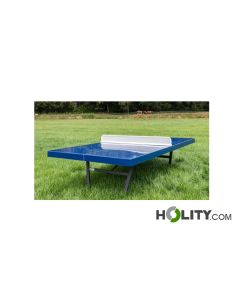
Urban furniture ping pong table in steel-fiber (18mm) with anti-graffiti finish. UNE EN certified for public parks and schools. Fixed dimensions.
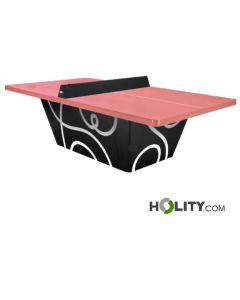
Outdoor table tennis table in composite material and galvanized steel. Dimensions 2.74x1.52 m, vandal-proof structure compliant with EN 15-312 and PRM accessible.
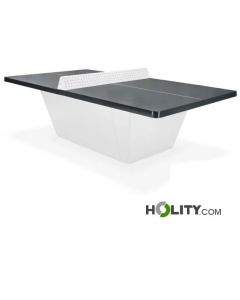
Outdoor ping pong table in galvanized steel and composite material (2.74x1.52 m). Fixed anti-vandal structure, accessible to users with disabilities.
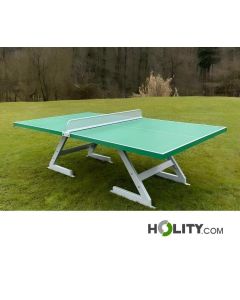
Outdoor ping pong table in reinforced SMC (50mm) and galvanized steel. Dimensions 2740x1525mm. Vandal-proof fixed structure for intensive use.
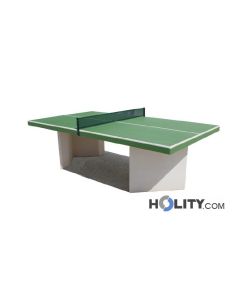
Concrete Ping Pong table for outdoors and playgrounds. Top color: green. Dimensions: L274xW152.5xH76 cm
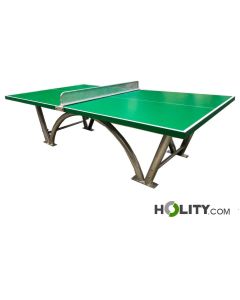
Vandal-proof outdoor ping pong table in reinforced SMC and galvanized steel. Regulation dimensions, high resistance, and zero maintenance.
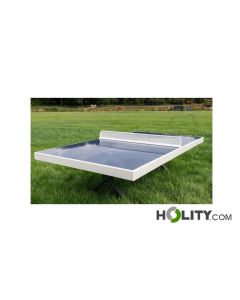
Outdoor ping pong table in reinforced fiberglass (FRP) and steel. Regulation dimensions, 38 mm anti-vandal top and I.T.T.F. certified.
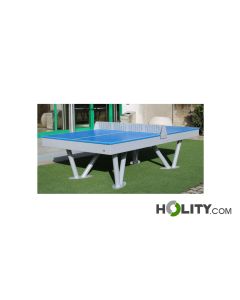
Outdoor steel ping pong table. Dimensions: W. 275.2 x D. 152.5 x h. 75.6 cm.
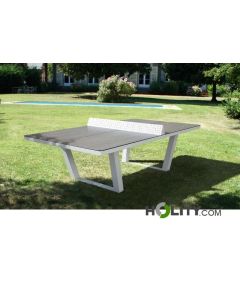
Outdoor ping pong table in HPL and steel (274x152 cm). Modern design, vandal-proof net, and PRM accessible structure for universal inclusivity.
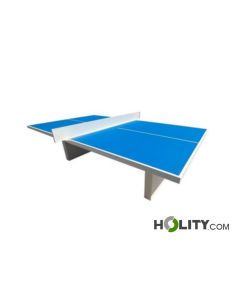
Ping pong table for playgrounds or public parks. Concrete structure. Dimensions: L152.5 x D274 x H76 cm
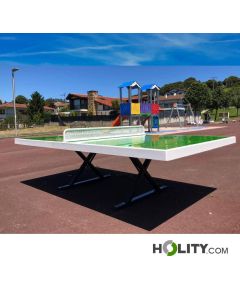
Outdoor ping pong table H939_01 in fiberglass and galvanized steel. Regulation dimensions, vandal-resistant structure and accessible for disabled people.
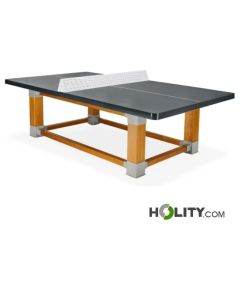
Outdoor table tennis table in 60mm composite material and wood, 2.74x1.52m. PRM accessible with integrated anti-vandal net and rust-proof hardware.
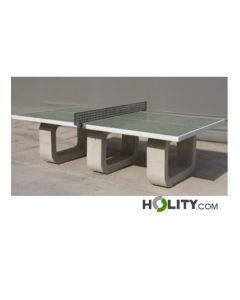
Professional concrete ping pong table for parks, 274x152.5x76 cm. Solid and weather-resistant structure for urban furniture.
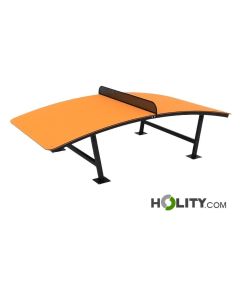
Curved Teqball table in galvanized steel and HDPE. Dimensions 294x152 cm. Anti-vandal structure and certified for public use in parks and schools.
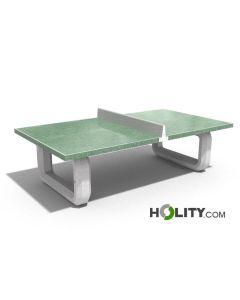
Table tennis table for recreational areas in fiber cement in two color variants. Dimensions: h 76 x w 274 x D 152.5 cm.
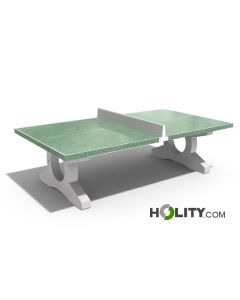
Outdoor ping pong table with concrete structure. Dimensions: h 76 x w 274 x D 152.5 cm.
Playground ping pong tables represent a fundamental recreational solution in public and private leisure spaces. These furnishings combine structural strength, safety in use, and compliance with international standards, allowing communities and administrations to offer accessible sports activities to everyone. Choosing the right table requires understanding the technical characteristics, the materials used, and the installation environment.
An outdoor ping pong table must withstand continuous stress from intensive use, weather variations, and potential vandalism. The construction quality and the selection of the tabletop material directly determine the durability and playing performance of the product. The regulation dimensions (274 x 152.5 x 76 cm) remain the international standard, ensuring compatibility with official competitions and user expectations.
Integrating ping pong tables into public recreational spaces generates tangible benefits for local communities. These furnishings promote physical activity, stimulate social interaction, and offer free or low-cost entertainment. For administrations, they represent a lasting investment as their resilience allows for years of operation with minimal maintenance. The versatility of use allows the furniture to be adapted to different age groups and skill levels, from informal play to amateur competitive practice. From an aesthetic point of view, well-designed tables improve the visual appeal of parks, making them more attractive to families, young people, and athletes.
In school and community contexts, ping pong is an inclusive sport that reduces barriers to access compared to other disciplines. A table installed in a public space generates positive dynamics by reducing sedentary behavior and creating social opportunities. The robust construction of an outdoor table also means investment protection: anti-vandalism and anti-graffiti materials keep the furniture in acceptable condition despite intensive use and exposure to the elements.
The market offers several types of outdoor ping pong tables, each optimized for specific needs. Tables with an SMC (Sheet Molding Compound) top represent the balance between robustness and playing performance, offering a scratch-resistant and moisture-resistant surface. HPL (High Pressure Laminate) models maintain excellent playing characteristics and resist UV rays well. Variable-thickness sandwich composite material tables (40-60 mm) guarantee stability and durability, while concrete ones represent the most permanent solution, ideal for fixed installations in high-traffic public parks.
The supporting structure varies between galvanized steel, painted steel, treated wood, and reinforced concrete, each with specific advantages. Galvanized steel offers corrosion protection with reduced maintenance; concrete ensures absolute stability and immobility; wood provides a warmer aesthetic but requires periodic treatment. Some models include solid steel or coated fiber nets, trapezoidal legs for greater stability, and impact-resistant finishes on edges and surfaces. The choice depends on the context: a high-density public park benefits from concrete structures, while a smaller community space may opt for steel-fiber composites.
Selecting the appropriate ping pong table begins with an assessment of the environment. Expected frequency of use, potential number of users, direct exposure to rain and sun, proximity to sources of vandalism, and available space should all be considered. A park with unlimited public access frequented by teenagers requires priority protection from vandalism: in this case, anti-graffiti, impact-resistant, and anti-corrosion tables are sensible investments. If the space primarily accommodates families and children, structural safety becomes the priority, requiring rounded corners, protective nets, and absolute stability.
Common mistakes include underestimating climate exposure, choosing tops that are too thin and warp under weight, ignoring ground anchoring requirements, and not considering future maintenance. A table made of fragile material in a park subject to vandalism will quickly turn into unusable furniture, nullifying the investment. Models with reduced top thickness (40 mm) are suitable for protected environments or controlled use, while 60 mm models are more versatile in high-stress contexts. Dimensions must respect regulatory standards to ensure a consistent playing experience and compatibility with standard equipment (paddles, balls). Finally, check the availability of spare parts and the manufacturer’s reputation for after-sales technical support.
Ping pong tables for public spaces must comply with international safety standards, in particular the EN 14974 and EN 15330 directives governing sports equipment in open environments. These standards establish requirements for structural stability, the absence of sharp or dangerous elements, impact resistance, and material durability. Regulation dimensions according to the ITTF (International Table Tennis Federation) are 274 cm in length, 152.5 cm in depth, and 76 cm in height, with a minimum tolerance for inclusive variants (some models reach 97 cm in height for wheelchair accessibility). The playing surface must maintain specific friction and bounce coefficients, verifiable through tests with a regulation ball.
Regarding structural safety, tables must resist concentrated loads (simulated sudden movement tests) and distributed loads (weight of people sitting on the top). Ground anchoring is mandatory in many administrations to prevent tipping. Materials must be free of toxic substances, especially if intended for spaces frequented by minors. The steel used must be certified for outdoor use (hot-dip galvanization complying with EN ISO 1461). Wood, if present, must have long-lasting anti-fungal and anti-insect treatment. The net must be resistant to UV aging and fraying. CE compliance documentation and laboratory certificates must accompany the product, guaranteeing traceability and manufacturer responsibility.
Explore all the products in the category and compare the available solutions to find the one best suited to your operational context. Evaluate materials, dimensions, protection levels, and technical specifications based on your durability and safety needs.
Outdoor tables are built with weather-resistant materials (galvanized steel, SMC, concrete), anti-vandalism structures, and anti-graffiti finishes. Indoor tables use more delicate wood and cannot withstand rain or humidity variations. Outdoor models tolerate UV, extreme temperatures, and the intensive use typical of public parks.
SMC and HPL offer a balance between playing performance and durability. Concrete is more resistant but less elastic in its bounce. Sandwich composite material guarantees structural rigidity without deterioration. Choose based on intended use: competitive (HPL), high-traffic public (SMC), or permanent (concrete).
Prices range from 1,200 euros for entry-level composite models up to 8,000+ euros for large concrete or fiber-cement tables. Steel and HPL tables are positioned in the 2,000-3,500 euro range, representing the best value for money for public parks.
Standard ITTF dimensions are 274 cm length, 152.5 cm depth, and 76 cm height. Some inclusive models reach 97 cm in height for wheelchair access. These proportions ensure compatibility with standard balls and paddles and compliance with official competitions.
Choose tables with anti-graffiti, impact-resistant, and anti-corrosion finishes. Galvanized steel resists rust; concrete is invulnerable. Install the table on a firm base and anchor it if possible. Plan periodic maintenance (cleaning, structural inspection). Models with a solid steel net limit damage to equipment.
Yes, outdoor tables are designed for direct exposure to rain, sun, and wind. However, partial protection (a light roof) extends the product’s life and improves user comfort. Continuous UV exposure accelerates the aging of certain materials; SMC and concrete resist better. Secure ground anchoring is essential.
Maintenance varies by material. Composite surfaces require regular cleaning and crack monitoring. Steel needs inspection of the galvanization and rust treatment if visible. Concrete requires almost no intervention. Check net stability and ground anchoring every 6-12 months. Keep the surrounding area free of debris.
If space is limited, opt for compact models or check if scaled (non-standard) versions are available. However, the regulation dimensions of 274x152.5 cm are already the optimal minimum for play. Alternatively, consider teqball tables which take up less depth while maintaining adequate playing height.
 English
  Italian
 French
 German
 Spanish