
mon-fri 9-13 / 14.30-18.30
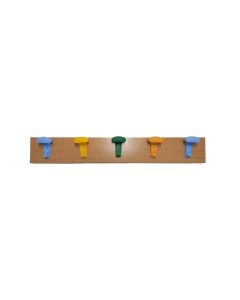
Straight clothes hanger strip in 20mm melamine-faced conglomerate, beech color, 5 plastic hooks, wall mounting. Dim. 100x13cm.
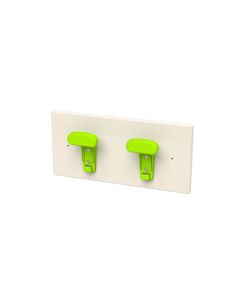
School coat rack with 2 hooks in FSC wood (36x16 cm). Ecological milk white structure compliant with CAM requirements for educational environments.
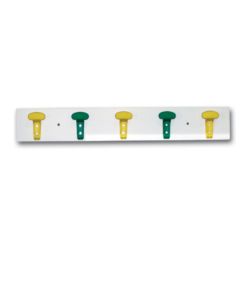
Wood conglomerate coat rack for preschools, 100x15 cm, 5 colored PVC hooks, wall mounting.
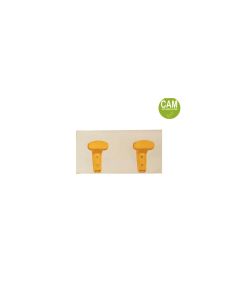
2-hook nursery school coat rack in class 1 fire-retardant melamine, W36xH17 cm. Sturdy and safe birch structure for corridors and school classrooms.
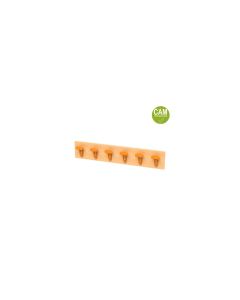
6-seat nursery coat rack in ecological wood conglomerate, dimensions 96x16 cm, high-resistance orange hooks and FSC certification.
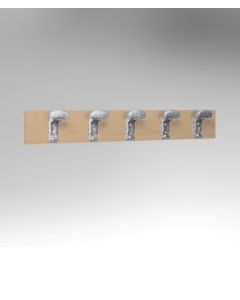
Wall-mounted coat rack for kindergartens with beech melamine panel, 5 polypropylene hooks and dimensions 92x12 cm for backpacks and jackets.
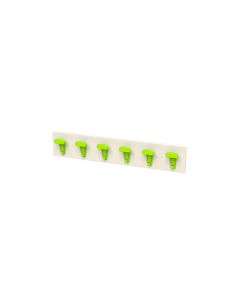
6-seat school coat rack in FSC ecological wood, length 96 cm. CAM certified for public supplies and nurseries with heavy-duty hooks.
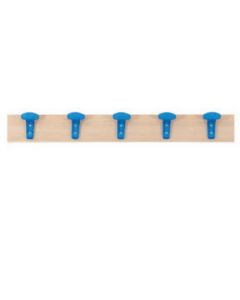
Wall-mounted coat rack for preschools in melamine with 5 anti-trauma plastic hangers, length 100 cm, ideal for compact educational spaces.
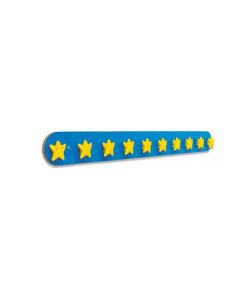
Blue MDF coat rack for nursery/kindergartens, 124x4x12 cm, 10 yellow star hangers, rounded corners.
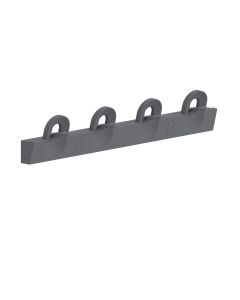
4-seater coat rack in colored polypropylene, length 50 cm, with rounded corners for maximum safety in nurseries and kindergartens.
Wall-mounted 10-hook coat rack for kindergarten in eco-friendly FSC wood and plastic. Length 150 cm, compliant with CAM criteria for school furniture.
Wall-mounted nursery coat rack with 6 hooks in fire-retardant melamine and birch, L. 105 cm. CAM certified structure for maximum school safety.
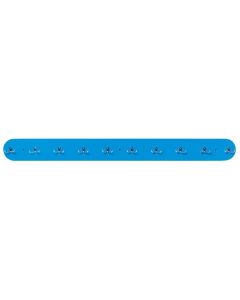
Blue laminated MDF coat rack for nursery school, 124 cm, 10 double metal hangers, rounded corners.
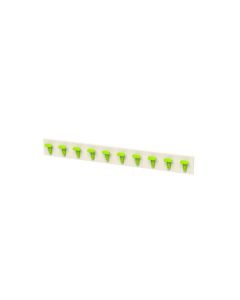
Wall-mounted coat rack in FSC wood, length 150 cm with 10 places, CAM certified for the sustainable furnishing of preschools and primary schools.
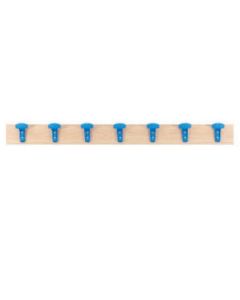
Wall-mounted coat rack for nursery school in melamine, 7 places with safety plastic hooks, W 115 cm. Space-saving solution without sharp edges.
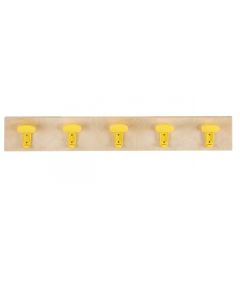
5-place wooden coat rack for school environments. Dimensions L100 x D1.5 x H15 cm. Essential and robust design, compliant with standards for schools, nurseries, and playrooms.
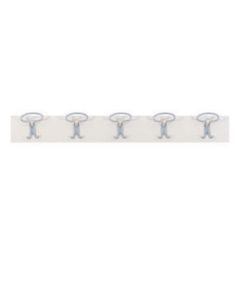
Wall-mounted coat rack for children with 5 places, melamine board and metal hangers. Length 100 cm, ideal for optimizing small spaces.
Wall-mounted coat rack for preschools in class 1 fire-retardant melamine, 10 hooks, birch finish with orange hooks. Compliant with CAM regulations.
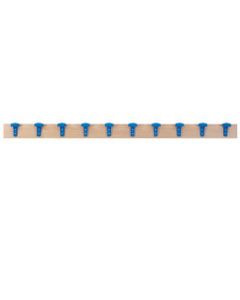
10-place wall-mounted coat rack for kindergartens in melamine and plastic. Length 200 cm, ideal for organizing spaces with maximum safety.
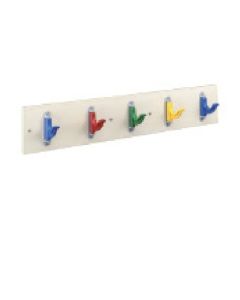
Wall-mounted coat rack h908_194 in melamine, 5 places with folding plastic hangers, W 100 cm. Safety and optimization for preschools.
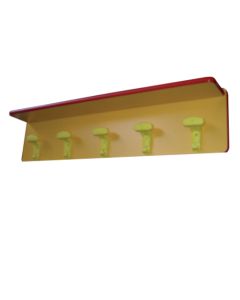
Wooden coat rack for kindergartens with 5 PVC hooks, rounded rubber edges, wall-mounted. Dimensions 100x20x25 cm.
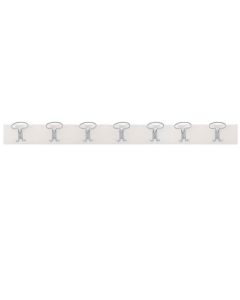
Wall-mounted coat rack for kindergartens in melamine and metal. Length 115 cm, 7 places, ideal for optimizing space in classrooms.
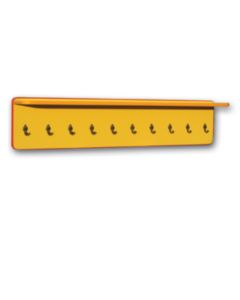
Wooden coat rack board 10 seats with shelf and rounded rubber edging, for schools and collective environments.
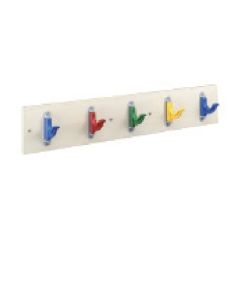
Wall-mounted coat rack h908_193 in melamine, length 127 cm. Equipped with 7 plastic folding hangers, ideal for safety in kindergartens.
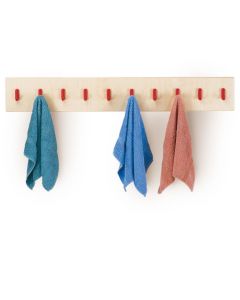
Wooden coat rack with 10 slots for nurseries and playrooms. Dimensions 100×1.5×15 cm, robust and made with high quality materials.
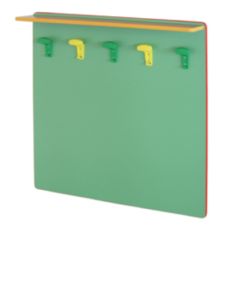
Wooden wall-mounted coat rack for children with rounded edges, 5 colored PVC hooks and shelf, 100x20x100 cm.
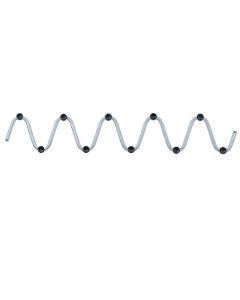
Wall-mounted "S" model metal coat rack, 10 positions, 131x22 cm. Organizational solution for preschools and kindergartens, wall mounting.
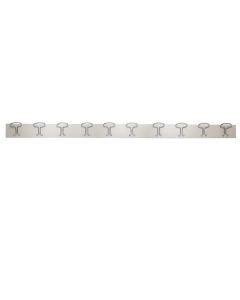
Children’s coat rack h908_195 in melamine and metal, length 200 cm, 10 places. Space-saving wall-mounted solution for schools and nurseries.
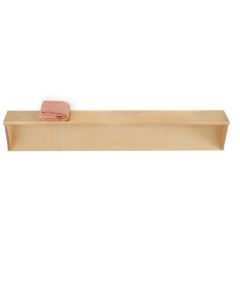
Wooden shelf for nurseries and kindergartens, W100 x D18 x H18 cm, robust structure for bathrooms and classrooms.
Wall shelf with dividers and 3 star-shaped plastic hangers, melamine-faced wood beech finish, 72x26x21h cm, pencil MDF decoration, rounded corners, safety ABS edges.
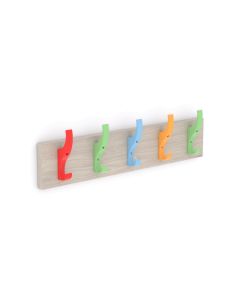
Linear wall-mounted coat rack for nursery school h979_41 in 19 mm thick melamine with Oasis Oak finish. Equipped with 5 multicolor unbreakable nylon double hooks with a concealed fixing system.
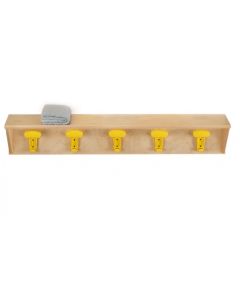
Wooden coat rack with 5 hooks and shelf for kindergartens and nursery schools. Dimensions W100 x D18 x H18 cm.
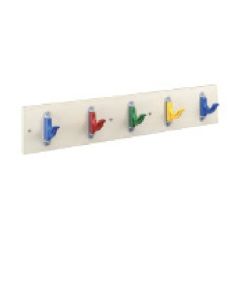
Wall-mounted coat rack h908_192 in melamine with 10 space-saving folding hangers. Length 200 cm, ideal for safety in kindergartens.
Pencil-shaped coat rack in laminated MDF with 4 hangers. Rounded corners, ABS edges. Dimensions 60x66xh.21 cm. Ideal for preschools and nurseries.
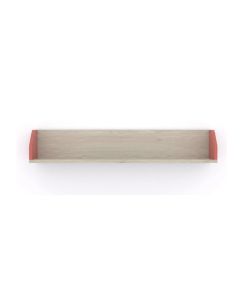
Wall-mounted shelf for nursery school h979_40 in 19 mm thick melamine, Oasis Oak finish. Equipped with rounded external corners and protective side panels. Dimensions: 120 x 20 x H 20 cm.
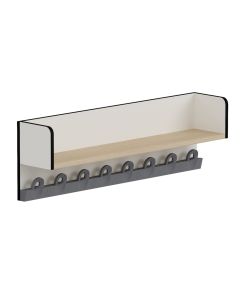
100 cm polypropylene coat rack for kindergartens, equipped with 8 double hooks and top shelf, supplied fully assembled.
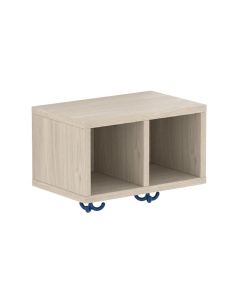
Wall-mounted coat rack for preschool h979_38 in 19 mm thick melamine, Oasis Oak finish. Equipped with 2 open compartments and 2 triple rotating hooks in Blue RAL 5002 with safety release. Dimensions: 40 x 25 x H 22 cm.
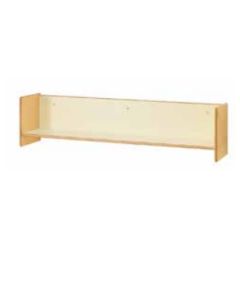
Wooden shelf for nursery school, 120x26x33 cm, with side panels and pre-drilled holes for wall mounting.
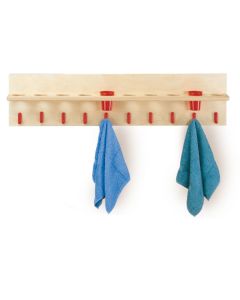
Wooden towel rack with cup holder shelf, 10 slots. Dimensions: L100 x D10 x H24 cm. Ideal for bathrooms in schools, playrooms and kindergartens.
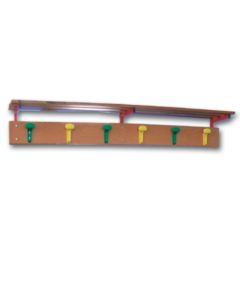
Wooden wall-mounted coat rack for children, 6 PVC hangers, integrated shelf. Dimensions 200x30x30 cm.
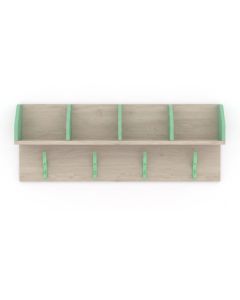
Wall-mounted open locker h979_39 in 19 mm thick melamine, Oasis Oak finish. Equipped with 4 upper compartments and 4 double hooks in unbreakable nylon with a 40 kg load capacity.
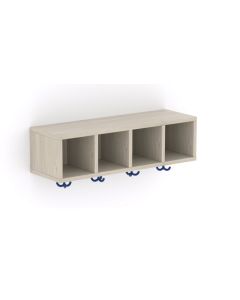
Wall-mounted coat rack for nursery h763_74 in 19 mm thick melamine with Oasis Oak finish. Equipped with 4 rotating triple polyamide hooks in Blue RAL 5002 with safety release system.
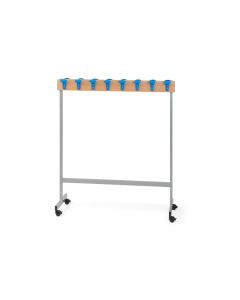
Mobile A-frame coat rack for nursery schools in metal and melamine. 16 double-sided spaces, W.134xD.50xH.150 cm, structure on wheels.
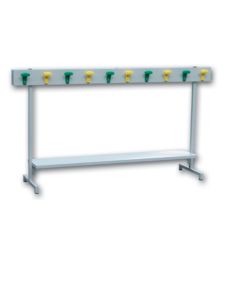
Freestanding children’s coat rack in steel and sheet metal, 20 colored PVC hangers, backpack shelf, 200x30x150 cm.
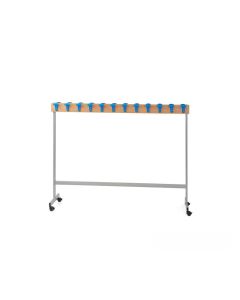
A-frame coat rack on wheels in metal and melamine, 200x50x155 cm. 24-place capacity with hangers included for schools, gyms, and communal areas.
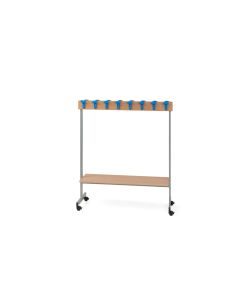
A-frame coat rack for preschool, 16 places, metal and melamine structure, 134x50x150 cm, with bottom shelf and swivel wheels.
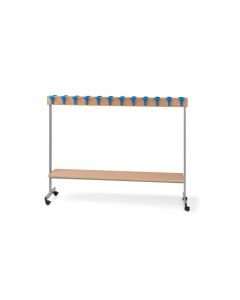
Metal and melamine easel-style coat rack for schools, 24 positions with hangers and bottom shelf on wheels. Dimensions 200x50x155 cm.
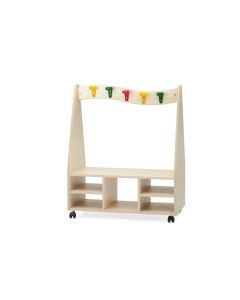
Trolley coat rack for kindergarten h908_44, 10 double-sided spaces with open compartments, dimensions 100x45x120 cm, mobile base on wheels.
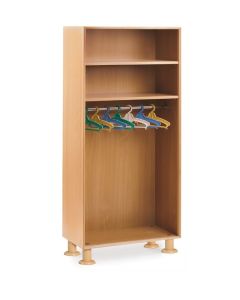
Wooden nursery school coat rack cabinet with open compartment, rounded frame and plastic feet. Dimensions 75x40xh.162 cm.
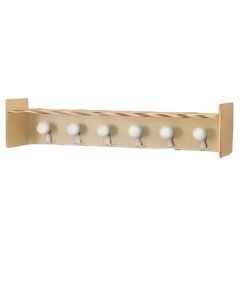
6-place coat rack shelf in birch plywood and HPL (120x26 cm). Fireproof finish and rounded edges for maximum safety in kindergartens.
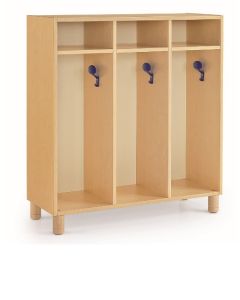
Wooden locker cabinet for nurseries and kindergartens, 3 compartments with 6 hooks, rounded edges, 104x41x114 cm.
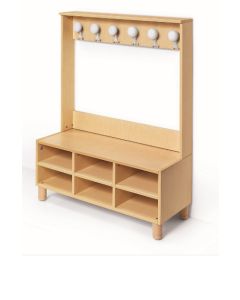
6-seater coat rack with bench in birch/larch melamine, 6 open cubbies and plastic hangers. For nurseries, preschools, playrooms. 104x41x132 cm.
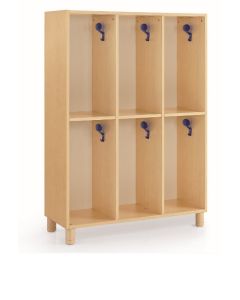
Wooden coat rack wardrobe for nursery schools and kindergartens. 6 compartments with 12 hangers, stable and safe structure. Dimensions 104x41x148 cm.
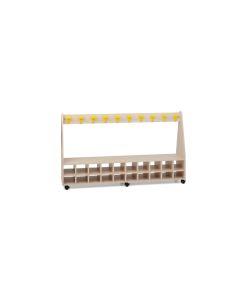
Double-sided mobile coat rack in beech melamine, 20 spaces with hangers and open compartments on wheels, ideal for organization in nurseries.
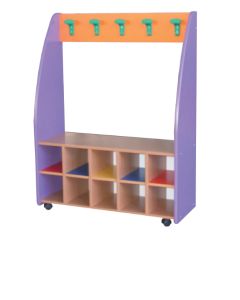
Nursery school coat rack with colorful design, 10 hooks and 20 shoe compartments, wood conglomerate structure with rounded ABS edges, 200x40x46 cm.
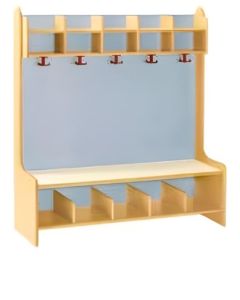
5-seater changing room bench in birch plywood (120x35x132 cm) with rounded edges and raised base for safety in nursery schools.
The welcome area in a nursery or kindergarten represents the first daily point of contact between the child, the family, and the school institution. Setting up an organized environment through adequate coat racks and shelves for preschools is not just a logistical necessity, but a pedagogical choice that facilitates the transition ritual and the acquisition of initial autonomy. When a child has a dedicated, easily identifiable, and reachable spot to store their backpack or jacket, they perceive a sense of belonging and respect for their personal items, which are core elements for peaceful and conscious growth.
Professional entrance furniture solutions must combine superior structural resistance with a design that eliminates any potential risk of injury. Unlike common furniture accessories, coat racks for children's communities are designed with anti-trauma hooks, anti-tip structures, and heights studied to allow young users to operate without constant adult intervention. The use of certified materials and easy-to-sanitize surfaces ensures that these high-traffic areas, subject to external elements, always maintain an excellent standard of cleanliness and decorum, resisting prolonged wear over time.
Investing in specific coat racks and shelves for the school sector ensures indispensable passive safety in environments where children's liveliness is the norm. Professional coat racks eliminate the danger arising from classic protruding metal hooks, replacing them with rounded knobs or flexible anti-injury hooks that prevent injuries in case of accidental impacts or falls near the structure. Furthermore, the mechanical stability of these solutions is tested to withstand unbalanced loads, preventing the weight of wet winter coats or heavy backpacks from causing detachment from the wall or tipping of the units.
In addition to the protective aspect, these furnishings greatly facilitate the daily management of space by teaching staff. Strategically placed shelves allow items requiring adult supervision, such as medications, communications for parents, or specific teaching materials, to be kept out of children's reach, while keeping the environment visually open and airy. The use of birch plywood or water-repellent melamine panels ensures that humidity brought in by outdoor clothing does not damage the furniture structure, preventing swelling or mold. Choosing technical products therefore means ensuring efficient reception that lasts over time, drastically reducing maintenance and replacement costs.
The range of solutions for organizing outerwear adapts to every architectural configuration of the school building. Wall-mounted coat racks represent the ideal solution for narrow corridors, as they exploit verticality without cluttering the passage; they are often integrated with an upper hat shelf and a lower drawing-hanging bar. For larger classrooms or dedicated changing rooms, column solutions or self-supporting modules offer superior versatility, as they can also be positioned in the center of the room to create guided entry and exit paths.
Very common are cloakroom benches with integrated shoe racks, which combine three functions in a single module: facilitated seating for changing shoes, a lower compartment for dirty footwear, and upper hooks for jackets. These furniture pieces are often equipped with individual compartments that can be personalized with the child's name or symbol, strengthening spatial orientation. Shelves, on the other hand, range from simple models with protective edges to real suspended wall bookcases, designed to withstand heavy weights and finished with scratch-resistant non-toxic paints, available in natural tones or stimulating primary colors.
The selection of welcome area furniture must begin with an accurate calculation of the ratio between the number of pupils and the available linear space, ensuring that each child has their own vital space without clothing overlapping excessively, which promotes hygiene. It is fundamental to evaluate the installation height: for nursery sections, hooks should be positioned between 80 and 90 cm from the ground, while for kindergarten, they can reach 100-110 cm. A common mistake is choosing shelves that are too deep in narrow corridors, creating dangerous obstacles at head height for adults or running children.
Another decision criterion concerns the type of anchoring: if the walls are plasterboard, it is preferable to opt for modules that rest on the ground (such as benches with coat racks) to transfer the weight to the floor and use the wall only as a stabilizer. Ease of cleaning is equally critical: laminated surfaces or those treated with water-based polyurethane paints allow for quick removal of dust and dirt with a simple damp cloth. Finally, it is advisable to prefer modular systems that allow for the addition of new units in the future, ensuring that the aesthetics of the entrance area remain consistent and professional even if the number of enrolled students increases.
Coat racks and shelves for school use must comply with general regulations on the safety of furniture for the community, with particular reference to the prevention of mechanical risks. Hooks must be free of sharp points and designed not to cause eye or skin injuries in case of accidental impact. For suspended shelves, fastening systems must be oversized to resist improper traction, such as when a child attempts to hang from the shelf. Regulations also mandate the use of materials with low emission of volatile substances (Class E1) and non-toxic surface treatments certified according to the EN 71-3 standard.
The stability of floor-standing furniture is regulated by rigorous tests simulating lateral pushes, ensuring that the furniture does not tip over even if roughly handled. In public buildings, it is also required that materials have adequate fire resistance characteristics, especially if positioned along escape routes such as corridors and lobbies. School managers have the responsibility to periodically check the integrity of the fixings and the conservation status of the surfaces, ensuring there are no splinters or loose screws. Always requesting the manufacturer's declaration of conformity is the only way to ensure that the reception environment fully respects the safety and health protocols provided for minors.
Explore all products in the category and compare the available solutions to find the one best suited to your operational context.
The recommended height for coat hooks varies based on the age of the children. For nurseries, a height of about 80-85 centimeters from the ground is recommended, while for kindergartens, the ideal height is between 100 and 110 centimeters. This allows children to hang and take their own clothes independently, promoting motor independence.
A safe hook must be made of flexible plastic material or wood with broadly rounded shapes (knobs). It must be free of metal points or edges that could cause trauma in case of impact. The best models are designed to deform or release under excessive weight, preventing accidental injuries during games in the corridor.
Benches with integrated coat racks offer a multifunctional solution that organizes space neatly. They allow the child to sit comfortably to change shoes, have a lower compartment for footwear, and upper hooks for coats, reducing clutter in the reception area and facilitating entry and exit operations.
Shelf stability is guaranteed by the use of reinforced support brackets and anchoring systems certified for the type of wall (masonry or plasterboard). It is essential never to overload the shelves beyond the limit indicated by the manufacturer and to periodically check that the fixings have not loosened due to vibrations or daily use.
Yes, all professional children's furniture must use materials compliant with class E1 for formaldehyde and certified non-toxic paints. This ensures that no harmful substances are released into the school air and that direct contact with surfaces is safe even for the youngest children who tend to explore objects with their hands.
The choice depends on the available space. Wall-mounted coat racks are ideal for optimizing corridors and narrow passage areas. Freestanding or column solutions are instead perfect for large lobbies or changing rooms where it is necessary to create central reception islands, provided they are equipped with weighted bases or anti-tip systems.
 English
  Italian
 French
 German
 Spanish