mon-fri 9-13 / 14.30-18.30
Medical furniture represents a fundamental component in healthcare environments, from the organizational structure of the space to the patient experience and the operational efficiency of the staff. Hospitals, clinics, surgeries, and nursing homes require specifically designed furniture solutions to meet rigorous hygiene standards, safety regulations, and complex ergonomic needs. The quality and functionality of the furniture directly affect the quality of healthcare performance, workflow management, and the well-being of patients and healthcare professionals.
Choosing appropriate medical furniture is not a purely aesthetic or comfort issue: it represents a strategic investment in operational continuity, the prevention of hospital-acquired infections, and compliance with international health legislation. Every element, from storage systems to ward structures, must integrate into a coherent ecosystem where hygiene, functionality, and durability coexist according to recognized protocols.
Specialized medical furniture offers concrete benefits that do not emerge from generic office furniture. Resistance to aggressive detergents, ease of sanitization, and construction in non-porous materials are indispensable features in environments where microbiological control determines patient safety. A hospital trolley is not simply a piece of furniture with wheels: it must guarantee stability under load, compatibility with ward standards, facilitate the transport of delicate instrumentation, and allow for complete cleaning in seconds. Similarly, medical ward beds integrate adjustable positioning systems, safety rails, medical fluid outlets, and treated surfaces to minimize bacterial adhesion.
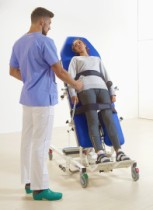
From an organizational point of view, well-dimensioned medical furniture reduces room preparation times, improves resource accessibility, and contributes to more efficient space management. In contexts where healthcare staff are subjected to intense workloads, elements such as ergonomically designed bathroom aids or medical cabinets with cataloging systems reduce physical fatigue and operational errors. Comfortable ward structures positively impact the speed of patient recovery, an aspect increasingly recognized by modern clinical research.
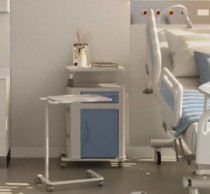
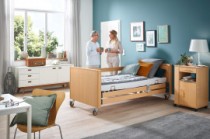
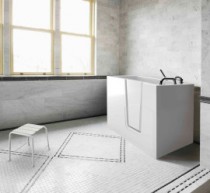
The offer of medical furniture is divided into functional categories that respond to specific environmental needs. Hospital trolleys include solutions for the transport of instrumentation, medicines, linen, and waste, differentiated by load capacity and shelf configuration. Bathroom aids include shower chairs, adjustable stools, support bars, and patient lifting systems designed to facilitate autonomy and prevent accidental falls. Ward furniture ranges from manual or electric hospital beds to medical bedside tables, from safety rails to specialized lighting systems that allow for continuous patient monitoring.
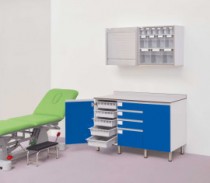
Outpatient technical furniture constitutes a distinct category, designed for diagnostic and operating environments where practical access to materials and space configurability play a critical role. These include medical record cabinets, filing cabinets in compliance with privacy regulations, dental seating, chairs for diagnostic procedures, and modular storage systems. Some furniture is configured with integrated power supply to support biomedical instrumentation, while others are characterized by lightweight and easily mobile structures, suitable for clinics that require flexibility in space organization. The choice between fixed, mobile, or semi-mobile solutions depends on the type of healthcare facility and the volumes of users managed.
The selection of medical furniture requires a preliminary assessment of the operating context and applicable regulatory constraints. Fundamental is identifying the specific healthcare sector: a public hospital, a private nursing home, a single-specialty surgery, and a veterinary clinic have very different needs. Subsequently, it is necessary to quantify the expected volumes of use, available space, and allocated operating budget. A recurring error is underestimating the need for load capacity: an undersized trolley leads to many additional trips, reducing efficiency, while an oversized choice impacts the already limited space of the facility.
A further decision criterion concerns materials and finishes: stainless steel represents the standard for environments with high potential contamination, while light anodized alloys may be sufficient for clinics with low sanitization intensity. Height adjustability, controlled mobility (swivel vs. fixed wheels), and the availability of modular accessories affect versatility of use and the longevity of the investment. Consulting the healthcare staff who will use the furniture is a frequently overlooked but extremely useful practice: operators and nurses will quickly identify ergonomic incompatibilities or functional limits that do not emerge from a purely technical evaluation.
Medical furniture must comply with a series of international and national regulations that guarantee the safety of patients and staff. The EN 12820 standard specifically regulates hospital beds, defining requirements for stability, mechanical strength, and compatibility with patient handling systems. EN 1642 establishes the design and safety criteria for medical trolleys, while EN 13732 concerns aids for people with disabilities. CE compliance is mandatory for many furniture items considered medical devices or devices for the assistance of disabled people. European regulations are joined by national requirements, defined in Italy by Legislative Decree 37/2010 for distribution systems and by Inail standards for accident prevention.
Critical aspects frequently underestimated concern microbiological contamination control, fire behavior, and compatibility with sterilization systems. The materials used must withstand repeated cycles of sanitization with alkaline, acid, and chlorine-based detergents without degrading. Porous surfaces or those with cracks are explicitly prohibited to prevent the proliferation of bacteria and the formation of biofilm. The technical documentation of the product must include certification data, chemical safety sheets for surface treatments, and detailed maintenance instructions to ensure that the furniture maintains its safety characteristics over time.
Explore all the products in the category and compare the available solutions to find the one best suited to your operational context. Carefully evaluate the technical specifications, consult healthcare staff, and ensure that the selected furniture fully complies with the regulations in force in your sector.
Medical furniture is specifically designed for healthcare environments with non-porous materials, resistant to aggressive detergents and frequent sanitization. Unlike common furniture, it must comply with international standards such as EN 12820 for beds and EN 1642 for trolleys, and be easily disinfectable. It also incorporates ergonomic and safety features dedicated to the management of patients and biomedical instrumentation.
Stainless steel represents the standard for high-contamination environments such as hospitals and operating rooms, thanks to its corrosion resistance and sterilizability. Anodized aluminum alloys are suitable for outpatient clinics and surgeries with low sanitization intensity. Medical laminated wood can be used in administrative offices. The choice depends on the expected volume of use and your facility’s disinfection protocols.
Manual beds require repeated physical effort from the staff and involve ergonomic risks; motorized ones allow precise patient positioning, reduce injuries, and improve comfort. Considering the prolonged hospital stay in many facilities, motorized beds represent a more cost-effective investment in the long term, although they involve higher initial costs.
Evaluate the average weight of the materials the trolley will have to transport daily (instrumentation, medicines, linen, waste) and add a safety margin of 20%. The technical documentation for each trolley specifies the maximum permitted load. An undersized trolley causes multiple trips and reduces efficiency; an oversized one occupies critical space in wards or storage areas.
Check for CE compliance, the EN 12820 standard for beds, EN 1642 for trolleys, and EN 13732 for disability aids. Request certification for fire resistance and chemical behavior. In Italy, we also recommend compliance with Legislative Decree 37/2010. Always request complete technical data sheets and maintenance instructions from the supplier.
Healthcare professionals spend long hours on their feet and often lift patients manually. Consider height-adjustable work tables and motorized beds, ergonomic handles on trolleys, and mechanical aids for lifting patients. Consult the staff during the selection phase: those who use the furniture daily quickly identify functional limitations and physical risks that do not emerge from purely technical evaluations.
Strictly follow the sanitization instructions provided by the manufacturer: specific detergents, cleaning frequency, and drying methods. The use of unauthorized products can compromise finishes and facilitate corrosion. Periodic checks of mechanical stability, wheels, and adjustment mechanisms prolong the useful life and guarantee safety. Preventive maintenance is more economical than emergency repairs.
Many suppliers offer modular and configurable solutions: trolleys with customizable shelves, beds with optional accessories, cabinets with adjustable dividers. Some facilities require electrical integrations for instrumentation or patient tracking requirements. Clearly communicate your space constraints, operating procedures, and expected volumes: specialized suppliers can propose custom compositions without compromising on regulatory compliance.
 English
  Italian
 French
 German
 Spanish