
mon-fri 9-13 / 14.30-18.30
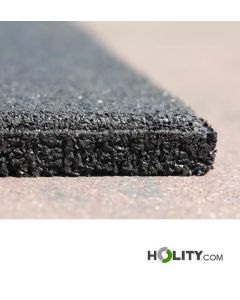
Pack of 8 pieces
€59.04 VAT excl.Safety flooring for sports centers. Material: recycled rubber. Dimensions: 50 x 50 cm.
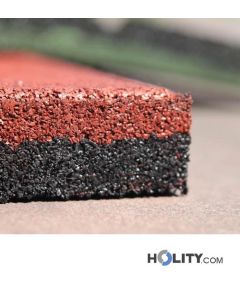
Pack of 8 pieces
€66.00 VAT excl.Safety flooring in recycled rubber granules. Dimensions: 50 x 50 cm. Thickness: 30 mm.
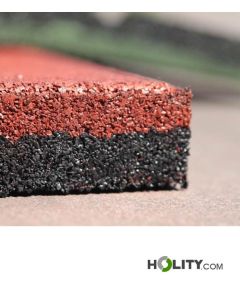
Pack of 8 pieces
€75.04 VAT excl.Safety flooring in recycled rubber granules. Dimensions: 50 x 50 cm. Thickness: 40 mm.
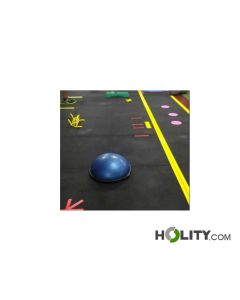
Pack of 4 pieces
€42.12 VAT excl.Indoor anti-trauma flooring composed of recycled rubber granules. Dimensions: 50 x 50 cm.
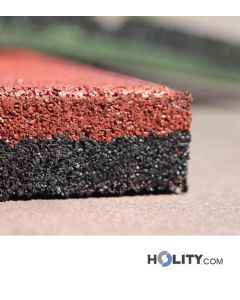
Pack of 8 pieces
€87.04 VAT excl.Anti-shock flooring in recycled rubber. Dimensions: 50 x 50 cm. Thickness: 50 mm.
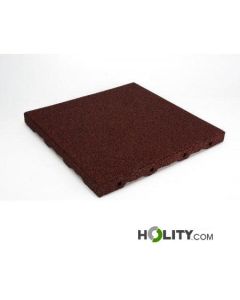
Safety tile for playground. Dimensions: 50x50 cm. Thickness: 3 cm.
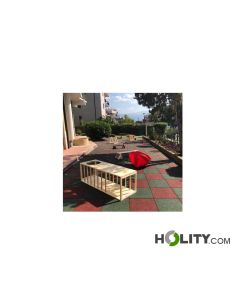
Shock-absorbent flooring for play areas made of recycled rubber granules. Dimensions: 50 x 50 cm.
Shock-absorbing flooring made of recycled rubber granules. Dimensions: 50 x 50 cm.
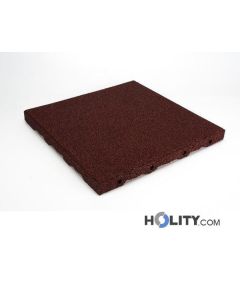
Pack of 4 pieces
€53.64 VAT excl.Anti-trauma tile in recycled rubber. Dimensions: 50 x 50 cm. Thickness: 4 cm.
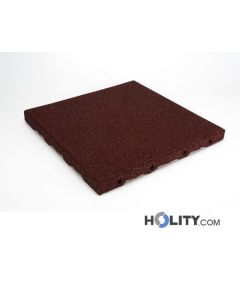
Pack of 4 pieces
€60.76 VAT excl.Safety rubber tile. Dimensions: 50 x 50 cm. Thickness: 5 cm.
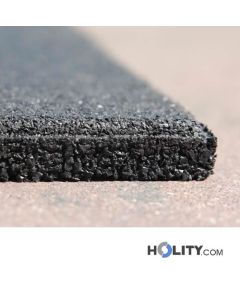
Shock-absorbent flooring for sports facilities. Dimensions: 50 x 50 cm. Available in various thicknesses.
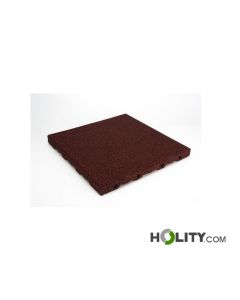
Square anti-trauma tile. Dimensions 50x50 cm. Thickness 7 cm
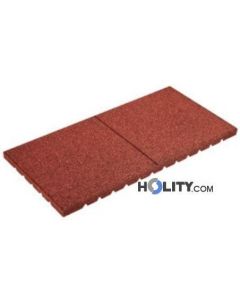
Fall protection safety tiles for playgrounds made from recycled rubber. Width 50 x Length 100. Available in multiple thicknesses.
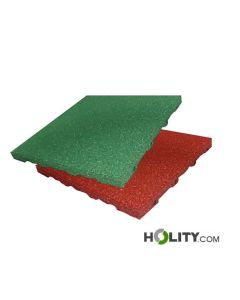
Pack of 2 pieces
€53.62 VAT excl.Outdoor shock-absorbing flooring. Dimensions: L100 x D50. Thickness: 4 cm.
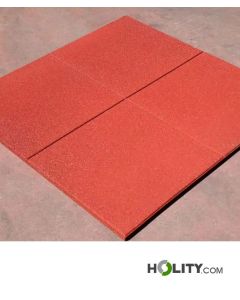
Anti-trauma flooring for outdoor use. Dimensions: 100 x 100 cm. Thickness: 20 mm. Material: recycled rubber.
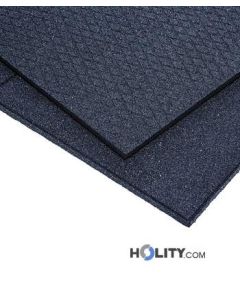
Pack of 2 pieces
€54.00 VAT excl.Shock-absorbing tiles for stables and riding schools. Material: recycled rubber granules. Dimensions: 100 x 100 cm. Thickness: 20 mm.
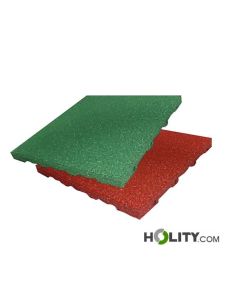
Pack of 2 pieces
€60.78 VAT excl.Safety anti-trauma tile in recycled plastic. Dimensions: W100 x D50 cm. Thickness: 5 cm.
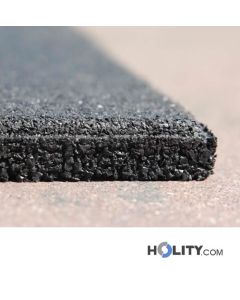
Safety tiles with non-slip surface. Material: recycled rubber granules and powder. Dimensions: 100 x 100 cm. Available in different thicknesses and colors.
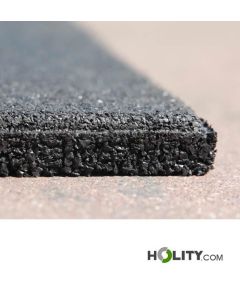
Pack of 2 pieces
€65.00 VAT excl.Safety flooring for weight rooms. Dimensions: 100 x 100 cm. Thickness: 20 mm.
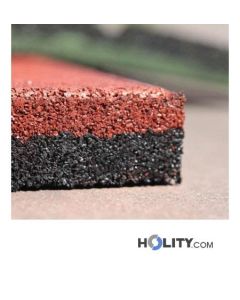
Pack of 2 pieces
€66.00 VAT excl.Shock-absorbing tile for playgrounds. Dimensions: 100 x 100 cm. Thickness: 30 mm.
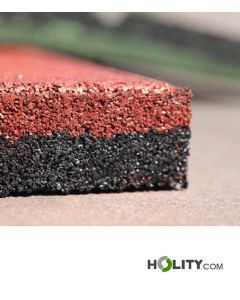
Pack of 2 pieces
€75.00 VAT excl.Anti-trauma flooring for play areas. Material: recycled rubber granules. Dimensions: 100 x 100 cm.
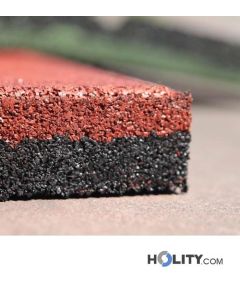
Pack of 2 pieces
€87.00 VAT excl.Anti-trauma flooring in recycled rubber granules. Dimensions: 100 x 100 cm. Thickness: 50 mm.
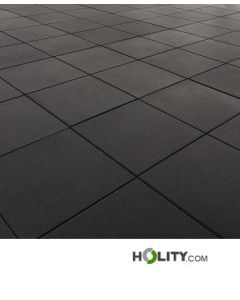
Modular anti-shock tile in recycled rubber granules. Dimensions: 100 x 100 cm. Thickness: 2 cm. Color: black.
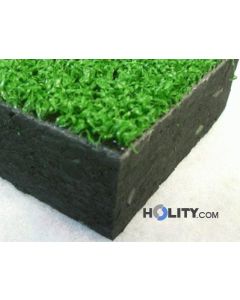
Safety flooring for playgrounds in soft foam rubber with synthetic grass coating. Dim: 98x98 cm. Available in multiple thicknesses
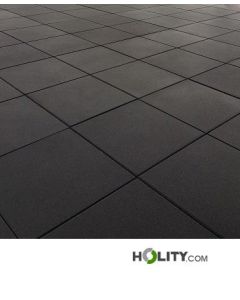
Modular anti-trauma tile in recycled rubber granules. Dim.: 100 x 100 cm. Thickness: 2.5 cm. Color: black.
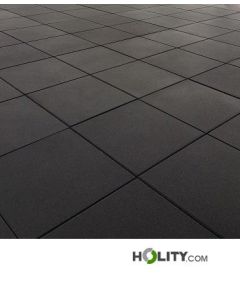
Modular shock-absorbing tile in recycled rubber granules. Dim.: 100 x 100 cm. Thickness: 3 cm. Color: black.
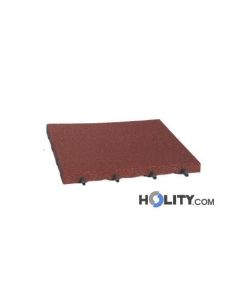
Pack of 10 pieces
€570.00 VAT excl.Shock-absorbent flooring with connector pins. Color: red. Spessore: 40 mm. Dimension: 100 x 50. HIC: 1.5 mt.
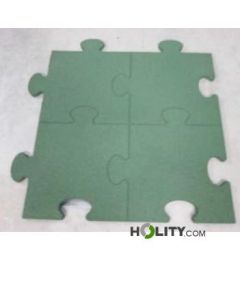
Shock-absorbing tile for playgrounds in recycled rubber. Dimensions: 100 x 100 cm. Thickness: 3 cm. Available in 2 colors.
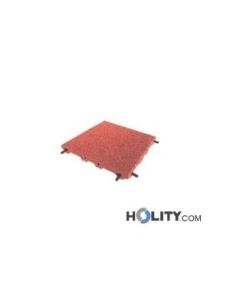
Safety shock-absorbing tile with pins for playgrounds in 100% recycled rubber granulate. Dimensions: 50x50. Available in multiple thicknesses.
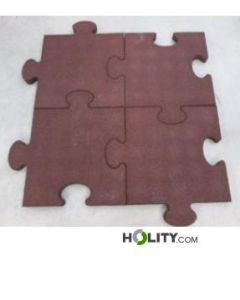
Pack of 4 anti-trauma puzzle tiles in recycled rubber. Dimensions: 50 x 50 cm. Thickness: 4.5 cm. Available in 2 colors.
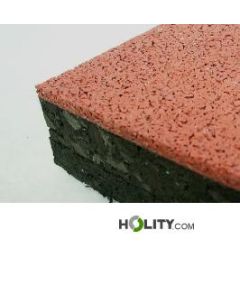
Safety flooring tile in two-layer EPDM rubber, easily assembled. Dimensions: 98x98 cm. Available in multiple thicknesses
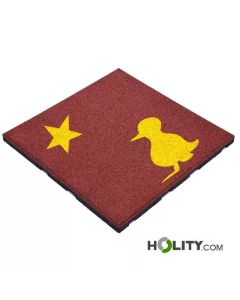
Kit of 12 50x50 tiles: 7 with numbers (from 1 to 7) and 5 with figures.
Anti-shock flooring represents an essential safety solution for environments where the risk of falls and impacts is a primary concern. Made predominantly from recycled rubber granules, this type of flooring absorbs impact energy, significantly reducing the risk of joint and head trauma. The modular tile composition allows for agile installation and simplified maintenance, while the variety of thicknesses available allows it to adapt to different protection requirements based on the context of use and the potential fall height.
Applications for anti-shock flooring range from playgrounds to sports centers, from gyms to riding stables, up to fitness environments and wellness areas. The international standard EN 1177 defines the specific safety criteria for this type of flooring, establishing precise correlations between material thickness and tolerated fall height. The growing prevalence of these coverings in both public and private contexts reflects an increased awareness of injury prevention, particularly regarding children and the elderly.
Protection from falls remains one of the critical aspects of safety management in public and private spaces. Anti-shock flooring addresses this very aspect, dissipating the kinetic energy of a fall and distributing it uniformly over the surface rather than concentrating it at the point of impact. This absorption mechanism is particularly effective in protecting against rib fractures, head trauma, and spinal injuries, which represent the most serious damage resulting from falls in environments without adequate protection. Modular tiles also allow for a customized configuration of the space, with the possibility of creating buffer areas around games, sports equipment, or free movement spaces.
In addition to the primary function of shock absorption, anti-shock flooring offers significant practical advantages in maintenance and the overall longevity of the structure. The recycled rubber composition guarantees good drainage properties, reducing water stagnation and the proliferation of mold and algae in outdoor environments. Resistance to UV rays and thermal variations allows for extended durability even in difficult climatic conditions, while the non-slip surface maintains grip performance in both dry and wet conditions. Many managers of public areas also appreciate the sustainable aspect of the solution, as the material comes from recycled tires, helping to reduce waste and promote a circular economy.
The range of anti-shock flooring is structured according to various design parameters, the main one being thickness. Available tiles range from 20 mm up to 70 mm, each calibrated to absorb impacts from specific fall heights. A 20 mm tile provides protection for falls up to approximately 0.6 meters, while a thickness of 60-70 mm extends protection to falls of 3 meters or more. Modular dimensions are standardized, with 50x50 cm formats common in sports facilities, 100x100 cm formats for larger areas, and sometimes 50x100 cm rectangular variants for special configurations. The choice of base material also differentiates performance: tiles made from pure recycled rubber granules offer optimal resilience, while combinations of granules with rubber powders provide variable density, influencing the level of comfort perceived during use.
A further element of differentiation concerns the surface coatings and available colors. Some tiles offer a synthetic grass surface, which is particularly appreciated in playgrounds as it improves aesthetics and facilitates landscape integration. Smooth finishes ensure lower rolling resistance, while textured ones improve grip in wet conditions. The color range includes black, gray, red, and multi-colored variants, allowing for zonal identification of the area and the creation of visual designs that are interesting from an educational and attractive point of view. It should be noted that recycled rubber tiles tend to absorb heat more pronouncedly than other solutions, a relevant aspect in hot climates that affects the summer usability of the spaces.
Correct selection of anti-shock flooring requires a preliminary assessment of the potential fall height, a determining parameter for establishing the necessary thickness. This assessment varies depending on the type of structure: a net playground structure with a drop height of 1.5 meters requires different protection than a fitness equipment platform 0.8 meters high. The EN 1177 standard provides specific tables correlating the critical fall height to the necessary material and thickness. A second decisive aspect concerns environmental conditions: indoor environments with a controlled climate can benefit from standard tiles, while outdoor installations require materials with proven resistance to freeze-thaw cycles and prolonged UV exposure. The context of use also influences the choice of modular format: small environments are better suited to 50x50 modules, while large spaces allow for the efficiency of installation with 100x100 formats.
The most frequent errors in selection concern underestimating the necessary thickness, often motivated by economic considerations, and neglecting drainage and long-term maintenance aspects. An undersized tile does not offer real protection and can increase the risk of civil liability in the event of accidents. Likewise, installations in wet areas without an adequate underlying drainage system lead to premature degradation of the material. A further critical factor consists in assessing the construction quality of the tile itself: heterogeneous waste material with compaction defects presents unreliable anti-shock performance, while homogeneous and uniform compositions guarantee predictable behavior in the event of an impact. Consulting certified technical data and requesting references from comparable installations represents a prudent practice.
The primary reference standard for anti-shock flooring in Europe is EN 1177, which specifies the test method for measuring the critical fall height and establishes safety requirements for coverings intended for play areas. This standard defines standardized experimental procedures, using a metal cylinder released from different heights to simulate the impact of a fall. The measurement of the Head Injury Criterion (HIC) allows the thickness of the tile to be directly correlated to the protection provided. Complementary standards include EN 1176, which governs general safety criteria for playground structures, and EN 71-1, relating to toys and play areas in terms of design and risk assessment. In Italy, the Decree of the Ministry of the Interior transposes these standards, making the adoption of compliant flooring mandatory in public spaces intended for minors.
In addition to regulatory compliance, specific requirements for durability and maintenance of performance over time must be considered. Anti-shock floors must be subjected to periodic checks to verify the absence of settling, detachment, or surface degradation. Material compaction is a natural phenomenon in the first period of intense use, particularly in high-traffic environments, and must be compensated for by targeted top-ups. The EN 1177 certificate of compliance must be accompanied by test reports provided by the manufacturer, clearly indicating the critical fall height parameters for each thickness. Installers and managers are responsible for maintaining technical documentation and maintenance according to the manufacturer’s instructions, representing critical aspects from the perspective of liability management.
Explore all the products in the category and compare the available solutions to find the one best suited to your operational context. Choosing the correct anti-shock flooring represents an investment in the safety and well-being of users, requiring careful evaluation of specific needs and strict compliance with current regulatory standards.
Anti-shock flooring is a modular covering made primarily of recycled rubber granules, designed to absorb impact energy and reduce the risk of injury in the event of a fall. The material dissipates the impact force uniformly across the surface, avoiding localized concentrations that could cause serious trauma. It works according to the principle of controlled elastic deformation: the rubber compresses at the moment of impact and gradually returns to its original shape, limiting the body’s acceleration and the subsequent transmission of energy to the brain and joints.
The correlation between thickness and fall height is established by the EN 1177 standard. As a general guide, a thickness of 20 mm protects against falls up to 0.6 meters, 30 mm up to 1 meter, 40-50 mm up to 1.5-2 meters, while 60-70 mm protects against falls exceeding 2.5-3 meters. The precise choice requires consulting the technical tables provided by the manufacturer of the specific tile, as behavior varies depending on the composition and density of the material used.
Yes, recycled rubber anti-shock floors are designed to withstand the elements. Recycled rubber does not rot, has good drainage properties, and resists freeze-thaw cycles. However, prolonged exposure to UV rays may cause slight color alteration over time. For critical outdoor applications, verify that the product has undergone accelerated aging tests according to EN 1177 specifications. Regular maintenance, such as cleaning and water drainage, significantly extends the service life.
Economic benefits include reduction of healthcare costs resulting from injuries, protection from civil liability in case of accidents, extended durability (average 8-10 years with proper maintenance), low routine maintenance, and the possibility of partial recycling at the end of its useful life. The initial cost is offset by longevity and lower replacement needs compared to other less robust protective solutions.
Installation involves preparing a compact and draining base, typically a layer of compacted sand or fine gravel of 5-10 cm. The tiles are laid next to each other forming a mosaic, with potential mechanical locking systems (such as lateral hooks) in some versions. The underlying base must guarantee good drainage to avoid water stagnation. It is advisable to entrust the installation to qualified specialists to ensure correct configuration and compliance with technical safety parameters.
The main reference standard is EN 1177, which defines the test method and performance requirements for measuring the critical fall height. Complementarily, EN 1176 governs the general safety of play structures, while EN 71-1 refers to the general safety requirements for toys. Check that the product is accompanied by a certificate of compliance with these standards, with detailed technical documentation from the manufacturer.
 English
  Italian
 French
 German
 Spanish