
mon-fri 9-13 / 14.30-18.30
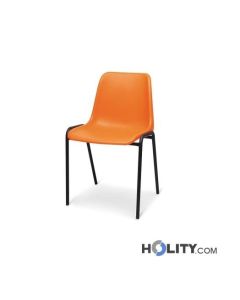
Pack of 10 pieces
€340.44 VAT incl.Stackable conference room chair with black painted tubular structure. Colored plastic shell. Seat height: 44.5 cm.
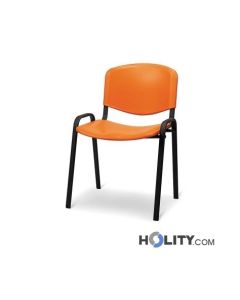
Pack of 10 pieces
€348.24 VAT incl.Stackable meeting room chair with black painted oval tubular frame. Colored plastic seat and backrest. Seat height: 45 cm.
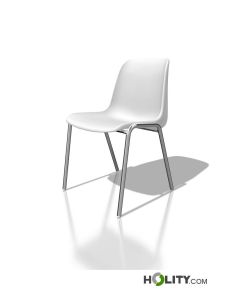
Office and community chair with stackable chrome steel frame and plastic seat. Available in different colors.
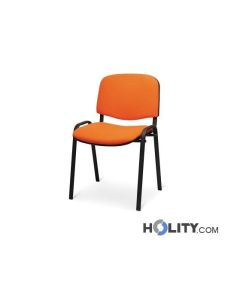
Pack of 10 pieces
€357.60 VAT incl.Conference room chair with fabric seat and backrest. Total chair height: 820 mm.
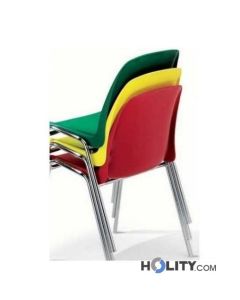
Office chair with a modern design. Stackable and resistant. Round tube frame available in chrome-plated and black painted finish.
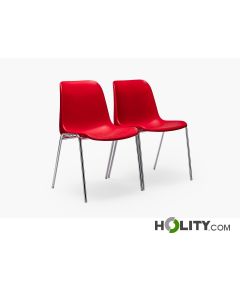
Linkable meeting room chair. Stackable structure with thermoplastic shell. Available in various colors and finishes.
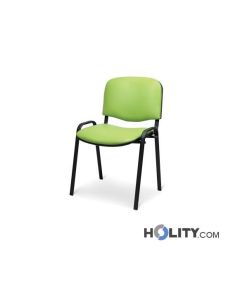
Pack of 10 pieces
€373.20 VAT incl.Meeting room chair with seat and backrest padded in faux leather. Available in different colors. Seat height: 46 cm.
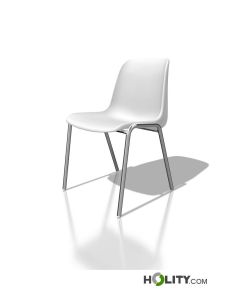
Meeting and office chair with chrome-plated steel frame and self-extinguishing plastic shell. Available in various colors.
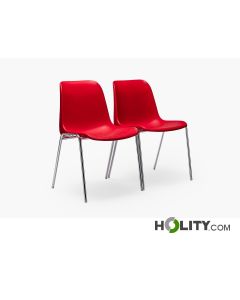
Linkable fire-retardant conference room chair with plastic shell. Structure with chrome-plated finish. Available in various colors.
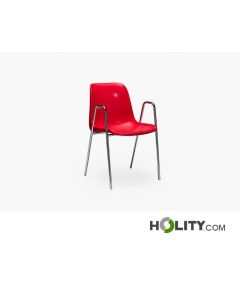
Stackable meeting chair with armrests complete with thermoplastic shell. Finish: chromed. Available in different colors.
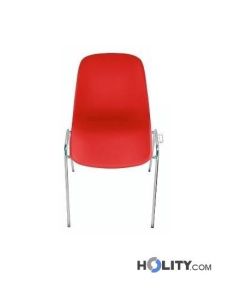
Stackable chair for conference rooms with round tube structure and hooks. Fire-retardant plastic shell. Available in various finishes.
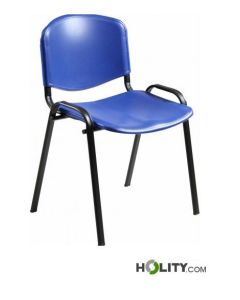
Pack of 4 pieces
€157.68 VAT incl.Conference chair with polypropylene shell. Available in various colors. Stackable.
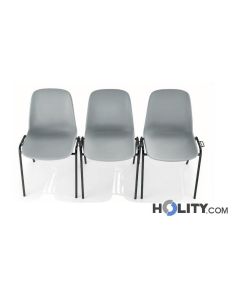
Stackable community chair with a modern design. Hooked structure complete with plastic shell. Available in various finishes and colors.
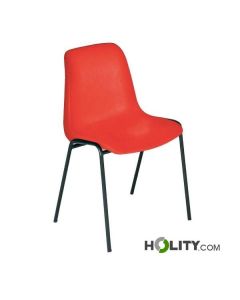
Conference hall chair in steel and polypropylene. Available in different colors.
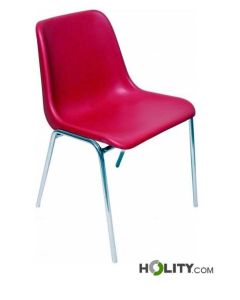
Meeting room chair in steel and plastic. Capacity: 120 kg.
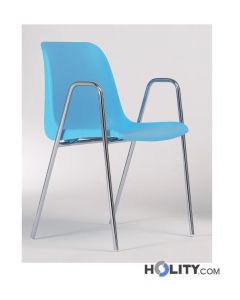
Fire-retardant conference room chair equipped with armrests. Structure with chrome finish. Shell available in various colors.
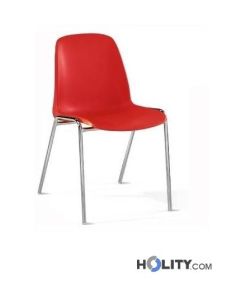
Space-saving and fireproof office chair. Stackable round tube structure complete with colored plastic shell.
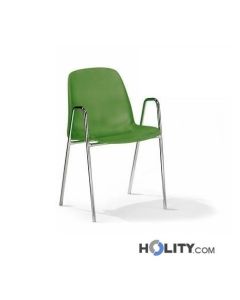
Community chair with armrests complete with shell in colored plastic material. Round tube frame available in different finishes.
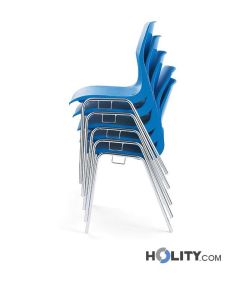
Pack of 20 pieces
€828.00 VAT incl.Conference room chairs with chrome-plated frame and plastic shell.
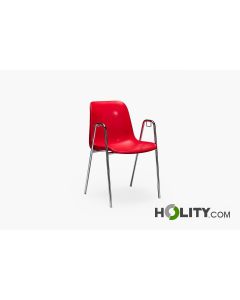
Stackable meeting chair with armrests and hooks. Plastic shell, class 1 fire retardant, chrome finish.
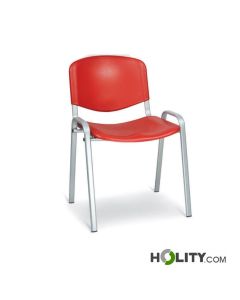
Pack of 10 pieces
€428.40 VAT incl.Conference room chair with aluminum structure, plastic seat and backrest.
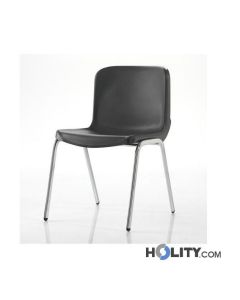
Stackable and fireproof chair for communities with thermoplastic shell. 30x15 mm oval tube structure. Available in various colors.
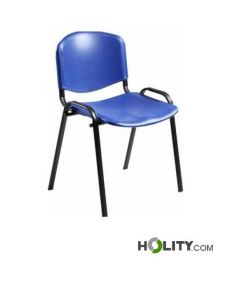
Fire-retardant chair for conference rooms with seat and backrest in polypropylene. Stackable. Available in several colors.
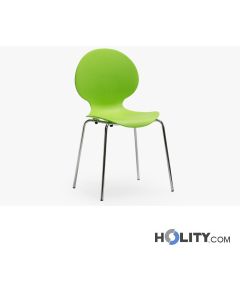
High-quality polypropylene meeting room chair, stackable up to 8 pieces. Dimensions: W48 x D45 x H85 cm
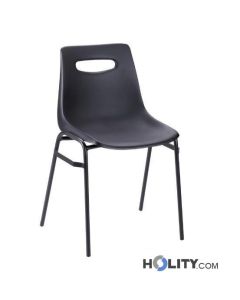
Pack of 18 pieces
€789.26 VAT incl.New Campus chair for meeting room fireproof certified Class 1. Stackable black painted steel frame. Shell available in various colors.
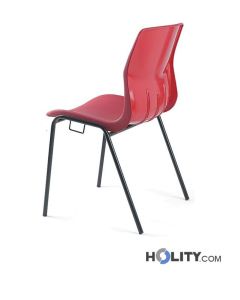
Pack of 20 pieces
€882.00 VAT incl.Conference room chair with fire-retardant plastic shell, black painted frame
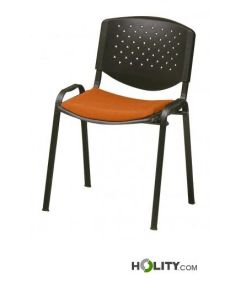
Pack of 4 pieces
€178.32 VAT incl.Stackable conference room chair. With seat available in various colors.
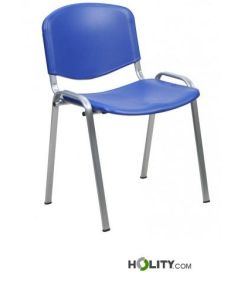
Pack of 4 pieces
€178.32 VAT incl.Meeting room chair without armrests. Stackable. Dimensions: W53 x D56 x H79 cm.
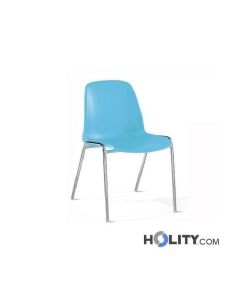
Office chair in transparent plastic available in a wide range of colors. Round tube frame without hook available in different finishes.
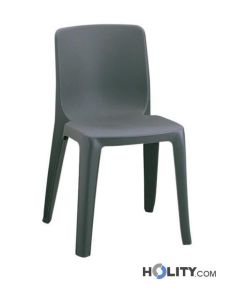
Pack of 18 pieces
€815.83 VAT incl.Stackable and fire-retardant Class 1 conference room chair - Denver Grosfillex. Available in various colors. Dimensions: W.46 x D.51 x h.76 cm. Seat height: 45 cm.
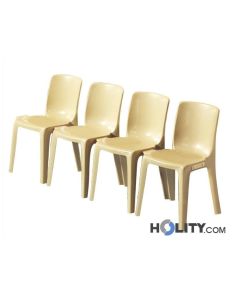
Pack of 18 pieces
€827.28 VAT incl.Linkable and stackable meeting room chair. Class 1 certified fire-retardant chair. Available in various colors. Dimensions: W.46 x D.51 x h.76 cm.
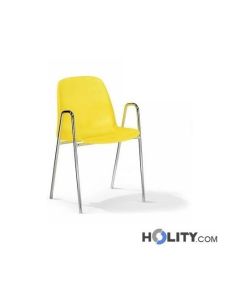
Fireproof meeting chair with armrests. Stackable structure with resistant plastic shell. Available in different colors.
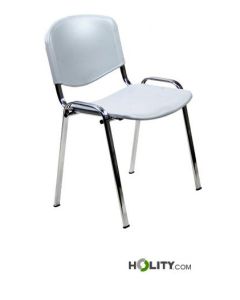
Pack of 4 pieces
€193.01 VAT incl.Chair for conference rooms with chrome frame and plastic shell. Stackable. Available in multiple colors.
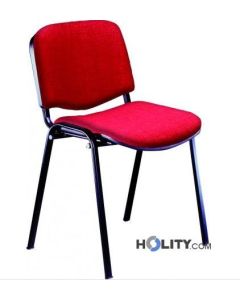
Pack of 4 pieces
€193.01 VAT incl.Chair for training courses or meetings h44922. This model consists of a painted structure and fabric upholstery. It is possible to choose the color of the seat.
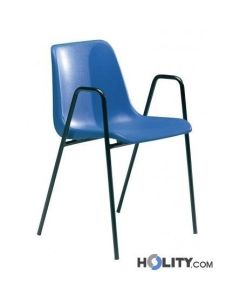
Pack of 4 pieces
€193.01 VAT incl.Conference room chair equipped with armrests. Polypropylene shell available in various colors. Italian product.
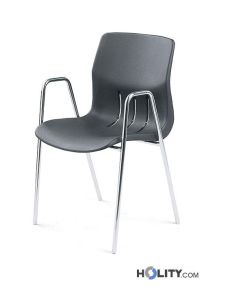
Pack of 20 pieces
€972.00 VAT incl.Conference room chair with armrests. Chrome structure. Shell available in different colors.
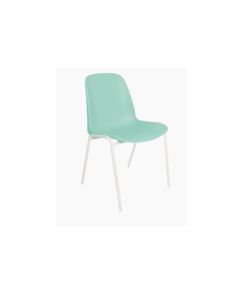
Selena h15988 stackable conference chair. Glossy white round tube structure Ø 18 mm and polypropylene shell available in different colors. Patented design.
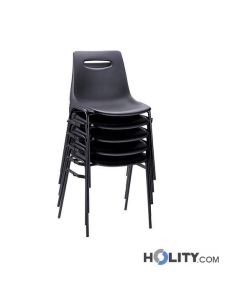
Pack of 18 pieces
€903.74 VAT incl.Stackable and linkable community chair with black painted steel frame. Fire-retardant chair certified Class I. Available in various colors.
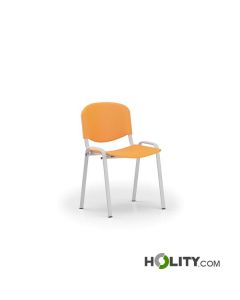
Visitor chair for meeting rooms. Frame with 4 steel legs and polypropylene shell. Dimensions: W.54 x D.55 x H.80 cm.
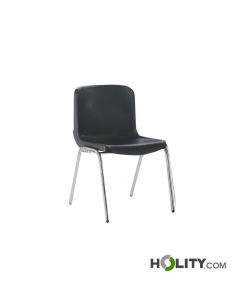
Waterproof seat with chromed structure Ø 25 mm and padded seat. Acrylic fabric covering. Dimensions: W 50 x D 61 x H 80 cm.
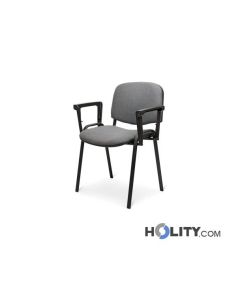
Pack of 10 pieces
€513.60 VAT incl.Fabric conference room chair complete with armrests. Available in different colors. Total height: 82 cm.
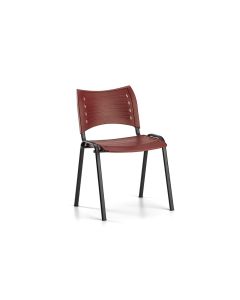
Conference chair without armrests h1038_16. Polypropylene shell and painted steel frame. Stackable and functional.
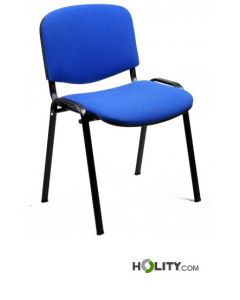
Waiting room chair with padded seat and backrest upholstered in eco-leather. Dimensions: W53 x D54 x H80 cm.
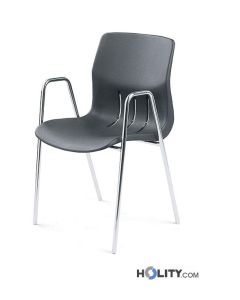
Pack of 20 pieces
€1,044.00 VAT incl.Conference hall chair with armrests. Chrome-plated structure. Fire-retardant shell available in various colors.
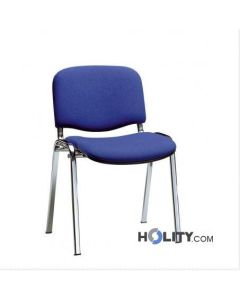
Pack of 4 pieces
€222.43 VAT incl.The padded conference room chair h44921 is available for purchase in multiples of 4 in different colors. The fabric is 100% polypropylene which makes the seat soft and comfortable.
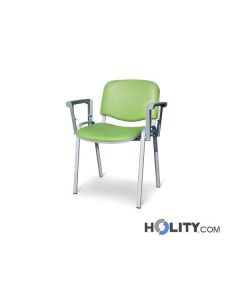
Pack of 10 pieces
€566.64 VAT incl.Meeting room chair in eco-leather complete with black armrests. Metal frame. Chair height: 82 cm.
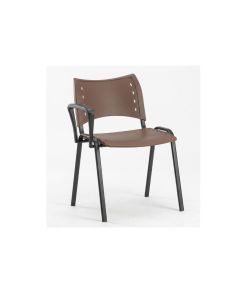
Conference chair with armrest and polypropylene shell, painted semi-ovale steel frame. Dimensions W 56 x D 53 x H 80 cm.
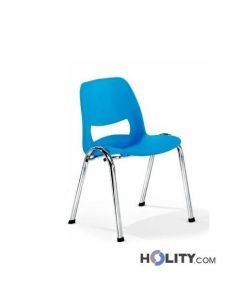
Community chair with a modern design featuring a stackable structure complete with a plastic shell. Available in various colors and finishes.
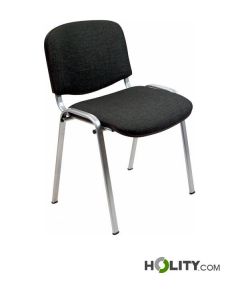
Community chair for conference rooms. Padded seat and backrest in class 1 fire-retardant fabric. Seat height: 46 cm.
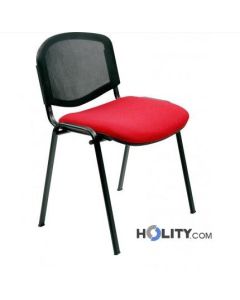
Pack of 4 pieces
€237.12 VAT incl.Conference room chair h44924 with black painted steel frame, customizable padded fabric seat and perforated backrest.
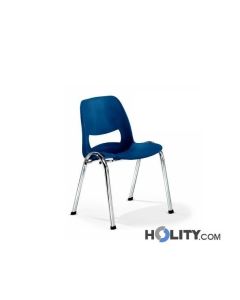
Fireproof and stackable meeting chair. Seating for collective spaces complete with plastic shell available in different colors.
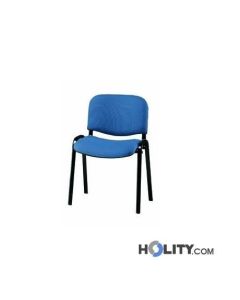
Pack of 4 pieces
€243.60 VAT incl.Comfortable padded chair, ideal for conference rooms. Stackable to save space. Available in various colors.
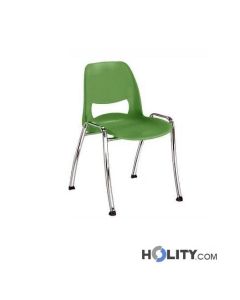
Stackable office chair available in a wide range of colors. Frame without hook complete with shell in plastic material.
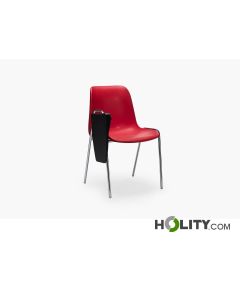
Conference chair with plastic folding tablet. Stackable and chrome-plated frame with thermoplastic shell. Available in various colors.
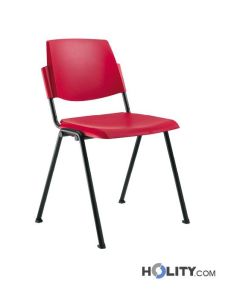
Pack of 4 pieces
€255.60 VAT incl.4-legged conference room chair with plastic seat and backrest. Available in various colors.
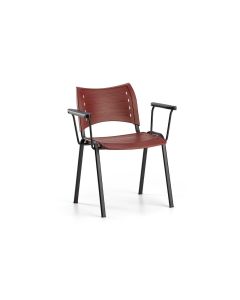
Conference chair with armrests and polypropylene shell, painted semi-oval steel structure. Dimensions W 60 x D 53 x H 80 cm.
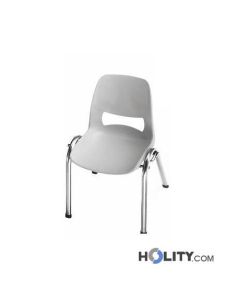
Community chair with hooks. Stackable structure with plastic shell. Available in various finishes and colors.
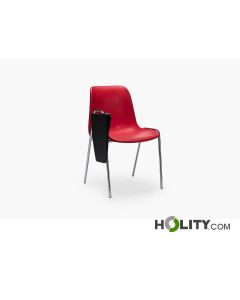
Fire-retardant meeting room chair equipped with a writing tablet. Chrome frame and shell available in various colors.
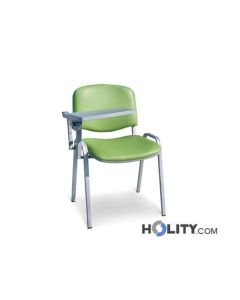
Pack of 10 pieces
€652.44 VAT incl.Meeting room chair with eco-leather upholstery complete with armrest and writing tablet. Aluminum-colored painted metal frame.

Office and community chair with an elegant design. Stackable chrome-plated steel structure. Available in various colors.
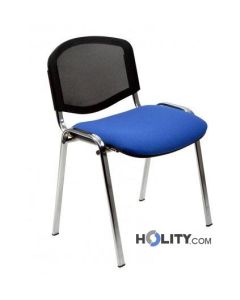
Pack of 4 pieces
€266.54 VAT incl.Meeting room chair with chrome frame h44923. Padded fabric seat and design backrest in perforated fabric.
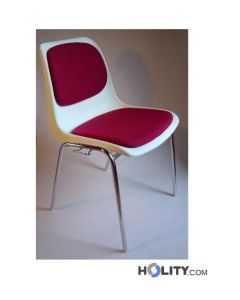
Office chair with chrome-plated steel frame and connector hook, and seat and backrest upholstered with non-fire-retardant fabric. Available in various colors.
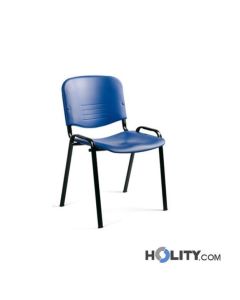
Pack of 4 pieces
€268.80 VAT incl.Plastic chair ideal for conference and meeting rooms. Stackable to take up little space. Available in various colors.
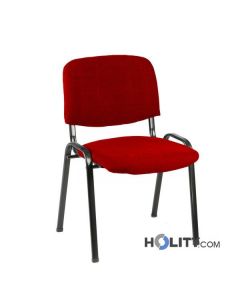
Pack of 5 pieces
€318.48 VAT incl.Padded waiting room chair with black painted steel structure. Fabric seat and backrest available in various colours.
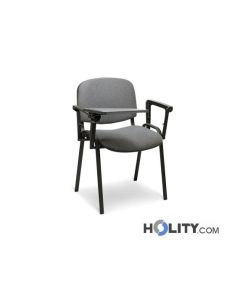
Pack of 10 pieces
€677.40 VAT incl.Metal meeting chair complete with armrests and writing tablet. Available in different colors. Seat height: 46 cm.
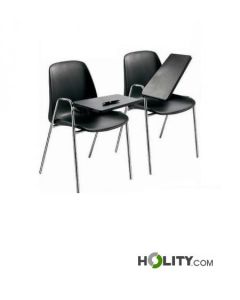
Conference room chair with armrest and writing tablet on the right. Round tube structure with plastic shell. Available in various colors.
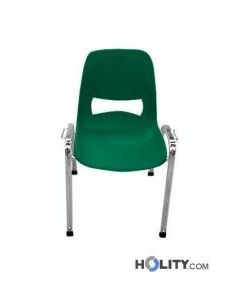
Stackable conference room chair. Oval tube structure with hook complete with shell in plastic material. Wide range of colors.
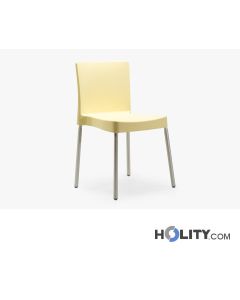
Stackable conference room chair available in various colors. Dimensions: W47 x D48 x H80 cm
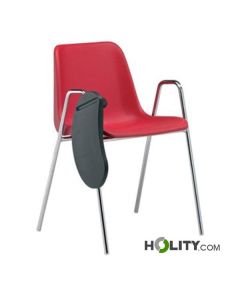
Meeting room chair. Available in various colors.
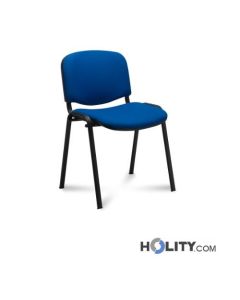
Pack of 4 pieces
€282.38 VAT incl.Multi-purpose seating for collective spaces and communities. Black painted steel structure.
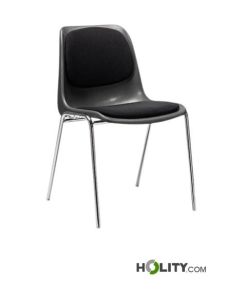
Connectable office and meeting chair with steel frame and fireproof acrylic fabric seat. Stackable structure. Available in various colors.
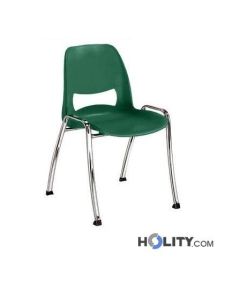
Stackable office chair for meeting and conference rooms. Modern design. Oval tube frame with plastic shell.
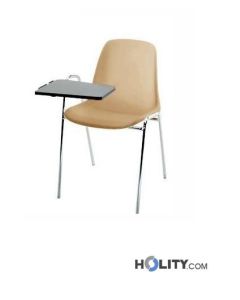
Fire-retardant conference room chair complete with right-hand writing tablet armrest. Stackable structure available in various finishes.
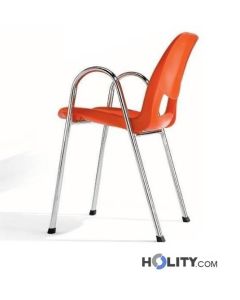
Stackable chair for meetings and conferences. Structure with armrests complete with plastic shell. Available in different colours and finishes.
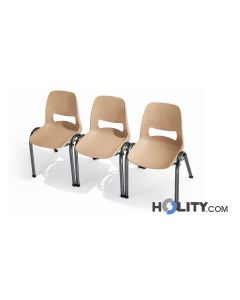
Stackable and fire-retardant meeting chair. Structure with hooks complete with plastic shell. Available in different colors and finishes.
Pack of 4 pieces
€295.97 VAT incl.Meeting room chair with seat and backrest in multilayer beech wood. Dimensions: W.53 x D.54 x H.80 cm.
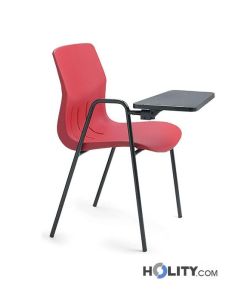
Pack of 20 pieces
€1,512.00 VAT incl.Conference room chair with writing tablet and black painted frame. Available in various colors
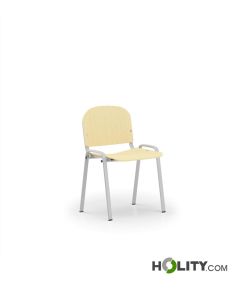
Made in Italy conference chair, made of painted steel and beech wood, ideal for conference rooms, meetings and collective spaces. 4-legged structure, stackable and equipped with non-slip tips. Dimensions: W 54 × D 55 × H 80 cm.
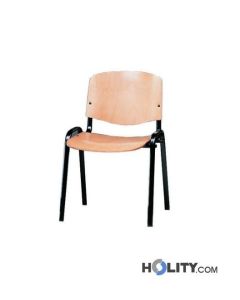
Pack of 4 pieces
€312.00 VAT incl.Chair with beech panels, stackable to save space. Natural varnish finish. Dimensions: W.53 x D.57 x H.80 cm.
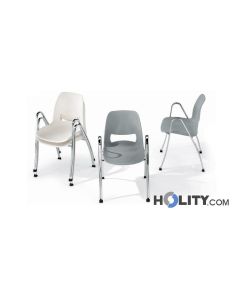
Stackable meeting chair equipped with two comfortable oval tube armrests. Finish: chromed. Plastic shell. Wide range of colors.
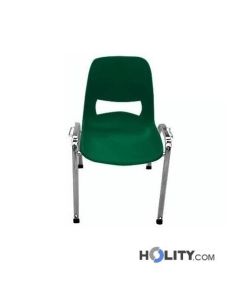
Stackable chair for conference rooms, fireproof and equipped with hooks. Shell available in different colors. Chrome or black painted frame.
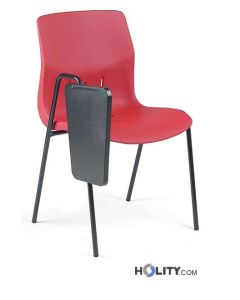
Pack of 20 pieces
€1,584.00 VAT incl.Meeting room chair with writing tablet. Fire-retardant shell available in various colours.
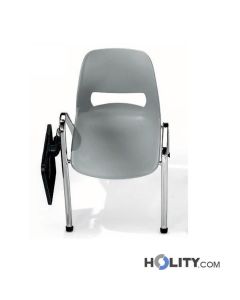
Meeting room chair with one armrest and plastic folding tablet. Oval tube structure with plastic shell. Available in various colors.
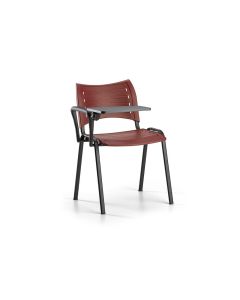
Conference chair with writing tablet and armrest, polypropylene shell and steel structure. Dimensions W 56 x D 70 x H 80 cm.
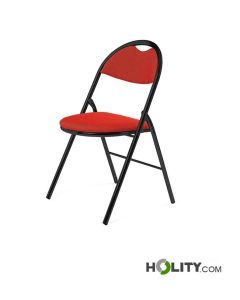
Pack of 100 pieces
€8,100.00 VAT incl.Conference room chairs, folding.
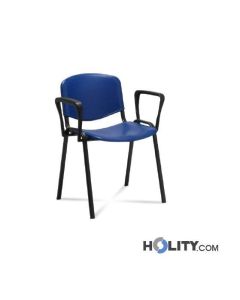
Pack of 4 pieces
€327.26 VAT incl.Community and collective chair with seat and backrest in plastic material. Black frame with armrests.
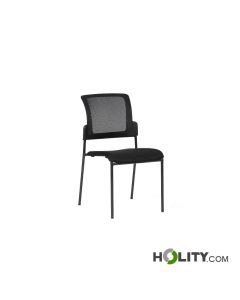
Meeting room chair in fabric and breathable technical mesh. Dimensions: W.47 x D.57.5 x H.87 cm.
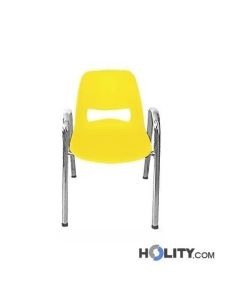
Stackable and fireproof meeting room chair. Structure with armrests complete with shell in plastic material. Available in different colors.
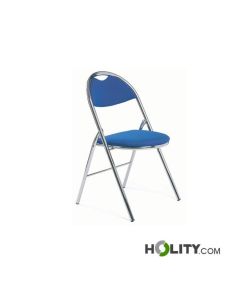
Pack of 20 pieces
€1,692.00 VAT incl.Folding chrome conference room chair, padded.
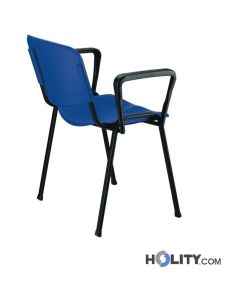
Pack of 4 pieces
€340.80 VAT incl.Stackable conference room chair equipped with armrests. Polypropylene shell available in various colors. Dimensions: W53 x D57 x H80 cm.
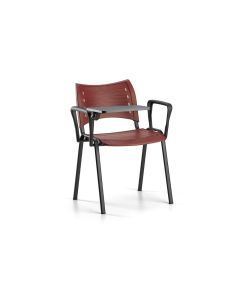
Conference chair with double armrests and writing tablet, polypropylene shell and steel frame. Dimensions W 60 x D 70 x H 80 cm.
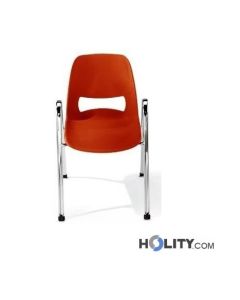
Fireproof chair with armrests ideal for conference rooms. Shell available in different colors and chrome frame.
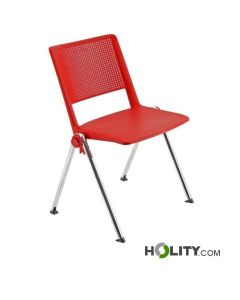
Meeting room chair in polypropylene. Capacity: 130 kg.
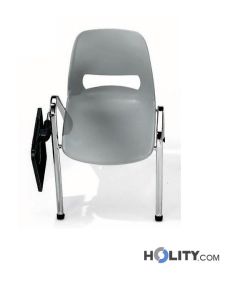
Stackable chair for conference room. Equipped with armrest and right-hand tablet holder. Available in various colors.
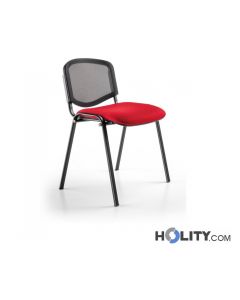
Meeting room chair with padded polypropylene seat. Seat height: 46 cm. Dimensions: H.80 x D.56 x W.57 cm.
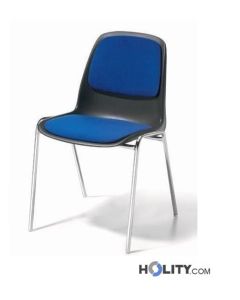
Pack of 100 pieces
€9,064.80 VAT incl.Upholstered meeting chair with a modern design. Stackable structure complete with plastic shell covered in fabric. Wide range of colors.
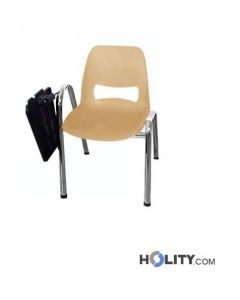
Community chair with a tablet-holder armrest. Stackable structure with plastic shell. Available in various colors and finishes.
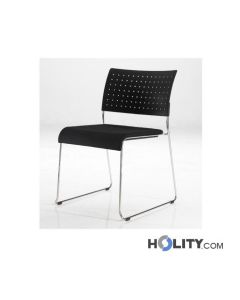
Designer chair ideal for work and study environments. Stackable chrome steel structure. Available in various colors.
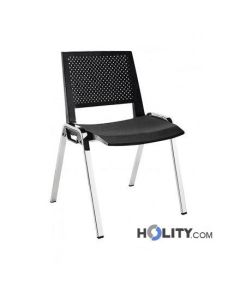
Pack of 4 pieces
€384.24 VAT incl.Meeting room chair h44925 with chrome-plated steel structure and black polypropylene seat.
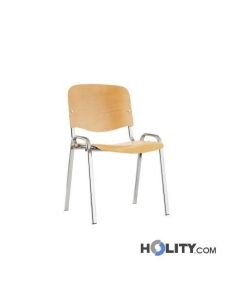
Stackable conference room chair in natural wood. Seat height: 46 cm. Chrome-plated steel tube structure.
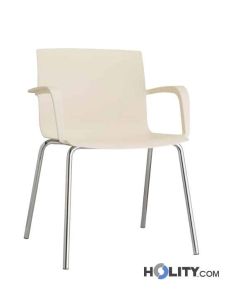
Pack of 4 pieces
€384.77 VAT incl.Stackable community chair complete with armrests. Steel structure with polypropylene shell. Available in various colors. Made in Italy.
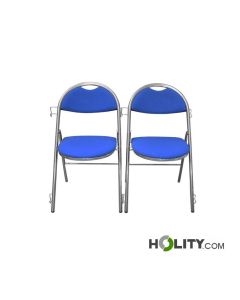
Pack of 20 pieces
€1,944.00 VAT incl.Chrome meeting room chair, folding and padded.
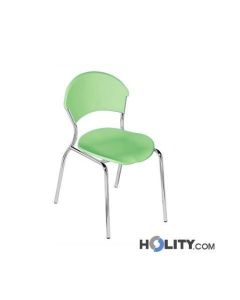
Office chair ideal for meeting rooms. Stackable and with a modern design. Chromed structure. Wide range of colors
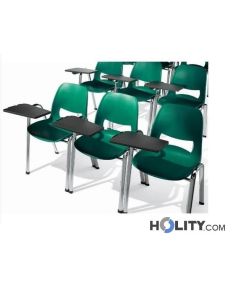
Fire-retardant meeting room chair with right-hand writing tablet arm. Stackable public seating available in various colors.
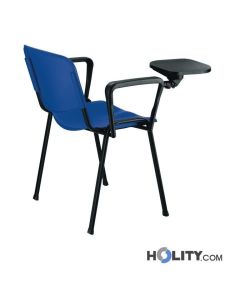
Pack of 4 pieces
€409.20 VAT incl.Stackable chair ideal for conference rooms. Shell available in different colors. Structure with armrest and writing tablet. Dimensions: W53 x D57 x H80 cm
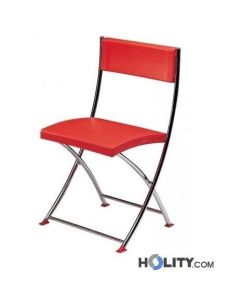
Pack of 4 pieces
€413.57 VAT incl.Folding chair ideal for hotel conference rooms and congress centers. Chrome-plated steel structure. Shell and backrest available in different colors. Made in Italy product
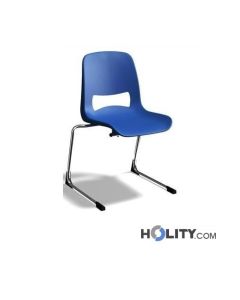
Meeting room chair with a modern and essential design. Stackable. Chrome-plated structure and plastic shell. Wide range of colors
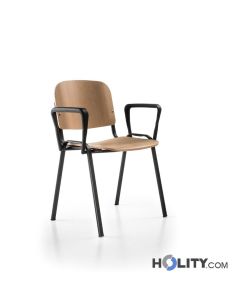
Conference room chair in beech plywood. Equipped with armrests. Dimensions: H.80 x D.54.5 x W.66 cm.
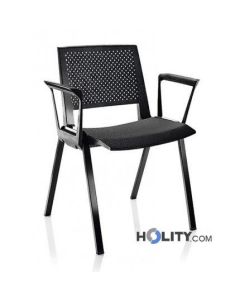
Pack of 4 pieces
€425.38 VAT incl.Meeting room chair h44926 design in painted steel and black polypropylene armrests. Ideal for workspaces and private studios.
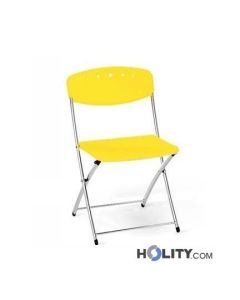
Space-saving office chair with a modern and elegant design. Folding structure in chrome-plated tube and plastic shell. Wide range of colors.
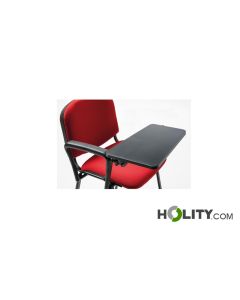
Conference room chair with armrest and writing tablet. Dimensions: W.66 x D.56 x H.80 cm.
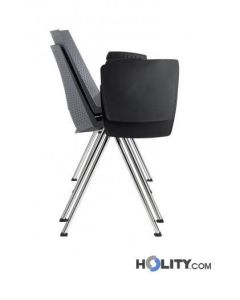
Pack of 4 pieces
€442.99 VAT incl.Conference room chair with armrest and integrated anti-panic writing tablet. Stackable and available in various colors. Italian product.
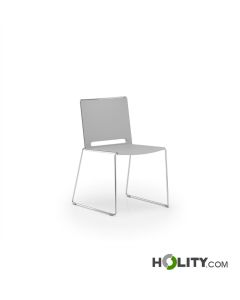
Stackable chair with chromed steel rod frame, polypropylene seat and backrest available in various colors. Dimensions: W 55 x D 55 x H 81.5 cm.
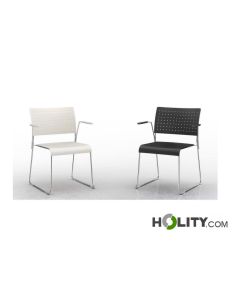
Stackable and fire-retardant meeting room chair. Chromed steel structure with armrests. Available in various colors. Self-extinguishing.
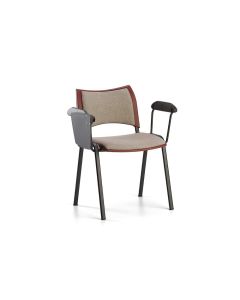
Professional conference room chair with water-repellent padded seat and backrest, writing tablet and nylon armrests. Painted steel structure. Dimensions: W 60 x D 70 x H 80 cm.
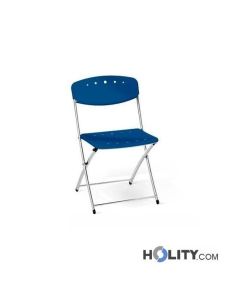
Fire-retardant community chair, a space-saving solution for offices and workplaces. Chrome frame with plastic shell available in different colors.
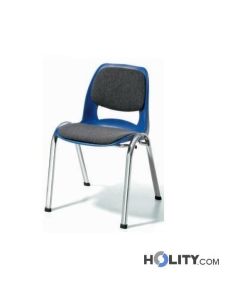
Stackable and padded meeting room chair with a modern design. Plastic shell upholstered in fabric available in various colors.
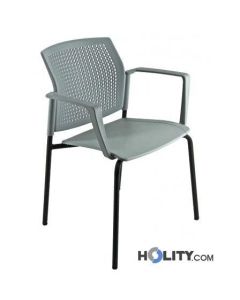
Pack of 4 pieces
€472.42 VAT incl.Meeting room seat with armrests and available in different colors. Steel structure and stackable. Made in Italy product.
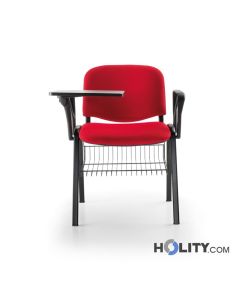
Padded conference room chair equipped with armrests and writing tablet. Available in various colors.
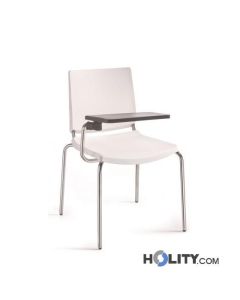
Pack of 4 pieces
€483.74 VAT incl.Conference room chair with writing tablet. Italian product. Chrome-plated steel frame. Seat and backrest available in various colors.
Conference room chairs represent a fundamental element in setting up spaces dedicated to meetings, congresses, and conventions. These seats are designed to offer the right balance between prolonged comfort, organizational practicality, and regulatory compliance, ensuring participants have an experience suitable for the duration and nature of the event. The choice of conference chair directly affects the perception of the quality of the event and the ability of those present to maintain focus during long sessions. Available in multiple configurations – from stackable and linkable models to padded versions or with specific accessories – conference chairs adapt to the technical, regulatory, and organizational requirements of any context, from small corporate meetings to international events with hundreds of participants.
A well-selected conference chair determines the level of attention and concentration during presentations, debates, and training sessions. Prolonged physical discomfort distracts participants and reduces communication effectiveness; on the contrary, an ergonomic and stable seat allows those present to focus on content and speakers without distractions due to lower back pain or abnormal pressure on the thighs or arms. Organizational functionality is equally critical: stackable chairs allow for the optimization of space between one event and another, while models with hooks allow the order of the room to be maintained without the need for additional trolleys or storage. Many multifunctional spaces benefit from modular configurations that facilitate rapid room reconfigurations based on needs. Furthermore, compliance with fire regulations through self-extinguishing materials represents an indispensable requirement in public contexts, ensuring the safety of those present and regulatory compliance.
Investment in quality conference chairs reduces operational costs related to maintenance and replacement in the medium-to-long term. Seats made with robust structures in steel, aluminum, or chromed tubing withstand the repeated stress of stacking, while shells in polypropylene or colored plastic maintain aesthetic and functional integrity even after thousands of usage cycles. Availability of spare parts and modular construction significantly extend the operational life of the products. Specific event needs – such as the need to take notes (chairs with writing tablets), arm support during long conferences, or aesthetic integration with premium furnishings – find dedicated answers in the market, allowing for a customization that balances functionality, budget, and the visual identity of the space.
The catalog of conference chairs includes several construction families, each optimized for specific contexts and needs. Stackable chairs constitute the most versatile and widespread solution: available with structures in round tube, oval tube, or chromed profiles, they feature shells in polypropylene, colored plastic, or fabric, and allow stacking from 8 to 15 units, drastically reducing storage footprint. Linkable models offer an anchoring system that allows the chair to be hung on a horizontal bar, maintaining order without dead spaces. Chairs with armrests are intended for events lasting more than three hours, as arm support reduces muscle fatigue and improves perceived well-being. Padded versions in fabric, eco-leather, or synthetic leather elevate the level of comfort and convey a premium image, ideal for high-profile congresses, important corporate presentations, or contexts where aesthetics are part of the brand communication.
Construction specifications vary significantly based on materials and required performance. Fire-retardant chairs feature shells in self-extinguishing material (class 1 according to Italian regulations), essential for public spaces, theaters, auditoriums, and conference halls. Models with integrated writing tablets are designed for seminars, workshops, and lectures where participants need support for notes. The seat height typically varies between 42 and 48 centimeters, with the choice linked to the average stature of the target audience and the ergonomics of the front table (if present). The declared load capacity (generally 100-150 kg for standard models) must be appropriate for the intended users, as well as the structural resistance for events with high frequency of configuration-reconfiguration. Differences in unit costs derive mainly from coating materials (single-color plastic vs. fabric, eco-leather), metallic finishes (black painted vs. chromed), and the presence of functional accessories (hook, armrests, tablet).
The selection of the appropriate conference chair starts with a precise evaluation of the operational context. The first criterion is the expected duration of the event: for meetings under 90 minutes, a stackable chair in hard plastic and without armrests is sufficient and optimizes costs; for half-day or full-day conferences, the addition of armrests is highly recommended, as are padded seats if the budget allows. The second variable is the available space: if the room must contain other equipment (tables, podium, AV systems), stackability becomes a priority; if the room is dedicated to theater-style seating and rarely reconfigured, fixed or semi-rigid models offer better stability and durability. The third factor concerns fire regulations: public spaces, halls open to the external public, or buildings subject to LEED certification strictly require fire-retardant materials; in private offices or restricted internal rooms, the constraint is less stringent. The estimated number of attendees and annual frequency of use guide the choice between entry-level quality and premium range: a room that hosts 40 events per year with 150 seats requires much more robust seating than a space that hosts 2-3 large conferences per year.
Frequent errors in the purchasing process include underestimating the impact of comfort over long durations: saving 5-8 euros per chair by giving up armrests then generates hidden costs in terms of negative feedback from participants and reputation damage. Another common error is not checking the dimensional compatibility between the seat height of the chair and the height of the front tables: a chair with a seat height of 45 cm at a 70 cm high table creates unpleasant proportions and visual fatigue. Even the choice of colors that are not coordinated with the surrounding furnishings compromises the aesthetic impact; choosing 2-3 neutral shades (black, gray, white) ensures integration with any palette. For recurring events, checking the availability of spare parts (seats, backrests, feet) from the supplier ensures maintainability over time. Finally, do not overlook the logistical cost of storage and handling: very heavy or bulky chairs, even if stackable, generate higher operational costs than lighter solutions.
Conference room chairs intended for public spaces or with public access are subject to specific regulatory requirements, particularly fire safety regulations. Classification of materials according to the UNI EN ISO 5660-1 standard (reaction to fire) is mandatory in Italy for seating in public buildings, conference halls, museums, theaters, and similar spaces. Shells must belong at least to class B-s2, d0 (formerly class 1), guaranteeing self-extinguishing properties and limited smoke and dripping emissions. Metallic structures in steel or aluminum do not require fire reaction certification but must comply with regulations on structural solidity (EN 1728 for stability and overturning resistance) and declared load capacity limits. Accessibility regulations (D.M. 236/1989) also establish constraints on minimum and maximum seat heights to facilitate access for people with reduced mobility, typically suggesting seats between 42 and 48 cm high.
For chairs with armrests or specific characteristics, requirements on geometry apply (minimum distances between backrest and armrests to allow lateral exit, minimum seat width to accommodate users of different builds). CE compliance and marking, accompanied by a declaration of conformity and test certificates, represent indispensable guarantees for any purchase in the regulated public or private sector. Reliable manufacturers provide evidence of tests on static and dynamic resistance, durability of hooks (if present), and wear resistance of the coating through dedicated ASTM or EN tests. For medical, detention, or highly specialized contexts, additional standards may apply (e.g., hospital chairs with hygiene and sterilizability requirements). Complete technical documentation – technical data sheets, dimensional drawings, certificates of conformity, manuals on maintenance and component replacement – must always be available from the supplier, essential for both operational management and regulatory compliance audits.
Explore all products in the category and compare the available solutions to find the one best suited to your operational context. Carefully evaluate the criteria of comfort, regulation, and organizational practicality to maximize the perceived quality by guests and ensure the economic sustainability of the investment over time.
A stackable chair allows multiple units to be stacked vertically, optimizing storage space; a linkable chair has an upper metallic hook that allows it to be hung on a bar, maintaining room order without stacking. The choice depends on available space and frequency of reconfigurations.
No. Only chairs intended for public spaces (auditoriums, museums, conference halls open to the public) require class 1 fire-retardant materials by Italian law. Private spaces or closed offices do not need this feature, allowing for cost savings and access to a wider range of design and comfort.
The price depends mainly on the upholstery material (single-color plastic vs. padded fabric), structural finish (painted vs. chromed), presence of armrests, hooks or tablets, fire compliance, and brand reputation. Volume purchases (20+ pieces) usually offer significant unit discounts.
Standard seat height is 44-46 cm, compatible with most conference tables (height 70-75 cm). Check proportions with the front table: if the room does not have tables, standard heights are still comfortable for most adults. Lower heights (42 cm) are more suitable for children or spaces with low furnishings.
The declared load capacity for standard models is usually 100-120 kg. Some premium models offer 150 kg. Always check the technical specification on the product sheet to ensure suitability for the intended users, also considering a safety margin.
Fabric chairs require regular brushing and localized cleaning with mild detergents. They are not submersible and do not tolerate aggressive washing. Eco-leather or synthetic leather versions are more resistant to moisture and tolerate cleaning with damp cloths, ideal for environments with high public turnover.
For long-duration events, we recommend chairs with armrests and preferably padded or in eco-leather, seat height 45-46 cm, fire-retardant structure if in a public hall. If storage space is limited, prioritize stackable or linkable models. Average budget: 35-45 euros per unit for satisfactory quality.
 English
  Italian
 French
 German
 Spanish