
mon-fri 9-13 / 14.30-18.30
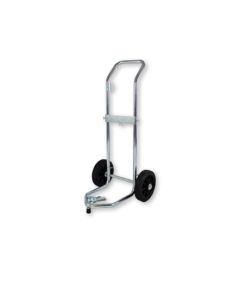
2-wheel drum trolley. Ideal for 20 kg drums.
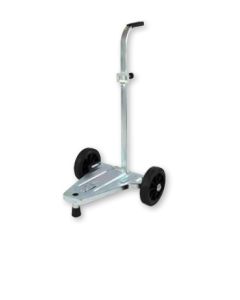
Drum transport trolley. Ideal for 18-60 kg drums. Equipped with 2 wheels.
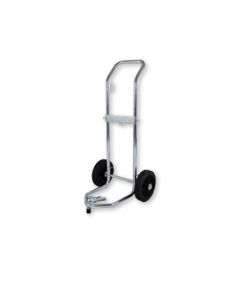
Trolley for transporting 50-60 kg drums. Equipped with 2 wheels.
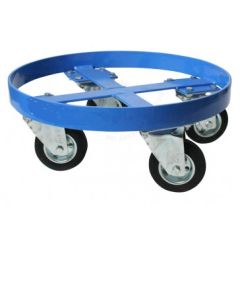
Wheeled drum dolly. Load capacity: 300 kg. Dimensions: Ø 420 mm.
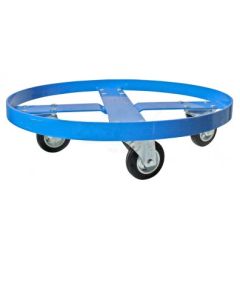
Drum handling trolley. Load capacity: 300 kg. Dimensions: Ø 620 mm.
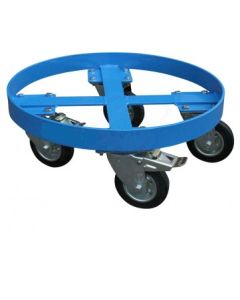
Wheeled base for drums with double parking brake. Load capacity: 300 kg. Dimensions: Ø 420 x h. 135 mm.
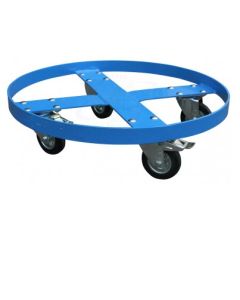
Wheeled base for drums with double parking brake. Load capacity: 300 kg. Dimensions: Ø 620 x h. 135 mm.
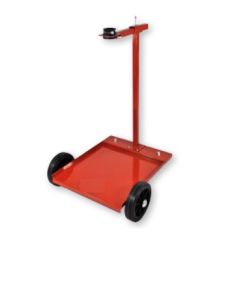
Drum handling trolley for 20-60 kg drums. Trolley equipped with 4 wheels.
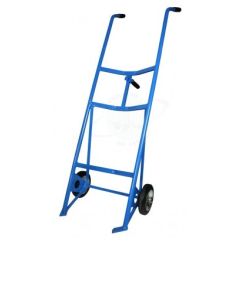
Drum trolley with 2 solid rubber wheels Ø 200 mm. Capacity: 300 kg. Dimensions: 600x1600 mm.
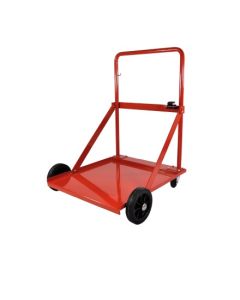
Drum transport trolley. Ideal for 208-litre drums. 4-wheel trolley.
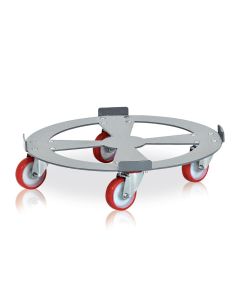
Trolley for handling 1 x 200 litre drum. Capacity: 300 kg. Dimensions: Ø62 x h. 13.5 cm.
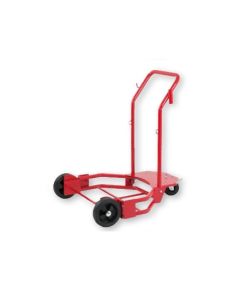
Trolley for handling 208-liter drums. 3-wheel trolley.
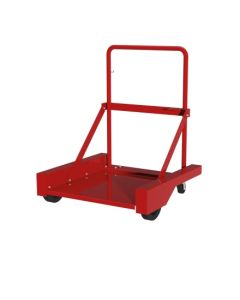
Drum handling trolley. Ideal for 208-litre drums.
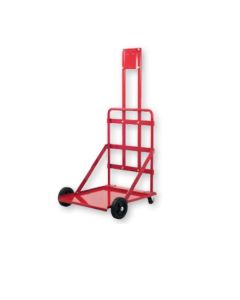
Drum transport trolley for 208-liter drums. Equipped with 4 wheels.
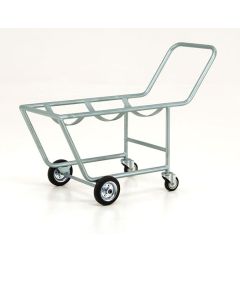
Painted steel drum trolley, dimensions 120x52x100 cm and capacity 200 kg. Equipped with differentiated rubber wheels for maximum stability.
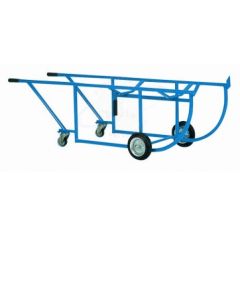
Tipping drum trolley on 4 wheels. Capacity: 300 kg. Dimensions: 600 x 1700 x h. 528 mm.
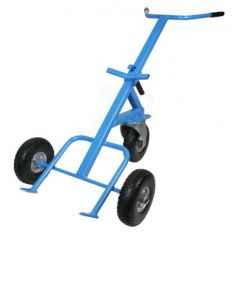
Drum trolley with 3 semi-solid wheels. Capacity: 300 l. Dimensions: 700x1400x h. 950 mm.
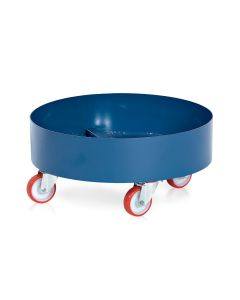
Trolley for handling 1 x 200-litre drum. Capacity: 300 kg. Dimensions: Ø61 x h. 15/27.5 cm.
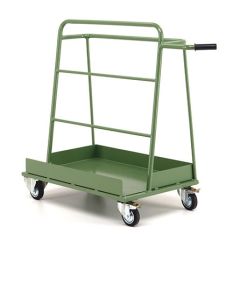
Painted steel drum trolley, 83x50 cm sheet metal platform with rim, 200 kg capacity. Ideal for handling drums and small objects.
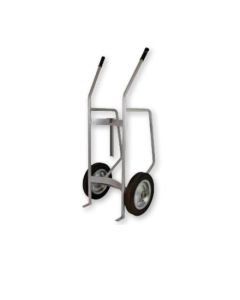
Drum trolley. Ideal for 208-liter drums. Equipped with a locking device.
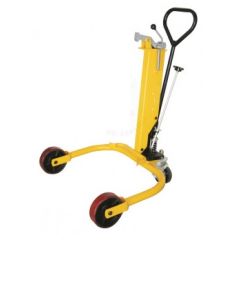
Hydraulic clamp drum lifter with automatic coupling. Dimensions: 675 x 660 x 1145/1360 mm.
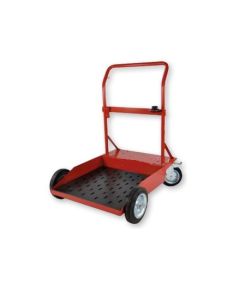
Drum transport trolley. Equipped with 4 wheels and drip grid.
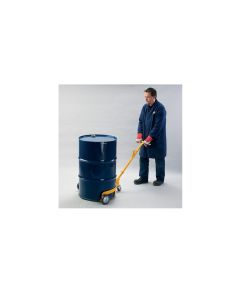
Professional trolley for 220L steel drums, load capacity 450 kg. Multifunctional handle with integrated bung wrenches and drum tipping lever.
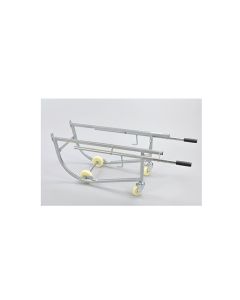
Galvanized steel trolley for 220L drums. 200kg capacity, 4 wheels and removable handles for controlled tilting from vertical to horizontal.
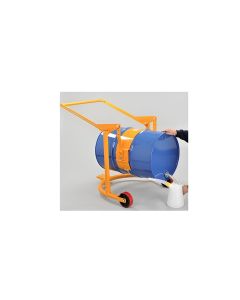
Manual drum tipper trolley for 220L steel drums. 365kg capacity, 360° rotation and ratchet system for single operator management.
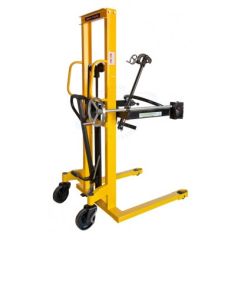
Hydraulic drum lifter and tilter for industrial use. Capacity: 350 kg. Dimensions: 1190x890x2020 mm.
Drum handling trolleys represent an essential solution in industrial environments, warehouses, logistics facilities, and contexts where the manipulation of medium and large containers occurs on a daily basis. These devices facilitate the safe and efficient transport of drums from 18 liters up to 220 liters, reducing the physical effort of operators and minimizing the risk of accidents during handling. A dedicated trolley guarantees load stability, content protection, and compliance with occupational safety regulations, fundamental aspects in any internal logistics operation.
The choice of the appropriate trolley depends on multiple technical factors: the volumetric capacity of the drum, the maximum weight to be transported, the configuration of internal spaces, the frequency of use, and the terrain conditions on which the trolley must circulate. Available in different configurations from 2 to 4 wheels, with or without locking systems, with steel or aluminum structures, these devices adapt to specific needs of every sector, from industrial chemicals to pharmaceuticals, from the food sector to special waste management. The construction versatility and robustness of the materials allow for use in harsh environments, with controlled or variable temperatures, and guarantee a long operational life even under intensive use conditions.
Manual drum handling involves significant health risks for operators: spinal injuries, muscle strains, chronic fatigue, and accidents resulting from loss of balance are common complications in environments where appropriate tools are not used. A dedicated trolley drastically reduces these ergonomic risks, allowing for controlled transport even in tight spaces and on paths with obstacles. Stability guaranteed by the wheels and structure reduces the load on the human body, allowing for faster operation and a reduction in downtime due to injuries. Furthermore, by protecting the drum from accidental bumps and falls, the trolley preserves the integrity of the content, avoiding product damage, environmental contamination, or leaks that would involve significant additional costs.
From an organizational standpoint, the implementation of standardized trolleys for drum handling normalizes internal logistics processes, facilitating operator training and making operations predictable and replicable. A single company can reduce handling times by up to 40%, improving productivity and freeing up human resources for other higher value-added activities. In regulated sectors such as food, pharmaceutical, and chemical, the use of certified equipment also represents an element of traceability and regulatory compliance, a critical aspect in case of audits by certification bodies or inspections by competent authorities. Finally, investing in quality trolleys constitutes a rational economic choice: the initial cost is quickly amortized by the benefits in terms of accident reduction, less physical wear on operators, and an increase in overall production capacity.
In the drum handling trolley catalog, it is possible to identify several construction categories that differ mainly in the number of wheels, load capacity, materials, and locking mechanisms. 2-wheel trolleys represent the most compact and manageable solution, ideal for handling small-medium volume drums (18-60 kg) in environments where space is limited, such as warehouses with narrow aisles or laboratories with complex layouts. These primary models offer practicality of use, ease of placement on shelves, and structural lightness, although they have a lower load capacity compared to 4-wheel versions. 4-wheel trolleys, available in different configurations, allow for the transport of loads up to 450 kg and guarantee superior stability, a decisive factor when moving large volume drums (200-220 liters) or when the ground is uneven. Wheeled bases with diameters from 420 to 620 mm represent an intermediate category, specifically built for standard format drums, with capacities up to 300 kg and locking systems using dual-pivot brakes, a particularly widespread solution in sectors where maximum safety is required during stationary periods.
Among the more advanced construction variants, we find tilting trolleys, designed to simplify the extraction or unloading of content, and hydraulic clamp lifters, which combine handling with vertical lifting, a useful operation in contexts where drums must be deposited at different heights or where a certain operational agility is necessary. Multi-purpose trolleys with integrated bung openers constitute a versatile solution, particularly advantageous in environments where drum contents must be frequently accessible, such as in chemical laboratories or lubricant distribution plants. Structures vary between painted tubular steel (standard economic solution), galvanized steel (corrosion resistance in humid environments), and combinations with sheet metal for the support surface. This construction variety allows for choosing the most suitable configuration for the specific operational context, considering factors such as exposure to corrosive agents, frequency of use, and budgets available for the initial investment.
Selecting a drum handling trolley must start with the precise identification of operational parameters: the volume and weight of the drums to be handled (20 kg, 60 kg, 200 liters, 220 liters are the most common formats), the daily frequency of use, and the environmental context (indoor, outdoor, with controlled temperatures, with high humidity). A frequent error consists of underestimating the real load by considering only the weight of the empty drum; it is essential to calculate the total weight including the content, an element that can double or triple the actual load. If the drum to be handled weighs 60 kg empty and contains a liquid with a density higher than water (like some chemical products), the total weight can easily reach 120-150 kg. In this scenario, a 2-wheel trolley with a nominal capacity of 100 kg would be completely unsuitable, while a 4-wheel model with a capacity of 300 kg would represent the minimum recommended choice. A second decision criterion concerns the circulation spaces: measure the width and height of aisles, doors, and elevators that the trolley must cross, comparing these values with the dimensions of the candidate model. Insufficient space would result in the need to change routes, additional operations, or, in the worst cases, the impossibility of use.
Analysis of the movement surface is equally critical: irregular terrain, with cracks, holes, or steep slopes requires trolleys with larger diameter wheels and pneumatic tires (rubber wheels) rather than solid wheels, to better absorb shocks. Environments with very low or very high temperatures can compromise the performance of certain polymers used in wheels, making it necessary to select versions with materials resistant to thermal excursions. In contexts where the drum contains dangerous liquids or where spills represent a significant environmental risk, it is advisable to prioritize models equipped with containment basins or drip grids, elements that capture any leaks preventing floor contamination. Finally, consider whether a permanent locking system (brakes) is necessary or if the storage area configuration allows the trolley to be kept in a static position without danger of sliding. Models with dual-pivot brakes add safety during work breaks, a relevant factor when the trolley is positioned on inclined surfaces or when there are moving elements nearby.
Manual handling of loads in a working context is regulated by specific European and Italian regulations, mainly Legislative Decree 81/2008 (Consolidated Safety Act) and the EN ISO 1496-3 standard, which establishes design and certification criteria for handling equipment. According to these regulations, every trolley intended for transporting loads must be equipped with a visible and legible capacity plate, must be inspected periodically, and must possess construction characteristics that guarantee stability even under eccentric load conditions. The capacity declared by the manufacturer represents the maximum limit beyond which the structure is not guaranteed; exceeding this limit exposes the operator to risks of structural collapse and constitutes a violation of workplace safety regulations. Regarding materials, if the trolley comes into contact with food (HACCP sector), it is mandatory to use materials that do not release toxic substances and are easy to clean; stainless steel or aluminum painted with food-grade enamels represent compliant solutions. In environments with explosive atmospheres (ATEX), even trolleys must comply with construction specifications and markings to prevent the generation of sparks or accumulation of electrostatic charges.
A frequently overlooked regulatory aspect concerns preventive maintenance: wheels must be periodically checked for wear, bearings must be lubricated according to the manufacturer’s instructions, and locking systems must be tested at least every six months. The documentation accompanying each trolley must include a technical manual with construction specifications, instructions for use, a maintenance schedule, and CE certification of conformity, essential elements to demonstrate the regular selection procedure in case of inspection. Certain sectors, such as pharmaceuticals and diagnostic laboratories, require full traceability of equipment, including serial numbers, dates of first installation, and extraordinary maintenance. In case of accidents, injuries, or damage to transported loads, the availability of this documentation becomes evidence in determining responsibilities and assessing insurance coverage. Regulatory compliance is therefore not an administrative cost but a fundamental element of legal protection for the company and physical protection for the operators who use the trolley daily.
Explore all products in the category and compare the available solutions to find the one most suitable for your operational context. Each model is selected according to rigid construction standards and subjected to quality checks before delivery.
2-wheel trolleys are more compact and manageable, ideal for light drums (18-60 kg) in tight spaces. 4-wheel models offer superior stability and load capacity up to 450 kg, perfect for large volume drums (200-220 liters) and environments with frequent circulation.
Add the weight of the empty drum to the weight of the content. A 220-liter drum containing liquid with a density higher than water can weigh 250-300 kg total. Always check the nominal capacity of the trolley and choose a model with a capacity at least equal to the actual load, preferably 20-30% higher to ensure a safety margin.
For irregular surfaces, cracks, or slopes, choose pneumatic rubber wheels (solid or inflatable) with a diameter greater than 200 mm. Solid rubber wheels absorb shocks better than synthetic materials or completely rigid wheels, ensuring greater stability during handling.
The dual-pivot brake is strongly recommended in environments with inclined surfaces, in high-movement density areas, or where the trolley remains stationary for long periods. If the trolley is used mainly in flat areas with short stops, it might not be strictly necessary, but it still represents an added safety element.
 English
  Italian
 French
 German
 Spanish