
mon-fri 9-13 / 14.30-18.30
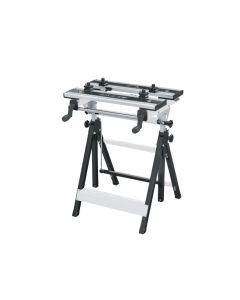
Galvanized steel portable workbench, adjustable in height and tilt. Folding structure with 100kg capacity for workshops and construction sites.
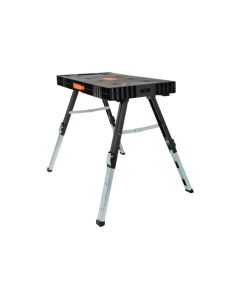
Folding workbench in durable laminate, 129x59 cm. Adjustable to 3 heights with a 150 kg load capacity and integrated wheeled transport system.
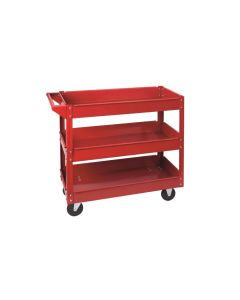
Steel workshop trolley, 150 kg load capacity, dimensions 75x40x77.5 cm. Three tray shelves for dynamic organization of tools and spare parts.
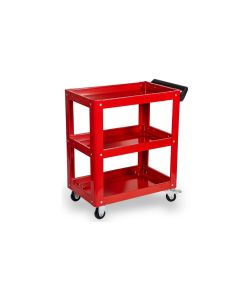
Professional steel workshop trolley, 400 kg capacity, 3 spacious shelves, wheels with brake. Ideal for handling heavy loads.
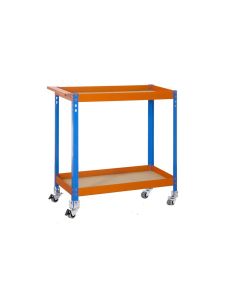
Metal and chipboard workshop trolley, 90x40x103 cm. 150 kg load capacity, quick boltless assembly and integrated wheels for maximum operational mobility.
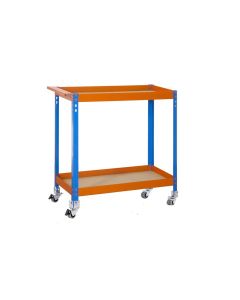
Metal workshop trolley with 2 chipboard shelves, 90x40x103 cm. 150 kg capacity, quick boltless assembly and high-smoothness wheels.
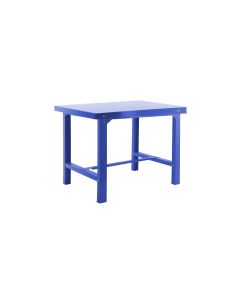
Professional steel workbench, 120x73x83 cm. 600 kg load capacity and liquid-resistant metal top, ideal for workshops and laboratories.
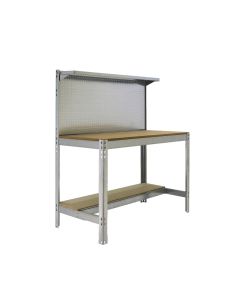
Professional workshop workbench in galvanized steel and wood (91x61x144.5 cm). Load capacity 1200 kg, quick boltless assembly and self-stable frame.
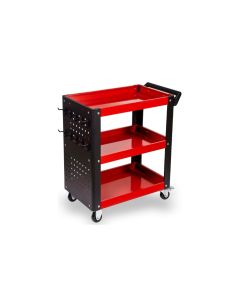
Professional painted steel workshop trolley, 400 kg load capacity, 3 shelves and hook panel. Dimensions 750x420x816 mm, ideal for heavy loads.
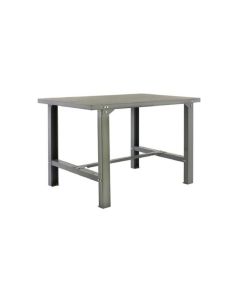
Professional steel work bench with metal top (120x73 cm). 600 kg capacity, resistant to liquids and oils, quick screw assembly.
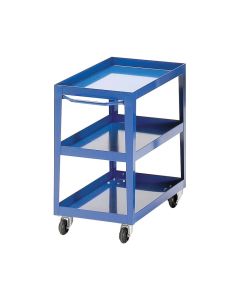
Metal trolley made of sheet steel equipped with rubber wheels with sheet metal support and tubular metal handle. Dimensions: W.80 x D.45 x h.10/75 cm.
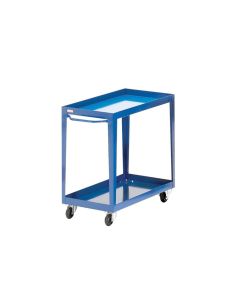
Steel workshop trolley with 2 shelves (80x45 cm) with anti-fall edges and monoblock structure, ideal for transporting tools in industrial environments.
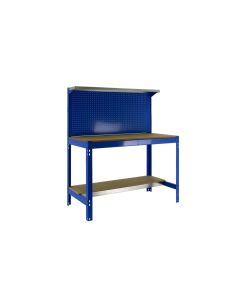
Workshop workbench in steel and wood, 121x61x144.5 cm. Capacity 1800 kg, quick boltless assembly for heavy industrial loads.
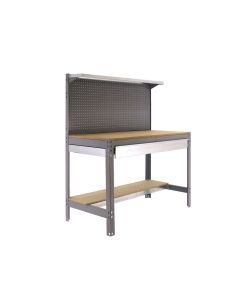
Steel and MDF workbench (91x61 cm). 400 kg capacity per shelf, drawer with telescopic slides and quick boltless assembly in 15 minutes.
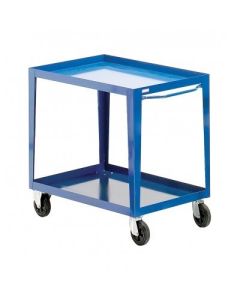
Workshop metal trolley with 2 shelves with perimetric edges. Equipped with rubber wheels with galvanized sheet metal support. Color: blue.
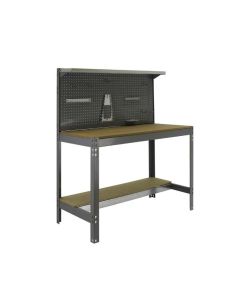
Workshop workbench in steel and wood, 151x61x144.5 cm, capacity 875 kg. Self-standing structure with rapid boltless assembly.
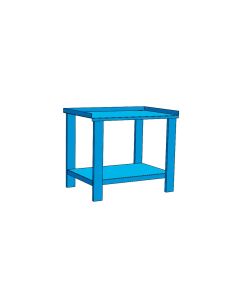
Monoblock workbench for the industrial sector. Load capacity: 1200 kg. Dimensions: W.1000 x D.700 x H.890 mm.
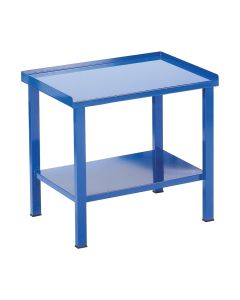
Metal workbench with sheet metal top. Powder-coated tubular steel structure. Color: blue. Dimensions: W.100 x D.70 x h.88 cm.
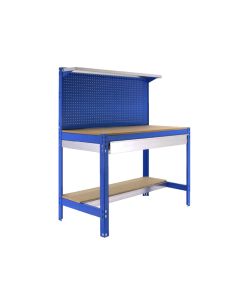
Professional work bench in steel and MDF (121x61x144.5 cm). Load capacity 1800 kg, quick boltless assembly, complete with drawer and perforated panel.
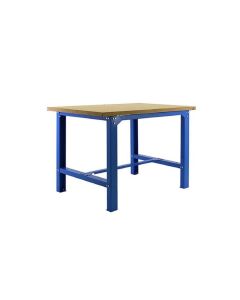
Steel and 35 mm MDF workbench (120x75 cm). 600 kg capacity, self-standing structure with quick screw assembly and protective feet.
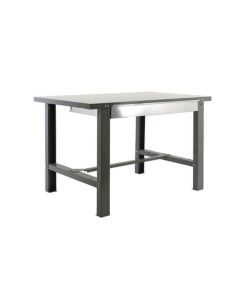
Gray steel workbench (150x73x83 cm) with liquid-resistant metal top, 635 kg load capacity and integrated telescopic drawer.
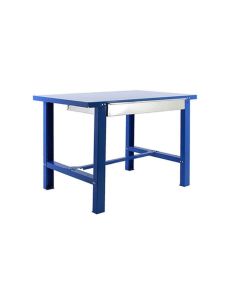
Professional steel workbench, 120x73x83 cm. Anti-corrosion metal top, telescopic drawer and 635 kg load capacity. Quick assembly.
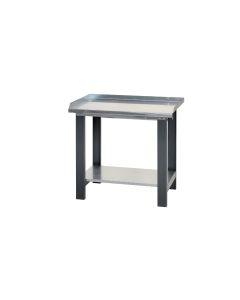
Workshop steel workbench with double reinforced shelf (3 mm and 1.5 mm), dimensions 100x74.5 cm and floor fixing preparation.
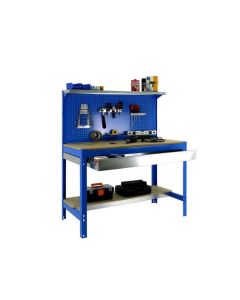
Professional steel and MDF workbench (151x61 cm). 910 kg capacity, quick boltless assembly and integrated drawer with telescopic slides.
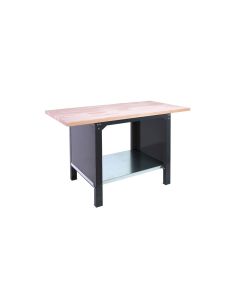
Professional metal workbench, 150x73x83 cm, capacity 600 kg. Includes telescopic drawer and lower shelf for maximum organization.
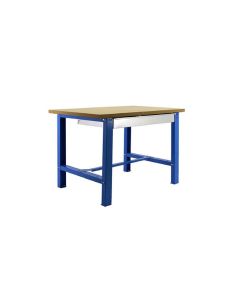
Professional work bench in steel and MDF (120x75 cm). 600 kg capacity and telescopic drawer, ideal for workshops without wall anchoring.
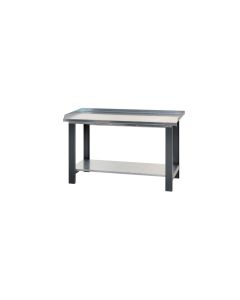
Steel workshop workbench with 3 mm top shelf, dimensions 150x74.5 cm and epoxy powder-coated structure.
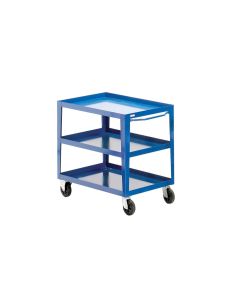
Steel workshop trolley with 3 shelves with perimeter edges, dimensions 100x60 cm, Ø 160 mm rubber wheels and high-resistance monobloc structure.
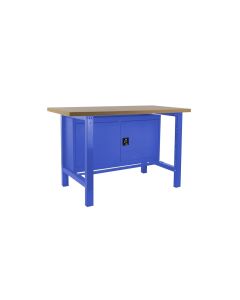
Professional metal and MDF workbench (120x75 cm) with 600 kg load capacity. Includes lockable cabinet for secure tool storage.
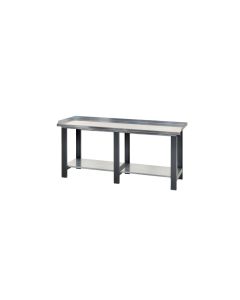
Industrial steel sheet workbench (200x67 cm) with 6 uprights. Load capacity 2000 kg, epoxy painting and floor fixing.
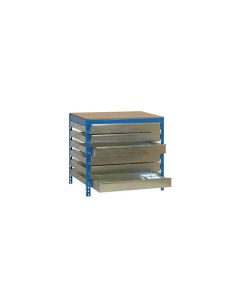
Steel and MDF workbench 121x76 cm. Self-supporting interlocking structure with telescopic drawers and 600 kg load capacity per shelf.
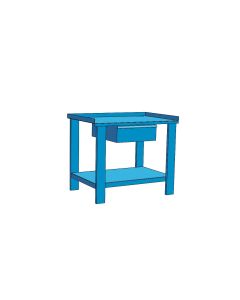
Workshop workbench with drawer unit. Capacity: 1200 kg. Dimensions: 1000 x 700 x H.890 mm.
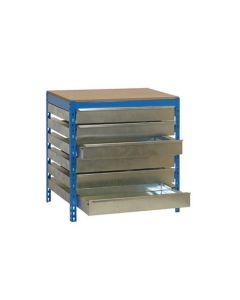
Workshop trolley in steel and MDF (91x61x84 cm). Load capacity 600 kg, telescopic drawers and quick boltless assembly system in 15 minutes.
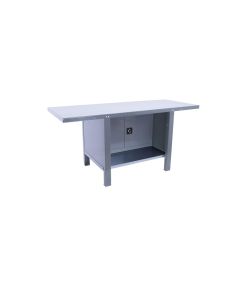
Professional steel work bench with 180 cm metal top. 600 kg capacity and integrated security locker for industrial workshops.
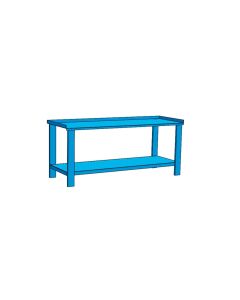
Workshop workbench with sheet metal top. Capacity: 500 kg. Dimensions: 2000 x 700 x 890 mm.
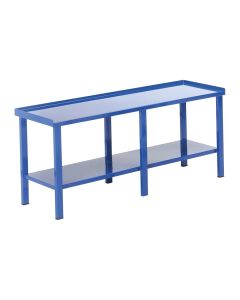
Metal workbench for workshops with sheet metal top. Color: blue RAL 5010. Dimensions: W.200 x D.70 x h.88 cm. 100% Made in Italy.
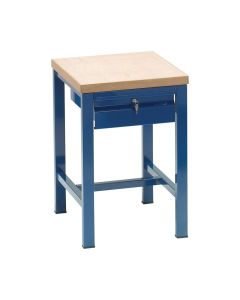
Wooden workbench with sliding metal drawer and lower tubulars. Color: blue RAL 5010. Dimensions: W.60 x D.70 x h.88 cm. Italian product.
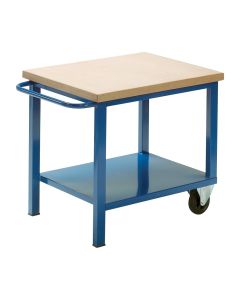
Beech laminated wood workbench equipped with a handle. Available in different variants. Dimensions: W.100 x D.70 x h.87 cm. Italian product.
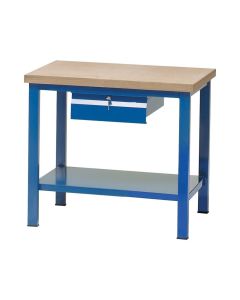
Beech laminated wood workbench complete with metal drawer with key lock. Color: blue RAL 5010. Dimensions: W.100 x D.70 x H.88 cm.
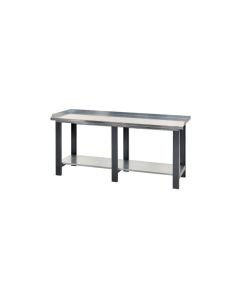
Industrial steel workbench, 3 mm upper top, 200x74.5 cm, structure with 3 uprights and floor-mounting capability.
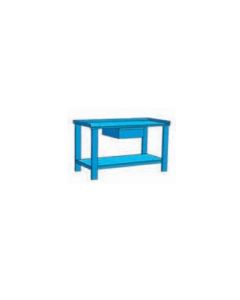
Work bench for workshops with drawer. Capacity: 800 kg. Dimensions: 150 x 70 x H.89 cm.
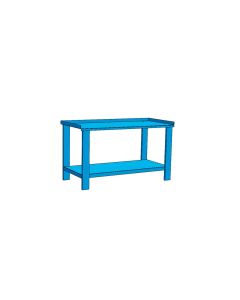
Workbench without drawer with sheet metal top. Capacity: 800 kg. Dimensions: 150 x 70 x H.89 cm.
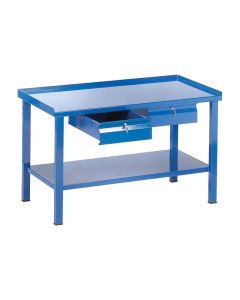
Workshop workbench with sheet metal top with perimeter edges on 3 sides h.20 mm. Color: blue RAL 5010. Dimensions: W.150 x D.70 x h.88 cm.
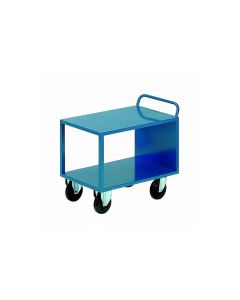
Steel workshop trolley with 2 reinforced shelves, 100x60x79 cm. Equipped with Ø 200 mm wheels for heavy loads and ergonomic monobloc handle.
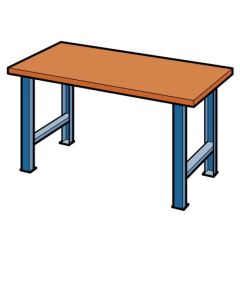
Workshop workbench. In painted steel with multilayer wood top. Dimensions: W. 1500 x D. 800 x h. 870 mm.
Workbench for workshops. Load capacity: 1600 kg. Dimensions: 2500 x 700 x H. 890 mm.
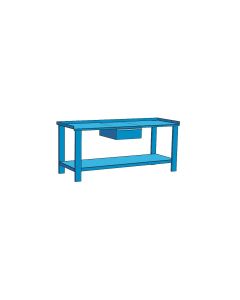
Workbench for workshops with drawer unit. Load capacity: 500 kg. Dimensions: 2000 x 700 x 890 mm.
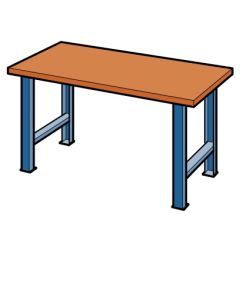
Work table for workshops. Dimensions: W. 1750 x D. 800 x H. 870 mm. In painted steel with multilayer wood top.
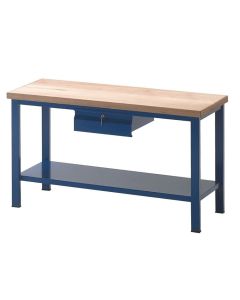
Work table with beech laminated wood top. Structure with sliding metal drawer. Color: blue RAL 5010. Dimensions: W.150 x D.70 x h.88 cm.
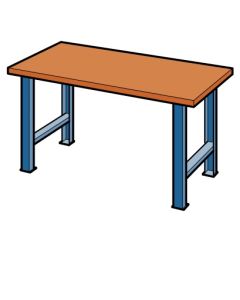
Workshop bench with multiplex wood top and steel sheet supports. Dimensions: L. 2000 x D. 800 x h. 870 mm.
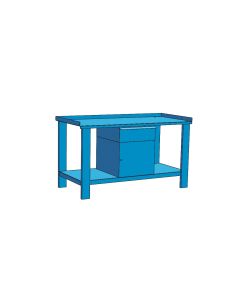
Workshop workbench with door and drawer. Capacity: 800 kg. Dimensions: W.1500 x D.700 x H.890 mm.
Workbench with 3 drawers and sheet metal top. Load capacity: 1200 kg. Dimensions: W.1000 x D.700 x H.890 mm.
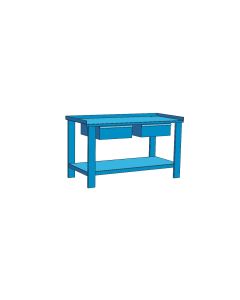
Steel monoblock workbench with 3 mm sheet metal top, 800 kg load capacity and two side drawer units. Dimensions 1500x700 mm for workshops.
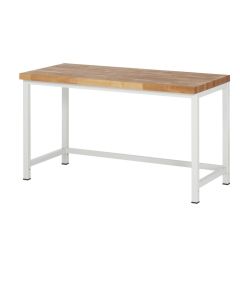
Industrial steel workbench with 40 mm solid beech top. Adjustable height, 1250 kg capacity, ideal for workshops and factories.
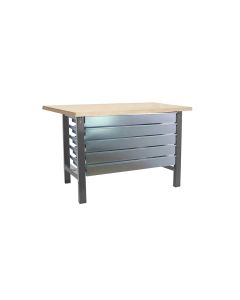
Professional metal and MDF work table, 1200x750 mm, with 5 tool drawers. 600 kg capacity and anti-corrosion structure.
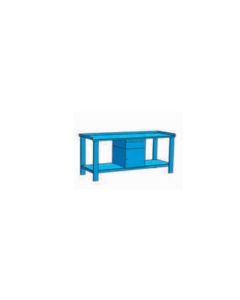
Workshop operational workbench. Load capacity: 500 kg. Dimensions: 2000 x 700 x h.890 mm.
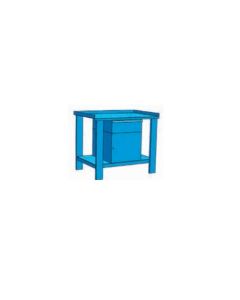
Workshop workbench with monobloc structure and drawer unit. Load capacity: 1200 kg. Dimensions: W.1000 x D.700 x H.890 mm.
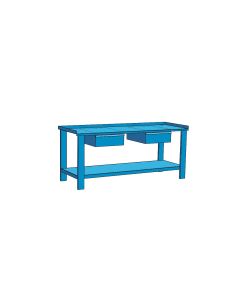
Monoblock workbench with sheet metal top and two drawer units. Capacity: 500 kg. Dimensions: 2000 x 700 x H.890 mm.
Workbench for manufacturing activities. Capacity: 1600 kg. Dimensions: 2500 x 700 x H.890 mm.
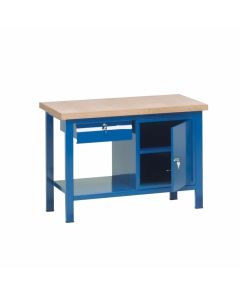
Worktable equipped with metal cabinet and sliding drawer. Tubular steel structure with wooden top. Dimensions: W.120 x D.70 x h.88 mm.
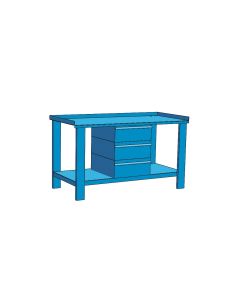
Monobloc workbench with sheet metal top and chest of drawers. Capacity: 800 kg. Dimensions: L.1500 x D.700 x H.890 mm.
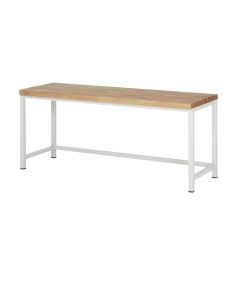
Industrial steel workbench with 40 mm solid beech top. Load capacity 1250 kg, adjustable height 84-104 cm. Supplied assembled.
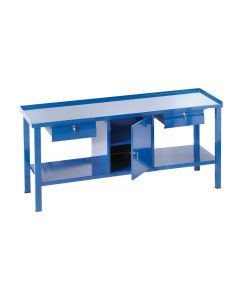
Workshop bench equipped with 2 drawers and 1 cabinet with internal shelf. Lower sheet metal shelf. Dimensions: W.200 x D.70 x h.88 cm. Made in Italy.
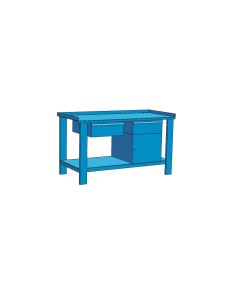
Workbench with drawer units ideal for workshops. Capacity: 800 kg. Dimensions: W.1500 x D.700 x H.890 mm.
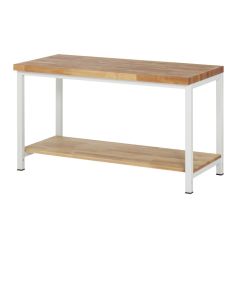
Industrial work bench in steel and 40mm solid beech. Capacity 1250kg, dimensions 150x70cm. Welded structure for workshops and factories.
Workbench for workshops. Capacity: 500 kg. Dimensions: 200 x 70 x H.89 cm.
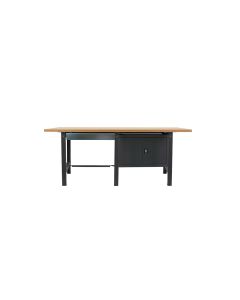
Professional steel workbench with 210 cm MDF top and 600 kg load capacity. Includes integrated drawer and lockable cabinet.
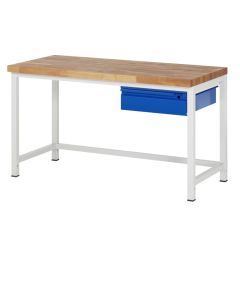
Professional workbench in solid beech (40 mm), height-adjustable frame and 1250 kg capacity. Dimensions 150x70 cm with drawer included.
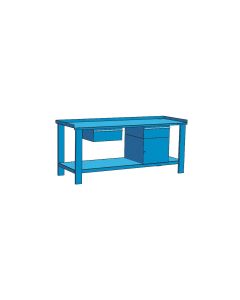
Workshop workbench with sheet metal top and drawer units. Load capacity: 500 kg. Dimensions: W.200 x D.70 x H.89 cm.
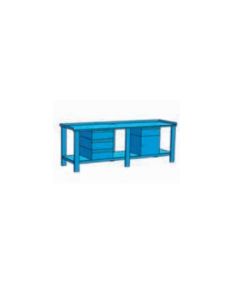
Workbench with 1 drawer unit. Load capacity: 1600 kg. Dimensions: 2500 x 700 x H.890 mm.
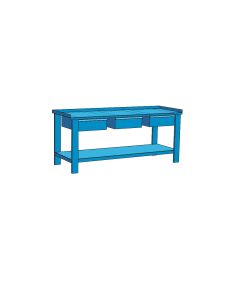
Work bench for manufacturing activities with 3 drawer units. Load capacity: 500 kg. Dimensions: 200 x 70 x H.89 cm.
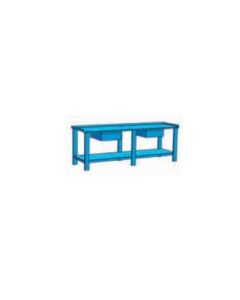
Professional work table with sheet metal top. Capacity: 1600 kg. Dimensions: 2500 x 700 x 890 mm.
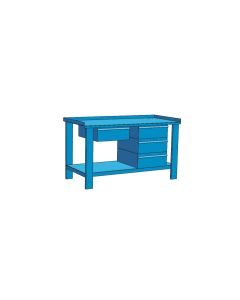
Work bench for workshops with sheet metal top. With drawer units. Dimensions: W.1500 x D.700 x H.870 mm.
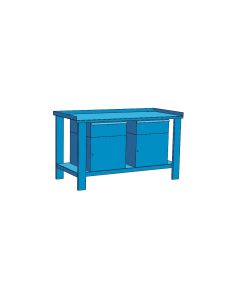
Monobloc workbench with sheet metal top and double drawer unit. Capacity: 800 kg. Dimensions: W.1500 x D.700 x H.890 mm.
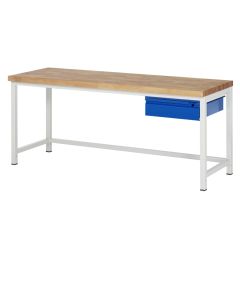
Professional solid beech workbench 200x70 cm with height-adjustable steel structure and 1250 kg capacity for mechanical workshops.
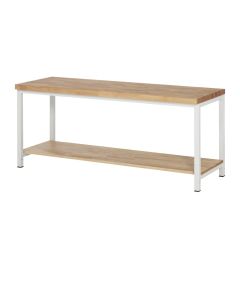
Industrial workbench in solid beech and steel, capacity 1250 kg, dimensions 200x70 cm. Adjustable structure and supplied already assembled.
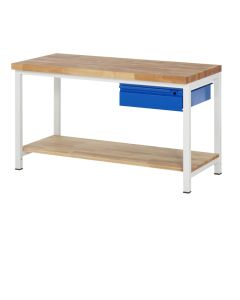
Professional workbench with 40 mm solid beech top, steel frame and 1250 kg load capacity. Dimensions 150x70 cm with drawer and shelf.
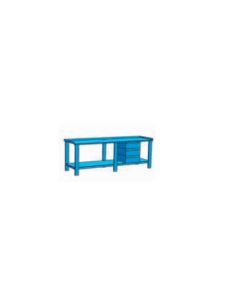
Workbench for workshops. Total capacity: 1600 kg. Dimensions: L.2500 x D.700 x H.890 mm.
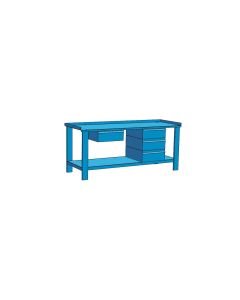
Workshop workbench with 500 kg load capacity. Dimensions: 2000 x 700 x H.890 mm. Color: Blue RAL 5015.
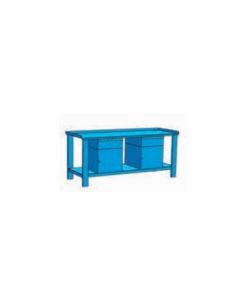
Workbench with drawer units. Capacity: 500 kg. Dimensions: 200 x 70 x H.89 cm.
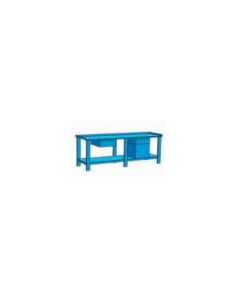
Workshop workbench. Load capacity: 1600 kg. Dimensions: 2500 x 700 x H.890 mm.
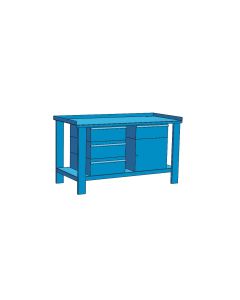
Workshop workbench with drawer units. Load capacity: 800 kg. Dimensions: 1500 x 700 x H.890 mm.
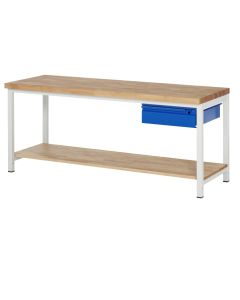
Industrial workbench in 40mm solid beech with drawer and shelf. Load capacity 1250kg, ideal for workshops and mechanical laboratories.
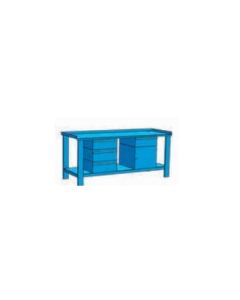
Operating workbench for workshops. Capacity: 500 kg. Dimensions: 200 x 70 x H.89 cm.
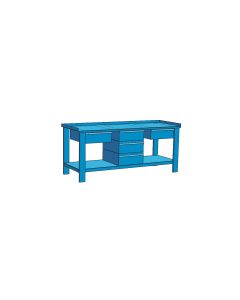
Workbench with 3 drawer units and sheet metal worktop. Dimensions: 200 x 70 x H.89 cm.
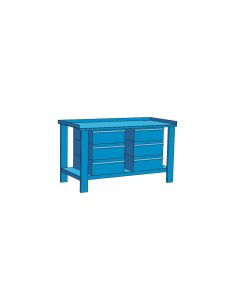
Workshop workbench with 2 cabinets with 3 drawers each. Load capacity: 800 kg. Dimensions: 1500 x 700 x H.890 mm.
Operational workbench. Capacity: 1600 kg. Dimensions: 250 x 70 x H.89 cm.
Monobloc metal workbench for workshops, 3 mm sheet metal top, 2500x700 mm, 1600 kg capacity and integrated double drawer units.
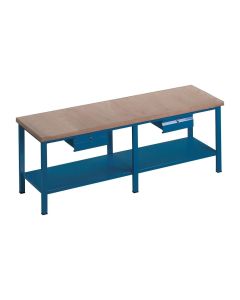
Workshop workbench equipped with two drawers. Steel tubular structure with beech laminated wood top. Dimensions: W.250 x D.70 x h.88 cm.
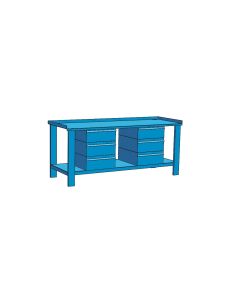
Monobloc steel workshop workbench with sheet metal top, 200x70 cm. Includes 2 triple drawer units and reinforced structure with 500 kg load capacity.
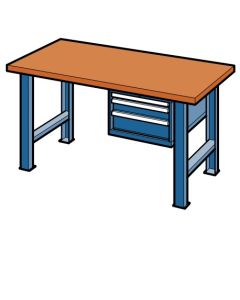
Workbench in painted sheet steel and multiplex wood top. With 3-drawer unit. Dimensions: W. 1500 x D. 800 x h. 870 mm.
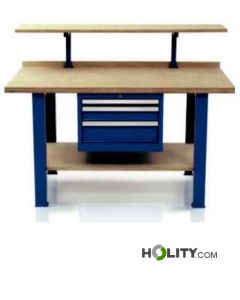
Workbench in sheet steel and multilayer wood. With drawer unit and 1 shelf. Dimensions: W. 1500 x D. 800 x h. 870 mm.
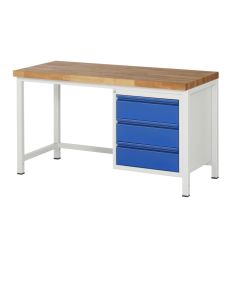
Professional workbench with 40 mm solid beech top, adjustable height and 3 drawers. Load capacity 1250 kg, supplied already assembled.
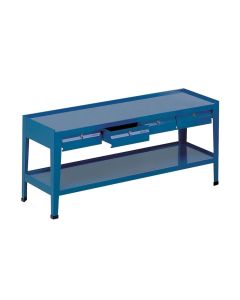
Workshop bench with wooden top covered in sheet metal. Number of drawers: 4. Color: blue. Dimensions: L.200 x D.70 x h.90 cm. Italian Product.
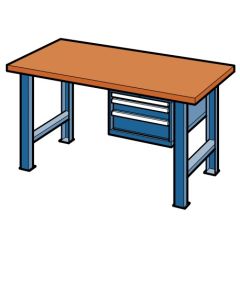
Worktable with 3-drawer unit. W. 1750 x D. 800 x h. 870 mm. Made of painted sheet steel. Multiplex wood top.
Workshop workbench. Capacity: 1600 kg. Dimensions: 2500 x 700 x H.890 mm.
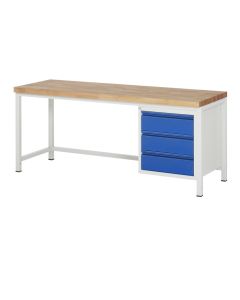
Professional workbench in 40 mm solid beech wood, 200x70 cm, with 3 drawers and adjustable height. Load capacity 1250 kg, pre-assembled structure.
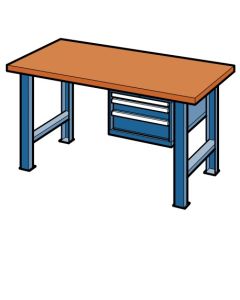
Workbench equipped with a 3-drawer unit. W. 2000 x D. 800 x h. 870 mm. Made of sheet steel and multiplex wood top.
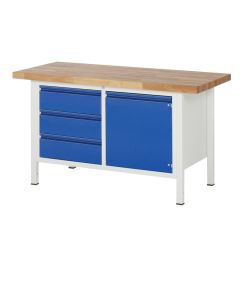
Professional solid beech workbench (150x70 cm) with 3 drawers, adjustable height and 1250 kg capacity. Robust and ready to use.
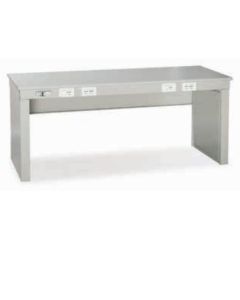
Professional electric workbench 1500x800 mm, 28 mm scratch-resistant laminate top, cable duct with 6 sockets and legs with lockable safety compartments.
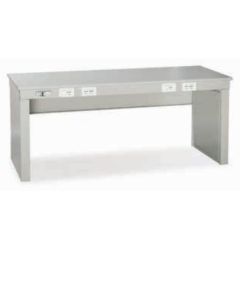
Electrified workbench in scratch-resistant laminate (2000x800x870 mm) with storage legs and a duct equipped with 6 sockets and integrated protections.
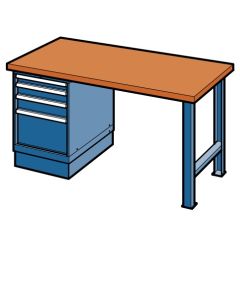
Professional work table in steel and beech multiplex wood 1750x800 mm, with 4-drawer unit and floor anchoring system.
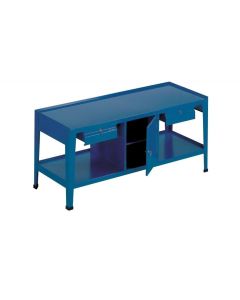
Workbench h286_70 (200x70xH90 cm) in blue RAL 5010 steel with 43 mm wood top covered in sheet metal, 2 drawers and cabinet.
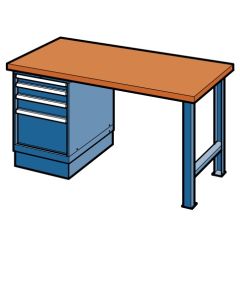
Industrial workbench 2000x800 mm with 40 mm beech multiplex wood top, 4-drawer unit and floor-fixable steel structure.
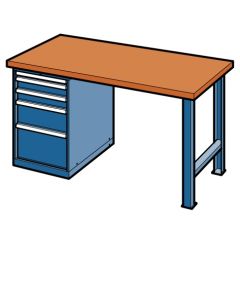
Professional workbench 1750x800 mm in steel and 40 mm beech multiplex, with a 5-drawer high-capacity drawer unit and floor fixing.
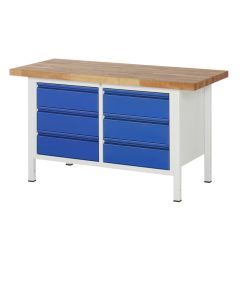
Industrial workbench with 40 mm solid beech top, 6 drawers and 1250 kg capacity. Steel structure for workshops and laboratories.
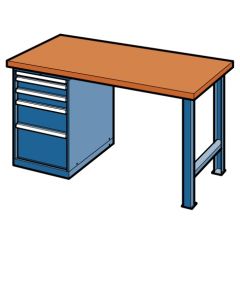
Professional workbench 2000x800 mm in steel and 40 mm beech multiplex wood, with 5-drawer cabinet and floor fixing preparation.
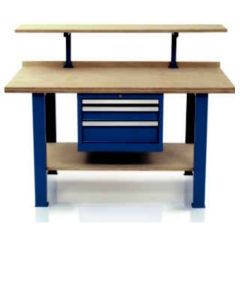
Workbench with drawer unit and shelf. In sheet steel and multilayer wood. Dimensions: W. 2000 x D. 800 x h. 870 mm.
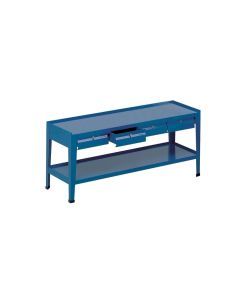
Metal workbench h286_71 200x70xH90 cm in RAL 5010 blue steel with 43 mm wood top covered in sheet metal, 4 Art. 706 drawers and shelf.
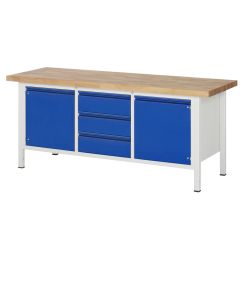
Professional workbench with 40 mm solid beech top, adjustable height and 1250 kg load capacity. Includes 3 drawers and 2 hinged doors.
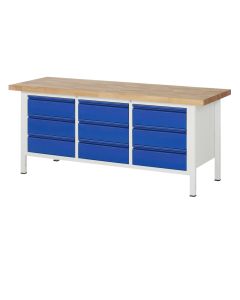
Professional workbench with solid beech top, 9 drawers and height-adjustable frame. Load capacity 1250 kg, ideal for mechanical workshops.
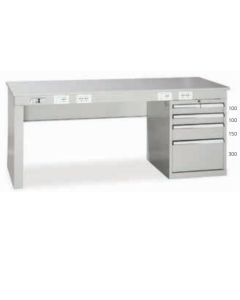
Professional 2000x800 mm electric workstation in scratch-resistant laminate with 4-drawer unit and integrated electrified trunking.
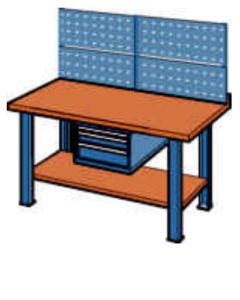
Fixed workbench in steel and beech multiplex wood (1500x800 mm) with 4 perforated panels, 3-drawer unit and floor-fixable structure.
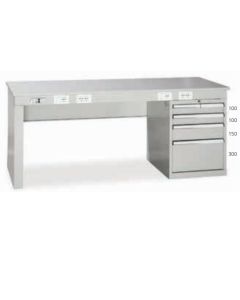
Professional electric workbench in RAL 7035 metal, 1500x800 mm scratch-resistant laminate top, 4-drawer unit and electrified trunking.
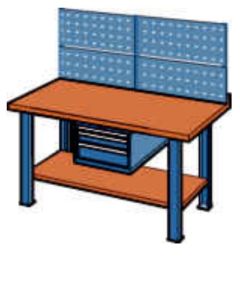
Professional workbench 2000x800 mm in steel and beech multiplex wood, with 4 perforated panels and 3-drawer unit for organized workshops.
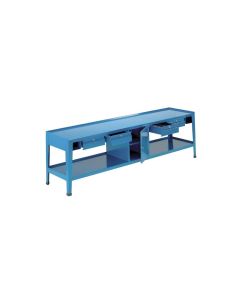
Metal workbench h286_67 in RAL 5010 blue steel with wood and sheet metal top (300x70xH90 cm), 4 drawers, cabinet and 2 rag holders.
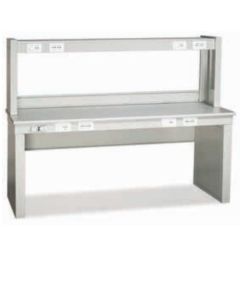
Electric workbench in sheet metal and scratch-resistant laminate, 1500x800x1540 mm, double integrated electrified duct for laboratories and industry.
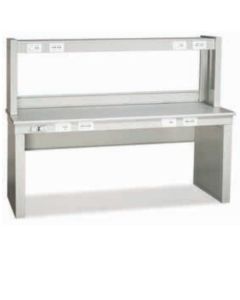
Electric workbench with riser, scratch-resistant laminate top 2000x800 mm, double electrified trunking and legs with protected storage compartments.
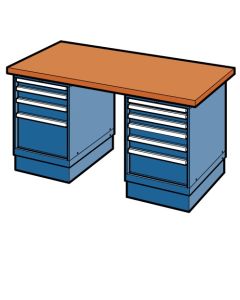
Industrial steel workbench with 40mm beech multiplex top, double drawer unit (4 and 6 drawers), dimensions 1750x800x870 mm.
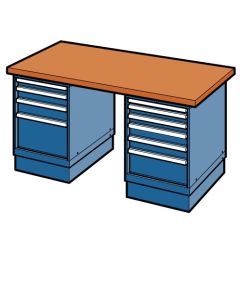
Steel workshop bench with beech multiplex wood top, 2000x800 mm. Double drawer unit with 10 total drawers with a capacity of 75 kg each.
Workbenches and workshop trolleys are fundamental elements of production organization in industrial, laboratory, and artisanal environments. These structural components constitute the operational hub where assembly, maintenance, repair, and material processing activities are concentrated. Choosing an unsuitable solution leads to operational inefficiencies, operator fatigue, and a reduction in overall production capacity. Modern workbenches combine structural robustness, configurational versatility, and adaptability to available spaces, while workshop trolleys ensure the strategic mobility of components and tools necessary for different work phases.
The availability of diversified solutions allows for a response to multiple operational needs: from small service laboratories to large specialized workshops, from light processing to the handling of heavy loads. Each type of workbench or trolley implies specific construction characteristics, appropriate materials, and load capacities calibrated to actual usage requirements.
The rationalization of operational space represents one of the primary advantages associated with the implementation of workbenches and workshop trolleys that meet specific needs. A well-organized workstation reduces component management times, minimizes unproductive movements, and allows for better posture ergonomics during activities. Investment in dedicated equipment produces tangible effects on the quality of work performed, as operators have stable surfaces, orderly spaces for tools, and easily accessible shelves. Furthermore, the use of professional workbenches and trolleys facilitates the adoption of standardized procedures, essential for ensuring compliance with safety standards in industrial sectors subject to stringent regulation.
From an operational practicality standpoint, workshop trolleys allow for the rapid transfer of materials between different points of the production line or laboratory, reducing worker fatigue and cutting cycle times. Workbenches equipped with drawers and multiple levels favor organization by tool category, facilitating both rapid localization and preventive maintenance of the instrumental assets. Installing workbenches and trolleys in the right spaces also optimizes workflows, eliminating bottlenecks and creating an environment where communication between teams is more effective thanks to a logical layout of workstations.
The range of solutions includes fixed and modular workbenches, characterized by galvanized or epoxy powder-coated steel structures, available with metal, laminate, or MDF tops of various thicknesses. Portable and folding workbenches represent a specific category aimed at environments where spatial flexibility is a priority, such as temporary construction sites or mobile maintenance areas. Variants include solutions with single or multiple shelves, telescopic drawers for storing small tools, perforated panels for vertical hanging, and combinations with integrated cabinets for managing complex inventories. Load capacities range from 150 kg up to 1800 kg depending on structural strength and intended use, allowing for the selection of the appropriate solution for light work or sustained industrial loads.
Workshop trolleys are divided into two or three-shelf configurations, with materials in sheet steel or painted tubular steel, equipped with rubberized wheels to ensure mobility even on irregular floors. Some models incorporate anti-fall perimeter edges, ergonomic handles, and braking systems in the wheels for safety during loading and unloading. Dimensions vary significantly: from compact 75x40 cm trolleys to larger 100x60 cm models, allowing the solution to be adapted to available logistical spaces. Particular solutions include trolleys with height-adjustable platforms, ideal when processing requires multiple workstations at different elevations.
Correct selection begins with a realistic evaluation of the maximum load the workstation must support during ordinary operations, considering not only the weight of the tools but also the simultaneous handling of materials in process. A frequent error consists of undersizing the load capacity based on average loads, ignoring the operational peaks that inevitably occur in intensive work situations. It is essential to check if the chosen structure allows for floor fixing, a decisive factor when loads exceed 400 kg or when vibrations generated by processing could compromise stability. The size of the work surface must be proportionate both to the available space in the workshop and the type of components managed: processing large-sized parts requires wider tops, while fine assembly activities can utilize more compact benches.
The choice between fixed and mobile solutions depends on the operational layout: fixed benches guarantee maximum stability and high load capacity, while trolleys offer flexibility when processing is distributed across multiple process zones. Evaluating the need for vertical storage spaces (drawers, perforated panels, cabinets) represents a discriminating criterion, as the presence of these elements significantly reduces clutter and improves the safety of common areas. For environments with frequent cleaning needs or exposure to liquids, opting for metal surfaces rather than wood or MDF protects structural integrity over time. An often overlooked aspect concerns the working height: benches at 83-88 cm are standard for most operations, but environments with particularly tall operators could benefit from adjustable solutions.
The design and certification of industrial workbenches primarily follow the UNI EN 1570 standard, which specifies criteria for structural safety, stability under load, and resistance requirements to concentrated loads. This regulation includes progressive failure tests, static and dynamic stability checks, as well as checks on the roughness of the support surfaces to avoid accidental slips. Workshop trolleys must comply with standards for the stability of transport trolleys, particularly regarding the tipping angle and correct distribution of loads on the shelves. CE compliance certification is mandatory for all products marketed in the EU, certifying adherence to safety and operator protection criteria during ordinary and foreseeable use phases.
Specific requirements concern the wear resistance of contact surfaces, particularly relevant in environments subject to the spilling of lubricants or coolants. Benches intended for processing with dust or particulate emissions must be made of easily sanitizable materials, favoring metal structures over wood, where residues could accumulate. For installations in Ex environments (at risk of explosion) or in chemical laboratories, verification of compatibility with specific local regulations will be necessary. Accessibility for people with motor disabilities, when relevant, may require adjustable heights or specific solutions that ensure ergonomic use in compliance with disability directives.
Explore all the products in the category and compare the available solutions to find the one best suited to your operational context. The full range offers diverse configurations, from portable solutions for construction sites to professional workbenches for specialized workshops, allowing you to quickly identify the solution that maximizes the productivity and safety of your operation.
A fixed workbench guarantees maximum stability and high load capacities up to 1800 kg, ideal for permanent workshops with sustained loads. Folding workbenches prioritize mobility and spatial adaptability, perfect for temporary construction sites or environments where space is frequently reduced, although with lower load capacities (100-300 kg).
For ordinary work on engines and automotive components, a capacity of 600-800 kg per shelf is standard. If the work includes handling engine blocks or complete chassis parts, choosing solutions from 1200-1800 kg ensures adequate safety margins and avoids structural failure over time.
Two-shelf trolleys offer construction simplicity and storage for volumetric loads, while three-shelf models maximize the vertical organization capacity of components. The choice depends on the type of tool managed: a two-shelf trolley for small heavy pieces, three shelves for micro-components and diverse tools.
Workbenches up to 400-600 kg of capacity per shelf remain self-stable without anchoring if the height/depth ratio is suitable. For higher capacities or environments with vibrations, floor or wall fixing is recommended to prevent accidental tipping during intense operations or lateral movement of the operator.
Laminated metal tops (galvanized steel) or epoxy powder-coated ones effectively resist oils, coolants, and common solvents. MDF and wood absorb liquids causing swelling and deterioration: it is advisable to choose metal tops for industrial environments exposed to chemical contaminants.
The standard height is 83-88 cm from the floor to the work surface, suitable for most operators between 160-180 cm. Significantly taller operators can use adjustable solutions (80-100 cm) to maintain correct posture and reduce lower back fatigue during prolonged shifts.
Trolleys equipped with die-cast rubber wheels (160-200 mm diameter) easily handle irregular and rough floors. On gravel or very uneven surfaces, larger wheels (200+ mm) guarantee better maneuverability. Always check the diameter and material of the wheels before purchasing based on the characteristics of the floor.
Telescopic drawers with ball-bearing slides separate small tools; vertical perforated panels allow rapid hanging of frequent tools; lower shelves multiply space; closed cabinets protect sensitive components from dust. Adding these elements transforms the bench into an integrated work center, reducing clutter and tool search times.
 English
  Italian
 French
 German
 Spanish