
mon-fri 9-13 / 14.30-18.30
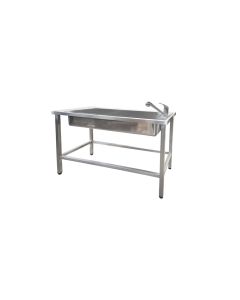
Steel pre-operative washing tub for veterinary use, 110x50x85 cm. Depth 20 cm, ideal for the decontamination of dogs and cats.
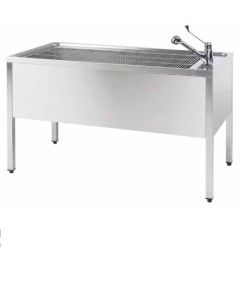
Pre-operative scrub sink with removable grids, single-hole mixer with pull-out shower head.

Professional pre-surgical veterinary sink in AISI 304 stainless steel, 110x50x85 cm. With mixer and reversible right/left configuration.

Professional pre-surgical sink in AISI 304 stainless steel (140x70 cm) with pressed bottom and pull-out shower for veterinary pre-operative hygiene.
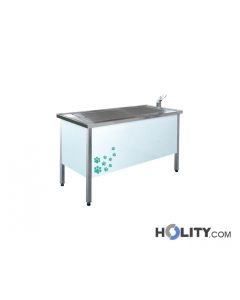
Professional pre-surgical sink for veterinary use, 110x50x85 cm. 37 cm deep structure for preoperative hygiene and contamination control.
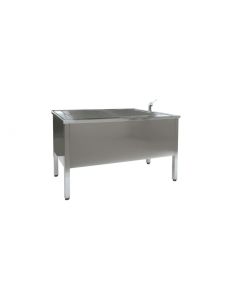
Professional pre-surgical sink in AISI 304 stainless steel (110x50x85 cm) with molded bottom and pull-out spray mixer for veterinary hygiene.
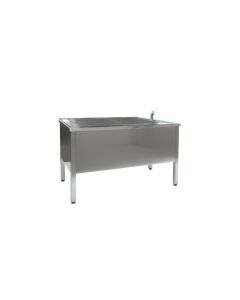
Veterinary washing sink with pull-out spray mixer. Internal sink depth: 37 cm. Dimensions: W140xD70xH85 cm.
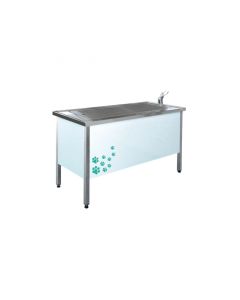
Professional AISI 304 stainless steel washing sink for veterinary clinics, 140x70 cm with pull-out spray head for pre-surgical hygiene.
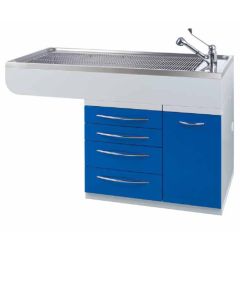
Washing tub complete with cabinet, with removable grids and single-hole mixer with pull-out spray head.
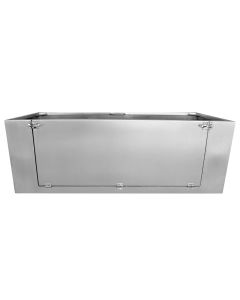
Dog washing tub for canine grooming. Dimensions: W.130 x D.60 cm. Material: stainless steel.
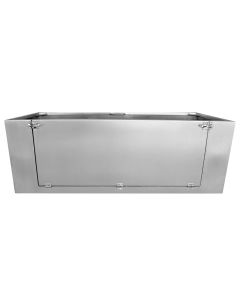
Veterinary wash tub. Material: stainless steel. Dimensions: W.145 x D.60 cm. With hair collection filter.
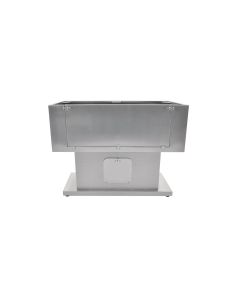
Animal washing tub for veterinary use. Material: AISI 304 stainless steel. Dimensions: W.145 x D.60 x h.97 cm.
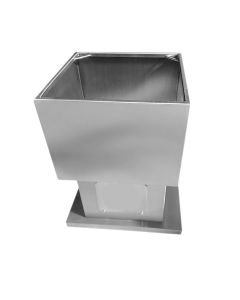
Veterinary washing tub. Dimensions: W.60 x D.60 x H.97 cm. Material: stainless steel.
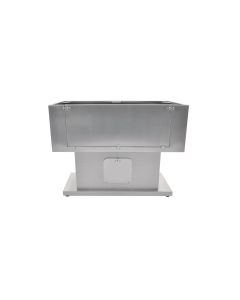
Grooming tub in AISI 304 stainless steel. Dimensions: W.130 x D.60 x h.97 cm. With hair collection filter.
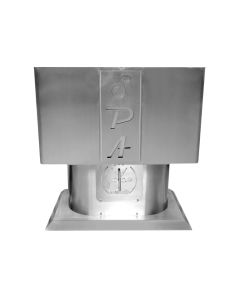
Rectangular SPA grooming bathtub. Dimensions: W.90 x D.60 cm. Internal depth: 55 cm.
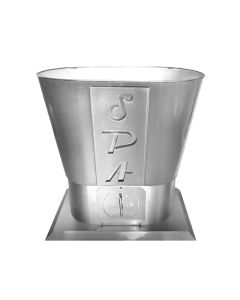
Oval washing bathtub for dogs and cats. Material: AISI 304 stainless steel. Dimensions: L.95 x D.60 x h.97 cm.
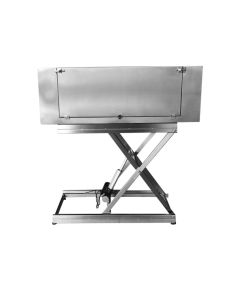
Dog and cat washing tub with electrically adjustable height. Dimensions: W.130 x D.60 x H. 30-100 cm.
Veterinary washing tubs represent a fundamental infrastructural element within clinics, surgeries, and veterinary practices. These systems allow for efficient management of pre-operative hygiene for animals, from therapeutic baths to preliminary decontamination before surgery. Made mainly of AISI 304 stainless steel, they guarantee resistance to corrosion, ease of sanitization, and compliance with the hygiene standards required by the medical-veterinary sector.
The choice of a washing tub significantly impacts the quality of clinical procedures: an adequately sized, ergonomic structure equipped with water control systems allows for the optimization of operating times, reduces the animal’s stress, and maintains suitable sanitary conditions. The solutions available range from compact models for small practices to professional systems with electric height adjustment, pull-out mixers, and advanced filtration systems.
A professional veterinary washing tub offers concrete benefits from both an operational and clinical point of view. The stainless steel structure guarantees total hygiene, resistance to chemical agents used in sanitization, and durability over time. Investing in a quality tub reduces the risk of cross-contamination, which is essential when working with animals that are potential carriers of pathogens. Furthermore, an ergonomically designed tub minimizes staff fatigue during washing procedures, a critical factor considering the number of animals processed daily in an active clinic. The appropriate depth of the tub and the presence of removable grids facilitate control of the animal, improve operational safety, and allow for complete cleaning even in the most difficult-to-reach areas.
From the perspective of the animal’s experience, a stable tub with a non-slip bottom and well-dimensioned spaces reduces anxiety during therapeutic bathing or pre-surgical preparation. Mixing systems with a pull-out spray head allow for precise regulation of water temperature and pressure, avoiding thermal stress. For facilities that manage high volumes of animal patients, the choice of a tub with electrically adjustable height represents a significant ergonomic advantage, preventing musculoskeletal pathologies in veterinary and technical staff.
Veterinary washing tubs are mainly divided into three functional categories. Pre-surgical tubs are specifically designed for preliminary decontamination, with compact dimensions (generally between 110x50 and 140x70 cm) and depths varying from 20 to 37 cm. These are characterized by fixed or pull-out mixers, removable grids, and robust structures capable of supporting medium-sized animals. Grooming and therapeutic bath tubs, on the other hand, have greater heights (80-100 cm), and are often equipped with movement systems to facilitate the animal’s access and reduce the risk of falling. Some models include filters for collecting hair, reducing the clogging of drainage systems. A third category includes SPA tubs with advanced features, such as hydromassage or integrated heating systems, intended for clinics specializing in veterinary physiotherapy or luxury facilities dedicated to animal well-being.
Construction differences also reflect intended uses: tubs intended for large dogs require more robust and deeper structures, while those for small animals (cats, rabbits, rodents) can be more compact. The choice of bottom material is critical: embossed bottoms offer better grip, while flat ones facilitate cleaning. Single-hole pull-out mixers are the standard for practicality, although some models retain the fixed mixer for environments with very limited space. AISI 304 stainless steel is almost universal, guaranteeing adequate resistance in all veterinary clinical contexts.
The choice of a washing tub requires a careful evaluation of various technical and organizational factors. The first criterion is the type of animals treated: a generalist veterinary clinic that welcomes dogs of various sizes will have different needs than a practice specialized in small animals. The dimensions of the tub must allow for the controlled movement of the animal without excessive restrictions, reducing behavioral stress. Internal depth is a parameter that is often underestimated: tubs that are too shallow make it difficult to control agitated animals, while excessive depths involve a greater waste of heated water and difficulty of access for older staff or those with physical limitations. The space available in the clinic is a real constraint: compact pre-surgical tubs (110x50 cm) are suitable for facilities with limited square footage, while larger clinics can benefit from larger models (140x70 cm) that reduce the number of daily use cycles.
A critical aspect concerns the height of the tub: fixed-height models (generally 85 cm) are economical but require prolonged working postures. Tubs with electric height adjustment (range 30-100 cm) involve a greater investment but prevent muscle fatigue for the staff and improve ergonomics. The mixing system must be evaluated based on the frequency of use: high-volume clinics benefit from robust mixers with certified pull-out spray heads, while facilities with occasional use can opt for simpler solutions. The use of removable grids is recommended to simplify cleaning, especially when the tub accommodates animals with high shedding. Finally, check if the facility has compatible drains and water connections: some models require specific installations or significant plumbing interventions that must be quantified beforehand.
Veterinary washing tubs are not subject to safety regulations as specific as, for example, operating tables, but they must still comply with general hygiene and safety standards in the workplace. CE certification for the material (AISI 304 stainless steel) is the minimum requirement, certifying that the product does not release contaminating substances into the work environment. European directives on ergonomic design (EN 12100 and derivatives) influence the geometry and standard height of the tubs, although many manufacturers offer customized solutions. Drainage systems must comply with local plumbing standards and, in many cases, include anti-siphon traps to avoid backflow. Some countries require that installation be carried out by certified technicians, especially when the tub is accompanied by complex hydraulic or electrical components.
From a veterinary biosecurity perspective, regional health authorities recommend that tubs be designed to facilitate sanitization with broad-spectrum disinfectants (based on chlorine, aldehydes, or peroxide) without being damaged. This implies the choice of sealants and coatings resistant to acids and oxidizing agents. Preventive maintenance is critical: periodic checks of drainage systems, inspection of seals, and verification of the functioning of the mixers are part of the biological risk management obligations. Some veterinary clinics operating with accredited standards (ISO 9001 applied to the veterinary sector) require additional documentation on the origin and traceability of the tub. For facilities located in areas with water restrictions, the choice of low water consumption models is recommended, although this is not a regulatory obligation but a sustainable choice.
Explore all products in the category and compare the available solutions to find the one best suited to your operational context, considering space, workload, and specific veterinary clinical needs.
The pre-surgical tub is designed for rapid decontamination before surgeries, with a shallow depth (20-37 cm) and compact dimensions. The grooming tub has a greater height (80-100 cm), allows for full bathing of the animal, and often includes hair filters. Choose pre-surgical if your use is primarily clinical-preparatory, grooming if you need to perform full therapeutic washes.
Yes, AISI 304 resists common disinfectants (chlorine, aldehydes, peroxides) very well up to the standard recommended concentrations. Avoid prolonged contact with very acidic products or those based on pure muriatic acid. Always rinse thoroughly after disinfection to preserve the surface in the long term.
A standard 110x50 cm tub consumes about 150-200 liters per fill. In a high-volume clinic (20-30 daily washes), considering rinsing and cleaning, monthly consumption can reach 1500-3000 liters. Tubs with pull-out spray heads and controlled mixers reduce consumption compared to continuous flow models.
Certainly. Compact models (110x50 cm, height 85 cm) occupy approximately 0.55 square meters of floor space and are suitable for small practices. Make sure there is enough space to open doors and access from all sides. Consult the installer regarding hydraulic fittings and drainage, which may require preliminary work.
A fixed-height tub (standard 85 cm) forces fixed postures, causing lumbar fatigue after a few hours. With 30-100 cm adjustment, staff adapt the height to their body size and the type of animal, better distributing the effort. This significantly reduces recovery times after long shifts and decreases absenteeism.
The embossed bottom features micro-grooves that improve the grip of the animal’s paws, reducing the risk of slipping and panic during washing. It is particularly useful for older dogs, nervous animals, or small cats. A smooth bottom is easier to clean but less safe for the animal.
Standard pre-surgical tubs in AISI 304 stainless steel start from about 1,800-2,200 euros (excluding VAT). Models with removable grids, pull-out mixers, or electrically adjustable height reach 3,000-6,000 euros. The price reflects construction robustness and the guarantee of durability beyond 10 years.
Yes, tubs with electric lifting require a stable electrical connection (generally 220V single-phase) and a drainage outlet suitable for the water flow. Entrust the installation to certified technicians. Periodic maintenance of the motors and seals is mandatory to preserve functionality and operational safety.
 English
  Italian
 French
 German
 Spanish