
mon-fri 9-13 / 14.30-18.30
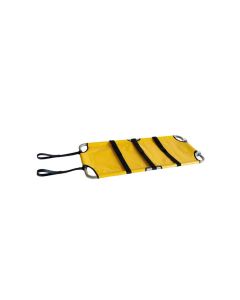
Veterinary stretcher for animals, in stainless steel and PVC fabric, with straps and wheels. Dimensions: W 125 x D 62 x H 7 cm.
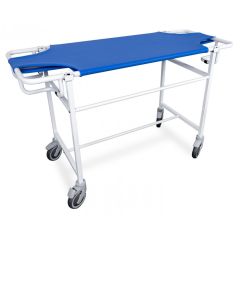
Veterinary trolley stretcher with wheeled frame and removable stretcher. Total dimensions: L. 130 x W. 52 x h. 81 cm. Maximum load: 150 kg.
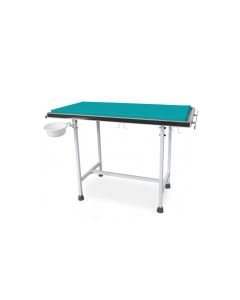
Stretcher with stainless steel top for veterinary use with mattress and non-slip mat. Dimensions: W 142 x D 65 x H 90 cm.
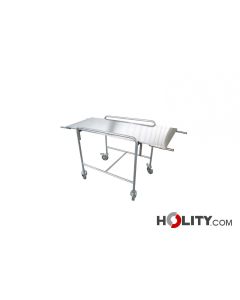
Animal transport stretcher in 304 stainless steel on wheels. Trolley dimensions: W.80.5 x D.57 x H.78 cm.
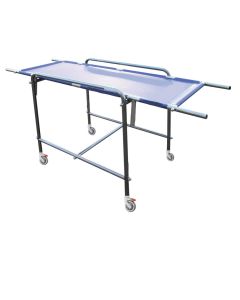
Animal transport stretcher with waterproof canvas top. Trolley dimensions: W80.5xD57xH78 cm.
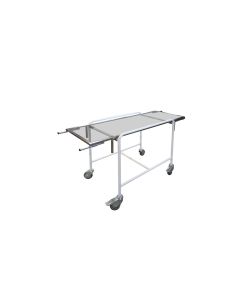
Animal transport stretcher with AISI 304 stainless steel frame and radiotransparent Lexan top. Platform dimensions: Dimensions: W130xD50xH16 cm.
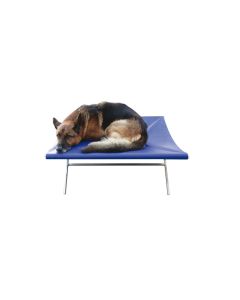
Anti-decubitus stretcher for veterinary practice. Fire reaction class 1. Fungistatic treatment. Dimensions: W100xD70xH40 cm.
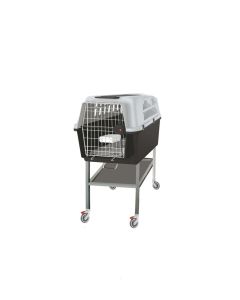
Emergency cat transport stretcher with stainless steel trolley on wheels. Trolley dimensions: W59xD89xH78 cm.
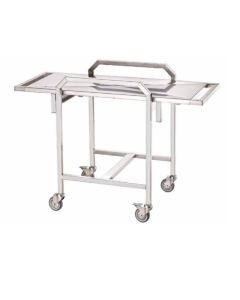
Stainless steel stretcher on wheels for animal transport.
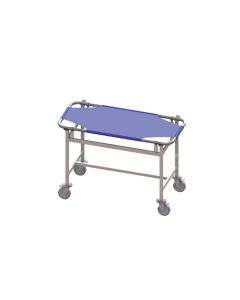
Animal stretcher with removable wheels and brakes. Total dimensions: L 100 x D 55 x h 96.6 cm.
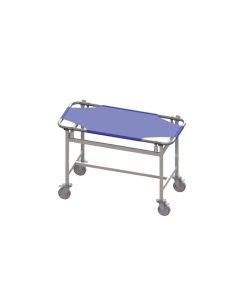
Stretcher with removable wheel support, brakes included. Total dimensions: W 102 x D 57.5 x H 96.6 cm.
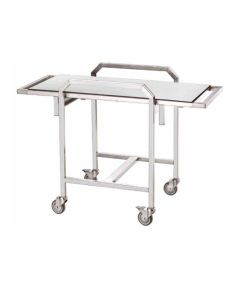
Veterinary hospitalization cage on wheels with stainless steel frame and removable radiolucent top.
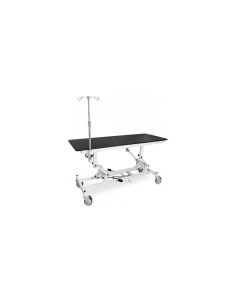
Stretcher with hydraulically adjustable height, with braking wheels. Dimensions: W 160 x D 73 x H from 47 to 88 cm.

Veterinary trolley with adjustable height, non-slip surface and braking wheels. Dimensions: W 160 x D 80 x H from 47 to 88 cm.

Stretcher with holes and removable tray for the safe transport of animals. Dimensions: W 110 x D 60 x H 82.4 cm.
Veterinary stretchers represent specialized equipment essential for any facility dedicated to animal medicine, from small animal clinics to inpatient and recovery centers. These devices are specifically designed for the safe transport and positioning of dogs, cats, laboratory animals, and other species, maintaining the animal's physical integrity during diagnostic, therapeutic, and hospitalization procedures. The construction quality and technical characteristics of a veterinary stretcher directly impact the animal's safety, the prevention of iatrogenic injuries, and the operational comfort of the veterinary medical staff.
Choosing the appropriate stretcher requires a careful evaluation of multiple technical parameters: the maximum supported weight must correspond to the prevalent type of patients treated, the surface material must guarantee both hygiene and diagnostic capability, and the structural configuration must facilitate access for specific procedures such as infiltrations, dressings, and radiological examinations without risks of unwanted movement of the animal.
A certified veterinary stretcher made with professional materials offers significant operational advantages that translate into better care quality. The structural stability guaranteed by AISI 304 stainless steel frames drastically reduces the risk of sudden failure during the transport of sedated animals or those immobilized for fractures, an event that could cause further trauma and complications. The ergonomics of the design, particularly relevant for stretchers with hydraulic height adjustment, allows operators to perform procedures without prolonged forced postures, reducing muscle fatigue and iatrogenic errors derived from compromised maneuvers. The selected materials—predominantly stainless steel, waterproof PVC fabrics, or radiolucent Lexan sheets—facilitate critical disinfection operations between patients, preventing cross-species pathogen transmission essential for maintaining the biosecurity standards required by modern veterinary facilities.
Investing in a quality stretcher represents an economically rational choice for veterinary facilities as construction durability and corrosion resistance guarantee long life cycles, amortizing the initial cost over periods of 8-10 years or more. Functional versatility is a further critical advantage: many models include removable tops that allow for quick transitions from configurations for small animals to those for larger species, pedal-operated brakes for controlled mobility during transport within the facility, and quick-fastening systems that allow for accessory changes without the need for tools. The ability to choose between fixed stretchers anchored to the wall for tight spaces, free-standing mobile carts, and variable height models allows the solution to be adapted to the specific dynamics of the clinic, from hospitalization flows to emergency routes.
The landscape of veterinary stretchers is divided into several construction types, each optimized for specific operational scenarios. Compact fixed stretchers, characterized by small dimensions and minimal structure, represent the ideal solution for veterinary offices with limited space; typically made of stainless steel with a waterproof PVC top, they offer a stable base for routine diagnostic procedures on small animals and guarantee ease of sanitization thanks to smooth surfaces free of rough edges. Radiolucent stretchers, on the other hand, incorporate a top surface in Lexan or polycarbonate that allows for X-rays without the need to move the animal: this feature is particularly relevant in veterinary traumatology and orthopedics, where even minimal movement can compromise the integrity of unstable fractures. Stretcher carts on wheels represent the most versatile and widespread category; available with a fixed structure or with a hydraulic adjustment system that varies the height between 47 and 88 centimeters, they include pedal brakes to control mobility and non-slip or drainage-perforated tops, responding to the needs of prolonged hospitalization and intensive cleaning procedures.
The specialized range includes anti-decubitus stretchers, specifically designed for long-term hospitalized animals, which incorporate gradual padding to prevent pressure ulcers, and stretchers for emergency transport of specific species, such as models with an integrated box for cats that combine animal protection with controlled immobilization during movement. Stretchers with a removable tray represent an effective hybrid solution, as they allow for the drainage of fluids during washing or dressing procedures, reducing subsequent cleaning times and minimizing environmental contamination. The operational limits of each type must be evaluated in relation to the maximum supported weight—which varies from 100 to 200 kg depending on the configuration—and the structural capacity of the base, particularly critical for stretchers with hydraulic regulation where balance must remain stable throughout the vertical range of motion.
Selecting the appropriate veterinary stretcher requires a systematic analysis of multiple decision criteria beyond simple price consideration. The first critical parameter is the demographic profile of the patients treated: a practice specialized in small pets requires smaller stretchers with a maximum capacity between 50-100 kg, while a recovery center for large animals or a veterinary research facility needs solutions with a capacity exceeding 150 kg and platform dimensions sufficient to comfortably accommodate medium-large size animals. The type of predominant procedures must guide the choice of the platform configuration: if clinical activity involves frequent X-rays, a radiolucent stretcher becomes an mandatory choice; if hospitalization and monitoring procedures predominate, a stretcher with adjustable height significantly reduces operator fatigue during long observation shifts. A recurring mistake is underestimating the importance of height adjustment: models with a pedal-operated hydraulic system allow for varying the platform position between 47 and 88 centimeters, facilitating diagnostic operations, venous access, and dressings without the need for improvised compensation cushions, which could create unstable surfaces.
Operational sustainability and maintenance factors are often overlooked but critical aspects for veterinary facilities. The quality of materials directly determines maintenance and hygiene costs: AISI 304 stainless steel resists corrosion generated by aggressive disinfectants and environmental humidity, while low-quality PVC fabrics degrade rapidly and become a source of contamination. Evaluating the availability of replacement components—removable tops, fastening straps, wheels, and brakes—is essential as it allows for predictive maintenance and reduces facility downtime. Mobility is an underestimated decision element: a wheeled stretcher with 360-degree swivel wheels and robust brakes facilitates movement within the clinic, reducing the risk of collisions with walls during the transport of sedated animals; conversely, fixed stretchers require less maneuvering space but limit the location of work areas. A further factor is the stretcher's ability to accommodate additional accessories: models with quick-fastening systems allow for the mounting of IV stands, cardiac monitors, or heat sources, transforming the stretcher into a multifunctional hospitalization station.
Veterinary stretchers, while not being medical devices in the strict sense of European regulation, must still meet specific technical standards and safety requirements for professional use. The ISO 10535:2006 standard and its subsequent revisions establish construction criteria for stretchers and hospital beds, including static and dynamic stability requirements, structural resistance to declared maximum loads, and the safety of height adjustment systems. Although direct application of human standards to veterinary facilities is not mandatory, many standards have been adapted by professional veterinary associations and guidelines for setting up accredited veterinary facilities. Material compliance is a critical element: stainless steel must meet composition specifications to ensure resistance to corrosion from disinfectants used in sanitization operations, and fabrics must undergo chemical stability tests to verify resistance to prolonged contact with alcohols, hypochlorites, and alkaline detergents.
Operational safety aspects are indirectly regulated by workplace safety standards: stretchers with hydraulic systems must have speed limiters to avoid uncontrolled lowering in case of pressure loss, brakes must remain effective even on wet surfaces, and wheels must have diameters and rigidity such as not to damage the floors of veterinary facilities. The fire reaction class, specified in some specialized models as a compliance requirement, is relevant when the stretcher is intended for recovery facilities with high fire safety standards. Veterinary facilities that adhere to international accreditation protocols (such as ISO 9001 for quality or specific veterinary medicine standards) verify that the stretchers used possess certificates of conformity, material traceability, and complete technical documentation, an element that influences the choice of supplier as well as the choice of the specific product.
Explore all the products in the category and compare the available solutions to find the one best suited to your veterinary operational context, considering the prevalent species, activity volumes, and the specific hygiene and safety standards of your facility.
A fixed stretcher occupies less space and is ideal for compact practices with quick procedures; a wheeled stretcher cart offers versatility, allowing the transport of the animal between different areas of the facility and often includes hydraulic height adjustment for operator ergonomics, but requires more maneuvering space.
The capacity should exceed the average weight of the patients treated by at least 20-30% to guarantee a safety margin; for small pet practices, 100-150 kg is generally sufficient, while facilities with large animals require 200 kg or more. Always check the manufacturer's declaration.
A radiolucent top in Lexan or polycarbonate allows for X-rays to be performed without moving the animal, reducing stress and the risk of further trauma, particularly important in traumatology and orthopedics where immobilization is critical for a successful diagnostic and therapeutic outcome.
AISI 304 stainless steel and waterproof PVC fabrics are the professional standards as they resist aggressive disinfectants, do not absorb liquids, and do not corrode; smooth surfaces without rough edges reduce cleaning times and minimize residual microbial load between patients.
It is not mandatory but highly recommended for facilities with moderate to high activity volumes; it significantly reduces staff fatigue during prolonged procedures and facilitates access for operations such as infiltrations, sampling, and dressings, improving overall operational safety.
A stainless steel stretcher with proper maintenance has a life cycle of 8-10 years or more; durability depends on the frequency of use, the correctness of sanitization protocols, and the availability of replacement parts like tops and fastening systems that wear out periodically.
 English
  Italian
 French
 German
 Spanish