mon-fri 9-13 / 14.30-18.30
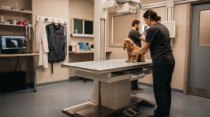
Furniture and equipment for veterinary practices represent a fundamental element for the quality of veterinary medical services. Every clinic, surgery, or recovery facility requires specific solutions that combine technical functionality, hygiene, and comfort for animals. Choosing the right equipment directly affects the operational capacity of the practice, animal safety, and the well-being of the veterinary staff. From specialized operating tables to recovery cages, including washing tubs and ventilation systems, every component plays a critical role in the organization of the clinical space.
The veterinary offering includes a wide range of products designed according to specific industry regulations, with particular attention to sanitizable materials, durability, and practicality for daily use. Whether it is a small local clinic or a facility specialized in veterinary hospitalization, the available solutions cover various operational needs and budgets.
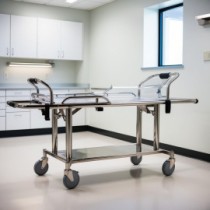
Investing in professional veterinary equipment brings tangible benefits to the daily management of the clinic. An ergonomic operating table reduces doctor fatigue during prolonged procedures, while stable and easily sanitizable examination tables accelerate the patient cycle. Well-designed recovery cages allow for constant monitoring of hospitalized animals and facilitate cleaning operations between patients. Specialized ventilation systems maintain a healthy environment, which is essential for preventing cross-infections. Stretchers and transport trolleys reduce the risk of injury to both operators and animals during movement.
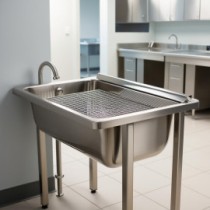
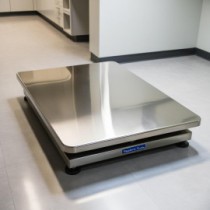
Dedicated washing tubs significantly simplify pre- and post-operative hygiene operations, while precise veterinary scales are essential for correct pharmacological dosages and health status monitoring. Each element is designed to minimize preparation time between visits, increasing productivity and the quality of service offered to pet owners.
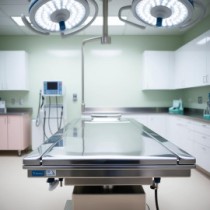
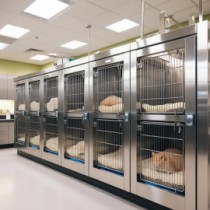
Operating tables represent the most critical category, available in various configurations: fixed versions for established clinics or mobile ones with locking systems for facilities requiring spatial flexibility. Materials range from resistant polymers to stainless steel tops, with a preference for the latter in high-volume intervention contexts. Recovery cages are available in galvanized or stainless steel, with various sizes to accommodate small, medium-large, or exotic animals. Washing tubs combine steel and food-grade polymers, with drainage systems designed for specific veterinary use.
Fans and climate control systems range from adapted residential models to professional solutions with HEPA filtration. Stretchers are divided into lightweight aluminum versions for transport and more robust models for restraint. Scales range from simple mechanical animal scales to digital scales with data recording. The limits of this variety lie in the need for design coordination: choosing an operating table without considering the adequacy of the workspace around it entails significant operational risks.
The selection of veterinary equipment depends on multiple technical and organizational factors. The first criterion is defining the predominant type of activity: a generalist clinic has different needs than one specialized in surgery, ophthalmology, or exotic animals. The square footage of the practice influences choices such as the mobility of operating tables and the configuration of cages. Daily patient volume determines the need for high-speed sanitization solutions. A frequent error is underestimating ergonomics: an examination table that is too low or too high creates postural problems in the medium term. The choice of materials is not aesthetic but functional: stainless steel is preferable to simple steel in contexts with frequent use of aggressive disinfectants.
When to choose one type over another depends on specific factors: height-adjustable operating tables are recommended if the practice hosts veterinarians of different statures, while fixed versions suffice in specialized single-use contexts. Stainless steel recovery cages are mandatory for clinics following animals with infectious pathologies, while galvanized steel is acceptable for routine recovery. Folding stretchers are pragmatic only if storage space is limited; otherwise, the solidity of fixed models prevents accidents. Those working with small rodents must have cages with finer mesh compared to those working mainly with dogs and cats.
EEC regulations for veterinary equipment require compliance with Directive 93/42 on medical devices, also applicable to animals. Operating tables and work surfaces must be certified for resistance, stability, and sanitizability according to ISO 9001 standards. Materials must be non-toxic and resistant to common disinfecting agents. Facilities hosting surgical procedures are subject to health and hygiene inspections that verify furniture compliance. Ventilation systems must comply with air exchange standards (generally 10-15 times per hour in recovery rooms), with potentially more stringent requirements for specialized clinics.
Compliance with regulations is not optional but a condition for the legal exercise of the veterinary profession. Every product must be accompanied by a CE certification of conformity and technical documentation. In the public sector (university clinics, public veterinary services), requirements are even more stringent with the obligation of public tenders for supplies above defined thresholds. Recurring aspects concern the absence of sharp edges, the ease of cleaning gaps, and compatibility with ozone or nebulization disinfection systems if present in the facility.
Explore all products in the category and compare the available solutions to find the one best suited to your operational context.
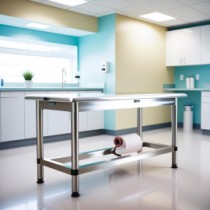
A veterinary operating table is a specialized structure on which surgical and diagnostic procedures are conducted on animals. The ideal height varies between 80 and 110 cm depending on the veterinarian's stature; many modern facilities opt for hydraulic adjustable tables that adapt to different operators and ensure ergonomics during prolonged procedures.
Stainless steel is the preferred material in high-volume clinics or with animals suffering from infectious pathologies, thanks to its resistance to aggressive disinfectants. Galvanized steel represents an economical alternative suitable for routine recovery in clinics that do not practice high biological risk surgery.
Health and hygiene regulations prescribe sanitization between one patient and another, at least three times a day with specific detergents. In clinics that perform surgical procedures, the disinfection of the operating room must take place before and after each procedure, with complete evening cleaning cycles after closing.
For a generalist clinic, a digital scale with a precision of 0.1 kg up to 100-120 kg is generally sufficient. If the practice frequently treats small animals (birds, small rodents), a dual-range scale or two separate scales is advisable to ensure diagnostic accuracy in pharmacological dosages.
To ensure safe access and maneuverability during the visit, it is advisable to maintain at least 1 meter of free space on at least two sides of the examination table. If the practice has limited space, folding or wall-mounted tables represent pragmatic solutions, provided they remain stable during the examination.
Washing tubs are primarily intended for pre- and post-operative washing of animals or the skin of the surgical area. For the decontamination of surgical instruments, it is necessary to use specific automatic washers or autoclaves; washing tubs do not guarantee the required thermal and chemical cycles.
Fixed cages offer greater stability and are ideal for clinics with dedicated spaces; mobile ones with wheels allow for quick reorganization of the space and are practical in multi-purpose facilities. The choice depends on the available square footage and the frequency with which the facility's layout is modified.
Standard residential systems do not meet the regulatory air exchange requirements (10-15 times per hour) required in veterinary healthcare environments. It is necessary to install professional systems with HEPA filtration and documented exchange capacities, especially in rooms dedicated to contagious or immunocompromised animals.
 English
  Italian
 French
 German
 Spanish