mon-fri 9-13 / 14.30-18.30
Physiotherapy represents a crucial field of rehabilitative medicine, essential for the functional recovery of patients with motor disabilities, traumatic injuries, or chronic pathologies. The equipment dedicated to this discipline ranges from diagnostic devices to therapeutic equipment, each designed to facilitate motor recovery, reduce pain, and improve quality of life. In the professional context, where private physiotherapy practices and public healthcare facilities represent large employment sectors, the conscious choice of professional tools becomes decisive for the effectiveness of sessions and patient safety.
The physiotherapy market ranges from entry-level solutions intended for independent professionals to complex integrated systems in specialized clinics. The build quality, medical certification, and technological updates of the equipment directly influence therapeutic results and the professional reputation of the physiotherapist.
Investing in professional physiotherapy equipment brings tangible benefits in both clinical and organizational terms. A certified and well-maintained device guarantees reproducibility of treatments, reduces the risk of iatrogenic complications, and allows the professional to document patient progress through objective parameters. From manual therapy equipment to electrotherapy instrumentation, each category meets specific needs: improvement of peripheral circulation, reduction of inflammation, neuromuscular reprogramming, and recovery of joint range of motion. Public facilities, private centers, and independent professionals find in their equipment a tool for competitive differentiation and clinical effectiveness.
The standardization of performance through reliable devices also promotes compliance with international therapeutic guidelines and facilitates comparison among colleagues. Patients, especially those facing long rehabilitation journeys, benefit from more stable continuity of care when the tools used maintain consistent parameters over time. Finally, operational safety reduces professional exposure to legal and insurance criticalities.
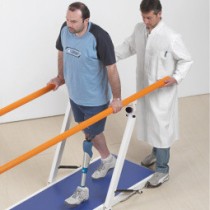
The physiotherapy equipment catalog is divided into several macro-categories, each functional to specific rehabilitation protocols. Rehabilitation equipment includes multifunctional tables with pneumatic or electric adjustment, cervical and lumbar traction systems, exercise bikes, and cycle ergometers for controlled cardiac work. In the electrotherapy segment, there are TENS devices (transcutaneous electrical nerve stimulation), electrostimulators for induced muscle contraction, magnetotherapy, and ultrasound equipment for deep tissue heating. Alongside these are low-frequency laser therapy systems, hydromassage showers, passive stretching beds, and equipment for proprioceptive work and balance.
Materials, construction dynamics, and therapeutic algorithms vary significantly between entry-level devices and advanced medical solutions. A manual therapy table can be simple and stable, or equipped with articulated sections and comfort management systems. An electrotherapy device can offer rigid, preset parameters, or allow for high customization of frequency, intensity, and pulse duration values. The choice reflects both the available budget and the complexity of the patients treated and the professional's specialization.
The conscious selection of physiotherapy equipment requires a preliminary evaluation of numerous interconnected factors. First, it is necessary to identify the prevailing therapeutic protocol: a professional working mainly on orthopedic pathologies will have different needs than one specializing in neurological rehabilitation or lymphatic drainage. The space available in the facility, the estimated frequency of use, and the volume of patients influence the required durability and the most appropriate class of device. A recurring error is prioritizing the initial price while neglecting management, maintenance, and technical assistance costs: an inexpensive but unreliable device generates frustration and interruptions in the therapeutic flow.
Certification is a critical and non-negotiable element: devices must have CE marking and compliance with UNI EN ISO standards specific to their category. When evaluating a purchase, it is useful to consider the availability of spare parts over time, ease of use by operators with different levels of technical competence, and above silence, compatibility with body mechanics and ergonomics principles. Consulting colleagues who use the same device, requesting demos from the supplier, and checking after-sales assistance methods represent fundamental decision-making steps to avoid premature choices inconsistent with operational reality.
Physiotherapy devices fall under the classification of medical devices according to EU Regulation 2017/745 (MDR). CE marking is a mandatory legal prerequisite for marketing and professional use: it certifies that the product has undergone a conformity assessment and meets the essential safety and performance requirements. Depending on the type of equipment, the device may fall into Class I, II, IIa, or IIb, with related authorization procedures that increase in complexity. Relevant standards include the UNI EN ISO 60601 series for the safety of medical devices, specific standards for electromagnetic compatibility, and ergonomic standards for human-machine interaction.
In addition to regulatory compliance, operators must ensure proper preventive maintenance of the equipment, document the traceability of each device, and implement suitable cleaning and disinfection protocols, especially when direct skin contact is applied. Professional civil liability insurance must cover risks arising from the use of specific equipment. Furthermore, healthcare facilities are required to register their devices in regional information systems. Operator training represents a fundamental practical requirement, even if not always formally regulated: improper use, even of a certified device, can compromise therapeutic effectiveness or generate adverse events.
Explore all products in the category and compare the available solutions to find the one best suited to your operational context, from orthopedic rehabilitation to neurological therapy, from electrotherapy to integrated systems for chronic pain treatment.
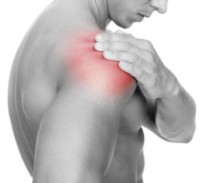
Physiotherapy is the discipline that uses physical and manual agents to treat pain, improve mobility, and facilitate functional recovery. It is applied in traumatology, orthopedics, neurology, rheumatology, and post-operative phases. Goals include reducing inflammation, restoring joint range of motion, and targeted muscle strengthening.
A simple table offers a stable surface at an affordable price, suitable for basic manual therapies. A multifunctional table features articulated sections, traction systems, and motorized adjustment, allowing for more complex protocols and better ergonomics for both the patient and the operator, at a significantly higher cost.
TENS is primarily indicated for acute and chronic pain control through neural inhibition. Electrostimulation is used for induced muscle strengthening in patients with motor deficits. Ultrasounds are effective for deep tissue heating and reducing inflammation. The choice depends on the pathology and specific therapeutic goals.
Every device must have CE marking according to EU Regulation 2017/745, indicating compliance with safety and performance requirements. Depending on the class (I, II, IIa, IIb), different authorization procedures are required. It must also comply with UNI EN ISO 60601 standards for electrical safety and specific ergonomic requirements.
Prices vary widely: from a few hundred euros for a simple table to tens of thousands for advanced integrated systems. Amortization depends on the volume of patients treated, the device's lifespan (usually 5-10 years), and maintenance costs. A reliable device reduces downtime and improves patient satisfaction.
Periodic preventive maintenance is essential: functional checks, cleaning according to health protocols, and inspection of cables and mechanical components. Documenting every maintenance intervention and keeping technical support contact numbers handy facilitates operational continuity and reduces unplanned downtime.
There are no restrictions: self-employed physiotherapists can purchase any certified device compliant with regulations. The choice will depend on the budget, available space in the practice, and target clientele. It is advisable to check the technical assistance available from the supplier even for individual operators.
Choosing based solely on the initial price, underestimating maintenance costs, failing to verify certification, and purchasing devices inconsistent with the profile of the patients treated. Furthermore, not testing the product before purchase or ignoring the availability of technical support are choices that lead to short-term regret.
 English
  Italian
 French
 German
 Spanish