mon-fri 9-13 / 14.30-18.30
Operating room furniture and equipment represent a critical component of modern healthcare infrastructure, where every element must meet rigorous standards of safety, sterilization, and functionality. The operating room is one of the most complex environments in a hospital facility, characterized by specific needs that require furniture specifically designed to support surgical procedures and guarantee the highest level of hygiene. A correct operating room setup directly affects the quality of the surgical intervention and patient safety. From operating tables to handling systems, from scrub sinks to support devices, every component must integrate perfectly into the medical team’s workflow.
Our selection of operating room furniture includes complete solutions covering all functional areas: from the patient preparation area to sterilization rooms, up to the scrub and dressing areas for the surgical team. Each product has been selected based on criteria of reliability, regulatory compliance, and practicality of use, to ensure that healthcare professionals can operate in optimal conditions.
The choice of specific furniture for the operating room is not a matter of aesthetics, but a functional necessity that directly impacts the quality of medical work. Professional operating room furniture is designed to withstand repeated sterilization processes, maintain rigorous hygienic conditions, and support the coordinated work of the surgical team. A suitable operating table, for example, must not only guarantee the correct position of the patient during the operation but must also be equipped with reliable lifting systems and easily sanitizable surfaces. Similarly, scrub sinks strategically positioned in preparation rooms allow medical staff to follow standardized hygiene protocols without compromising operating times. Clog trolleys, Mayo stands, and surgical suction systems represent elements that reduce intervention times and minimize the risk of cross-contamination.
From an organizational point of view, the availability of suitable furniture also means optimization of space and human resources. When every instrument is designed for the operating room, staff do not have to improvise alternative solutions or compromises. Suitable surgical aspirators, for example, have suction capacities calibrated for surgical needs, unlike generic devices. Positioning cushions allow specific surgical postures to be reached and maintained, reducing patient preparation times. This operational efficiency has significant repercussions on the duration of interventions and the physical fatigue of the medical team. Investing in quality operating room furniture therefore translates into a reduction in workload, greater safety for the patient, and a more comfortable working environment for doctors, nurses, and technicians.
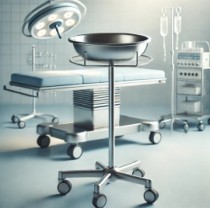
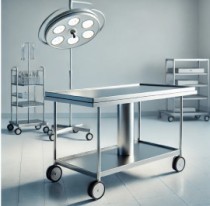
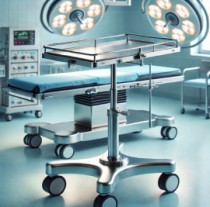
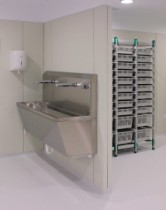
The range of operating room furniture extends across multiple categories, each designed for a specific functional context within the hospital facility. Operating tables (main tables) represent the heart of the room, available in fixed versions or with motorized movement systems, with stainless steel tops or antimicrobial composite materials. Mayo stands, more compact and mobile, are used in sterilization and filter rooms, where surgical instruments are prepared. Operating room scrub sinks vary in type: from those with foot controls (to reduce contact contamination) to those with electronic sensors, available in different heights to adapt to spaces and ergonomic needs. Surgical aspirators are distinguished by suction flow rate, noise level, and collection container capacity; some models are wall-mounted, others portable on trolleys.
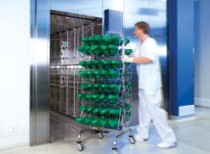
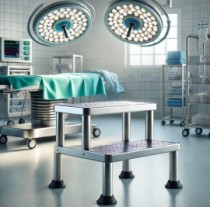
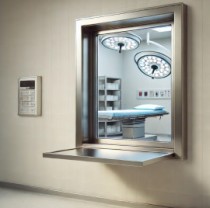
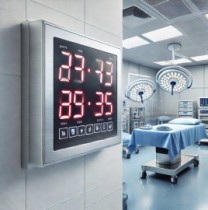
Regarding handling and support systems, operating room bowl stands facilitate the safe transport of patients between different rooms, while steps allow controlled lifting. Positioning cushions are available in various shapes and densities, from gel ones to prevent pressure sores to rigid ones for specific anatomical positioning. Stainless steel operating room cabinets offer closed storage solutions, resistant to humidity and sterilization procedures. Clog trolleys are designed to contain and transport sterile material, maintaining the integrity of sterilization during movement. Operating room clocks, equipped with digital or analog stopwatches, allow monitoring of intervention times. Each type responds to specific regulatory constraints and quality standards defined by international guidelines. Finally, pass-through cabinets are transition systems between zones with different contamination levels, essential for maintaining separation between sterile and non-sterile areas.
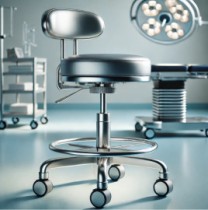
The selection of operating room furniture requires a careful evaluation of several factors. First, it is essential to understand the specific context of use: a small private clinic will have different needs compared to a large university hospital. The space available in the operating room is a critical constraint; for example, if space is limited, compact operating tables and vertical storage systems (such as wall cabinets) may be preferable to bulkier models. The type of interventions that will be performed determines the technical characteristics required: orthopedic interventions require tables with specific positioning systems, while general interventions could use more versatile tables. A common mistake is underestimating the importance of ergonomics; ergonomic surgical seats reduce surgeon fatigue during prolonged procedures, improving precision and reducing errors due to tiredness.
Another fundamental aspect concerns materials and resistance to sterilization cycles. Stainless steel is the predominant standard because it resists corrosion, steam sterilization, and aggressive detergents used in the operating room. Surfaces must be smooth and free of sharp edges or crevices where bacteria could hide. Handling systems (motorized or manual) must be tested for reliability; a failure of an operating table during an intervention can have critical consequences. Maintainability is an often overlooked factor: choosing suppliers that guarantee easily available spare parts and timely technical assistance is a strategic choice. Budget is naturally a constraint, but it must not lead to compromises on safety; in this case, it is appropriate to prioritize products for which safety is non-negotiable (operating tables, aspirators, scrub sinks) and evaluate more economical solutions for complementary furniture. Finally, verifying that products comply with national and international regulations relevant to the context (ISO 3916 for operating tables, for example) ensures that the investment is protected from a legal and clinical perspective.
The operating room is regulated by a complex set of standards covering construction, systems, hygiene, and furniture aspects. The ISO 3916 standard defines the requirements for operating tables, specifying criteria for stability, maximum load capacity, controlled movements, and resistance to sterilization. The ISO 14971 standard addresses risk management in medical devices, including furniture that supports surgical procedures. In Italy, the main regulatory reference is the Ministerial Decree of June 14, 1989, which defines the criteria for the design and construction of operating rooms within hospital facilities. This decree specifies requirements for hygiene, air circulation, lighting, and spatial organization, indirectly influencing the choice of furniture that must integrate within this structure.
From a safety point of view, all operating room equipment must meet the requirements of European Directive 93/42/EEC (now replaced by Regulation (EU) 2017/745 on medical devices), which requires CE marking and complete technical documentation. Hygiene criteria require that all furniture be made with non-porous materials, easily washable and resistant to high-concentration disinfectants. AISI 304 stainless steel or higher is practically the industry standard for this reason. Surgical suction systems must respect specifications on flow rate, collection system safety, and noise control, defined by the ISO 8359 standard. Operating room scrub sinks must guarantee a predictable and controlled water flow, and foot-operated or sensor systems respond to requirements for reducing infection risk defined by hospital hygiene society guidelines. Patient handling devices (operating tables, bowl stands, steps) must pass durability and safety tests, with periodic inspections provided for by medical equipment maintenance regulations. Biological waste management, supported by trolleys and transition systems (pass-throughs), must comply with provisions on hazardous healthcare waste management.
Explore all products in the category and compare available solutions to find the one best suited to your operational context. Whether it is a completely new operating room or an update of specific equipment, our catalog offers options for every need and level of complexity.
An operating table (or main table) is the central element of the operating room, designed to support the patient during surgery. It must ensure stability, controlled movements in all directions, adequate load capacity (generally 150-200 kg), a sterilization-resistant surface, and secure fastening systems to maintain the patient’s position during the procedure.
A Mayo stand is a compact and mobile support surface intended to hold sterile surgical instruments during the procedure, positioned in the sterilization or filter room. The main table is instead the large operating table on which the patient rests during surgery, equipped with sophisticated movement and positioning systems.
The aspirator must be chosen based on the required suction flow rate (measured in liters/minute), the type of interventions to be performed, the collection container capacity, and acceptable noise levels. Wall-mounted models are ideal for dedicated rooms, while trolley versions offer versatility for multi-use facilities.
Stainless steel (AISI 304 or higher) is the predominant standard for corrosion resistance, repeated sterilization, and ease of cleaning. Some components may use certified antimicrobial composite materials. All materials must be non-porous and resist high-concentration disinfectants used in the operating room.
Yes, all furniture supporting surgical procedures must have CE marking as medical devices (according to Regulation (EU) 2017/745). Furthermore, they must comply with specific ISO standards such as ISO 3916 for operating tables and ISO 8359 for suction systems, with technical documentation available from the manufacturer.
Furniture must be cleaned and disinfected regularly according to hospital protocols, usually before and after each procedure. Smooth, non-porous stainless steel surfaces facilitate this operation. Integrated drainage systems (as in scrub sinks) prevent water stagnation. Regular preventive maintenance extends durability and maintains reliability.
 English
  Italian
 French
 German
 Spanish