
mon-fri 9-13 / 14.30-18.30
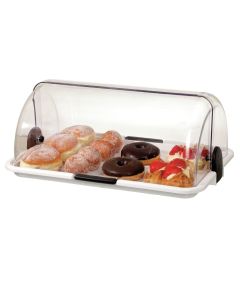
Plastic buffet showcase and plexiglass dome. Available in 2 different sizes.

GN 1/2 hotel buffet tray with transparent cover and ergonomic handle. Dishwasher safe. Dimensions: W.325 x D.265 x h.170 mm.
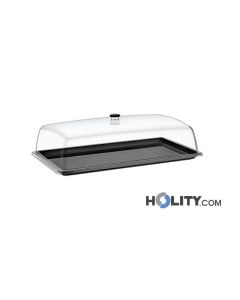
GN 1/1 buffet tray with transparent cover suitable for b&b and holiday homes. Dishwasher safe. Dimensions: W.500 x D.325 x h.170 mm.

Round tray with transparent lid suitable for breakfast room buffets. Dimensions: Ø 390 x h.150 mm. CE compliant product.
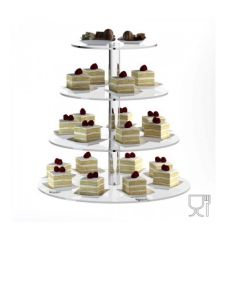
4-tier buffet display stand. Material: transparent plexiglass. Dimensions: W33 x D33 x H30 cm.

Catering riser in black and transparent plexiglass. Number of shelves: 4. Dimensions: W35 x D32 x H32 cm.
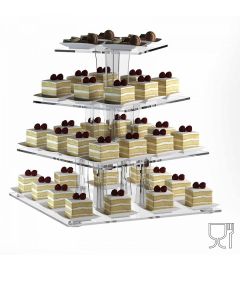
Multipurpose buffet stand. Number of shelves: 4. Material: transparent plexiglass.
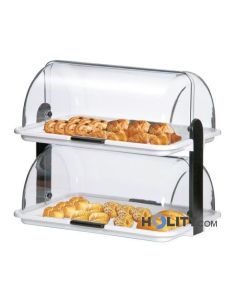
Double plastic buffet display case. Dimensions: 47 x 31.5 x 41.5 cm.
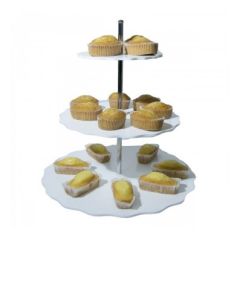
3-tier plexiglass display stand ideal for displaying single-portion desserts and pastries. Dimensions: 40 x 40 x H45 cm.
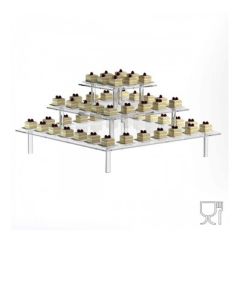
Display stand for banquets and buffets. Number of shelves: 3. Material: transparent plexiglass.
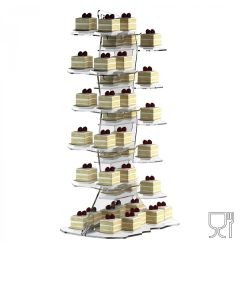
Multipurpose 5-tier riser. Material: transparent plexiglass. Dimensions: W32 x D21 x H63 cm.
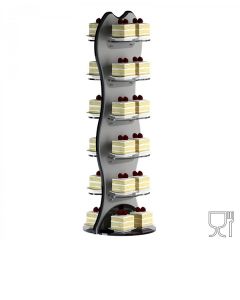
5-tier buffet display stand. Material: black and frosted plexiglass. Dimensions: W19 x D20 x H59 cm.
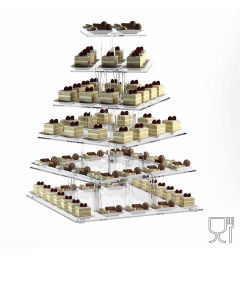
Catering display stand in transparent plexiglass. Equipped with 6 shelves. Dimensions: W43 x D43 x H54 cm.

Neutral buffet display case with single glass shelf and stainless steel base. Dimensions: H.305 x D.361 x L.554 mm.
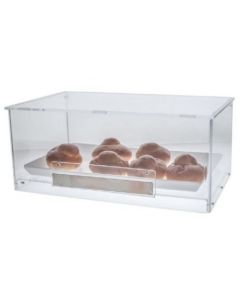
Transparent plexiglass display case with 1 compartment and closing door. Dimensions: 48 x 28 x 22h cm.
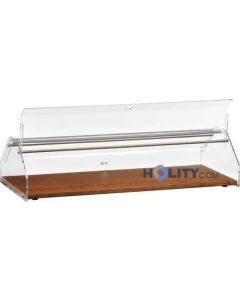
Brioche - croissant holder with wooden top, plexiglass dome with opening doors on 2 sides. Dimensions 50x35x21 h cm
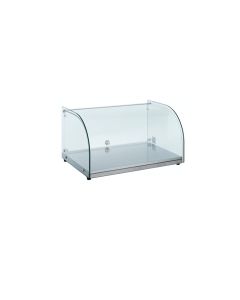
Buffet display unit with glass dome and stainless steel base. Capacity 25 lt. Dimensions: H.305 x D.376 x W.554 mm.
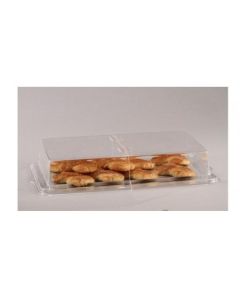
Food display stand in rectangular format and equipped with a lid that can be opened from both sides.
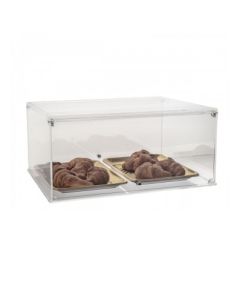
Double-sided buffet display ideal for hotels and B&Bs. Plexiglass material. Dimensions: 56 x 42 x H20 cm
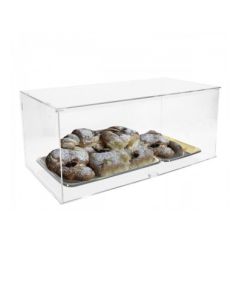
Transparent plexiglass buffet display. Dimensions 60 x 30 x H26 cm. Closing door.
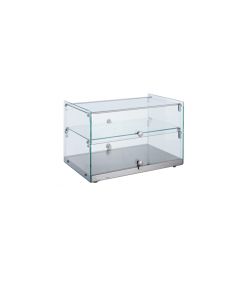
Buffet display case with double glass shelf and stainless steel base. Dimensions: H.370 x D.361 x L.554 mm.

Neutral buffet display case with two glass shelves. Shape: dome. Dimensions: H.370 x D.376 x W.554 mm.
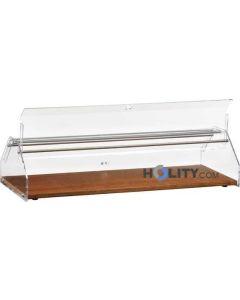
Pastry and croissant holder with wooden base, plexiglass dome with doors opening on 2 sides. Dimensions 85x35x21 h cm
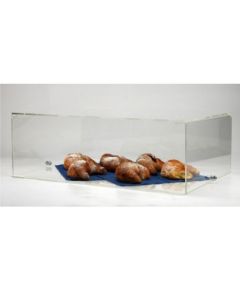
Transparent plexiglass buffet display case. Equipped with closing doors on both sides. Dimensions: 43 x 60 x 20h cm.
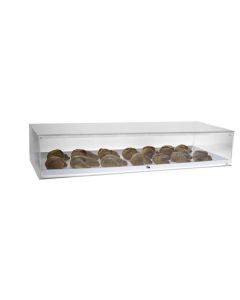
Transparent plexiglass buffet display with closing door. Dimensions: 95 x 35 x H18 cm.
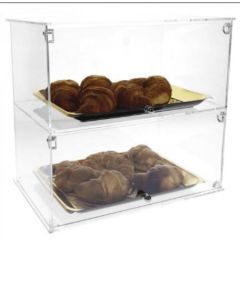
Buffet display in transparent plexiglass with 2 compartments, each with its own closing lid. Dimensions: 42 x 26 x 40h cm
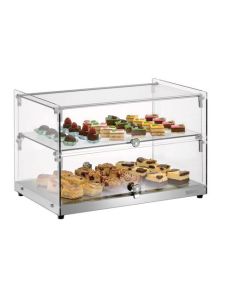
Countertop display case with two doors and two shelves. Entirely made of glass and stainless steel. Dimensions: 55 x 37.5 x 37 cm
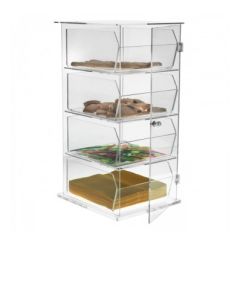
Buffet display case with 4 removable compartments and front door. Made of transparent plexiglass and dimensions w23xd25xh49 cm
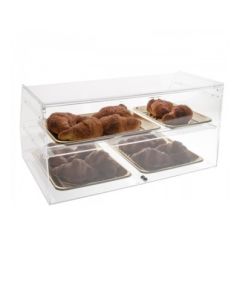
2-tier buffet and breakfast display stand. Made of transparent plexiglass. Measurements: w60xd38xh30cm
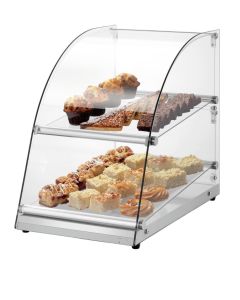
Buffet display 70 lt in plexiglass and glass. Dimensions: 36 x 60 x 51.5 cm
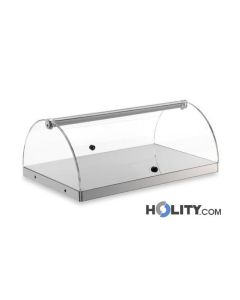
Display case for exhibiting baked pastry products, openable from both sides. Non-heated 50 cm stainless steel shelf.

Glass and stainless steel buffet cabinet with one door to view the three display shelves. Dimensions: 40 x 33 x 62 cm
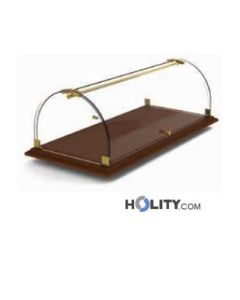
Dome brioche display stand with aluminum interior and plexiglass dome. Cherry color.
Buffet displays represent the ideal technical and aesthetic solution to enhance the gastronomic offering of hotels, bars, and hospitality facilities, while ensuring maximum food protection. In a context where breakfast or corporate refreshments are critical moments for guest satisfaction, the use of professional supports allows for rational space organization, utilizing not only the counter surface but also vertical height. This equipment is designed to meet a dual need: on one hand, it must stimulate appetite through crystal-clear visibility of the products, and on the other, it must act as a protective barrier against external agents, dust, and accidental contact.
The adoption of professional counter display cases and risers transforms the perception of the buffet from a simple food display into a truly organized and hygienic gourmet experience. The choice of materials, ranging from high-resistance plexiglass to tempered glass, ensures sensory neutrality that does not alter the scents of pastries or savory products, maintaining freshness throughout the service. Integrating coordinated displays into your layout is not just a design choice, but an investment in operational efficiency and food safety, elements that define the authority of every modern catering professional.
The integration of professional displays within a buffet area primarily addresses the need to optimize service flows and the preservation of fresh products. One of the most complex aspects of managing a hotel breakfast is maintaining the fragrance of baked goods, such as croissants and muffins, preventing air exposure from making them dry or rubbery. The use of displays with dome or roll-top lids creates a protected microclimate that preserves the internal humidity of the food, keeping it inviting and fragrant for hours. This translates into a drastic reduction in food waste, as the food maintains its qualitative properties much longer than when displayed on open trays.
From a logistical standpoint, counter displays allow for maximizing display capacity even with limited surfaces. Multi-tier risers, for example, allow for arranging a greater variety of single portions, cold cuts, or cheeses vertically, making the buffet look visually richer and more abundant without creating bottlenecks during guest access. Furthermore, the total transparency of professional materials allows guests to immediately identify the content without having to unnecessarily lift lids, reducing heat loss and limiting food handling—a factor that significantly increases the perceived and actual hygiene level of the hospitality facility.
Another fundamental advantage is the ease of tidying and cleaning. High-quality plexiglass and glass surfaces are designed to withstand intensive use and the frequent washing required in the HoReCa sector. Unlike domestic containers, professional displays feature ergonomic lines with no dead corners, facilitating the removal of crumbs and grease residues. This ensures that the breakfast counter always looks impeccable, conveying a sense of care and professionalism that reassures the customer about the quality of the preparation processes. In summary, choosing dedicated display supports means elevating the standard of service, protecting raw materials, and offering a spectacular presentation that invites conscious consumption.
The variety of displays available on Holity covers every specific serving need, differing in structure and functionality. Lidded displays represent the most versatile category: available in single or multiple tray versions, they are ideal for protecting sandwiches, cold cuts, and pastry products. Lids can be standard, dome-shaped, or with a 90° roll-top opening; the latter is particularly appreciated in self-service buffets for its practicality, as it allows users to serve themselves comfortably without managing the lid separately. These counter display cases can be made of lightweight, durable plexiglass or glass, offering solutions ranging from maximum portability to formal elegance.
For those wishing to emphasize the aesthetic and vertical aspect of the buffet, multi-tier risers are the choice of preference. Structured on two, three, or more levels, they are perfect for displaying single portions, petit fours, or small savory snacks. In addition to their display function, they serve as real furnishing elements that dynamize the surface. There are also specific models such as passive refrigerated display cases, equipped with compartments for ice packs or synthetic ice, essential for keeping yogurt, cheese, and butter at controlled temperatures, ensuring that even the most perishable products remain fresh and safe throughout the morning service or conference break.
Construction materials play a decisive role in categorization: plexiglass (PMMA) is preferred for its incredible transparency combined with impact resistance superior to glass, making it ideal for contexts with high customer turnover. Glass, on the other hand, offers a surface extremely resistant to scratches and a brilliance that does not fade over time, perfect for luxury hotels or restaurants focusing on a classic presentation. Many counter displays also integrate stainless steel or treated wood bases, offering excellent stability and the possibility to coordinate the equipment with the room's decor style, always ensuring maximum sanitization of every component in contact with food.
The selection of the correct display must be primarily based on the type of food to be served and the available space on the buffet counter. If the predominant offering consists of voluminous baked goods such as croissants, it is essential to opt for display cases with high dome lids, which provide the necessary space not to crush the product and allow for optimal air circulation. For the service of cold cuts and cheeses, however, it is crucial to prefer models with easy-to-sanitize bases or compatible with passive refrigeration systems, in order to respect the minimum thermal chains required for fresh products.
A common mistake is underestimating the ergonomics of opening. In a very crowded self-service buffet, roll-top lid displays are clearly superior, as they reduce the risk of accidental lid drops and speed up service. Volumetric capacity must also be evaluated in relation to the number of guests: a display that is too small will force staff into continuous refills, interrupting the breakfast flow; one that is too large, if not filled correctly, could give an impression of scarcity. Choosing modular models or stackable risers allows for adapting the display to the actual number of occupants in the facility, keeping the buffet always balanced and tidy.
Finally, maintenance ease should be considered. Verifying that the display can be easily disassembled into its essential components allows for deep daily cleaning. High-quality plexiglass structures withstand use well but require non-alcoholic detergents to avoid aesthetic micro-cracking (crazing); if the structure requires frequent washing in industrial dishwashers, it is preferable to opt for glass models or high-temperature certified technical plastics. Investing in specialized brands also ensures the availability of replacement lids, a critical element that avoids having to replace the entire case in the event of accidental breakage of a single part.
Buffet displays must strictly comply with European regulations on FCM (Food Contact Materials), as defined by Regulation (EC) No. 1935/2004. This regulation ensures that transparent materials (glass or plexiglass) and bases (steel or food-grade plastics) do not release migratory substances into food, preserving its purity and safety. For every catering business operator, possessing the declaration of conformity for their displays is a fundamental legal obligation to pass health inspections and to guarantee the protection of guest health.
In compliance with HACCP protocols, displays act as a physical barrier against cross and environmental contamination. The regulation stipulates that foods displayed for self-service must be protected by sneeze guards or full covers that prevent direct contact with users' respiratory tracts or the falling of foreign bodies. The use of closed displays is therefore an essential technical requirement for serving non-packaged products, such as artisanal cakes or pastries. Surfaces must also be smooth and non-porous to prevent bacterial colonies from nesting, making the choice of certified materials not only a qualitative advantage but a pillar of daily operational safety.
Finally, regarding supporting structures, workplace safety regulations require displays to be stable and free of sharp edges that could cause injury to staff or customers. The use of tempered safety glass or shatterproof plexiglass is highly recommended to minimize risks in case of accidental impact. The design of professional displays takes these requirements into account, offering weighted or non-slip bases that ensure maximum stability even when shelves are loaded asymmetrically, guaranteeing a safe consumption environment compliant with all current directives in the collective catering sector.
Explore all the products in the category and compare available solutions to find the one best suited to your operational context.
The choice depends on the environment. Plexiglass is lightweight, shatterproof, and ideal for self-service where the risk of impact is high. Glass offers superior scratch resistance and a more classic, luxurious aesthetic, but is heavier and more fragile. Both materials, if of professional quality, guarantee perfect transparency and are certified for food contact.
There are specific displays equipped with lower compartments for housing ice packs or eutectic plates. These elements, previously frozen, release cold towards the steel base of the tray, keeping cheeses and cold cuts at a safe temperature for about 2 or 3 hours, ideal for the duration of a breakfast.
The roll-top lid slides inside the structure of the display and remains attached to it. This avoids the guest having to place the lid on the table (often dirtying it or taking up space) and allows for smooth one-handed opening, ensuring hygiene, order, and speed in self-service.
Dishwasher washing is generally discouraged for standard plexiglass, as high temperatures and aggressive detergents can cause clouding or micro-cracks. Hand washing with lukewarm water, neutral soap, and a soft microfiber cloth is preferable to preserve brilliance and transparency over time.
Yes, closed displays are indispensable for outdoor buffets as they effectively protect food from insects, dust, and wind gusts. In these contexts, models with heavy or magnetic lids that do not open accidentally and stable bases that withstand surfaces that are not perfectly flat are recommended.
Capacity varies based on the size of the tray, but on average a standard two-tier display case can accommodate between 20 and 30 medium-sized croissants. The use of a vertical display allows for doubling the offering while occupying the same space as a single tray on the breakfast counter.
Yes, one of the advantages of professional equipment sold on Holity is the availability of replacement components. It is possible to separately purchase dome or roll-top lids, handles, or bases, avoiding the need to buy the entire display again and ensuring a long useful life for your investment.
 English
  Italian
 French
 German
 Spanish