
mon-fri 9-13 / 14.30-18.30
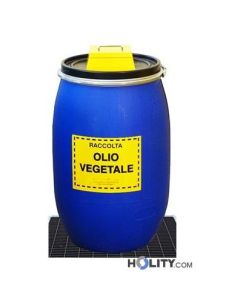
Container for the communal collection of vegetable oils and fats. Equipped with a lid and hinged closure with a grip handle.
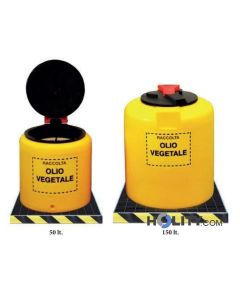
Cylindrical used oil container. Single-wall shockproof polyethylene tank. Ideal for indoor and outdoor use. Available in various sizes.
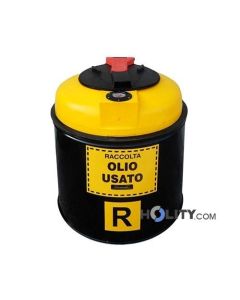
Container for mineral oil and used liquids made of polyethylene and galvanized and painted steel. Capacity: 150 liters. Dimensions: Ø 600 x h.675 mm.
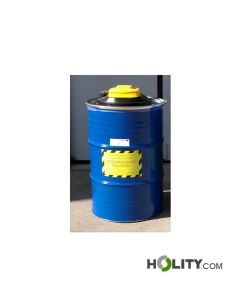
220 L waste oil storage station with double LDPE chamber and safety lid. Dimensions: Ø 605 x H 950 mm.

Waste oil collection tank made of polyethylene and UV resistant. Capacity 300 lt.
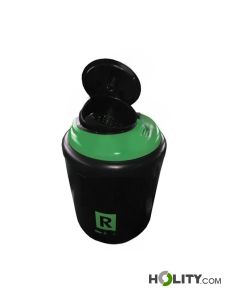
Used vegetable oil collection container, 290 lt in LLDPE with filter drainer for frying oils. Dimensions: Ø 82 x H 108 cm.
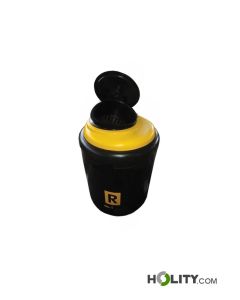
Used oil container 290 lt in LLDPE with filter drainer and double tank. Dimensions: Ø 82 x H 108 cm.
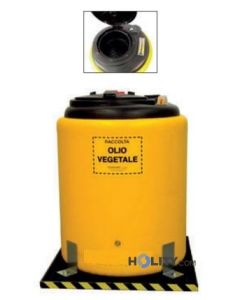
Container for used oil collection made of acid-resistant polyethylene. Equipped with a safety double tank.
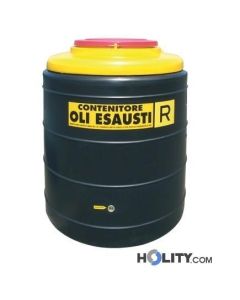
Waste oil container made of polyethylene and UV resistant. Capacity 500 lt. Height 1240 mm and diameter 960 mm.
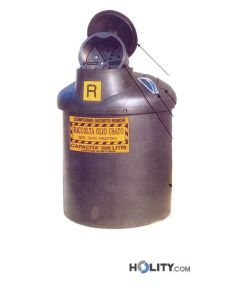
Waste oil container. Capacity: 260 lt. Dimensions: Ø80 x H110 cm.
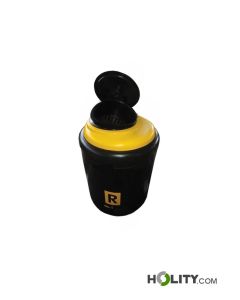
500 lt used oil container, in LLDPE with filter drainer and double tank. Dimensions: Ø 96 x H 124 cm.
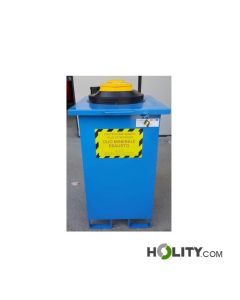
Anti-corrosion steel container for waste oils. Capacity: 300 lt. Dimensions: W 600 x D 500 x H 1250 mm.
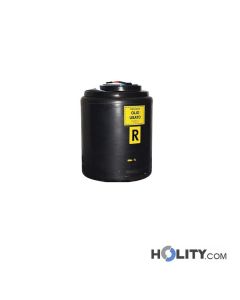
Double-walled PE container for used oils. 500 Liters.
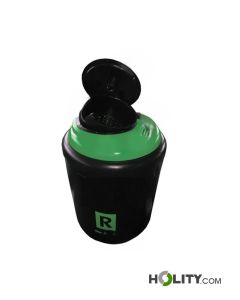
Used vegetable oil container, 500 lt in LLDPE with integrated filter drainer. Dimensions: Ø 96 x H 124 cm.
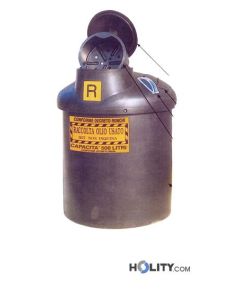
Tank for used oil collection. Material: polyethylene. Capacity: 500 lt.
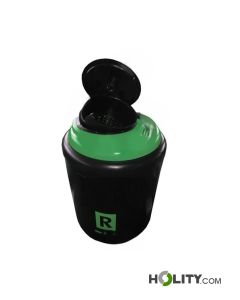
Used vegetable oil container, 1100 l with filter drainer and double tank. Dimensions: Ø 135 x H 127 cm.
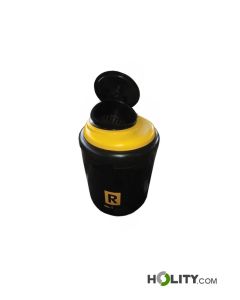
1100 lt container for used oil, in LLDPE with filter drainer and double tank. Dimensions: Ø 135 x H 127 cm.
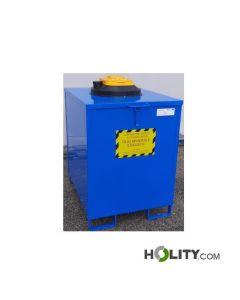
Steel container for waste oil. Capacity: 500 lt. Dimensions: W 700 x D 900 x H 1100 mm.
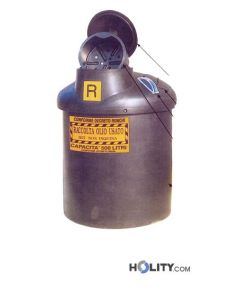
Container for waste oil storage. Capacity: 1200 lt. Dimensions: Ø140 x H150 cm.
Used oil containers represent an essential solution for the responsible management of special waste derived from commercial, industrial, and domestic activities. Waste oil constitutes a hazardous waste for the environment and its correct collection is governed by strict regulations that oblige companies and public structures to adopt compliant storage systems. These containers facilitate the separation, temporary storage, and subsequent transfer of used oil to authorized regeneration plants, reducing environmental impact and ensuring legal compliance of disposal operations.
Choosing a suitable container for waste oil goes beyond simple storage practicality. An appropriate container preserves the quality of the oil for recovery and regeneration, reducing the risk of contamination and product deterioration. In professional kitchens, mechanical workshops, body shops, and industrial plants, these containers represent an indispensable element of daily operational management. They allow for the safe collection of vegetable frying oils, mineral lubricating oils, hydraulic oils, and other special liquids, keeping different waste streams separate according to regulatory requirements. The robust structure and resistant materials ensure that the container does not deteriorate over time, even in environments characterized by extreme temperatures, exposure to UV rays, or aggressive chemical agents.
The systematic use of adequate containers brings concrete advantages to a company’s operations: it reduces waste management times, minimizes the risks of accidental spills that could contaminate the soil or groundwater, and facilitates compliance monitoring during inspections by the relevant authorities. Many modern containers integrate features such as basket filters that allow for the gradual drainage of the oil, reducing collection time and improving process efficiency. Hermetic or bayonet-lock lids protect against exposure to air and unpleasant odors, an aspect particularly relevant in public or high-traffic environments. Furthermore, the availability of different capacities (from 50 liters up to 1200 liters) allows the solution to be adapted to real collection needs, avoiding both oversizing and storage insufficiencies.
The range of used oil containers is divided according to material, capacity, and technical configuration. Polyethylene models (PE and LLDPE) represent the most widespread and versatile solution thanks to their resistance to chemical agents, lightness, and low cost. The polyethylene used for these containers is specifically formulated to be acid-resistant, shockproof, and resistant to ultraviolet rays, fundamental characteristics to ensure a long life even in external storage conditions. Alongside single-wall containers, there are double-wall solutions that offer an additional level of safety: in the event of a leak from the internal tank, the external chamber contains the spill, preventing soil contamination and reducing environmental risk. Capacities vary from small 50-150 liter models, ideal for professional kitchens and small workshops, up to large 1000-1200 liter tanks intended for industrial plants and facilities with high consumption.
In addition to polyethylene models, there are containers made of galvanized and painted steel, particularly suitable for environments where structural robustness and exceptional longevity are a priority. Anti-corrosion steel ensures superior resistance to impacts and better performance in outdoor contexts characterized by intense mechanical stress. The shape of the containers varies mainly between cylindrical and rectangular configurations: cylindrical models offer better optimization of vertical space and uniform load distribution, while rectangular models adapt better to tight spaces and allow for more stable positioning in cornered environments. Complementary equipment includes basket filters for drainage, upper manholes to facilitate the pouring of liquids, built-in vents to regulate internal pressure, float level indicators, and lower drainage systems that simplify emptying.
The selection of the appropriate container requires a preliminary evaluation of several operational factors. The first critical element is the necessary capacity, determined by the average volume of oil collected in the work cycle and the frequency of collection by the authorized manager. In a professional kitchen with a high-frequency fryer, daily production of frying oil can reach 20-50 liters, suggesting a 100-200 liter container to ensure that the oil remains for no more than 5-7 days. A mechanical workshop with three to four vehicles being serviced simultaneously produces an average of 30-80 liters of lubricating and hydraulic oil per month, making a 200-300 liter container appropriate. Choosing the wrong capacity leads to inefficiencies: an undersized container requires too frequent emptying with high logistical costs and risks of spills during transport, while an oversized container slows down oil regeneration cycles and can cause sedimentation and deterioration of quality.
The second aspect concerns the type of oil to be collected. Vegetable oils and food fats from frying require containers equipped with specific filters that separate solid residues during drainage, preserving the oil and facilitating its recovery. Mineral lubricating and hydraulic oils, which are denser and less chemically reactive, tolerate standard containers better but still benefit from a double-wall configuration to minimize dispersion risks. Other considerations include the space available for installation (indoor vs. outdoor environment with UV exposure), the frequency of access to the container, and compatibility with the waste collection and transport systems already in use. Containers for outdoor use must necessarily have UV protection and effective hermetic lids; for high-access indoor environments, the priority is pouring ergonomics and ease of reading the filling level. Avoid the common mistake of installing undersized containers or those without an adequate lid, which exposes the oil to oxidation, contamination from rainwater, and loss of economic value in the regeneration process.
The management of used oil containers is subject to a complex regulatory framework involving European standards, Italian national legislation, and regional provisions. Legislative Decree 152/2006 (Environmental Code) defines waste oil as hazardous waste and establishes strict obligations for its management, from initial separation to transfer to authorized plants. Containers must be built according to technical specifications that prevent accidental leakage, ensure hermeticity and structural stability, and are clearly identifiable as special waste deposits. The UNI EN 12922 standard provides quality requirements for regenerated oil, creating a direct link between storage quality (and therefore the container) and the possibility of recycling the oil. Companies that produce oily waste are subject to registration in the Waste Register (at the Chamber of Commerce), with the obligation to maintain docimological records and annual MUD (Environmental Declaration Form) declarations.
From a safety point of view, containers must meet criteria for mechanical resistance, thermal stability, and chemical compatibility with the substances contained. In workplaces, the installation of containers for special waste is regulated by Legislative Decree 81/2008 (Consolidated Law on Safety) which prescribes chemical risk assessments and collective protection measures. Double-wall containers or those with secondary containment systems are strongly recommended in sensitive environments (proximity to groundwater, protected areas, public zones) and mandatory when regional environmental legislation explicitly requires it. The supplier’s technical documentation (safety data sheets, certificates of conformity, technical drawings) represents an essential element for evaluating regulatory compliance and for defense in case of inspection. Dimensions, materials, and storage conditions must be compatible with the company’s waste management plan and communicated to the relevant authorities during inspections.
Explore all the products in the category and compare the available solutions to find the one best suited to your operational context. Choosing an appropriate container represents an investment in legal compliance, environmental safety, and the management efficiency of your business.
The single-wall container has only one storage chamber and lower costs, suitable for controlled conditions. The double-wall one includes a secondary containment chamber that stops any leaks from the internal tank, providing additional environmental protection and compliance with stricter regional regulations. The choice depends on the environmental risk of the location and the applicable legislation.
Calculate the average volume of oil produced monthly and check the collection frequency authorized by the waste manager. For a kitchen with a 10-liter fryer used daily, a 100-150 liter container is appropriate. For mechanical workshops with frequent oil changes, choose 200-300 liters. Avoid oversizing which delays the oil regeneration cycle.
Technically yes if the containers are properly cleaned, but it is not recommended. Vegetable and mineral oils have different properties; cross-contamination reduces the regeneration value. Best-practice regulations recommend dedicated containers for each type, clearly identified with specific labels.
An outdoor container must have UV protection integrated into the material (stabilized polyethylene), a hermetic lid effective against rain and atmospheric contaminants, vents that regulate internal pressure, and if possible a double wall or secondary containment basins. It must withstand extreme temperatures and mechanical stresses from handling and transport.
Periodically inspect the lid and seals to check integrity and hermeticity. Clean the exterior of oily residues and dirt. Verify that the drainage system (if present) is not obstructed. Monthly checks of fill levels prevent overflows. Replace the container if you notice cracks, deformations, or leaks.
Legislative Decree 152/2006 (Environmental Code) classifies waste oil as hazardous waste and defines management obligations. The UNI EN 12922 standard establishes qualitative requirements for regenerated oil. Regional legislations may provide additional requirements (e.g., mandatory double walls in sensitive areas). Consult your local competent authority to verify specific requirements.
The basket filter separates solid residues during drainage, improving the quality of the recovered oil. It has no significant limitations, but requires periodic checks to avoid blockages that slow down emptying. It is particularly useful for frying oils; for pure mineral oils, its absence is not critical from a compliance standpoint.
 English
  Italian
 French
 German
 Spanish