
mon-fri 9-13 / 14.30-18.30
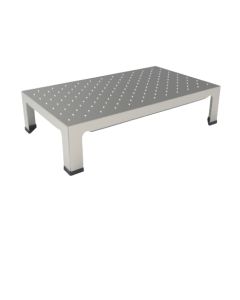
Single-step surgical footstool in 18/10 stainless steel, 60x40x15 cm. High-grip non-slip surface for maximum safety in the operating room.

Stainless steel single-step footstool for operating room, 200 kg, non-slip aluminum surface, 600x350x250 mm.

Operating room platform in AISI 304 stainless steel with non-slip diamond plate top and antistatic structure. Dimensions 600x350 mm in three heights.

Hospital stainless steel step stool with 1 removable non-slip step. Load capacity 150 kg, adjustable antistatic feet. W60×D35×H13 cm.

Stainless steel operating room step stool with knurled and removable non-slip surface. Load capacity 150 kg, adjustable feet. Dimensions W60×D35×H22 cm.

Single-step platform for operating rooms in AISI 304 stainless steel with removable non-slip surface and suction cup tips. Antistatic, 600x400xh.300 mm.
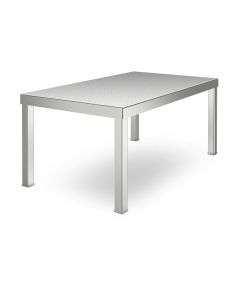
Single-step stainless steel platform for operating rooms, 60x35x30 cm, 150 kg capacity, non-slip surface, adjustable antistatic feet.
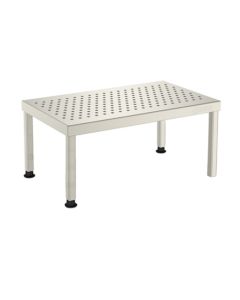
Surgical stainless steel footstool 60x35 cm, 200 kg capacity, with removable non-slip surface and antistatic foot for safety in the room.

Hospital 2-step stool in 18/10 stainless steel, dimensions 60x68x45 cm, anti-slip surface with high load capacity for operating rooms.

2-step stainless steel surgical stool, non-slip surface, 200 kg capacity, dimensions 600×700×450 mm.

2-step surgical platform in AISI 304 stainless steel (600x650x440 mm). Non-slip diamond plate surface, electropolished structure and antistatic system.

AISI 304 18/10 stainless steel operating room step stool with 2 steps, removable knurled tops and suction cup tips. Dimensions 600x570xh.220/440 mm.

Stainless steel surgical step stool with 2 non-slip steps, 150 kg capacity, adjustable height 22-44 cm, antistatic feet.

Professional two-step stainless steel surgical stool for the operating room, with removable non-slip platforms and 200 kg load capacity. Dimensions 60x68.5 cm.
Operating room step stools are fundamental complementary devices in surgical environments, designed to facilitate access and positioning of medical personnel during procedures. Made predominantly of AISI 304 or 18/10 stainless steel, they guarantee structural stability, ease of sanitization, and compliance with strict hospital standards. Available in configurations with one or more steps, with heights ranging from 13 to 44 centimeters, these platforms allow for optimized ergonomics in the operating room, reducing physical fatigue for the team and improving gestural precision during procedures.
The use of surgical steps is particularly critical in contexts where the positioning of the surgeon and assistants directly affects the quality of the intervention. The non-slip tread plate surface, present in most models, ensures maximum grip even in wet conditions and during the use of sterile footwear, an essential element for operational safety. The electropolished structure and integrated antistatic system protect both the operator and the environment from potentially harmful electrostatic discharges.
The implementation of surgical steps in the operating room addresses primary ergonomic and functional needs in the healthcare sector. The main advantage consists in the reduction of physical fatigue of the team during prolonged interventions, allowing the surgeon and assistants to maintain correct postures without the need to bend or stretch excessively towards the surgical field. This aspect is not purely for comfort but directly affects the quality of surgical performance: incorrect posture causes hand tremors, reduces gestural precision, and increases the risk of errors. The steps also allow easy access to work surfaces located at different heights, a frequent configuration in modern operating rooms where operating tables, instrument trolleys, and diagnostic stations are at different levels.
A further benefit concerns the management of biological contamination. The stainless steel used in surgical steps is extremely resistant to common hospital disinfectants (alcohols, hypochlorites, quaternary ammonium compounds) and chemical agents used in decontamination cycles. Unlike porous or painted materials, stainless steel does not absorb biological liquids, facilitating deep cleaning between procedures. The structural stability guaranteed by the non-slip platforms also minimizes the risk of accidental falls during the rapid and precise movements characteristic of surgical activity, protecting both personnel and patients under sedation.
The catalog of surgical steps is mainly structured according to the number of steps and dimensions, responding to specific operational scenarios. Single-step stools represent the most versatile and widespread configuration, ideal for operations requiring a moderate height difference (typically 13-22 centimeters). These models, with base dimensions of 60x35 or 60x40 centimeters, are used in most operating blocks to facilitate access to standard surgical tables. Double-step stools, on the other hand, offer greater heights (up to 44 centimeters) and are used in situations where personnel need to position themselves significantly higher than the floor level, such as in some orthopedic procedures or vascular surgery. These models feature larger base dimensions, frequently 60x68 or 60x70 centimeters, with extended depths to ensure balanced stability on two levels.
Further differentiations concern the finish of the walking surface and construction features. Some models mount removable non-slip platforms, allowing for even more scrupulous cleaning of critical areas. The maximum load capacity generally varies between 150 and 200 kilograms, decisive for high-traffic environments where multiple operators position themselves simultaneously on the same step stool. Particular models include adjustable antistatic feet, a crucial element in operating rooms equipped with sensitive electronic instrumentation. The configuration of the underlying structure, often with fully welded tubes and devoid of sharp edges, facilitates decontamination and prevents the accumulation of organic residues in corners.
Selecting the appropriate surgical step stool requires careful evaluation of multiple contextual and operational factors. The first element to consider is the actual height difference needed between the surgeon’s rest position and the work point on the surgical field. Measuring this distance in different operating conditions allows identifying whether a single step (13-22 cm) is sufficient or if a double-step configuration is necessary. Frequent errors include purchasing oversized steps, which occupy critical space in already congested rooms, or undersized ones, which still force personnel to adopt incorrect postures. A second criterion concerns the frequency of use and the number of operators who will use it simultaneously: environments with high turnover of interventions or rooms dedicated to collective procedures (teaching, research) require platforms with higher load capacity and higher quality material to withstand greater stress.
Analyzing the characteristics of the room is fundamental: check if the floor is antistatic, if the room requires compliance with specific regulations for managing electrostatic discharges, and if the dimensions of the room allow for the platform’s footprint. Many operating room managers make the mistake of not coordinating the purchase of steps with existing furniture, risking space conflicts or inconsistency in materials. Material certification (AISI 304 steel with verified Cr/Ni ratio) is essential in contexts where sterilization times are frequent and intense, as lower quality materials degrade rapidly. Finally, consider the ease of maintenance: models with removable platforms require more cleaning time but guarantee complete sanitization; single-piece structures are faster to sanitize but less flexible in case of localized damage.
Operating room step stools must comply with specific regulations covering both construction and functional aspects. The UNI EN ISO 14971 standard (Risk Management) represents the reference framework for the design and production of medical devices, including the identification and mitigation of risks related to falls and accidents in the surgical environment. Parallelly, the UNI EN 13849-1 standard regulates functional safety systems, requiring platforms to maintain structural stability under static and dynamic load conditions. Construction standards provide that contact surfaces be non-slip with a minimum coefficient of friction (μ ≥ 0.5 in wet conditions), while metallic structures must meet requirements for surface roughness and finish to withstand repeated decontamination cycles.
In Italy, the Higher Institute of Health has issued specific guidelines on the configuration of operating rooms that include recommendations on the provision of auxiliary devices such as surgical steps. Each hospital facility must also comply with the Ministerial Decree of 22 December 1974 (Hygiene and safety standards in workplaces and especially in inpatient premises), which prescribes the maintenance of hygienic-sanitary conditions through the use of easily disinfectable surfaces. The prescribed minimum static load capacity is generally 150 kg per single operator, with a safety margin of 2:1, translating into structures dimensioned for 300 kg of load. A critical aspect is compatibility with the airflow systems of modern operating rooms: platforms must allow for correct positive airflow and not create areas for dust or biological contaminants to stagnate, a requirement verifiable through particulate dispersion tests according to ISO 14644.
Explore all products in the category and compare the available solutions to find the one best suited to your operational context. Contact our specialized team for personalized guidance on choosing models based on the characteristics of your operating room.
A surgical step stool is a stainless steel platform with one or more steps that facilitates the positioning of the surgeon and the team during interventions. It allows for comfortable access to different work levels, reducing fatigue and improving postural ergonomics. The non-slip surface ensures stability even in wet conditions, a critical element for safety during prolonged procedures.
The single-step stool offers moderate height differences (13-22 cm) and is suitable for most standard interventions. The double-step model reaches heights up to 44 cm, used in orthopedic or vascular procedures where personnel need to position themselves significantly higher. The choice depends on the type of operating room and the prevailing interventions.
AISI 304 stainless steel is resistant to common hospital disinfectants (alcohols, hypochlorites, quaternary compounds) and does not absorb biological liquids. The smooth and continuous surface, without porosity, facilitates deep cleaning between interventions, reducing the risk of cross-contamination. This feature is fundamental for maintaining the hygiene standards required in sterile rooms.
Evaluate the actual height difference needed, the number of operators who will use the platform simultaneously, the required load capacity (minimum 150 kg per single operator), the dimensions of the room, and compatibility with airflow systems. Also check material certification and the presence of removable platforms to facilitate deep decontamination.
The maximum load capacity varies between 150 and 200 kg and defines the number and weight of personnel who can simultaneously stand on the platform. In high-traffic rooms with frequent turnover or educational environments where multiple operators work simultaneously, a higher capacity (200 kg) guarantees greater structural safety and longevity of the device.
Yes, the steps are designed not to interfere with positive airflow systems and decontamination procedures. The structure without stagnation zones and continuous surfaces allow for correct air dispersion. However, always verify the compliance of the specific model with the characteristics of your room and the prevailing hygiene protocols.
Maintenance consists of daily post-intervention cleaning and deep weekly decontamination. Monthly, inspect the non-slip surface for wear, check the stability of the structure, and verify the integrity of the feet. Every 6-12 months, perform a professional check of the residual capacity and structural compliance according to hospital standards.
Yes, numerous manufacturers offer customizations regarding additional heights, base dimensions, materials of the feet, and dedicated airflow systems. Contact the supplier directly with the details of your room (type of flooring, furniture heights, number of operators) to receive tailor-made solutions that meet specific technical requirements and hygiene protocols.
 English
  Italian
 French
 German
 Spanish