
mon-fri 9-13 / 14.30-18.30
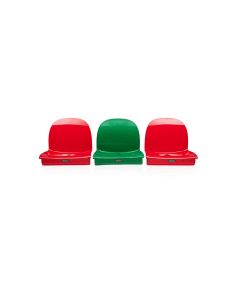
Fire-retardant seats for sports areas to be fixed directly on the steps. Available in different colors. Dimensions: W.424 x D. 350 x h. 330 mm.
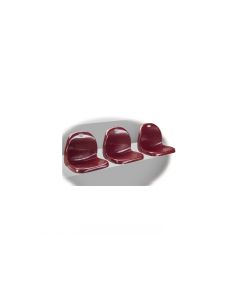
Polypropylene stadium seats available in different colors. Dimensions: W.440 x D.400 x H.365 mm.
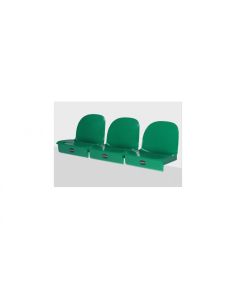
Sports facility seats in polyamide. Dimensions: W.423 x D.400 x H.330 mm. Available in various colors.
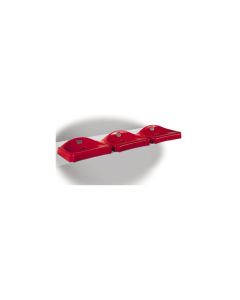
Backless seating for sports areas in polypropylene. Dimensions: D.350 x W.475 mm. Fixing on painted steel plate.
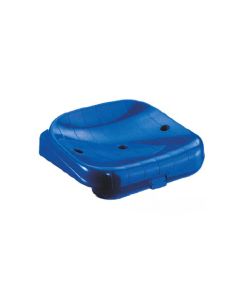
Pack of 10 pieces
€255.48 VAT incl.Backless polypropylene seats for sports facilities. Available in different colors. Dimensions: W.400 x D.350 x H.140 mm.
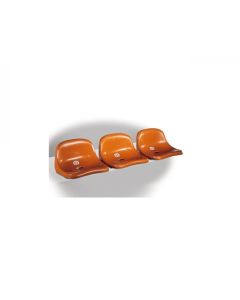
Seats for sports areas with polypropylene backrest. Available in various colors.
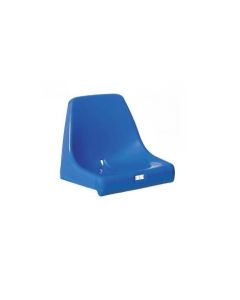
Seats for sports grandstands with backrest. Direct fixing on the step. Dimensions: W.440 x D.350 x H.350 mm.
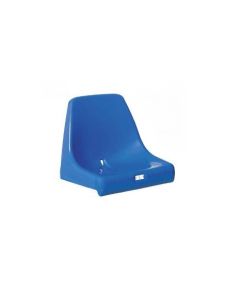
Fire-retardant seat for sports stands in polypropylene with backrest. Dimensions: W.440 x D.350 x H.350 mm. Available in various colors.
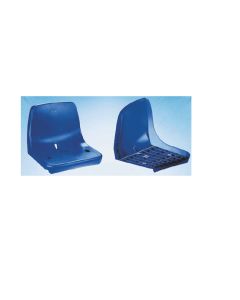
Pack of 10 pieces
€364.20 VAT incl.Polypropylene sports facility seating with backrest. Available in various colours. Dimensions: W.440 x D.450 x H.350 mm.
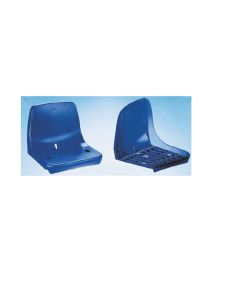
Pack of 10 pieces
€391.56 VAT incl.Seats for sports facilities in polypropylene with backrest. Available in various colors. Dimensions: W.440 x D.450 x H.350 mm.
Stadium and sports facility seating represents a fundamental structural element for the creation of public spaces intended for sporting and cultural events. These plastic seats guarantee comfort for spectators during matches, concerts, conventions, and assemblies, while maintaining high standards of safety and regulatory compliance. The choice of materials and construction features directly affects durability, weather resistance, and the ability to ensure visibility and comfort for end users. The products in this category adapt to diverse contexts: from outdoor stadiums to indoor auditoriums, from temporary sports stands to permanent installations in multi-sport facilities.
Installing specific seating for grandstands is not just a matter of comfort but is an essential safety requirement. An orderly and stable positioning of seats allows for the management of people flows, prevents disorderly crowds, and facilitates evacuation in case of emergency. Robust fastening systems and certified fire-retardant materials represent concrete guarantees for public protection, in compliance with national and international technical regulations. Polypropylene and polyamide seats, finished with professional painting processes, maintain their properties even after prolonged exposure to sun, rain, and humidity, significantly extending the life cycle of the investment.
The decision to invest in quality seating for a sports facility or an auditorium produces tangible benefits in multiple aspects. From an operational point of view, well-designed seats allow for orderly space management and facilitate cleaning and maintenance operations, reducing long-term costs. The polypropylene and polyamide materials used in this category guarantee superior durability compared to improvised solutions, resisting thermal variations, humidity, UV rays, and repeated contact without compromising structural integrity. The availability of different colors also allows for the customization of the facility based on the visual identity of the structure or the sports club, creating an aesthetic experience consistent with the surrounding architecture.
In addition to functional and aesthetic aspects, the choice of certified seating is a critical element for the civil liability of the facilities. A facility equipped with fire-retardant seats, correctly fixed and compliant with safety regulations, significantly reduces risks related to fire, structural failure, and injury during ordinary use. Seats without backrests are particularly suitable for compact configurations and omnidirectional views, while those with backrests guarantee greater comfort during prolonged stays. The availability of standardized dimensions also allows for easier space planning, optimizing the ratio between facility capacity and available surface area. Investing in professional solutions also means benefiting from technical assistance and the possibility of scheduled maintenance, aspects that are often overlooked but decisive for the longevity of the installation.
Stadium and sports facility seating is divided into two macro-functional categories: models with backrests and models without backrests. Seats with backrests offer greater comfort during prolonged sessions, thanks to lumbar support and the possibility of adjusting posture; these models are particularly suitable for auditoriums, cinemas, conference halls, and facilities where the audience remains seated for extended periods. Models without backrests, on the other hand, have a more compact profile and lower weight, favoring dense installations and ensuring unobstructed lateral visibility, an essential condition for grandstands with steeply sloped steps. Both types are available in polypropylene and polyamide, the latter characterized by greater impact resistance and superior non-slip properties, a non-negligible aspect in exposed environments or those with significant surface humidity.
A further differentiating element concerns fire-retardant certification, a regulatory requirement for most public facilities. Fire-retardant seats undergo specific surface treatments and use base resins capable of slowing the spread of fire, while preserving the lightness and workability of the material. The available color variants (generally black, red, blue, green, gray) allow for the coordination of the seating with the facility's visual identity and, in some professional contexts, the identification of different areas or sectors of the stadium. The fastening system represents a critical element of choice: some models provide for direct fastening on the step via painted steel plates, others use dedicated rails or anchoring systems on pre-existing metal structures. Understanding the specific needs of your grandstand is therefore essential to identifying the most suitable model, as inadequate fastening compromises both safety and the final aesthetics.
Selecting the most appropriate seating requires systematically evaluating several technical and contextual parameters. First, it is necessary to accurately measure the dimensions of the grandstand and the pitch (the distance between one row and the next), as this dimension determines whether a seat with an integrated backrest or without is preferable, and what seat depth guarantees the best balance between comfort and capacity. Verification of permissible loads on the underlying structure is an often underestimated aspect: polyamide seats, while light compared to metal solutions, still exert significant distributed loads when multiplied by tens or hundreds of units. The type of intended use (permanent, seasonal, occasional) influences the choice of material: a structure exposed to continuous weather conditions benefits more from fire-retardant certification and superior UV protection painting. In the case of covered or indoor facilities, durability requirements are slightly lower, allowing for more advantageous economic considerations.
A frequent error consists in underestimating the importance of the fastening system and the construction details related to hooks and protrusions. A poorly positioned or unstable seat not only generates discomfort but compromises the safety of the user and the surrounding structure, creating potential civil liability for the manager. It is fundamental to verify that the chosen seats offer ease of cleaning: the stagnation of water, organic debris, and sediment significantly decreases durability, especially in outdoor or humid environments. The choice between polypropylene and polyamide also depends on the expected operating temperatures: polypropylene maintains better flexibility in cold climates, while polyamide offers superior mechanical resistance under concentrated load conditions. Consulting the product's technical sheet, evaluating available certifications (UNI, EN, ASTM standards where applicable), and requesting references for similar facilities already equipped with the same solution is a advisable practice to reduce decision-making risks and guarantee a conscious and lasting installation.
Seating intended for public sports facilities and auditoriums is subject to a series of regulatory requirements that vary based on jurisdiction and type of structure. In Italy, the Fire Safety Code requires that seats used in environments with a capacity exceeding certain limits be certified as fire-retardant, compliant with Class 1 (reduced flammability) according to current regulations. The UNI EN 13200 standard establishes the technical requirements for stadium seats, defining specific parameters regarding dimensions, angles, mechanical resistance, and behavior under concentrated load. In addition to flammability certifications, it is common to find requirements relating to accessibility for people with reduced mobility, for which modern standards provide reserved spaces and specifically designed seats, compliant with regulations on the removal of architectural barriers.
A regulatory aspect often underestimated concerns environmental responsibility and the end-of-life of materials. Plastic seats, if not recyclable or biodegradable, generate waste management obligations for the facility owner, with potential economic and legal implications. Compliance with product safety regulations (CE marking) and supply chain traceability constitute further protections against civil liability and administrative sanctions. Furthermore, public structures are often subject to periodic audits by control bodies (fire department, prevention agencies) that verify the continued compliance of the facility. Scrupulously documenting the installation date, certificates of conformity, maintenance performed, and any modifications represents an indispensable management practice to demonstrate diligence and compliance in the event of accidents or inspections. When evaluating a product, it is advisable to request a detailed declaration of conformity, specific fire-retardant certification and, if available, the test report from an accredited third-party body, elements that guarantee a solid basis for approval by the competent authorities.
Explore all products in the category and compare the available solutions to find the one most suitable for your operational context. Each seat is described with dimensional specifications, materials used, and associated certifications, allowing you to make an informed choice based on verifiable technical data and concrete installation experiences in facilities similar to yours.
Seats with backrests provide lumbar support and greater comfort during prolonged stays, ideal for auditoriums and conference halls. Those without backrests are more compact, reduce space requirements, and ensure unobstructed lateral visibility, preferable for steeply sloped grandstands. The choice depends on the intended use and the dimensions available on the step.
A fire-retardant seat undergoes a specific surface treatment to slow the spread of fire, compliant with Class 1 according to fire safety regulations. It is a mandatory requirement for public facilities with capacity over certain limits, ensuring safety in case of fire and preventing civil liability for the facility manager.
The main materials are polypropylene and polyamide. Polypropylene is lighter and more economical, with good flexibility in cold climates. Polyamide offers superior mechanical resistance, better behavior under concentrated loads, and superior non-slip properties. The choice depends on operational conditions and available budgets.
The number depends on the dimensions of the grandstand (available length and depth) and the dimensions of the chosen seat. By measuring the grandstand pitch and dividing it by the seat depth, you get the number of seats per row. Multiplying by the number of rows gives the total capacity. It is advisable to consult the product's technical sheet for exact dimensions.
The main maintenance consists of periodic cleaning with water and neutral soap to avoid the accumulation of debris and algae, especially in outdoor environments. Periodically check the fastening systems and, in case of surface damage, intervene promptly to avoid water infiltration. Regular maintenance significantly extends durability, which normally exceeds 10-15 years.
The main standard is UNI EN 13200, which establishes the technical requirements for stadium seats, including dimensions, angles, mechanical resistance, and behavior under load. The CE mark and compliance with current fire safety regulations (Class 1) must also be certified. Always request certification and test reports from accredited bodies.
 English
  Italian
 French
 German
 Spanish