
mon-fri 9-13 / 14.30-18.30
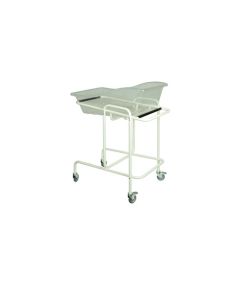
Pediatric neonatal crib with trolley. Dimensions: 835x525xh.900 mm
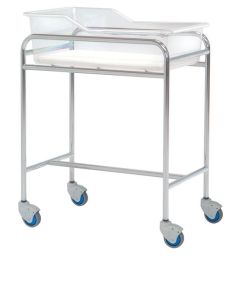
Crib for neonatology departments with steel frame. Dimensions: W80 x D48 x H85 cm.
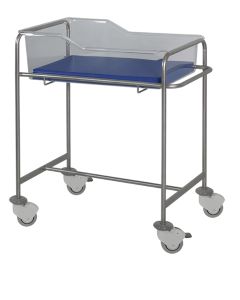
Pack of 10 pieces
€4,410.00 VAT excl.Baby crib ideal for hospitals and clinics. Material: stainless steel and plastic. Dimensions: W90 x D48 x H90 cm.
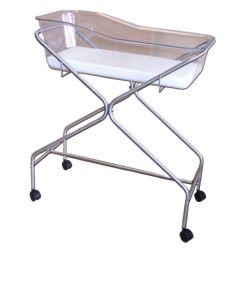
Hospital crib for newborns with mattress. Dimensions: W.90 x D.43 x h.98 cm. Tilting structure.
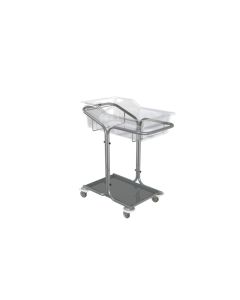
Folding hospital baby crib made of stainless steel. Dimensions: W. 83.2 x D. 45.5 x H. 99 cm.
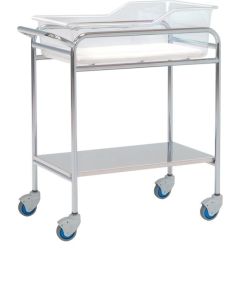
Crib for neonatology department. Steel structure and transparent methacrylate basket. Dimensions: W80 x D48 x H85 cm.
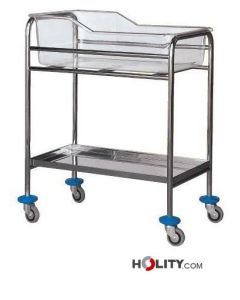
Pediatric crib on wheels. Material: stainless steel and transparent methacrylate. Dimensions: W. 830 x D. 500 x H. 980 mm.
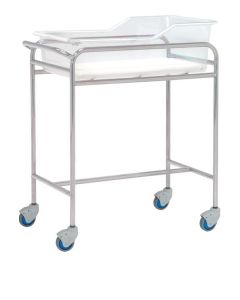
Hospital crib for newborns with push handle. Dimensions: W80 x D48 x H85 cm.
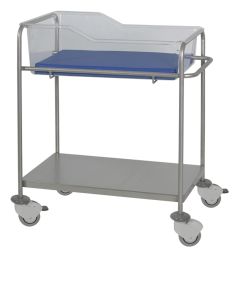
Neonatal hospital crib. Stainless steel structure, plastic tub. Dimensions: W90 x D48 x H90 cm.
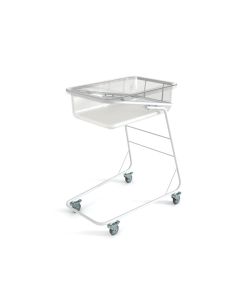
Neonatal crib in painted steel, with tilt position up to +12°. Easy to push and store. External dimensions: W 83 x D 57 x H 98 cm.
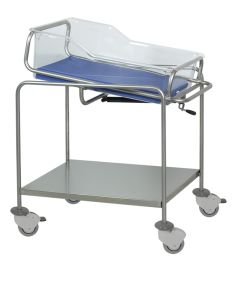
Pediatric crib for clinics. Equipped with Trendelenburg function. Dimensions: W90 x D48 x H90 cm.
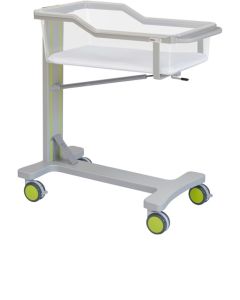
Pediatric crib in aluminum and steel for neonatology (90x47x97 cm), with Trendelenburg inclination +/- 13° and transparent methacrylate basket.
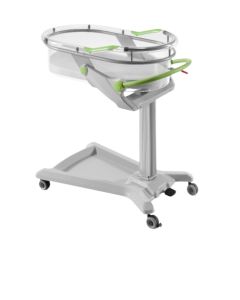
Transparent pediatric crib with lifting column and wheels with individual brakes. Dimensions: 920 x 560 x h 910-1210 mm.
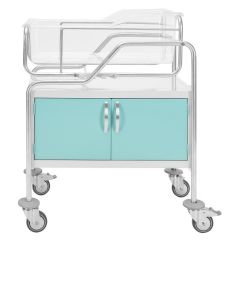
Neonatal crib with removable writing desk and cabinet with hinged doors. Dimensions: W. 830 x D. 500 x h. 980 mm.
Light blue pediatric bed with 2 cranks, adjustable side rails and IV pole. Dimensions: W 188 x D 90 x H 126 cm.
Pink pediatric bed with 2 cranks, adjustable side rails, IV pole. Dimensions: W 188 x D 90 x H 126 cm.
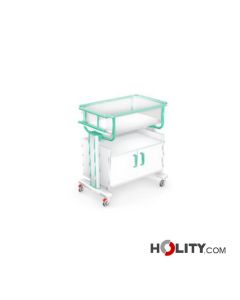
Neonatal cradle with integrated cabinet, powder-coated steel structure and tilt up to +12°. External dimensions: W 88 x D 48 x H 92.5 cm.
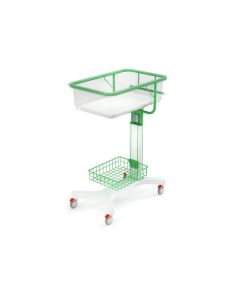
Neonatal crib with height adjustment via gas spring and inclination up to +12°. External dimensions: W 75.5 x D 48 x H from 92.5 to 122.5 cm.
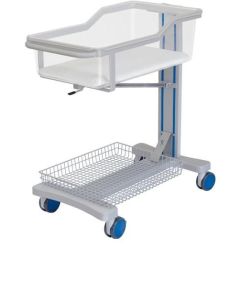
Pediatric cradle with storage basket. Dimensions: W90 x D47 x H97 cm. Available in different colors.
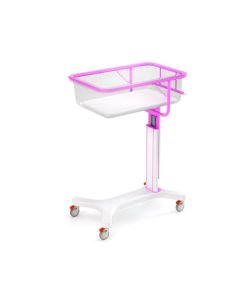
Neonatal crib with gas spring height adjustment, tiltable up to +12°. Steel and powder-coated aluminum structure. External dimensions: W 75.5 x D 48 x H from 92.5 to 122.5 cm.
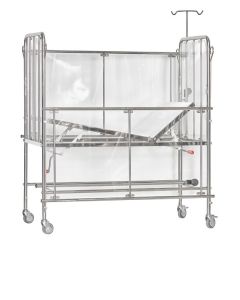
Hospital crib for children in painted steel. Dimensions: W. 1250 x D. 750 x h. 1350 mm.
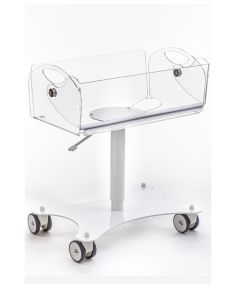
Hospital crib for newborns. Comfortable, functional and safe. Dimensions: W75 x D48 x H87/113 cm
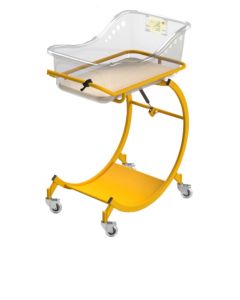
Hospital crib in PET for neonatal ward. Painted steel frame. Dimensions: W. 90 x D. 50 x h. 110 cm.
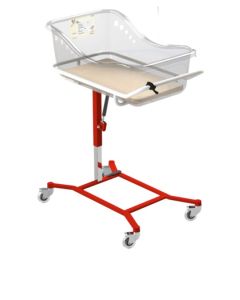
Pediatric crib with tilt adjustment and height adjustment via pedal. Dimensions: W. 90 x D. 50 x h. 110 cm.
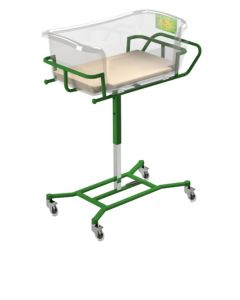
Pediatric hospital crib adjustable in height via foot pedal. Dimensions: W. 90 x D. 50 x H. 110 cm approx.
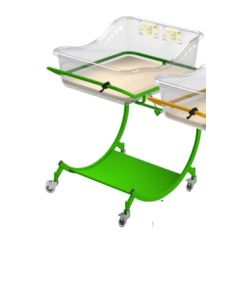
Neonatal crib with twin bed in PET and steel. Dimensions: W. 90 x D. 70 x h. 110 cm.
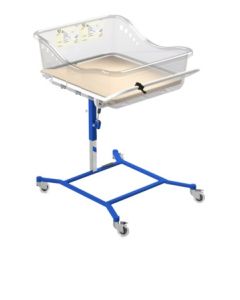
2-place pediatric crib with tilt adjustment and height adjustment via foot pedal. Dimensions: W. 90 x D. 70 x h. 110 cm.
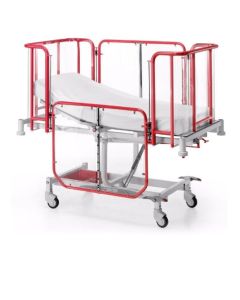
Pediatric crib with steel structure, crank-adjustable backrest, Trendelenburg ±13°, sliding side rails and wheels with central brake. Dimensions: 72 x 140 cm.
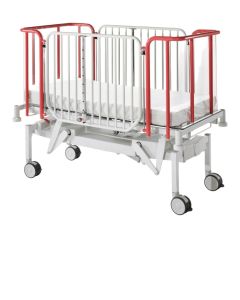
Electric pediatric crib with height adjustment and centralized braking system. Dimensions: 157.5 x 89 x h 62-92 cm.
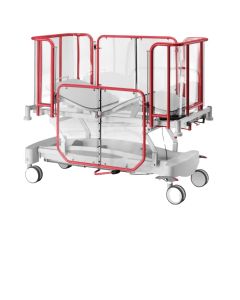
Hospital baby crib with hydraulic height adjustment via bilateral pedal and articulation of the trunk and leg sections via crank. Dimensions: 85.5 x 154 cm.
Hospital cribs for newborns represent an essential element in pediatric inpatient environments, from delivery rooms to neonatology wards. These devices combine safety, functionality, and ergonomics to ensure the newborn’s well-being during their stay in the hospital facility. Made with resistant materials such as stainless steel, painted aluminum, and transparent methacrylate, hospital cribs offer structural stability and ease of sanitization, fundamental requirements in medical environments. The choice of the right model depends on the specific needs of the ward, the methods of use, and the functions required to ensure comfort and practicality in neonatal care.
Hospital cribs for newborns are specialized tools that meet the rigorous quality standards required by healthcare facilities. Their importance lies in the ability to provide a safe, hygienic, and comfortable space where the newborn can rest while undergoing continuous medical monitoring. These devices facilitate access for healthcare personnel, allowing for rapid inspections and clinical maneuvers without compromising the rest of the small patient. The visibility guaranteed by transparent or semi-transparent panels allows for constant monitoring of the newborn’s condition, a critical aspect in the first days of life when complications can arise quickly. Furthermore, many models include integrated transport systems, allowing easy movement between wards without the need for traumatic transfer of the newborn.
From an operational point of view, hospital cribs significantly simplify the tasks of nursing and medical personnel. Adjustable positioning, wheels with centralized brakes, and tilting systems allow for rapid adjustment of the setup to the clinical needs of the moment: from the standard horizontal position to therapeutic inclinations such as the Trendelenburg position, sometimes required in specific situations. Many hospital facilities use cribs with integrated trolleys or cabinet systems to better organize the care environment, minimizing the time spent searching for materials or auxiliary devices. The ability to adjust the height of the crib from the floor also reduces staff fatigue during long shifts.
The market offers a variety of models to adapt to different hospital contexts. Standard pediatric cribs in stainless steel and transparent methacrylate represent the most common solution in neonatology wards and delivery rooms. These models maintain compact dimensions (generally 80-90 cm in length by 45-50 cm in depth) and stand out for their structural simplicity, facilitating cleaning and sanitization operations. Alongside these, there are cribs with advanced ergonomic functionality, equipped with a lifting column operated by a gas spring or a foot-pedal hydraulic system, which allow operators to adjust the height without excessive effort. Some models include crank-adjustable backrests, tilting systems up to 12-13 degrees, and sliding side rails, features that expand therapeutic possibilities. Twin cribs, sized to accommodate two newborns, meet the needs of twin births and represent a functional choice for optimizing space in neonatology wards.
A specialized category concerns motorized cribs, equipped with electrical systems for height adjustment and advanced control functions. These models ensure maximum convenience of use and reduce the physical load on staff, although they require more careful planning in terms of maintenance and operational training. Co-sleeping cribs represent an innovative solution for contexts that promote mother-newborn contact, allowing the crib to be safely placed next to the mother’s bed. Finally, there is a range of cribs with integrated cabinets, designed for wards where space is limited and the need for organization is a priority: these models combine the primary function of neonatal rest with the storage of dressings, diapers, and medical devices, optimizing the use of available space.
The selection of a hospital crib for newborns requires a thorough evaluation of several technical and organizational parameters. The first criterion concerns the available space in the ward: environments with dimensional constraints may require more compact standard models, while larger wards can benefit from solutions with expanded functionality. It is necessary to evaluate the clinical procedures prevalent in the ward: if the Trendelenburg position is frequently requested, a crib with adjustable tilt becomes essential; if the ward frequently practices co-sleeping, a crib with height adjustment up to 120 cm is a suitable choice. A decisive aspect concerns the frequency of newborn transport between wards: environments where transfers are common need lightweight models with smooth wheels and reliable brakes. The physical load on operators must be seriously considered, especially in wards with high patient turnover where staff work under conditions of prolonged physical stress.
Durability and maintenance costs represent critical factors that are often underestimated. Cribs made of stainless steel require less frequent deep sanitization than other materials, but involve higher initial costs; conversely, models with simple methacrylate panels have lower costs but require frequent visual checks for any micro-fractures. Before purchasing, it is advisable to request practical demonstrations and compare technical specifications: minimum and maximum height, weight, load capacity, medical certifications, and availability of spare parts. Common mistakes include purchasing models not suited to the ward’s level of acuity, underestimating setup or cleaning times, and failing to consider compatibility with other hospital equipment (IV poles, cardiac monitors, etc.). Consulting the nursing staff who will use the crib daily provides essential practical insights for an informed choice.
Hospital cribs for newborns are subject to strict national and international regulations that guarantee safety and quality. The UNI EN 1130 standard defines the safety requirements for hospital beds, including pediatric cribs, specifying parameters for stability, structural strength, and behavior during movement. The ISO 22427 standard extends these principles to ergonomic design, ensuring that the height and functions are suitable for healthcare workers. All cribs intended for the European market must comply with Directive 93/42/EEC (Medical Device Directive), which requires CE marking and complete technical documentation. In Italy, hospital facilities must verify that the devices meet the requirements of Legislative Decree 46/97 and subsequent legislative updates. These standards cover aspects of electrical safety (where applicable), resistance to stress, stability with asymmetric loads, and behavior in the event of accidental breakage.
Specific regulatory aspects concern sanitization and microbiological safety. The materials used must be easily sanitized using standard detergents and, where required, hospital disinfectants without degrading over time. Edges must be rounded to avoid accidental trauma to the newborn and operators. Braking systems must ensure complete immobility of the crib even on inclined floors, with the maximum load clearly stated in the documentation. Cribs with motorized functions require additional certifications related to electrical safety (IEC 60601-1 for medical devices) and must have mechanical backup systems in case of power failure. Complete documentation, including the user manual in the local language, is a mandatory requirement; many hospitals also require certificates of compliance with biocompatibility criteria, especially when materials come into direct contact with the newborn’s skin.
Explore all the products in the category and compare the available solutions to find the one best suited to your operational context. The choice of an informed hospital crib directly affects the quality of neonatal care and the well-being of the healthcare team.
A standard crib maintains a fixed height, ideal for wards with limited space and tight budgets. Cribs with height adjustment via a gas spring or hydraulic system allow operators to adjust the position without excessive effort, reducing fatigue during long shifts and improving ergonomic access to the newborn.
Transparent methacrylate offers superior visibility and greater durability, requiring less frequent maintenance, but with higher initial costs. Plastic is economical and lightweight, however more subject to scratches and opacification over time, requiring periodic checks to ensure the newborn’s visibility.
The integrated cabinet optimizes the use of space in neonatology wards, allowing for the organization of dressings, diapers, and medical devices right at your side. It reduces staff movement during care and minimizes the risk of cross-contamination compared to external cabinets.
Yes, there are cribs specifically designed for co-sleeping, equipped with height adjustment systems up to 120-125 cm to safely place the crib next to the mother’s bed. These solutions support skin-to-skin contact practices, promoting breastfeeding and mother-child bonding.
Crank cribs require moderate manual effort and are reliable even in the event of a blackout, but involve longer adjustment times. Motorized cribs offer maximum speed and comfort, but depend on electrical power and require periodic technical maintenance.
Check for the CE marking according to Directive 93/42/EEC, compliance with the UNI EN 1130 standard for structural safety and, if available, ISO 22427 certification for ergonomics. Request the certificate of conformity and the full technical manual in the required language from the supplier.
Perform surface sanitization with a hospital disinfectant after each patient, paying attention to corners and contact areas. A weekly deep sanitization is recommended, dismantling removable baskets and panels. Stainless steel materials tolerate more aggressive detergents than methacrylate.
Opt for lightweight cribs (under 30 kg) with quality swivel wheels and robust centralized brakes. Models with an integrated trolley simplify transport and reduce the risk of accidental trauma during movements between hospital environments.
 English
 Italian
 French
 German
 Spanish