
mon-fri 9-13 / 14.30-18.30

Perforated anti-fatigue mat in SBR/NBR rubber. Dimensions: 900 x 1500 x 13 mm. EN 13552 Cat. R10 anti-slip certified, with bevelled edges for liquid drainage.

Ergonomic anti-fatigue mat h1043_30 (91x152x1 cm) in black PVC blown foam. Designed with a single layer featuring a ribbed surface and beveled anti-trip edges.
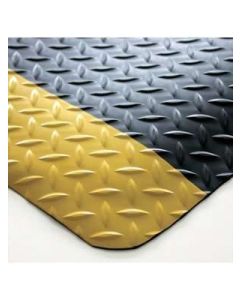
Industrial comfort foam anti-fatigue mat with black diamond surface and yellow safety edges, mm 900x1500x14. Self-extinguishing, resistant to oils and fats.
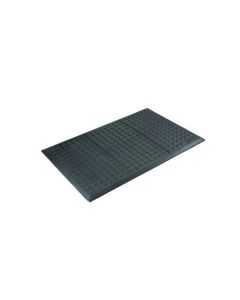
Bubble anti-fatigue mat in high-resistance polyurethane, 600x900x15 mm. Matte surface, beveled edge and DIN 4102 (B1) certified fire resistance.\

Ergonomic anti-fatigue mat h1043_31 with longitudinal development (91x305x2 cm) in black blown PVC foam. Characterized by a comfort thickness of a full 2 cm.
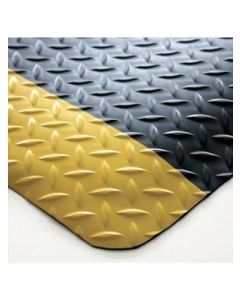
Industrial comfort foam anti-fatigue mat with a black diamond surface and yellow safety edges, 900x3000x14 mm. Self-extinguishing, 3 meters length.
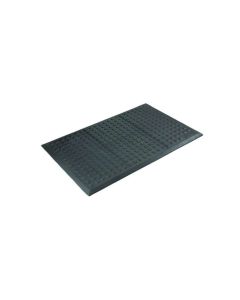
Anti-fatigue bubble mat in high-resistance polyurethane, 910x1520x16 mm. Solid structure for dry environments, ASTM G21 antimicrobial standard, safety ramps.
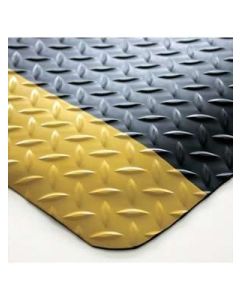
Industrial anti-fatigue mat in comfort foam with black diamond pattern surface and yellow safety borders, mm 900x6000x14. Self-extinguishing, extra length of 6 meters.
Anti-fatigue mats represent a fundamental technical solution for optimizing workstations where operators are forced to remain in a standing position for prolonged periods. Static standing on hard surfaces such as concrete or tiles involves constant compression of the lower limbs and lumbar area, reducing blood circulation and accelerating the onset of chronic musculoskeletal disorders. The introduction of specific ergonomic flooring cushions the plantar impact and stimulates imperceptible but continuous muscular micro-movements that promote venous return to the heart.
This type of device finds application in multiple professional contexts ranging from industrial assembly lines to chemical laboratories, up to professional kitchens in the HoReCa sector and healthcare reception desks. Choosing the correct cushioning surface is not only a measure related to personnel well-being, but directly affects company productivity by reducing hours of absence due to illness and preventing injuries resulting from slipping or premature fatigue. Different compounds and structural configurations allow responding to different environmental stresses, such as exposure to oils, chemicals, or constant humidity.
The adoption of professional anti-fatigue mats responds to a precise need for industrial ergonomics aimed at countering prolonged fatigue syndrome. When an operator stands for hours on rigid flooring, leg muscles tend to contract statically, hindering blood flow and causing a sense of heaviness that reflects negatively on concentration and the precision of tasks performed. The particular elasticity of the materials used in these platforms acts as a dynamic shock absorber, reducing the impact of body weight on the joints of the knees, ankles, and spine.
From a strictly operational point of view, the use of these solutions drastically reduces the incidence of long-term professional pathologies such as Achilles tendon inflammation or plantar fasciitis. Furthermore, the intrinsic nature of these products gives them excellent thermal and acoustic insulation properties, protecting the worker’s feet from the cold transmitted by concrete screeds and muffling walking noise or the accidental fall of tools. Investment in such safety equipment therefore translates into a tangible improvement in the working microclimate and the general output of production departments.
The market for anti-fatigue flooring is mainly divided into two large structural macro-categories, each designed to respond to specific environmental and operational conditions: solid models and perforated models. Solid anti-fatigue mats feature a continuous surface, often characterized by raised textures such as diamond plate or bubble finish, ideal for dry environments where maximum stability and easy daily cleaning via broom or vacuum cleaner are required. These formats retain dust on the surface, preventing it from settling on the floor below, making them suitable for packaging lines, sales counters, and quality control stations.
In contrast, perforated anti-fatigue mats are specifically engineered for operational contexts characterized by the constant presence of liquids, oils, fats, or generic processing waste. The honeycomb or grid structure allows fluid substances to drain quickly below the walking surface, keeping the contact area with the shoe sole dry and reducing the risk of aquaplaning or slipping to zero. This variant is the undisputed standard within professional kitchens, in restaurant washing areas, in mechanical workshops, and wherever the handling of oily substances makes ordinary surfaces extremely dangerous.
Selecting the ideal ergonomic platform requires careful analysis of environmental variables and the nature of the chemical substances used in the work area. One of the most recurring errors consists in purchasing a standard natural rubber compound for environments where lubricating oils or animal fats are used; such oversight leads to rapid degradation and melting of the material, compromising its non-slip function. In the presence of hydrocarbons or subst
It is a resilient technical flooring designed to flex imperceptibly under body weight. This movement stimulates the alternate contraction of the calf muscles, activating the so-called venous pump which improves blood circulation and reduces pressure on the spine during prolonged standing.
The solid model has a continuous surface ideal for retaining dry debris and facilitating cleaning in liquid-free areas. The perforated model has geometric openings designed to allow liquids and oils to flow below the walking surface, keeping the upper area dry and safe.
Nitrile rubber is indispensable in the HoReCa sector and in industrial mechanical workshops. This material offers absolute resistance to the corrosive action of animal fats, vegetable oils, mineral lubricants, and aggressive chemical detergents used for sanitizing environments.
Standard thickness generally varies between 10 and 19 millimeters. For intensive work shifts exceeding six stationary hours, a minimum thickness of 13 millimeters is recommended to ensure the correct impact absorption coefficient without causing postural instability for the operator.
Compatibility depends on the presence of beveled perimeter edges and the density of the compound. High-density industrial models with integrated safety ramps allow the passage of light trolleys and pallet jacks without suffering tears and eliminating the risk of tripping for personnel.
They must be tested according to the DIN 51130 standard for the determination of slip resistance. For general industrial environments, a minimum R10 classification is required, while for areas with a constant presence of oils and fluids, an R11 or R12 certification is necessary.
 English
  Italian
 French
 German
 Spanish