
mon-fri 9-13 / 14.30-18.30

Medical stool with gas lift. Adjustable height: 44-56 cm. Without backrest.
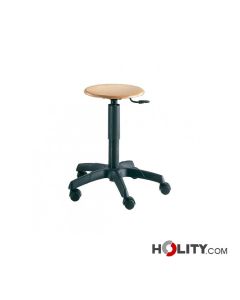
Backless medical stool with adjustable height from 44 to 56 cm. Weight: 7 kg.
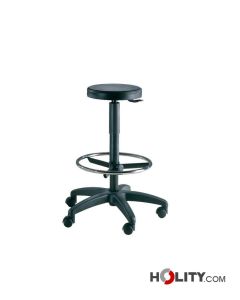
Technical stool in 100% polyurethane with telescopic footrest. Dimensions: D 60 x H from 65 to 90 cm.

Stool for clinics with telescopic footrest. Adjustable height: 65-90 cm. Weight: 8 kg.
Pack of 2 pieces
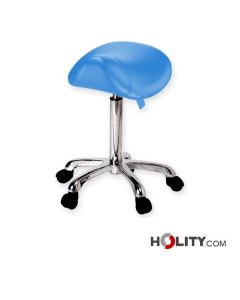
€164.44 VAT excl.Ergonomic stool with saddle seat. Adjustable height 52/67 cm
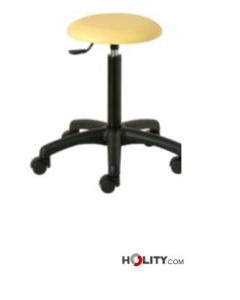
Clinic stool with ABS base and foam seat. Height adjustable via lever from 54 to 73 cm.

Medical stool for medical use with gas lift. Aluminium base Ø50 cm. Polyurethane seat available in multiple colours. Max load 150 kg.

Swivel stool with screw height adjustment. Padded seat.

Stool for medical offices with ABS base and foam seat. Height adjustable via lever.

Stool with padded seat and nylon base with coated wheels, ideal for medical, physiotherapy practices and outpatient clinics.
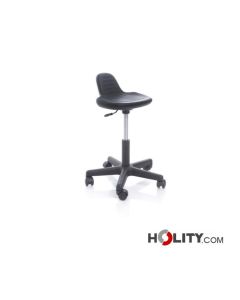
Swivel stool with backrest and lever-adjustable height.
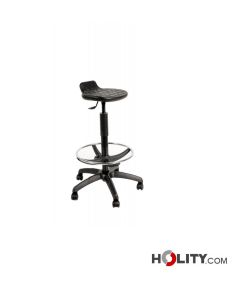
Clinic stool with gas lift. Adjustable height: 65-90 cm. Weight: 8 kg.
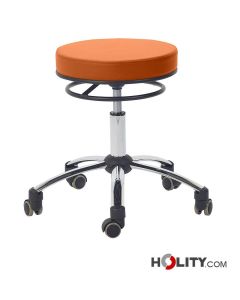
Swivel stool for medical practices with ring for height adjustment.

Swivel stool with gas lift piston and 14 cm elevation.
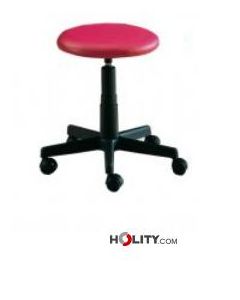
Swivel stool for medical office. Adjustable height from 45 to 55 cm. Available in various colors.

Technical stool with padded backrest and seat, steel structure. Dimensions: D 63 x H from 101 to 127 cm.
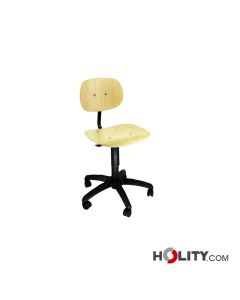
Medical stool for medical practices in multilayer beech, height-adjustable from 95 to 121 cm. Weight: 8 kg.
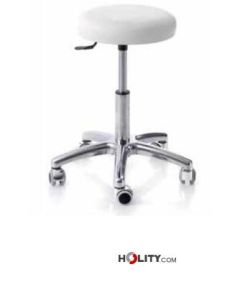
Clinic stool with piston lift. Padded seat Ø32 cm and aluminum base Ø 50 cm.
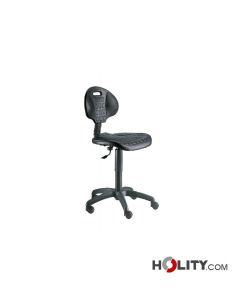
Medical practice stool with backrest, equipped with wheels. Adjustable height: 90-103 cm. Adjustable backrest.
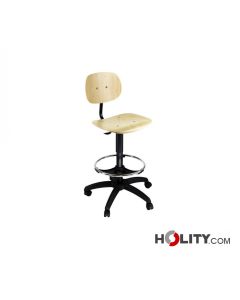
Clinic stool with telescopic footrest and backrest. Adjustable height: 98-122 cm.
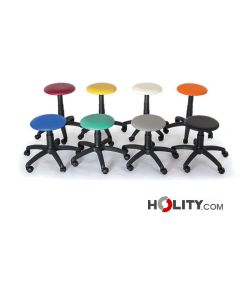
Stool for clinics with adjustable height from 40 to 55 cm. Seat available in several colors.

Medical practice stool with telescopic footrest. Height adjustable: 111-137 cm.

Standing stool with padded seat and steel - nylon structure. Dimensions: D 24 x H from 51 to 76 cm
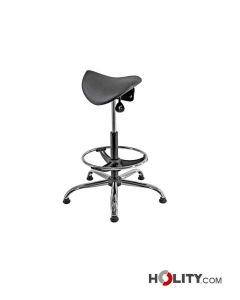
High stool with 100% polyurethane seat and telescopic footrest. Dimensions: D 63 x H from 59 to 84 cm.
Pack of 2 pieces
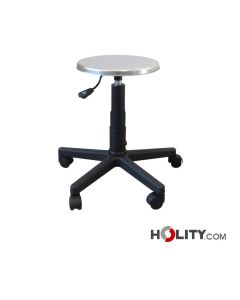
€259.68 VAT excl.Medical office stool in stainless steel. Adjustable height.

Medical stool with black fabric seat. Load capacity: 120 kg. Adjustable seat height from 530 to 650 mm.
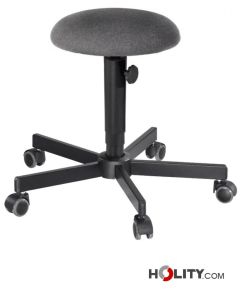
Medical stool with anthracite fabric seat. Load capacity: 120 kg. Adjustable seat height from 530 to 650 mm.
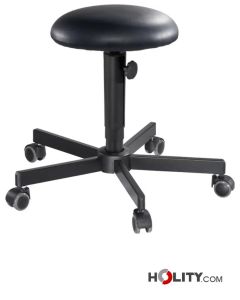
Swivel stool with faux leather seat, height adjustable. With wheels. Capacity: 120 kg.
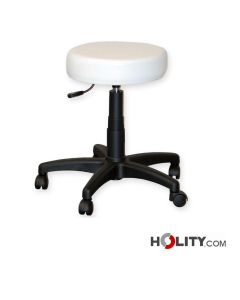
Medical office stool with padded round seat. Ø 36 cm.
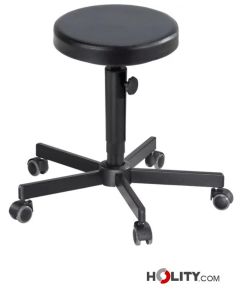
Medical stool with swivel and height-adjustable seat. Capacity: 120 kg.
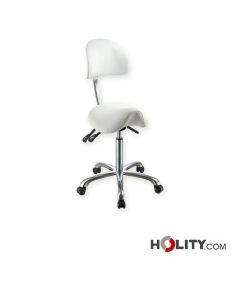
Stool with saddle seat and reclining backrest. Adjustable height 62/78 cm
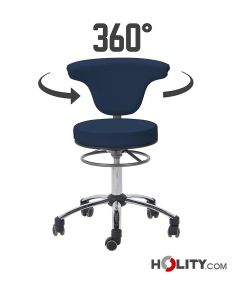
Stool for medical offices, clinics, with 360° rotatable backrest.
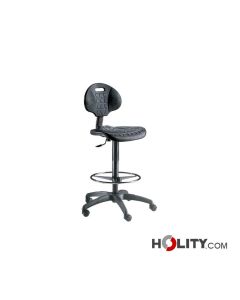
Technical stool for clinics with polyurethane seat. Dimensions: D 63 x H from 100 to 125 cm.
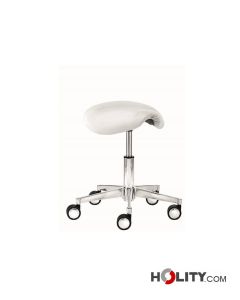
Medical practice stool with saddle seat. 360° rotation. Adjustable height: 41.5-52.5 cm.
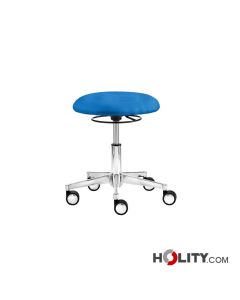
Medical practice stool without backrest. Aluminum base Ø 52 cm. Available in various finishes.
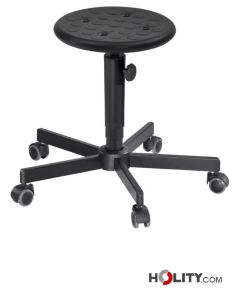
Medical stool in polyurethane foam. Adjustable seat height from 500 to 620 mm. With wheels.
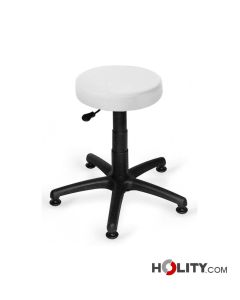
Stool for medical practices and beauty centers with feet and gas-adjustable height. Dimensions: Ø 60 x H from 42 to 56 cm.
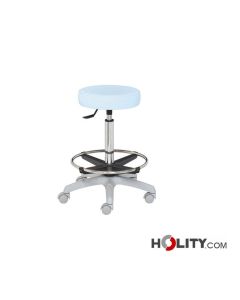
Clinic stool without backrest upholstered in synthetic imitation leather. Height adjustable from 62 to 86 cm. Max load: 150 kg.
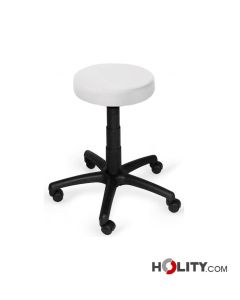
Stool for medical clinics and beauty centers with plastic base and wheels. Dimensions: Ø 60 x from 46 to 60 cm.
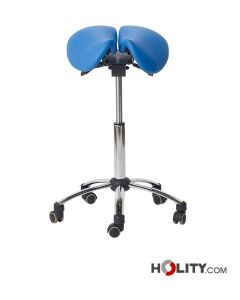
Saddle stool with adjustable height and tilt.

Swivel stool for medical practice with adjustable height. Imitation leather seat available in various colors.
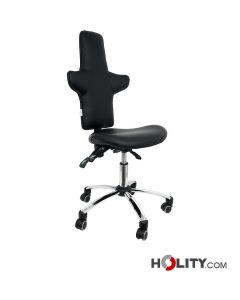
Medical practice chair with backrest. Available in two colors.

Swivel stool for medical practices with adjustable footrest and fire-retardant synthetic leather upholstery. Load capacity: 150 kg.
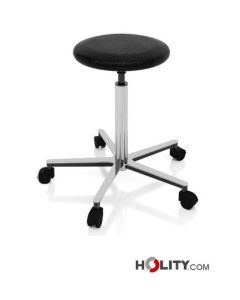
Stool for hospitals and clinics with adjustable height. Fireproof padded seat. Total dimensions: Ø 610 x h. from 610 to 860 mm.
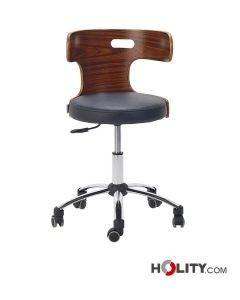
Stool for medical practices with wooden backrest. Adjustable height from 47 to 57 cm
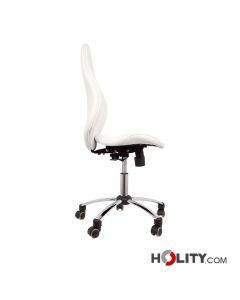
Work stool for medical practice. Adjustable height.
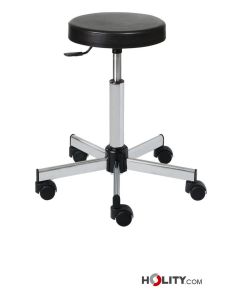
Round medical stool with polyurethane seat and chrome base. Adjustable height from 49 to 69 cm.

Medical stool with pony-shaped seat, height-adjustable and equipped with wheels.
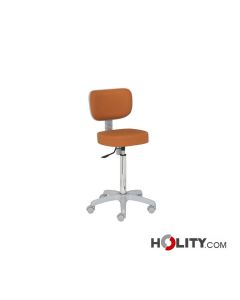
Stool for clinics equipped with backrest. Load capacity: 150 kg. Adjustable height from 64 to 89 cm.

Outpatient stool with screw elevation, die-cast aluminum structure and chromed steel column. 5-star base with polymer feet for maximum stability. Dimensions: approx. Ø 610 x 460/600 h mm.
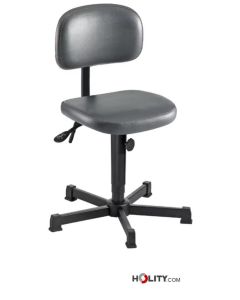
Chair for medical practices, swivel, in anthracite eco-leather. Seat height adjustment range: 500 - 690 mm.
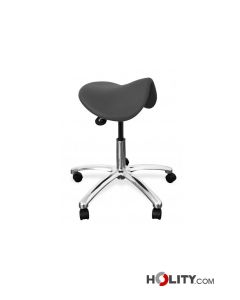
Polyurethane saddle stool with wheels and adjustable height. Seat dimensions: W 32 x D 46 cm. Height: from 47 to 60 cm.

Saddle stool for medical practices with backrest. Adjustable height.
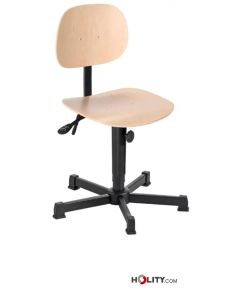
Swivel stool for medical practices, with backrest. In beech wood. Seat height adjustable from 440 to 630 mm.
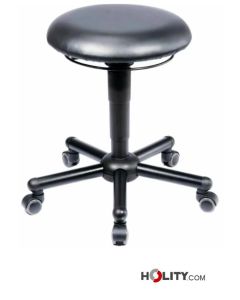
Medical and clinic stool in eco-leather. Load capacity: 250 kg. Height-adjustable seat from 465 to 595 mm.
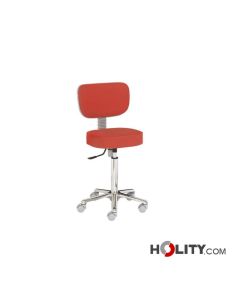
Clinic stool with backrest upholstered in fireproof eco-leather. Height adjustable from 56 to 76 cm.
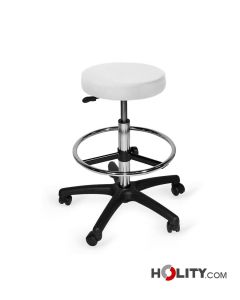
Medical stool with plastic base, wheels and adjustable chrome footrest. Dimensions: Ø 60 x H from 62 to 80 cm.
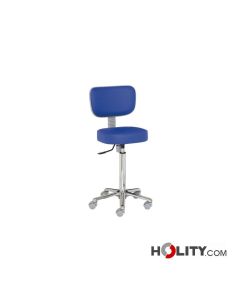
Height-adjustable clinic stool in chrome-plated steel and padded seat. Available in various colors. Load capacity: 150 kg.
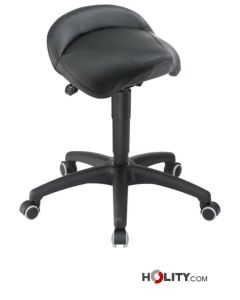
Imitation leather saddle stool for medical practices. Capacity: 120 kg. Seat height adjustable from 520 to 650 mm.
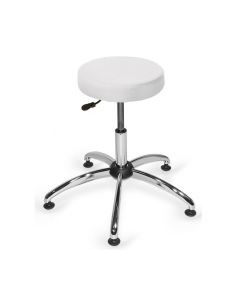
Medical stool with stable chrome base and faux leather seat. Dimensions: Ø 62 x H from 42 to 55 cm.
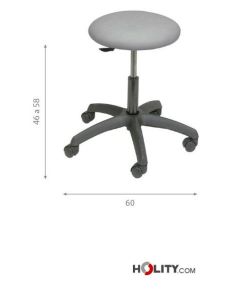
Swivel stool for medical offices. Adjustable h. Dimensions: W. 60 x D. 60 x h. from 46 to 58 cm.
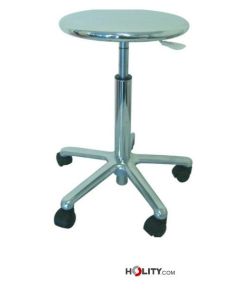
Medical stool in stainless steel with rigid seat and wheels, height-adjustable and designed to guarantee stability and ease of cleaning.
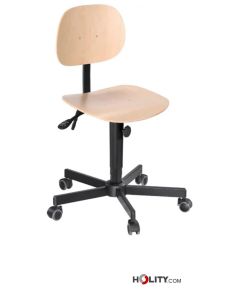
Swivel stool for medical office. In beech wood. With wheels. Adjustable seat height from 480 to 600 mm.
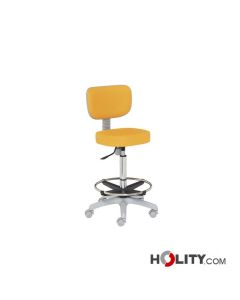
Outpatient clinic stool with backrest covered in fire-retardant eco-leather. Height adjustable from 64 to 89 cm.
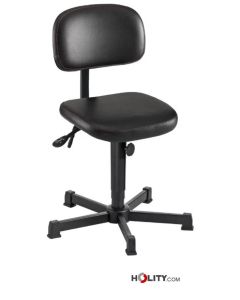
Swivel stool in black eco-leather. Seat height adjustment range: 500 - 690 mm.
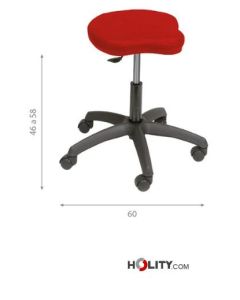
Clinic stool with ergonomic seat. Adjustable height. W. 60 x D. 60 x h. from 46 to 58 cm.
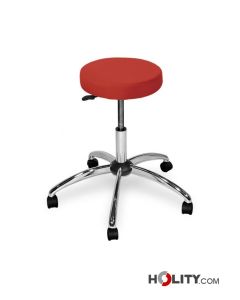
Chrome medical stool with black wheels and gas-adjustable height. Dimensions: Ø 62 x H from 47 to 61 cm.
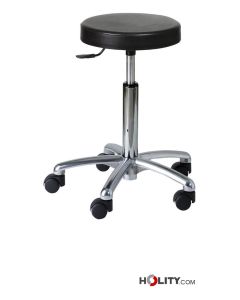
Round medical stool with polyurethane seat. Aluminum base. Height adjustable from 48 to 68 cm.
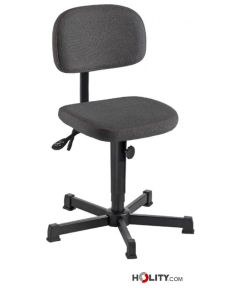
Swivel medical studio stool in anthracite fabric. Seat height adjustment range: 500 - 690 mm.
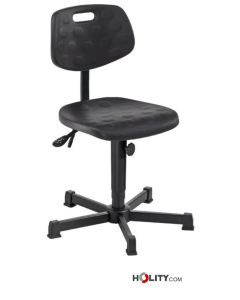
Swivel chair for clinics in PU foam. Adjustable seat height from 460 to 650 mm.
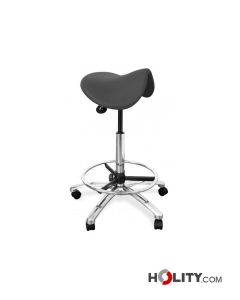
Saddle stool with adjustable footrest and wheels. Seat dimensions: 32 x 46 cm. Height: from 62 to 88 cm.
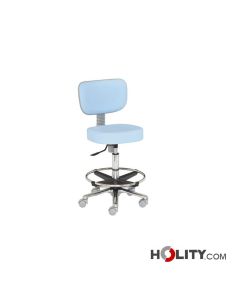
Ergonomic medical stool with backrest and adjustable height. Load capacity: 150 kg. Available in various finishes.
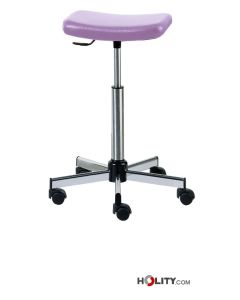
Ergonomic medical office stool with chrome base. M1 fire-retardant coating. Height adjustable from 48 to 68 cm.
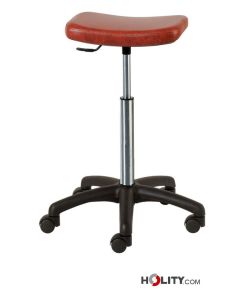
Rectangular stool for medical practices, without backrest. With M1 fire-retardant coating. Black ABS base. Adjustable height from 50 to 70 cm.

Stool for clinics and medical offices. Adjustable height from 60 to 90 cm. Plastic base Ø60 cm.
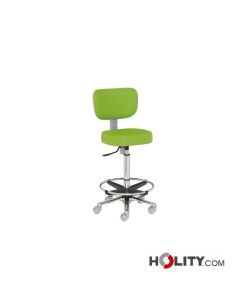
Clinic stool with a load capacity of 150 kg and height-adjustable footrest ring. Height adjustable from 64 to 89 cm.

Medical stool with triangular seat and nylon base. W. 55 x D. 55 x h. from 46 to 58 cm.
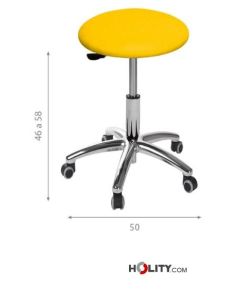
Round stool with aluminum base for medical offices and clinics. Dimensions: W. 50 x D. 50 x h. from 46 to 58 cm.
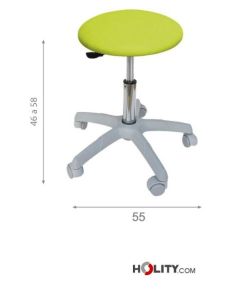
Swivel stool for medical offices with grey base. Adjustable height. Dimensions: W.55 x D. 55 x h. from 46 to 58 cm.

Medical swivel stool in black eco-leather. Base with wheels. Seat height adjustment range: 540 - 660 mm.
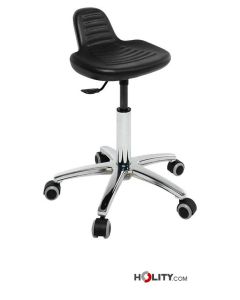
Medical stool for doctor’s offices with injected foam seat. Dimensions: W. 50 x D. 50 x H. from 46 to 58 cm.
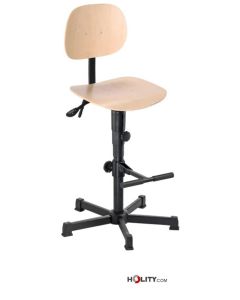
Swivel stool for medical practices with climbing aid. Seat height adjustable from 640 to 880 mm. In beech wood.
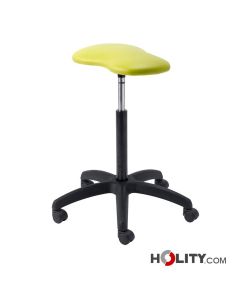
Stool for medical practice with adjustable height 46-60 cm. Flat saddle seat.
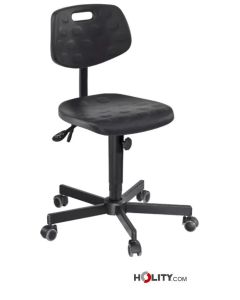
Swivel stool for medical practices in PU foam and base with castors. Seat height adjustable from 500 to 620 mm.
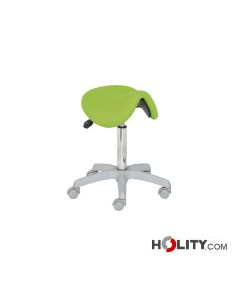
Medical office stool with saddle seat and adjustable height. Available in various finishes. Load capacity: 150 kg.
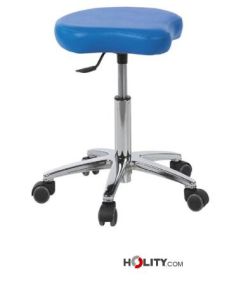
Medical stool with triangular seat and aluminum base. W. 50 x D. 50 x h. from 46 to 58 cm.
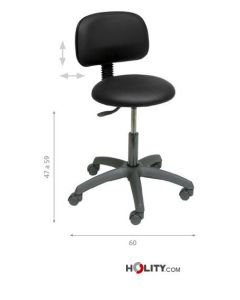
Height-adjustable stool for medical offices. Metal structure with padded seat and backrest. W. 60 x D. 60 x h. from 47 to 59 cm.
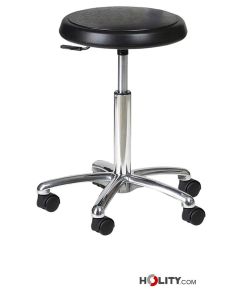
Round medical stool, without backrest. Polyurethane seat. Aluminum base. Adjustable height from 50.5 to 70 cm.

Task stool for clinics, upholstered and EN 1335-B certified. Dimensions: D 68 x H from 117 to 142 cm.
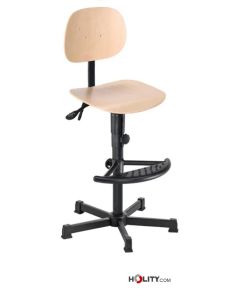
Professional swivel clinic stool. With footrest. Adjustable seat height from 640 to 880 mm. In beech.
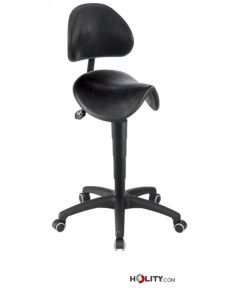
Medical clinic chair for standing position. Adjustable seat height from 665 to 915 mm. In polyurethane foam.

Medical stool for clinics with round seat and backrest padded with fire-retardant material. Seat: Ø 360 x h. 50 mm.
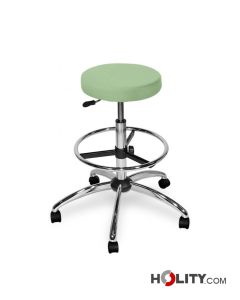
Chrome medical stool with wheels and chrome footrest, gas height adjustment. Dimensions: Ø 62 x H from 62 to 88 cm.

Medical surgery stool with padded seat and backrest. Height: 74-92 cm. Capacity: 120 kg.
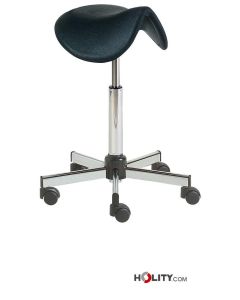
Saddle stool in polyurethane with chrome base. On wheels. Height adjustable from 49 to 69 cm.
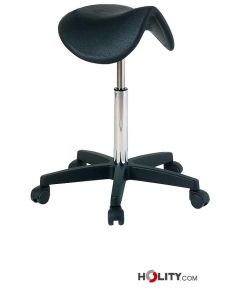
Polyurethane saddle stool with black ABS base. On wheels. Height adjustable from 51 to 71 cm.
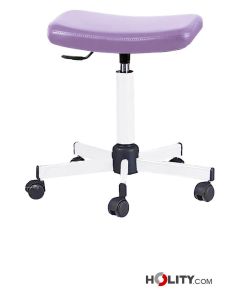
Ergonomic stool for medical offices. Epoxy powder-coated steel base. M1 fireproof upholstery. Adjustable height from 48 to 68 cm.
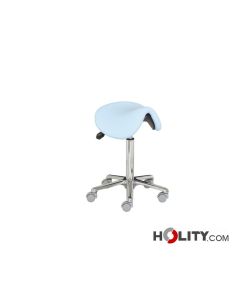
Medical stool with saddle seat available in various colors. Height adjustable from 57 cm to 77 cm. Load capacity: 150 kg.
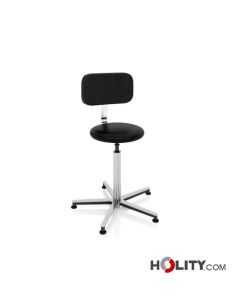
Outpatient stool with gas lift, die-cast aluminum base and chromed steel column. Padded seat and backrest, upholstered in antibacterial and fire-retardant faux leather. Dimensions: Ø 610 x 560/810 h mm.
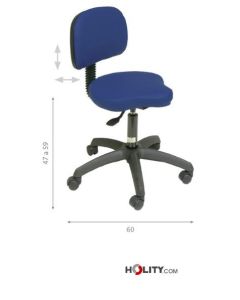
Medical stool with ergonomic seat and backrest. Black nylon base. Dimensions: W. 60 x D. 60 x h. from 47 to 59 cm.
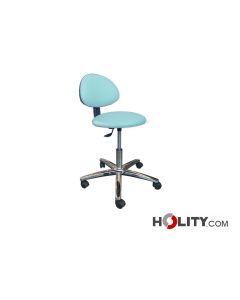
Clinic stool with adjustable height 46/60 cm. Available in various colors. Base Ø60 cm.
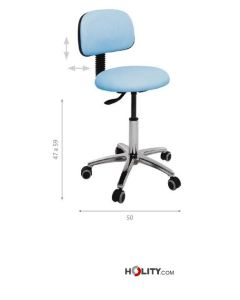
Medical stool with round seat and backrest. Aluminum base. W. 50 x D. 50 x h. from 47 to 59 cm.
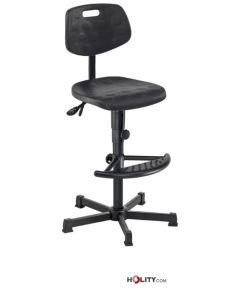
Swivel stool with seat and backrest in PU foam. Seat height adjustable from 660 to 900 mm. With footrest.
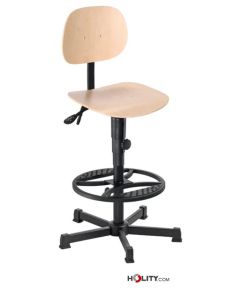
Stool for medical practices with footrest ring. Beech seat and backrest. Seat height adjustment range: 640 - 880 mm.
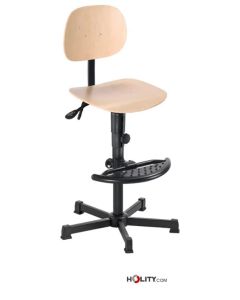
Medical stool in natural beech with footrest. Capacity: 120 kg. seat h. adjustable from 640 to 880 mm.
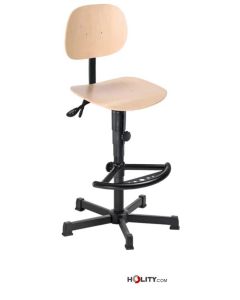
Medical stool with seat and backrest in natural beech. Capacity: 120 kg. Seat height adjustable from 640 to 880 mm.

Clinic stool with backrest and seat in polyurethane. Adjustable height from 47.3 to 67.3 cm. Chrome base with 5 wheels.
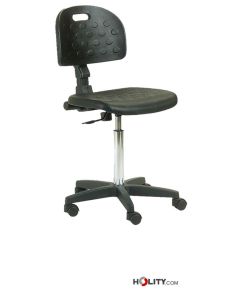
Medical office stool with polyurethane backrest and seat. Adjustable height from 47.5 to 67.5 cm. ABS base with 5 wheels.
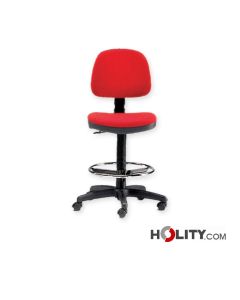
Stool with backrest and chrome ring. Adjustable height 60 - 86 cm.
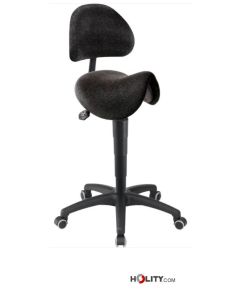
Professional sit-stand stool for medical practices. Seat height adjustable from 675 to 925 mm. Fabric seat. Plastic base
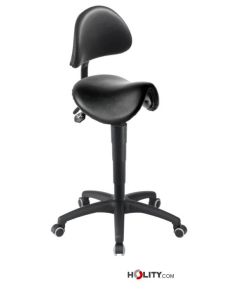
Professional medical sit-stand chair. Seat height adjustable from 675 to 925 mm. In imitation leather and plastic.
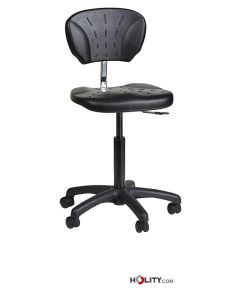
Medical stool for medical practices with ergonomic backrest and seat in polyurethane. Height adjustable from 47.5 to 67.5 cm via lever under the seat.
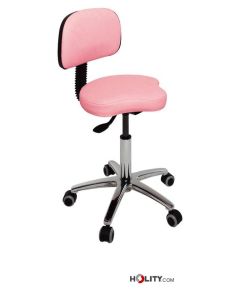
Medical studio stool with triangular seat and backrest. Dimensions: W. 50 x D. 50 x h. from 47 to 59 cm.
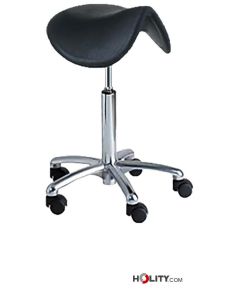
Polyurethane saddle stool with aluminum base. On wheels. Adjustable height from 48 to 68 cm.
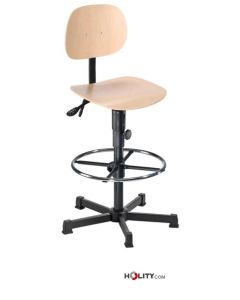
Clinical chair in natural beech wood, with chrome-plated steel footrest ring. Seat height adjustable from 640 to 880 mm.
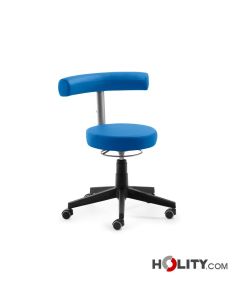
Stool for medical clinics available in various colors. Adjustable height: 84-110 cm.
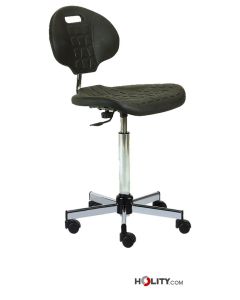
Medical stool with adjustable height. Chrome-plated base. Rectangular polyurethane seat and backrest.
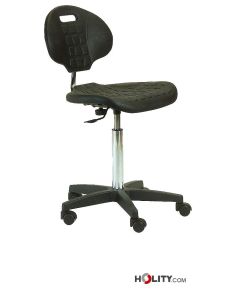
Medical surgery stool with backrest and seat in polyurethane. Adjustable height from 47.5 to 67.5 cm. ABS base with wheels.
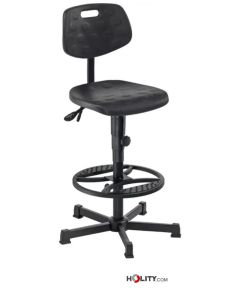
Professional swivel stool with footrest ring. Seat height adjustment range: 660 - 900 mm. In PU foam.
Medical stools for doctors’ offices represent a fundamental element in the furnishing of any outpatient clinic, as they must combine comfort, ergonomics, and practicality of use during long working days. Choosing an appropriate stool directly affects the health professional’s posture, the reduction of physical fatigue, and the quality of care provided to patients. A well-designed product facilitates the movements of the doctor, dentist, physiotherapist, or nurse, allowing them to quickly transition from a sitting to a semi-upright position, which is essential in medical environments where activities require continuous postural flexibility. The market offer ranges from essential models to technically advanced solutions, each calibrated for specific operational contexts and budgets.
A specialized medical stool offers concrete advantages over common chairs. Adjustable height allows the professional to adapt to the different heights of the patient and work surfaces, avoiding incorrect postures that would cause cervical, lumbar, and joint pain in the medium to long term. The mobile base on wheels guarantees freedom of movement within the operating space, reducing unnecessary effort and accelerating transitions between different workstations. The materials used, such as polyurethane, foam rubber, and steel, are chosen to withstand frequent contact with disinfectants and hygienic solutions, a crucial aspect in healthcare environments where sterility and ease of cleaning are non-negotiable.
Ergonomics represents the true distinctive benefit: models with telescopic footrests support correct body weight distribution, while padded seats reduce pressure on the spine during prolonged maneuvers. Ergonomic studies have shown that a professional working on an inadequate stool accumulates muscle fatigue that compromises concentration and operational precision; conversely, a correctly designed solution minimizes these effects.
Furthermore, many medical stools feature characteristics such as the gas lift system (for smooth and controlled adjustments), the aluminum base (more stable and hygienic), and coated wheels (which do not leave marks on floors and allow for silent movement). Those operating in high-patient-traffic contexts particularly appreciate the speed with which height and positioning can be adjusted, factors that reflect on the overall efficiency of the outpatient session.
The range of medical stools available covers very different needs. Stools without backrests are the most essential and versatile models: characterized by a circular or shaped seat, adjustable height, and a mobile base, they represent the ideal solution for contexts where space is limited and the need for movement is high. These models are perfectly suited for dentists, dermatologists, and professionals who require maximum lateral mobility. Adjustment systems vary: some use manual levers, others gas pistons (which guarantee a more gradual and controlled lowering and lifting), and others use screw mechanisms (more economical but less high-performing).
Stools with backrests offer additional dorsal support, crucial for those who work many hours sitting or in semi-recumbent positions. This type includes ergonomic variants with a saddle seat (which promotes natural shoulder posture) and an adjustable backrest to adapt to different physiques. Seat materials are typically polyurethane, foam rubber, or faux leather, available in multiple colors to integrate with the clinic’s decor.
Another important category concerns stools with telescopic footrests: the footrest extends vertically, allowing the professional to assume a raised position without straining the legs. These models are particularly common in gastroenterology, proctology, and some surgical specialty clinics. There are also high-end medical stools with a Ø50 cm aluminum base, a Ø32 cm padded seat, and a load capacity of up to 150 kg: robust and professional solutions for facilities that require high performance and certified durability. Prices vary from approximately 60 euros (entry-level wooden or plastic models) up to over 150 euros (technically advanced solutions with premium finishes).
The selection of a medical stool must start from an analysis of the specific context of use. Fundamental questions include: how much time does the professional spend sitting daily? What are the prevalent movements performed during the working day? Is the clinic space large or compact? A dentist who alternates between sitting and semi-upright positions will benefit from a stool with a backrest and good adjustment capacity, while a dermatologist performing quick biopsies might prefer a model without a backrest, which is leaner and more mobile. A technical aspect frequently underestimated concerns the final working height: the stool must allow the professional to be positioned at such a height that the arms remain relaxed and the eyes naturally directed toward the operating field, without the need to bend the neck.
The seat material is important both ergonomically and practically. Padded foam rubber offers maximum comfort but requires more hygienic maintenance; polyurethane is more resistant to disinfectants and mechanical stress, ideal for high-patient-flow environments. Wheels should be chosen considering the floor: standard wheels are fine on tiles, but if the clinic has parquet or delicate floors, it is preferable to opt for rubber-coated wheels.
A common mistake consists in purchasing a stool based solely on price: an inexpensive model with a faulty adjustment mechanism leads to daily discomfort and frequent replacements, proving to be uneconomical in the medium term. It is advisable to prefer stools with stability certifications (ISO 11195 for medical devices), declared load capacity, and an extended warranty. If the clinic employs several professionals with different physiques, it is worth investing in models with a wide adjustment range (e.g., from 44 to 90 cm in height) and interchangeable seats, rather than purchasing multiple specialized units.
Medical stools for doctors’ offices fall into the category of medical furniture and must comply with specific regulatory standards to guarantee safety and reliability. The ISO 11195-2 standard governs the stability and safety criteria of operating chairs used in medical and dental settings, defining load tests, structural resistance, and behavior in case of oscillations. This regulation establishes that a stool must support weights up to a minimum of 110 kg (often exceeded by professional models that reach 150 kg) without permanent deformation, and that the base must maintain a stable balance on flat surfaces inclined up to 10%.
Hygienic requirements are particularly relevant in healthcare. Coating materials must be resistant to common disinfecting agents (alcohol, chlorine, hydrogen peroxide) without degrading or releasing toxic substances. Joints and gaps between the seat and base must be designed to minimize the accumulation of dust or microorganisms. Gas pistons, if present, must comply with EN 12639 standards to guarantee long-term tightness without pressure loss.
From the perspective of safety in use, it is mandatory for the stool to be equipped with an easily accessible wheel locking system to avoid unwanted rolling while sitting. Edges must be rounded, and finishes must not have sharp parts that could injure the operator’s skin. For facilities operating according to ISO 9001 protocols or requiring specific certifications (such as public ones), it is advisable to verify that the supplier has complete technical documentation, CE declarations of conformity for Class I medical devices, and traceability of the materials used.
Explore all the products in the category and compare the available solutions to find the one best suited to your operational context. The correct choice of a medical stool is an investment in your postural health and the efficiency of your daily work.
A medical stool is specifically designed for healthcare environments: it includes hygienic materials resistant to disinfectants, a mobile base optimized for small spaces, rapid height adjustment, and semi-upright working positions. An office chair is designed for prolonged sedentary work and lacks these features.
Gas pistons offer the best compromise between smoothness and control: they allow for gradual adjustments and maintain the position without slipping. Manual levers are economical but less elegant. Screw systems are robust but take more time to adjust. Choose based on the frequency of height changes during the day.
The ideal height allows the feet to rest comfortably on the ground or on the footrest with the legs relaxed, while the arms remain naturally aligned with the work surface without lifting the shoulders. For most healthcare professionals, the range of 44-90 cm covers common needs.
It depends on tax regulations and the category of activity. If the stool bears the CE marking and documentation of conformity as a Class I medical device, it can potentially be included in deductible expenses. Check with an accountant for the specific criteria of your region.
Most stools weigh between 6 and 10 kg, making them easy to handle. Models with an aluminum base are slightly heavier but more stable. Wheels facilitate movement; if space is very tight, consider compact models with a smaller base.
Clean regularly with specific disinfectants (70° alcohol, diluted chlorine-based solutions) avoiding excess water that could damage the pistons. Periodically check the wheels for any debris and lubricate the adjustment mechanisms according to the manufacturer’s instructions to ensure long-term operation.
Dental stools are generally slimmer to facilitate access to the patient sitting in the chair, while those for dermatologists or general practitioners prioritize stability and dorsal support. The main difference is in the base design and rotation capability, not in the fundamental construction principles.
 English
  Italian
 French
 German
 Spanish