
mon-fri 9-13 / 14.30-18.30

Pack of 8 pieces
€276.00 VAT excl.Fixed walker to 4 caps in anodized aluminum. Lightweight, folding and adjustable in height. Max capacity 100 kg
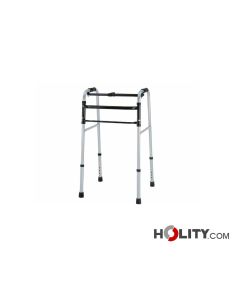
Walker has articulated folding structure in anodized aluminum. Height adjustable from 81 to 99 cm. Max capacity 114 kg
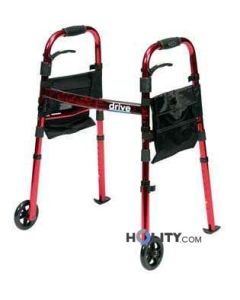
Extra light (3.6 kg) two-wheeled zimmer frame, suitable for transport, complete with pockets and zimmer-holder bag.

Rollator steel folding fitted with antibrachial supports with manual brake device and system of locking / unlocking brake. Max capacity 100 kg

Axillary folding walker with braking device manual lever. Adjustable in height. Max capacity 100 kg

Walker with 4 wheels and folding frame lacquered blue duralumin . Swivel front wheels. Adjustable height

Axillary walker with folding frame in painted steel with 4 wheels. Height adjustable from 110 to 157 cm. Max capacity 100 kg

Walking frame with axillary folding structure steel adjustable in height and equipped with height-adjustable base. Max capacity 100 kg
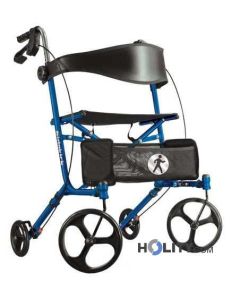
Four wheeled walking frame for outdoor use, equipped with height-adjustable handgrips, loop brakes, leather seat, back band and caddy.
Walkers, also known as rollators, walking aids, or walking frames, are essential tools for the independent movement of the elderly, the disabled, and generally all individuals with mobility issues. They are used with both arms and allow the body weight to be distributed to the ground within a base of support.
Below is an overview of walkers based on the "International Classification ISO 9999 / EN 29999":
But what are the features to consider before purchasing a walker?
Un deambulatore fisso dispone di puntali antiscivolo e non ha ruote mobili: richiede il sollevamento e la progressione manuale, offrendo massima stabilità ma richiedendo più sforzo. Il rollator ha quattro ruote e sistema di freni: consente movimento più fluido e naturale, richiedendo meno sforzo fisico ma necessitando di migliore equilibrio e coordinazione.
L'altezza ideale è quella che consente all'utente, in posizione eretta con le braccia lungo i fianchi, di afferrare le maniglie con i gomiti leggermente piegati (circa 15-20 gradi). Un'altezza eccessiva causa affaticamento alle spalle, mentre una troppo bassa costringe a una postura scorretta e compromette l'equilibrio.
La maggior parte dei modelli standard supporta carichi tra 100 e 130 kg. Dispositivi realizzati in acciaio rinforzato o con strutture specifiche possono sostenere pesi superiori, fino a 150-180 kg. È fondamentale verificare sempre le specifiche tecniche prima dell'acquisto se il carico corporeo è prossimo al limite indicato.
Sì, molti modelli pieghevoli sono specificamente progettati per essere compatti e leggeri, facilitando il trasporto in auto o durante spostamenti. Tuttavia, la pieghevolezza non deve compromettere la stabilità strutturale: è importante verificare che il meccanismo di chiusura sia robusto e intuitivo, evitando chiusure accidentali durante l'utilizzo.
Le ruote piroettanti offrono migliore manovrabilità e permettono cambio di direzione più agevole, ma richiedono coordinazione motoria superiore. Le ruote fisse sono più semplici da controllare ma limitano l'agilità negli ambienti ristretti. La scelta dipende dal grado di stabilità dell'utente: chi è più instabile beneficia delle ruote fisse, mentre chi ha migliore equilibrio trae vantaggio dalla piroettabilità.
I deambulatori standard non sono indicati per scale: in questi contesti è necessario ricorrere a corrimani o ausili diversi. Per superfici irregolari esterne (marciapiedi, giardini), i deambulatori con ruote di diametro maggiore offrono stabilità superiore rispetto a quelli con ruote piccole, che possono rimanere incastrate in avvallamenti o crepe.
Le impugnature rivestite in gomma o materiali foam sono preferibili per chi soffre di artrite o ha sensibilità tattile compromessa: assorbono meglio gli urti e non scivola in caso di mani sudare. Evitare metalli nudi, che trasferiscono freddo e risultano scomodi con l'uso prolungato. Alcuni modelli offrono impugnature contourate anatomiche, ulteriormente ergonomiche.
Il sedile integrato è utile durante spostamenti prolungati in spazi pubblici (parchi, strutture sanitarie), permettendo riposo senza necessità di trovare una panchina. Tuttavia, aggiunge peso e ingombro: per utilizzo puramente domestico o in ambienti controllati, un modello senza sedile potrebbe essere più pratico e leggero. La scelta dipende dalle abitudini e dal contesto di utilizzo prevalente.
 English
 Italian
 French
 German
 Spanish