
mon-fri 9-13 / 14.30-18.30
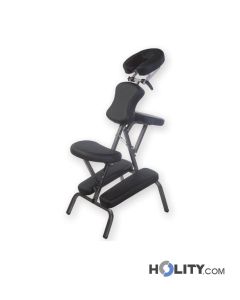
Pack of 2 pieces
€281.16 VAT excl.Folding massage chair. Maximum load capacity: 120 kg.
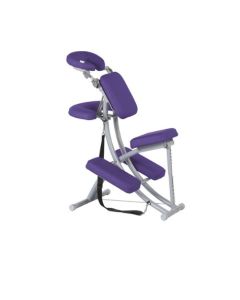
Aluminum massage chair. Available in different colors.
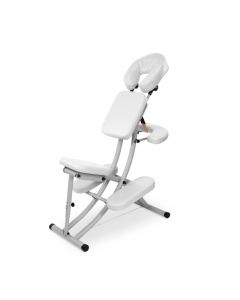
Back/neck massage chair with silver aluminum frame, adjustable and portable. Dimensions: W 55 x D from 65 to 75 x H from 110 to 120 cm.
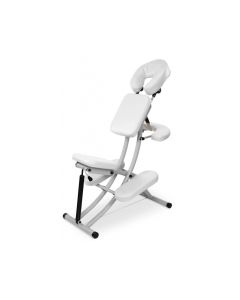
Massage/therapy chair with gas-lift seat, silver aluminum frame and full adjustments. Dimensions: W 55 x D from 50 to 65 x H from 110 to 120 cm.
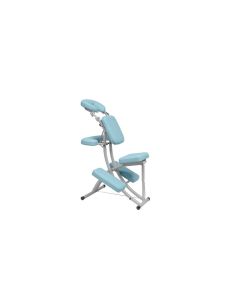
Folding aluminium massage chair. Available in various colours. Adjustable height: from 90 to 110 cm.
Massage chairs for physiotherapy represent a fundamental tool in clinical environments where patient comfort and therapist efficiency meet. Specifically designed to support the human body during therapeutic treatments, this equipment facilitates the execution of manual therapy techniques, spinal manipulations, therapeutic massage, and interventions aimed at recovering joint mobility. Their importance lies in the ability to create ideal conditions for safe professional work, reducing the therapist's physical effort while keeping the patient in an ergonomic and comfortable position during sessions that can last from a few minutes to over an hour.
In private physiotherapy practices, hospitals, rehabilitation centers, chiropractic clinics, and massage therapy centers, massage chairs represent an essential investment that directly influences the quality of treatments and the general well-being of the clinical practice. The choice of the correct model depends on multiple factors: the type of therapy practiced, available space, the profile of the patients treated, and the budget. An appropriate chair not only improves the patient experience, but also contributes to preventing postural problems and occupational injuries in practitioners who work for many hours a day in positions that require precision and control.
A professional massage chair offers a range of tangible benefits that impact the overall quality of the therapeutic intervention. Proper ergonomic support allows for a significant reduction in the patient's muscle tension, facilitating access to the body areas requiring treatment and allowing the therapist to apply techniques with pinpoint precision. Accessibility to critical points is one of the most underestimated but essential factors: a chair that is too rigid or poorly designed prevents the correct execution of therapeutic maneuvers, compromising the effectiveness of the treatment. High-density foam padding, hypoallergenic material coverings, and the ability to adjust height, backrest inclination, and side supports transform the session into an experience that the patient perceives as professional and reliable.
Furthermore, the practical advantage for the therapist is significant: a correct working posture during treatment reduces fatigue and the risk of repetitive stress injuries, conditions that frequently affect those working in the manual therapy sector. Chairs equipped with wheels allow for space optimization and rapid adaptation of the clinical environment to different needs, while folding models offer an ideal solution for those operating in small spaces or performing home treatments. The choice of a quality massage chair also reflects on the image of the therapeutic facility, conveying a message of professionalism and attention to detail to patients, which increases trust and satisfaction with the services offered.
The catalog of massage chairs for physiotherapy includes several types, each meeting specific usage needs and professional contexts. Folding chairs represent the most versatile and portable solution, ideal for professionals operating in multiple locations or in spaces with size limitations. Made of lightweight aluminum, they typically guarantee a weight capacity between 120 and 150 kg and maintain a low weight, facilitating transport. Fixed chairs with silver aluminum frames offer greater stability and allow for more complex adjustments: height adjustment via gas spring, continuous backrest inclination, and head and neck supports. Variants with a gas spring represent an excellent compromise between structural stability and fluidity of movement, allowing micro-adjustments that adapt to the patient's preferences during treatment.
Some models integrate specific supports for the upper limbs, fundamental when treatment involves shoulders, arms, and elbows, while others prioritize depth and width adjustability to accommodate patients of different builds. Dimensions range from external lengths of 55 centimeters with depths from 50 to 75 centimeters up to adjustable heights from 90 to 120 centimeters, allowing use in both seated and semi-reclined positions. Covering materials differ between standard vinyl, synthetic leather and, in some cases, more sophisticated fabrics that improve breathability and comfort during prolonged sessions. The availability of different colors also allows the chair to be coordinated with the studio's decor, a factor of no small importance in creating a professional clinical atmosphere.
The choice of a massage chair must consider multiple decision criteria beyond the purely economic aspect. The first element concerns the predominant type of treatment the professional intends to perform: a physiotherapist working mainly on the neck and shoulders needs a chair with a robust and adjustable head support, while those working on lower limbs require a structure that allows easy front and side access. The maximum capacity of the chair must exceed the average weight of the patients treated, also considering a safety margin; chairs with insufficient capacity wear out prematurely and compromise stability during work. Available space is a critical factor: those operating in small studios benefit from folding chairs, while those with dedicated rooms can opt for more robust fixed models. Daily usage frequency should also influence the decision: a chair used for 8-10 hours a day requires higher quality than one for occasional use.
A common mistake is underestimating the importance of adjustability: a chair that allows for varying height, tilt, and depth adapts to a wider range of patients and clinical situations, reducing the need to purchase multiple pieces of equipment. Ease of maintenance and cleaning is a critical factor often ignored: in therapeutic and medical settings, daily sanitization is a mandatory practice, so materials like vinyl or synthetic leather are preferable to fabrics that absorb liquids and are difficult to fully sanitize. Consulting technical data sheets and specific dimensions helps avoid unsuitable purchases that would lead to short-term reinvestments, while reading testimonials from other professionals offers pragmatic insights into durability, actual comfort, and weak points that technical data may not always highlight.
In the context of therapeutic equipment used in medical and paramedical fields, massage chairs must comply with specific safety and functionality standards. In Europe, these products fall within the scope of the Machinery Directive 2006/42/EC when they include motorized components, while manual models must still guarantee structural stability and the absence of dangerous components. The UNI EN 1022 standard specifies safety requirements for office chairs and similar seating, establishing tests for strength, stability, and durability that must be passed. The maximum capacity declared by the manufacturer is a mandatory requirement that must result from standardized load tests; exceeding this limit exposes the professional and the patient to risks of structural failure and injury.
Recurring aspects that users highlight as critical concern base stability, the fluidity of adjustment systems, and the absence of sharp edges or materials that can cause prolonged skin irritation. Occupational safety regulations require employers to provide ergonomically suitable equipment to staff, so using non-compliant chairs can expose the facility to legal liability in case of accidents or occupational diseases of the operators. Compliance with hygiene and sanitization standards is fundamental in contexts where hygiene is an absolute priority: materials must resist detergents, disinfectants and, if necessary, heat sterilization cycles. CE certifications of conformity and the issuance of the manufacturer's declaration of conformity are documentary elements that attest to compliance with regulatory standards and should be requested from the supplier before purchase.
Explore all products in the category and compare the available solutions to find the one best suited to your operational context. Carefully evaluate the technical characteristics, dimensions, and adjustment capabilities to ensure a lasting investment consistent with your professional treatment needs.
The choice depends on the type of treatment practiced, available space, and frequency of use. Consider the chair's maximum weight capacity, adjustability (height, backrest tilt, side supports), and ease of cleaning and sanitization. A chair adaptable to multiple configurations allows for treating various conditions and patient profiles with a single tool.
Folding chairs are lightweight, portable, and ideal for professionals operating in multiple locations or limited spaces, with capacities generally up to 120 kg. Fixed chairs with aluminum frames offer greater stability, more articulated adjustments, and sturdier supports, suitable for intensive use in dedicated clinics and for patients requiring complex positioning.
Covering materials must be easy to sanitize: vinyl and synthetic leather allow for quick cleaning with standard detergents and disinfectants. Avoid porous fabrics that absorb liquids. Always follow the manufacturer's maintenance instructions and test cleaning products on inconspicuous areas before full application.
Chairs with gas springs offer smoother and more precise height adjustment, allowing for micro-adjustments during treatment. Manual models require physical effort and are less convenient. A quality gas spring ensures superior durability and greater comfort for both the patient and the therapist during long sessions.
The capacity should be chosen considering the average weight of the patients treated, plus a safety margin. Chairs with a capacity of 120-150 kg cover most clinical cases. Using a chair with insufficient capacity compromises stability, accelerates component wear, and represents an injury risk during treatment.
Yes, massage chairs are versatile and can be used in chiropractic, massage therapy, acupuncture, and osteopathy. Their adjustability and comfort make them suitable for any therapeutic practice requiring comfortable patient positioning. Verify that the technical characteristics are consistent with the specific needs of your professional field.
The chair height should allow the therapist to work with a straight back and relaxed shoulders, avoiding lateral twisting and excessive bending. Most models offer adjustments from 90 to 120 cm. The correct height is the one that allows easy access to the anatomical area being treated without compromising the operator's posture.
 English
  Italian
 French
 German
 Spanish