
mon-fri 9-13 / 14.30-18.30
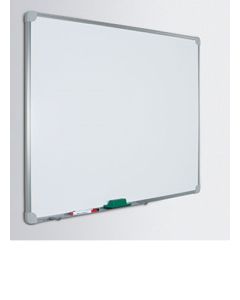
White magnetic whiteboard with wall mounting. Made in Italy. Dimensions: W60 x H45 cm.
Magnetic whiteboard in lacquered steel with pen holder. Dimensions: 100 x 70 cm.
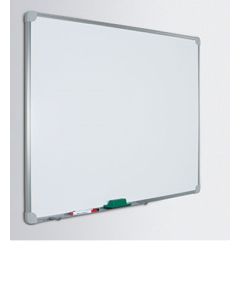
Magnetic school whiteboard with wall mounting. Dimensions: W90 x H60 cm.
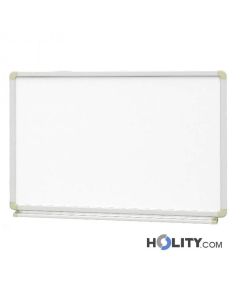
Wall-mounted school whiteboard. Dimensions: W150 x H100.
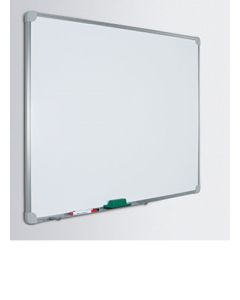
White magnetic whiteboard. Dimensions: W120 x H90 cm. Wall mounting.
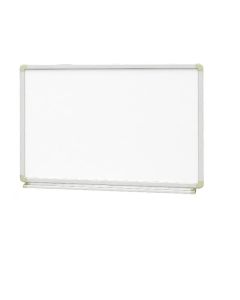
Magnetic school whiteboard. Wall mounting. Dimensions: W180 x H120 cm.
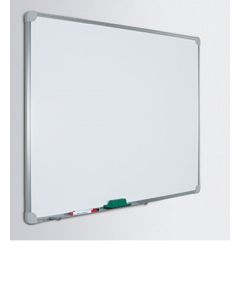
Magnetic wall-mounted whiteboard. Dimensions: W150 x H100 cm. Color: white.
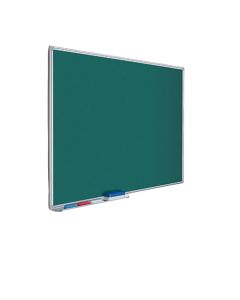
Wall-mounted magnetic chalkboard in green porcelain steel. Dimensions: L120 x H90 cm.
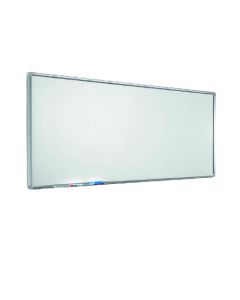
Wall-mounted magnetic blackboard. Dimensions: L120 x H90 cm.
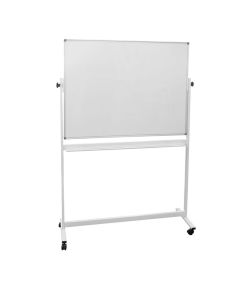
School whiteboard on easel. Swiveling, magnetic and double-sided. Dimensions: W.128 x D.50.5 x h.185 cm.
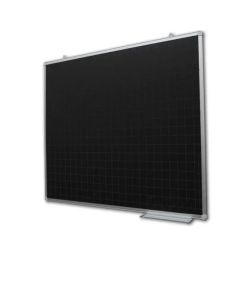
Wall-mounted school blackboard with slate-type steel surface. Dimensions: W.120 x h.90 cm.
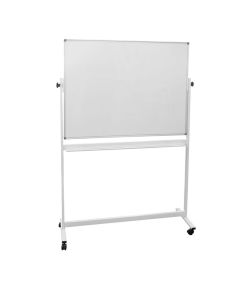
Revolving whiteboard on stand. Porcelain steel magnetic surface. Surface dimensions: 150 x 90 cm.
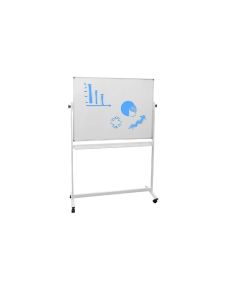
Double-sided magnetic whiteboard for schools, universities. Surface color: white. Dimensions: 188 x 50.5 x 185h cm.
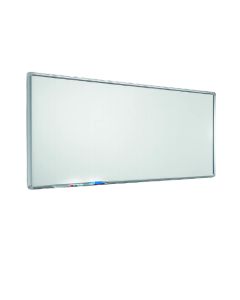
White porcelain whiteboard with aluminum frame. Dimensions: L150 x H100 cm.
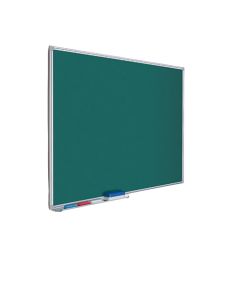
Wall-mounted school chalkboard. Material: porcelain enamelled steel. Dimensions: W150 x H100 cm.
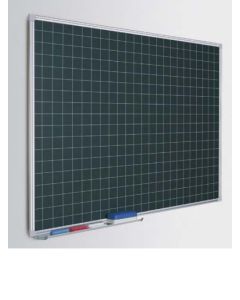
Squared chalkboard for school use. Color: slate gray. Dimensions: W120 x H100 cm.
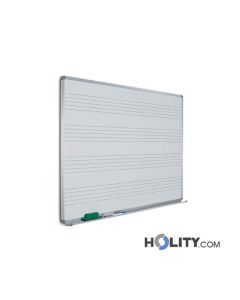
School music staff whiteboard. Dimensions: W120 x H100 cm. Colour: white.
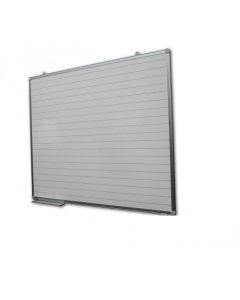
Ruled school whiteboard with 5 cm line spacing. Dimensions: W120 x H100 cm. Color: white.
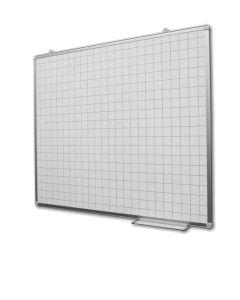
Squared school whiteboard with 5 cm squares. Dimensions: L120 x H100 cm.
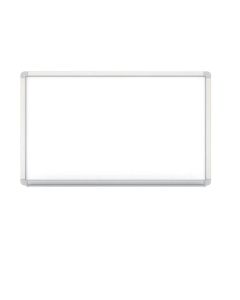
School whiteboard with magnetic vitreous enamel steel surface. Dimensions: W200 x H100 cm.
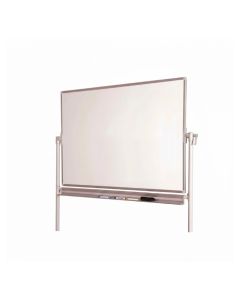
Double-sided rotating magnetic whiteboard on wheels. Dimensions: W 121.5 x D 90 x H 180 cm.
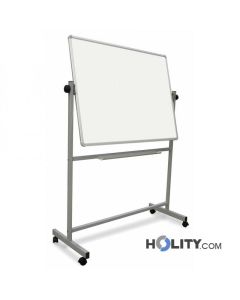
Revolving whiteboard on stand. Surface color: white. Dimensions: W121.5 x H91.5 cm.
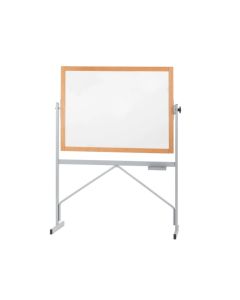
Whiteboard with easel and white laminate surface. Beech frame. Dimensions: W 130 x D 100 x H 175 cm.
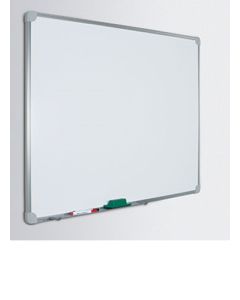
School whiteboard with magnetic surface. Dimensions: W240 x H120 cm. Wall-mounted.
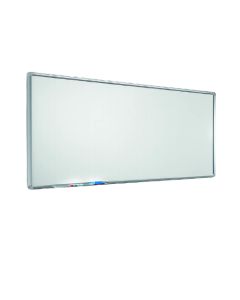
White porcelain whiteboard. Wall mounting. Dimensions: W200 x H100 cm.
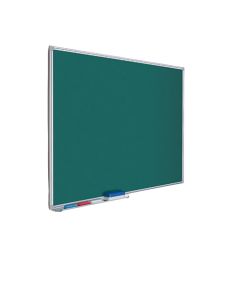
School chalkboard with wall mounting. Dimensions: W200 x H100 cm. Color: green.
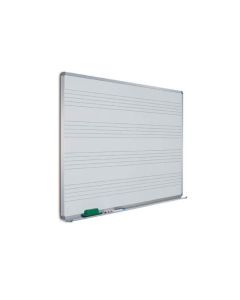
Magnetic music staff whiteboard. Dimensions: W150 x H100 cm. Fixing: wall-mounted.
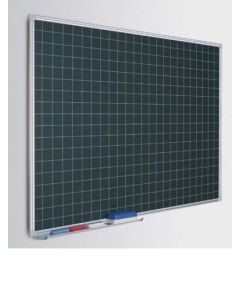
Wall-mounted squared chalkboard. Dimensions: W150 x H120 cm. Color: slate grey.
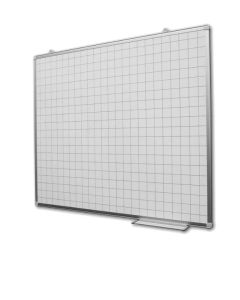
Magnetic squared whiteboard. Color: white. Dimensions: W150 x H120 cm.
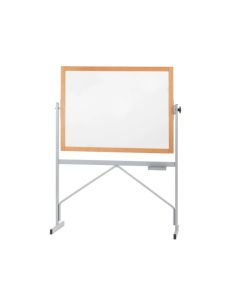
Easel whiteboard with white magnetic laminate surface. Natural beech frame. Dimensions: W130 x D 100 x H 175 cm.
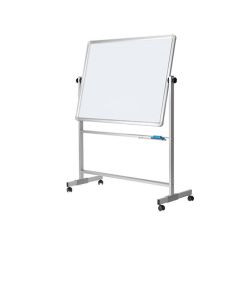
Revolving whiteboard mounted on an easel. Dimensions: W120 x H90 cm.
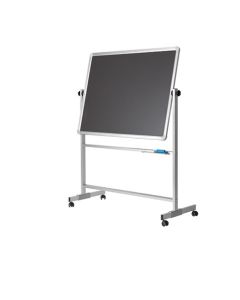
Double-sided revolving board. Dimensions: W120 x H90 cm. Mounted on a stand with wheels.
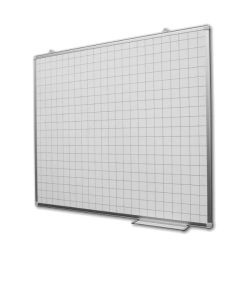
Grid-lined school whiteboard. Wall mounting. Dimensions: W200 x H120 cm.
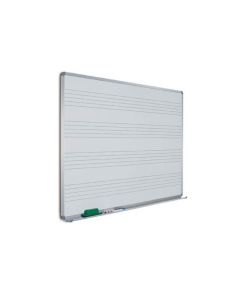
School whiteboard with music staff. Color: white. Dimensions: W180 x H120 cm.
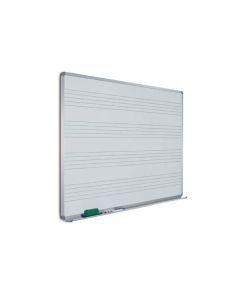
Staff-ruled whiteboard in porcelain-enameled steel. Dimensions: W200 x H120 cm. Wall mounting.
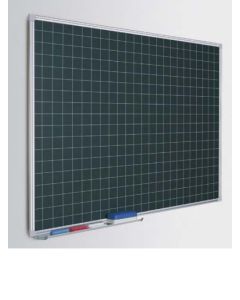
Squared magnetic chalkboard. Dimensions: W200 x H120 cm. Color: slate gray.
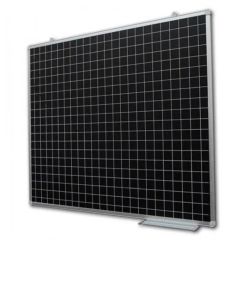
Wall-mounted squared chalkboard in vitreous enamel steel complete with anodized aluminum frame. Dimensions: W200 x H120 cm.
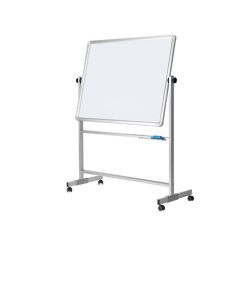
Revolving whiteboard on stand. Color: white. Dimensions: W150 x H100 cm.
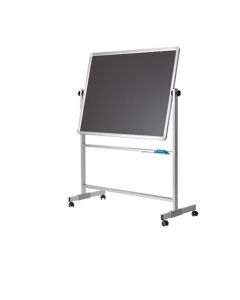
Revolving school blackboard. Dimensions: W150 x H100. Available in the following colors: slate grey and green.
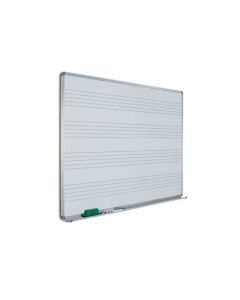
Musical staff whiteboard with magnetic surface in porcelain steel. Dimensions: L240 x H120 cm.
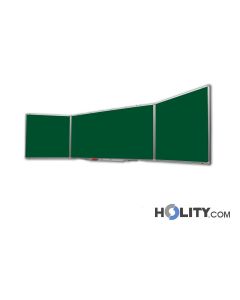
Folding school whiteboard. Wall mounting. Dimensions: W200 x H100 cm.
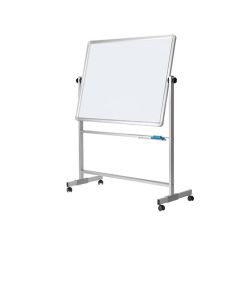
Whiteboard on stand with wheels. White porcelain steel surface. Dimensions: W200 x H100 cm.
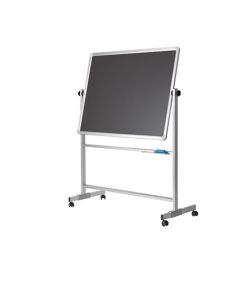
Mobile whiteboard on stand with revolving surface. Dimensions: W200 x H100 cm.
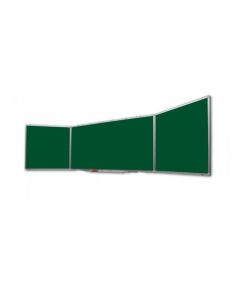
School folding wing board. Dimensions: W200 x H120. Available in multiple colors.
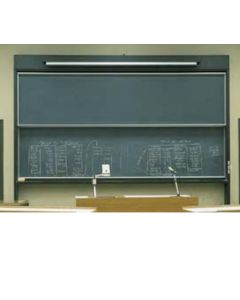
Vertical sliding school chalkboard. Available in slate grey and green. Dimensions: W200 x H100 cm.
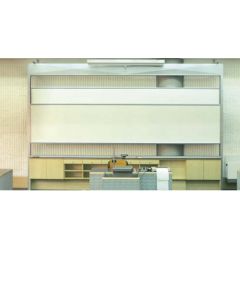
Up-and-down whiteboard. Dimensions: W200 x H100 cm. Color: white.
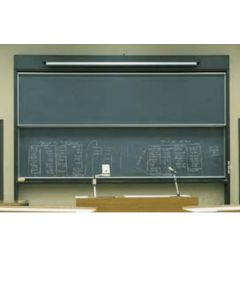
Up-and-down school blackboard. Wall mounting. Dimensions: W500 x H100 cm.
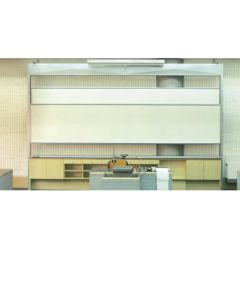
Set of 2 vertical sliding whiteboards. Wall mounting. Dimensions: W500 x H 100 cm.
In both educational and professional contexts, the school board remains the fundamental visual support for instructional mediation and information sharing. Along with desks and teacher's workstations, it represents the core around which lessons are organized, acting as an extension of the teacher's thought process and a catalyst for the audience's attention. Technological evolution has expanded the possibilities for use, complementing traditional stone surfaces with magnetic and multimedia solutions that allow for increasingly dynamic content consumption. Choosing a high-quality blackboard means ensuring optimal visibility from every point in the classroom and having a robust tool capable of withstanding decades of intensive daily use in elementary schools, middle schools, and offices.
Modern training needs require diversified surfaces based on the subject matter: from staff-ruled boards for music education to squared or lined backgrounds for learning writing and calculation. Structural flexibility is another key element, with models ranging from fixed wall installations to mobile versions on wheels or revolving models, designed to optimize space and facilitate the work of school staff. The use of technical materials such as natural slate or pre-painted steel ensures smooth writing and perfect erasing, keeping the surface intact and free of ghosting, thereby improving teaching quality and the effectiveness of business communication in training centers and executive offices.
Integrating a professional blackboard into a classroom or meeting room offers immediate benefits in terms of communicative effectiveness and engagement. This tool acts as a dynamic substitute for paper, allowing complex concepts, diagrams, and notes to be visualized in real-time before a large group of people. The structural robustness of aluminum or wood frames guarantees superior stability, avoiding annoying vibrations during writing that could compromise the teacher's handwriting. Furthermore, the use of specific surfaces drastically reduces students' visual fatigue, thanks to color contrasts designed to be restful and clearly legible even from the back rows.
In addition to the educational function, professional technical boards guarantee simplified maintenance and incomparable longevity compared to budget products. Natural slate surfaces or magnetic steel surfaces are designed to resist abrasion and the chemical wear of chalk or markers, preventing the formation of deep scratches where pigment residues could settle. The versatility of models such as "book-style" or "up-and-down" (vertical sliding) models allows the writing area to be doubled or tripled without occupying additional wall space, offering an intelligent logistical solution for classrooms with limited square footage or for offices needing large surfaces for brainstorming and strategic project planning.
The range of school boards is divided into various product solutions, each optimized for a specific teaching method or operating environment. Slate boards (natural stone) represent the tradition of excellence: resistant and heavy, they offer a unique tactile feedback with the use of white or colored chalk. Conversely, magnetic boards in lacquered or porcelain steel have become the modern standard for those who prefer dry-erase markers, eliminating the problem of chalk dust and allowing the application of magnets, symbols, and notices directly onto the writing surface, transforming the board into a functional notice board.
For specific educational needs, we offer boards with special backgrounds: staff-ruled versions are indispensable in conservatories, while models with lines or squares help primary school pupils correctly manage graphic space. From a structural point of view, it is possible to choose between fixed wall-mounted boards, ideal for permanent installations, and mobile boards on multi-directional wheels, perfect for multi-purpose environments. 360° revolving models allow both sides of the panel to be used with a simple gesture, while flip-chart configurations remains the priority choice for offices and conference rooms where it is necessary to preserve notes taken during the work session.
The selection of the correct board must start with an accurate analysis of the preferred writing type and the environmental sensitivity of the facility: if chalk dust is a problem due to allergies or the presence of computers, the white magnetic board is the mandatory choice. It is essential to evaluate the dimensions of the frame in relation to the available wall and the average height of the users; for elementary schools, models with adjustable height or vertical sliding systems (up-and-down) allow the teacher to write easily at the top and the child to reach the surface at the bottom. A technical discriminating criterion is the quality of the material: porcelain steel is more expensive but guarantees a lifetime warranty on the surface compared to simple lacquer.
Attention must also be paid to installation safety: for wall-mounted boards, it is necessary to check the tightness of the wall plugs and the absence of sharp edges on the aluminum profile, which must always be equipped with ABS corners. The presence of a chalk or marker tray along the entire length is a functional detail that helps maintain order and protect the surface below from accidental material falls. For offices, it is useful to consider purchasing mobile models equipped with safety-brake wheels, which offer stability during use and maximum freedom of movement to reconfigure the meeting room according to the needs of different work teams, always ensuring the best viewing angle for all participants.
Boards intended for school institutions must meet rigorous safety standards to prevent accidental injuries. Reference standards, such as UNI EN 14434, specify performance and safety requirements for vertical writing surfaces, including tests for resistance to abrasion, corrosion, and mechanical stability. It is essential that frames are made of lightweight but robust materials, such as anodized aluminum, and that every plastic component is non-toxic and free of sharp edges. In vertical sliding boards, counterweight mechanisms must be protected to avoid finger crushing, ensuring smooth and safe movement in every phase of use.
In the public sector, fire safety is a priority requirement; therefore, the constituent materials of the board must have low combustion participation (Class 1 or higher). For slate boards, the quality of the mineral must be certified for the absence of ferrous inclusions that could scratch the surface. The presence of the CE marking and a detailed technical sheet is a requirement for the supplier, ensuring school managers and Safety Officers (RSPP) that the furniture complies with risk prevention protocols. Compliance with these technical standards not only guarantees a durable and high-performing product but also protects the health of students and teachers, minimizing risks related to accidental structure falls or the inhalation of harmful dust from non-certified materials.
Explore all the products in the category and compare the available solutions to find the one best suited to your operational context.
The slate board is made of black or gray natural stone and is designed for writing with traditional chalk. The magnetic board, usually white, is made of lacquered or porcelain steel and is used with dry-erase markers. The latter also allows for magnets to be attached to display notices, maps, or documents on the surface.
Yes, professional school boards are designed with aluminum frames equipped with rounded corners made of impact-resistant plastic. Wall-mounted models have reinforced fixing systems, while mobile models feature wheels with safety brakes to prevent sudden movements that could cause injuries during lessons.
Certainly. There are boards with special permanently pre-printed backgrounds: staff lines for music, ruled lines for language arts, and squares (usually 4 or 5 cm) for mathematics. These surfaces help students maintain graphic order and support the teacher in explaining subjects that require precise graphic bases.
To keep the surface bright, it is necessary to erase dry-erase markers with specific felt erasers. Periodically, it is recommended to clean the board with a soft cloth and a specific detergent spray for magnetic surfaces to remove any ghosting. It is essential never to use abrasive sponges or aggressive solvents that would ruin the lacquer.
The up-and-down system allows the board to slide vertically on tracks thanks to a counterweight system. It is extremely useful in classrooms with children of different heights or for teachers who need a lot of space: it allows writing on the upper part and then moving the board up to make the content visible to the whole class.
The choice depends on the flexibility of the environment. A fixed wall-mounted board is stable and ideal for permanent meeting rooms. The revolving board on wheels offers two writing surfaces and can be moved between different offices or oriented based on the audience's position, making it the best solution for multi-purpose spaces and dynamic work teams.
In general, it is not harmful, but it can cause discomfort to people with asthma or allergies. To overcome this problem, we recommend using "hypoallergenic" chalk with low dust production or, alternatively, switching to magnetic boards with dry-erase markers, which completely eliminate the dispersion of particles into the classroom air.
 English
  Italian
 French
 German
 Spanish