mon-fri 9-13 / 14.30-18.30
Rehabilitation and therapy equipment forms the foundation of modern physiotherapy practice, representing indispensable tools in physiotherapy centers, hospitals, private clinics, and specialized outpatient facilities. These devices are designed to support functional recovery, improve joint mobility, strengthen muscles, and facilitate the social reintegration of patients suffering from neuromotor pathologies, traumatic injuries, surgical interventions, and degenerative conditions. The correct use of professional equipment allows therapists to standardize treatments, monitor progress objectively, and personalize interventions according to the specific clinical needs of each patient.
The choice of the right equipment directly impacts the quality of the rehabilitative outcome, patient safety, and the operational efficiency of the facility. In the current context, where the demand for rehabilitation services continues to grow, having reliable tools that comply with regulatory standards and are built with durable materials becomes a strategic competitive element for any operator in the medical-healthcare sector.
Specialized rehabilitation equipment offers tangible benefits from both a clinical and organizational perspective. The use of structured therapeutic tables, adjustable parallel bars, graduated stairs, and other specific devices allows physiotherapists to perform standardized protocols with greater precision, reducing the risk of iatrogenic injuries and increasing treatment effectiveness. These tools allow for the progressive grading of exercise difficulty, adapting to the different stages of the rehabilitation journey. Since patients face very diverse issues—from post-surgical recovery to motor re-education after a stroke, from proprioceptive balance to the re-acquisition of muscle strength—having a complete range of equipment facilitates the achievement of therapeutic goals in shorter times.
Beyond purely clinical aspects, investing in professional quality equipment brings significant economic advantages. Tools made with resistant materials and subjected to rigorous quality controls have superior durability, reducing maintenance costs and the number of replacements over time. Structural safety is a non-negligible element: a stable Bobath table, parallel bars with correct stabilization systems, or a well-calibrated ergometric bike guarantee protection for both the patient and the operator. Furthermore, the availability of modern and diversified equipment improves the perception of the facility's quality, positively influencing patient satisfaction and professional reputation.
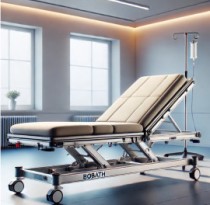
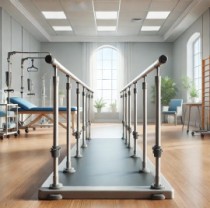
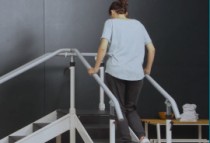
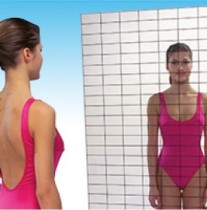
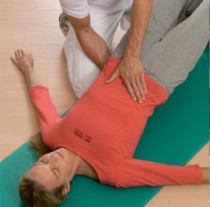
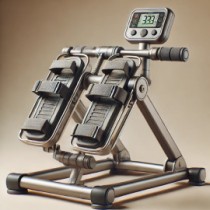
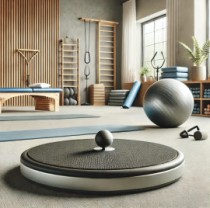
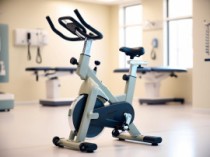
The catalog of rehabilitation and therapy equipment includes solutions designed for extremely specific therapeutic needs. Bobath tables represent the reference solution for the treatment of neurological patients, characterized by ergonomic features that facilitate therapist access from multiple angles and allow precise patient positioning. Rehabilitation parallel bars, available in different heights and lengths, are essential for gait training, balance recovery, and strengthening lower muscles. Rehabilitation stairs allow for gradually addressing the proprioceptive and neuromuscular challenge represented by movement on inclined surfaces. Posture mirrors provide instant visual feedback, a crucial element in postural self-correction exercises and body awareness. Physiotherapy mats, made of medical-grade foam materials, offer a safe and comfortable interface for floor exercises, passive mobilizations, and relaxation techniques. Rehabilitation pedal exercisers allow for controlled cyclic movements, useful for recovering joint mobility of the lower limbs. Swedish wall bars are a versatile tool for strength, flexibility, and motor control training, suitable for both acute phase and maintenance phase patients. Exercise bikes and ergometers specifically designed for rehabilitation allow for controlled, monitorable, and gradable cardio exercises, ideal for patients with functional limitations. Proprioceptive boards directly address balance and proprioception deficits, a critical element in many pathological conditions.
Each type of equipment responds to specific clinical contexts and can be combined with others to create complex and personalized treatment protocols. The choice between different models depends on the type of pathology treated, the space available in the facility, the budget allocated for the investment, and the clinical guidelines adopted by the therapeutic team. Some patients benefit most from a multimodal approach that integrates multiple tools in a logical sequence, while others require a concentrated focus on specific areas of intervention.
The selection of rehabilitation equipment requires careful analysis of the clinical needs of your facility, considering the demographic profile of the population treated and the prevalent pathologies. A preliminary evaluation should include: the average number of patients treated daily, the age groups served, the main pathological conditions addressed, the space available in therapeutic environments, and the allocated economic resources. A center dedicated primarily to elderly patients with stroke outcomes will have different priorities than a facility that mainly treats athletes with acute muscle injuries. Consulting your clinical team is essential: the physiotherapists who will use the equipment daily can provide valuable feedback on functionality, intuitiveness of use, and adaptability to different patient profiles.
A frequent error is underestimating the importance of construction quality and certification. Equipment made with poor materials, not subjected to rigorous resistance tests, or lacking compliance certifications exposes the facility to significant legal risks and hidden extraordinary maintenance costs. When evaluating commercial proposals, it is advisable to request detailed information on reference regulations, tests performed, supported weight limits, and required preventive maintenance conditions. The dimensions of the equipment must be consistent with the available space: a Bobath table with a massive structure might not fit in a private studio with limited square footage. At the same time, choosing tools that are too compact could compromise stability during use. The relationship between purchase cost and expected durability represents a fundamental parameter: often a slightly higher initial expenditure for higher-end equipment guarantees better economic amortization in the medium-to-long term.
In Italy and Europe, rehabilitation equipment falls under the category of medical devices and is subject to a series of mandatory regulations aimed at ensuring the safety of patients and operators. The ISO 13732-1 standard and subsequent technical specifications govern construction requirements, mechanical resistance tests, structural stability, and accident prevention safety. Many tools, particularly those with manual movement or critical structural supports, must be certified according to the CE directive for medical devices, with the subsequent CE mark affixed to the product. Therapeutic tables must meet specific requirements for height adjustability, lateral stability, and load resistance. Rehabilitation parallel bars must guarantee standardized heights and sufficiently wide support surfaces for patient safety. Alongside technical regulations, aspects related to environmental safety and hygiene assume critical importance. Surfaces in contact with the patient must be easily sanitizable and resistant to disinfectants commonly used in the healthcare sector. Materials must not contain toxic or allergenic substances. For hospital structures or clinics with immunocompromised patients, it is necessary to verify the compatibility of the tools with the provided decontamination protocols. The civil and criminal liability of the facility manager can be engaged in case of accidents resulting from the use of non-compliant or inadequately maintained equipment.
An element often underestimated concerns technical documentation and certificates of conformity that must accompany the purchase of every piece of equipment. Qualified suppliers provide detailed technical sheets, user manuals in Italian, test certificates, and, when requested, audit reports on the production chain. It is prudent practice to keep the documentation for the entire lifespan of the equipment, as it represents essential evidentiary material in case of litigation. Periodic inspections, scheduled maintenance, and the recording of interventions performed complete the framework of regulatory and management compliance.
Explore all products in the category and compare the available solutions to find the one best suited to your operational context. Evaluate the technical specifications, consult the certifications, and contact our team to receive support in choosing the equipment that best aligns with your facility's therapeutic protocols.
A Bobath table is a specialized therapeutic structure for the treatment of neurological patients, characterized by a stable base, adjustable height, a soft but supportive surface, and facilitated access from multiple sides. It allows for precise body positioning during passive and active-passive mobilization techniques, supporting therapeutic approaches based on the Bobath concept for recovery after stroke, cerebral palsy, and other neurological conditions. Structural stability and ergonomic design reduce operator fatigue and the risk of iatrogenic trauma.
Rehabilitation parallel bars are indicated for patients who need support during gait training, balance recovery, and muscle strengthening of the lower limbs. The correct height should allow the patient to grasp the bars with elbows flexed at approximately 90 degrees when standing. Standard heights generally vary from 80 to 95 centimeters. The choice depends on the average height of the patients treated and the type of planned exercise.
The proprioceptive board (balance board) stimulates vestibulo-proprioceptive receptors, improving balance, postural control, and reaction to perturbations. It is particularly effective in treating balance deficits, preventing falls in the elderly, and recovering stability after joint injury. Exercising on unstable surfaces increases deep muscle activation and body awareness compared to exercises on a stable base.
A professional mat must be made of controlled density foam, resist hospital disinfectants, possess an easy-to-clean waterproof coating, and offer sufficient thickness (generally 5-8 centimeters) to cushion the patient's contact. The surface should not be excessively soft, as this leads to reduced stability during weight-bearing exercises. Mechanical stability and durability are priority selection criteria over simple comfort.
A rehabilitation ergometer is calibrated to precisely control the workload (measured in watts), allows for objective recording of performance data, and is designed for patients with functional limitations. A traditional exercise bike offers less precise resistance control. The ergometer allows for monitoring exercise tolerance and standardized progression, essential in controlled cardiac and neuromuscular rehabilitation programs.
 English
  Italian
 French
 German
 Spanish