
mon-fri 9-13 / 14.30-18.30
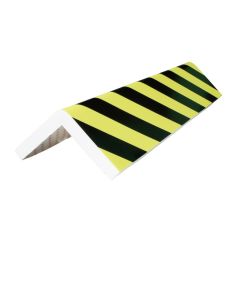
Yellow/black EVA foam corner guard, self-adhesive, ideal for the protection of dangerous corners. Dimensions: L 400 x D 150 x h 15 mm.
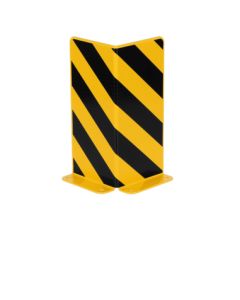
TÜV-certified L-shaped protection for shelving and corners, height 400 mm, leg length 180x180 mm, in yellow/black painted steel.
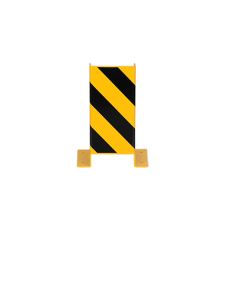
U-shaped yellow-black steel bumper for indoor use. Dimensions: W 270 x D 205 x H 400 mm.
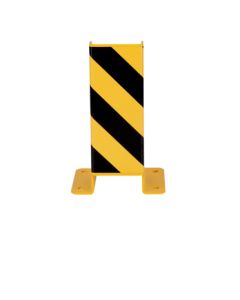
U-shaped impact protection in painted steel, TÜV certified, dimensions W 245 x D 200 x h 400 mm, ideal for indoor areas.
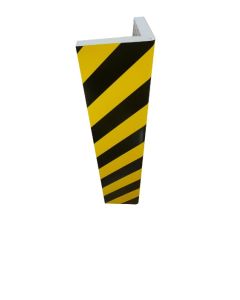
Adhesive corner bumper in black-yellow NBR foam, to protect edges and columns. Dimensions: L 730 x D 300 x h 25 mm.
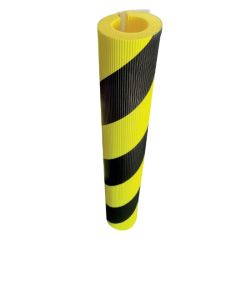
60 mm EVA foam adhesive protection for pipes and columns Ø up to 50 mm. Length 750 mm. Yellow/black color. REACH compliant.
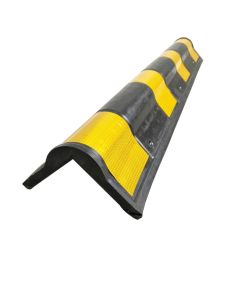
High-visibility rubber corner protector, resistant from -60°C to +40°C. Dimensions: L 800 x D 100 x H 100 mm.
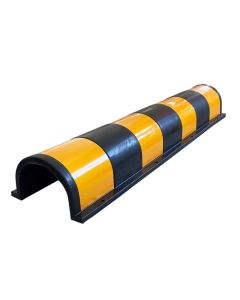
Rubber corner protection for pipes Ø100 mm. High visibility, resistant from -60°C to +40°C. Dimensions: L. 800 x D. 150 x h. 100 mm.
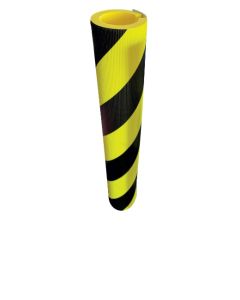
EVA foam protection for pipes and columns up to Ø80 mm. High visibility black/yellow color. Weight: 0.30 kg.
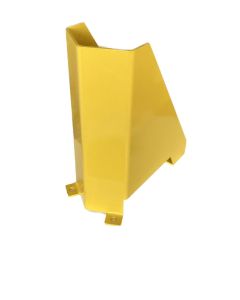
Yellow painted steel corner protection, ideal for pillars and stair feet. Dimensions: W. 320 x D. 180 x H. 400 mm.
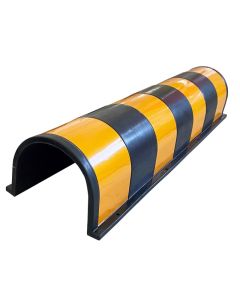
Rubber protection for pipes and ducts. Dimensions: L. 800 x D. 200 x h. 150 mm. Color: yellow/black.
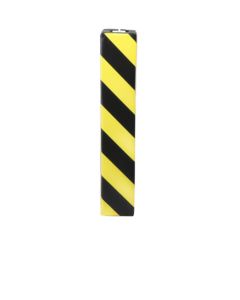
Impact protection for 100x100 mm posts, in 40 mm PE foam, velcro closure, yellow-black colors. Dimensions: W. 180 x D. 180 x h. 1000 mm.
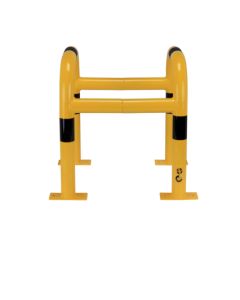
Industrial column protector in galvanized and painted steel, height 600 mm, side 500 mm, for indoor and outdoor use, TÜV certified.
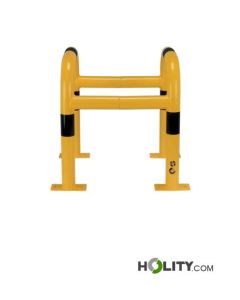
Galvanized and yellow painted steel column protection. Dimensions: 620 x D. 520 x h. 600 mm. For outdoor use. Base plate for floor mounting included.
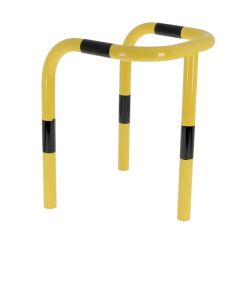
Steel corner protection bracket painted black/yellow for high visibility. Dimensions: L. 600 x D. 600 x h. 800 mm, Ø 60 mm.
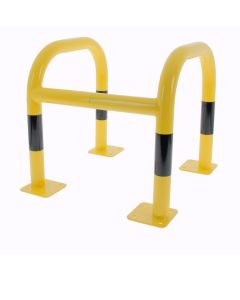
Single-sided galvanized and black/yellow painted protection. Ideal for industrial systems and urban equipment. Dimensions: W. 600 x D. 600 x h. 600 mm. Diameter: Ø60 mm.
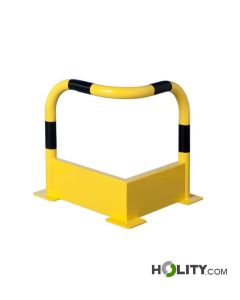
Steel corner bumper with sheet metal kick plate against impacts. Dimensions: W 65 x D 65 x H 64 cm.
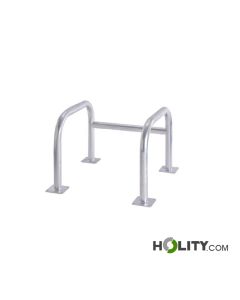
Galvanized steel monoblock barrier, 3 sides, already assembled. Total dimensions: W 89 x D 89 x H 60.6 cm.
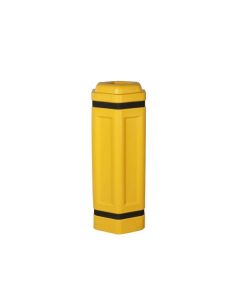
Octagonal PE protector for 150 x 150 mm pillars, velcro mounting. Dimensions: W 400 x D 360 x H 1000 mm.
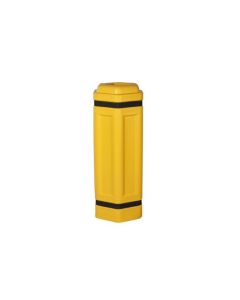
Octagonal PE protection for 100 x 100 mm pillars, fast velcro assembly. Dimensions: W 400 x D 360 x H 1000 mm.
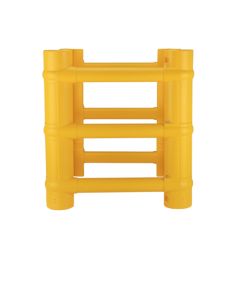
Modular polyethylene protection for columns from 200 to 700 mm, yellow, for indoor and outdoor use. Height 1000 mm.
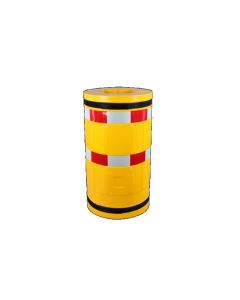
Round PE protection with RA1 reflective signage for 260 x 260 mm posts. Dimensions: Ø 620 x H 1100 mm.
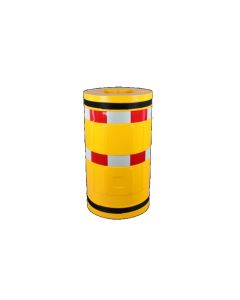
Round PE warehouse column protection for 210 x 210 mm columns with reflective bands. Dimensions: Ø 620 x H 1100 mm.
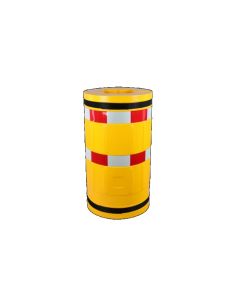
Round PE column guard with RA1 reflective marking for 160 x 160 mm posts. Dimensions: Ø 620 x H 1100 mm.
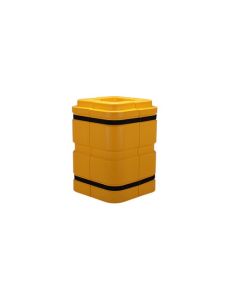
Yellow PE column protector for 420 x 420 mm pillars, modular and air-filled. Dimensions: W 800 x D 180 x H 1080 mm.
Industrial corner guards represent a fundamental solution for protecting work environments, warehouses, factories, and high-movement logistics areas. These devices, made of resistant materials such as steel, rubber, and EVA foam, protect critical structures such as columns, pillars, corners, and pipes from impacts caused by handling equipment, forklifts, and machinery in general.
The use of industrial corner guards is not just a matter of infrastructure preservation, but a central element of workplace safety, significantly reducing risks of damage to property and people. The choice of protection type depends on specific operational needs, the size of the obstacles to be protected, the environmental context (indoor/outdoor), and the expected impact loads.
These products stand out for their versatility in shapes, materials, and installation systems, allowing for customized solutions for every industrial space configuration.
Protecting corners and vertical structures is a strategic investment in operational risk management. Accidental impacts in industrial environments generate significant consequences: structural damage compromising plant integrity, production interruptions due to repair needs, and above all, risks to personnel safety. A correctly installed corner guard absorbs the impact energy, distributing it over a wider surface and minimizing damage to both the protected structure and the vehicle that hit it.
Beyond the primary protective function, corner guards play a crucial role in terms of visibility and signaling. High-visibility colors, typically yellow and black or black and red, clearly demarcate critical zones and restricted movement areas, facilitating spatial awareness for operators and reducing the probability of collisions. In automated warehouses, loading/unloading areas, and handling plants, the presence of visible protections significantly decreases the number of accidents and optimizes overall operational efficiency.
The range of industrial corner guards includes solutions made in four main material categories, each with specific performance characteristics. Galvanized and painted steel corner guards represent the most robust and durable solution, suitable for high-energy impacts and outdoor environments; they are TÜV certified and guarantee protection for columns, pillars, and large structures. Vulcanized rubber models offer good resilience, thermal resistance from -60°C to +40°C, and shock absorption capacity, making them ideal for pipes, ducts, and medium-resistance protections. EVA and PE foam corner guards are lightweight, easy to install via self-adhesive systems or Velcro, and perfect for protecting standard-sized columns or small-diameter pipes in indoor environments. Finally, composite protections, which combine aluminum profiles with rubber or foam strips, combine aesthetics, lightness, and moderate durability, suitable for contexts where visual impact is a design consideration.
Available geometries vary from simple flat angles to rounded profiles, L-shaped protections for shelves, U-shaped protections for circular columns, and monoblock barriers for multi-faceted protections. Each geometric type has been developed to optimize surface contact with the structure and impact absorption according to industrial safety standards. The length of corner guards ranges from 150 mm for small corners up to 1140 mm for extended protections, while heights vary from 15 mm for minimum protection up to 1000 mm for columns of considerable height.
Selecting the appropriate corner guard begins with evaluating three critical factors: the nature of the structure to be protected (column, pillar, pipe, wall corner), its geometric dimensions (diameter, width, height), and the environmental context where it will be installed (indoor, outdoor, exposed to thermal variations). A 100x100 mm square section column requires an octagonal protection with lateral closure to ensure total coverage, while a circular tubular structure benefits from U-shaped or rounded protections that allow uniform contact along the circumference.
The most frequent errors stem from underestimating the magnitude of expected impacts: a warehouse with manual trolleys tolerates foam protections, while a maneuvering area for forklifts requires steel. Similarly, the fastening system is a decisive choice: self-adhesive foam protections offer fast installation but require clean, moisture-free surfaces, Velcro systems allow subsequent adjustment and non-invasive removal, while mechanical fastening with bolts guarantees maximum stability for heavy steel protections. The height of the protection must completely cover the likely impact zone, considering that trolleys have variable geometries and impacts can occur at different heights from the ground. For outdoor protections, resistance to atmospheric agents becomes a priority: galvanized and painted steel or vulcanized rubber are the mandatory choices, while foam is inadequate in the long term.
Regulatory compliance of industrial corner guards is structured across various regulatory levels. At the European level, the REACH regulation (Registration, Evaluation, Authorisation and Restriction of Chemicals) governs the chemical composition of materials, particularly EVA foam and rubber, ensuring the absence of hazardous substances. TÜV certification, frequently cited in professional-grade products, certifies compliance with German industrial safety and impact resistance standards, derived from the DIN EN 12255 standard for column and structure protections in industrial environments.
In the Italian national context, protections must comply with Legislative Decree 81/2008 (Consolidated Law on Safety), which requires the assessment and reduction of collision risk in workplaces. ISO 1084 and ISO 5555 standards provide test methodologies for impact resistance and resilience of elastomeric materials, key elements for validating the robustness of rubber protections. For applications in specific sectors such as medical or food, additional hygiene certifications may be required, including compliance with CE standards for food contact where applicable. CE marking on products ensures compliance with essential European safety requirements; however, it is the employer's responsibility to verify that the chosen solution is appropriate for the specific risk of the environment in which it is used.
Explore all products in the category and compare available solutions to find the one best suited to your operational context. Evaluate materials, dimensions, and fastening systems based on your specific industrial protection needs.
Steel corner guards are ideal for high-traffic environments and violent impacts (forklifts, warehouses); they offer extreme durability and permanent protection. EVA foam is lighter, adhesive, and suitable for internal column protections with moderate impacts, but degrades over time if exposed to UV rays. The choice depends on the magnitude and frequency of expected impacts.
Clean the surface with alcohol to eliminate dust and moisture, and let it dry completely. Peel off the adhesive backing and apply uniform pressure to the corner guard for 30-60 seconds. The surface must be smooth and free of slippery coatings; avoid installation on damaged paint or damp walls to ensure lasting adhesion.
Vulcanized rubber corner guards maintain elastic and resistance properties in a range from -60°C to +40°C, suitable for cold storage environments and temperate outdoor areas. Outside of this range, the material can become brittle or sticky. For applications in extreme temperatures, check the supplier's specifications.
The minimum recommended height is 400-600 mm for standard columns in indoor areas, while 1000 mm is preferable if the risk of impact involves large vehicles. In environments with variable height shelving, cover at least up to the center of gravity of the most frequent handling equipment. Consult the characteristics of the vehicles used to determine the optimal extension.
Painted steel corner guards require annual inspections to check paint integrity and the absence of rust; repaint if necessary. Rubber and foam protections should be checked for delamination or surface wear, with replacement if damaged. Clean them regularly to maintain the visibility of high-visibility signaling colors.
Yes, some corner guards in AISI 304 stainless steel are available for food and medical sectors, ensuring HACCP compliance and absence of corrosion. Specify the intended use to the supplier: these products cost more than standard ones but eliminate contamination risks in critical hygiene-sanitary areas.
For automated warehouses with robots and fast carts, mechanical fastening (bolts with washers) on steel protections is essential: it guarantees zero slippage even under repeated impacts. Adhesive or Velcro systems are insufficient; verify that mounting is performed on solid structural surfaces, not on fragile plaster.
No, the design is specific to each application: flat corner profiles protect wall corners, rounded ones protect circular pipes and columns, octagonal ones wrap around square columns. Using the wrong type reduces effectiveness and can create inadequate contact points; consult the dimensions of the structure to be protected before purchasing.
 English
  Italian
 French
 German
 Spanish