
mon-fri 9-13 / 14.30-18.30
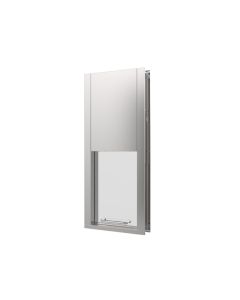
Single pass-through hatch in AISI 304 stainless steel, manual opening with counterweights. Dimensions: W 90 x D 13 x H 140 cm.
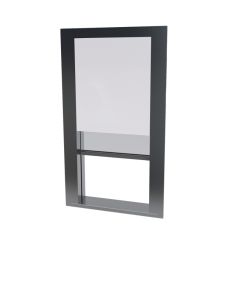
Surgical instrument pass-through window for operating rooms. Dimensions: 80 x 15 x h. 140 cm.
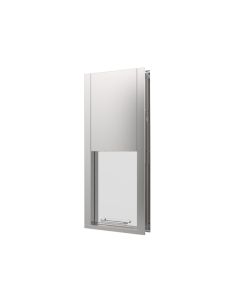
Single pass-through window in AISI 304 stainless steel, with electric opening. Dimensions: W 90 x D 13 x H 140 cm.
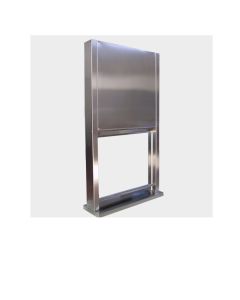
Motorized instrument pass-through window. Dimensions: W. 80 x D. 17.2 x h. 140 cm.
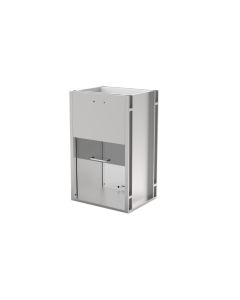
Interlocked double pass-through window in AISI 304 stainless steel. Dimensions: W 90 x D 30 x H 140 cm.
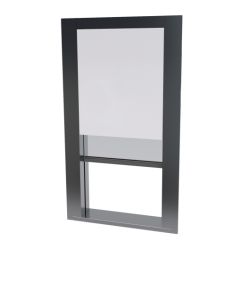
Instrument pass-through window with manual opening system. Dimensions: W. 80 x D. 15 x h. 140 cm.
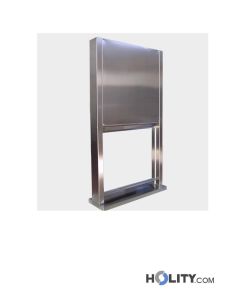
Motorized instrument pass-through window. Dimensions: W.80 x D. 17.2 x H.140 cm
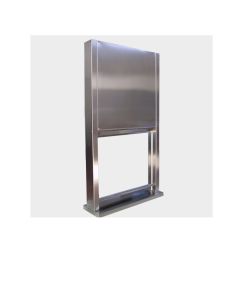
Double pass-through window. Dimensions: W. 80 x D. 70 x h. 140 cm.
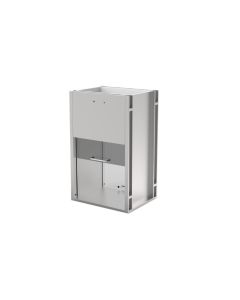
Double interlocked electric pass-through window in AISI 304 stainless steel. Dimensions: W 90 x D 30 x H 140 cm.

Motorized instrument pass-through window. Dimensions: W. 80 x D. 70 x h. 140 cm.
Operating room pass-throughs represent a critical element in the functional organization of modern surgical environments. These devices allow for the controlled transfer of instruments, materials, and equipment between zones with different contamination levels, maintaining the integrity of the sterile environment. Their design meets rigorous standards for safety, hygiene, and operational efficiency, ensuring that surgical procedures take place under optimal conditions. Pass-throughs are available in variable configurations depending on the workflow, from single-opening solutions to double interlocked systems, primarily made of medical-grade stainless steel.
Choosing the right pass-through directly affects the quality of service offered by the healthcare facility, reducing surgical downtime and minimizing the risk of cross-contamination. Models available on the market differ in opening system (manual, electric, motorized), size, and number of chambers, meeting various organizational needs. Correct implementation of these devices is essential for maintaining sterilization protocols and ensuring operational continuity in the operating room.
The use of dedicated pass-throughs in the operating room offers multiple operational and hygienic advantages that significantly impact the overall quality of surgical activity. First, these devices allow for a clear separation between clean and contaminated areas, drastically reducing the risk of post-operative infections and maintaining the integrity of the sterile environment throughout the procedure. Stainless steel surfaces ensure ease of disinfection and sterilization, preventing the accumulation of microorganisms even after repeated cycles of chemical and thermal sanitization.
From an organizational perspective, pass-throughs significantly improve workflow efficiency, allowing for the quick and safe transfer of instruments, disposable materials, and equipment without interrupting the continuity of the procedure. The availability of models with motorized openings and interlock systems further eliminates the risk of human error and ensures compliance with the most stringent protocols. Healthcare facilities of various levels, from small surgical centers to complex hospitals, benefit from the standardization and reliability that professional pass-throughs offer, also reducing indirect costs related to infectious complications and prolonged operating times.
In a hospital setting, the correct implementation of pass-throughs contributes to achieving accreditation standards and ISO certifications required by health authorities. The versatility of the available models allows the solution to be adapted to different surgical workflows, from minor procedures to complex operations requiring frequent material passage. Investing in quality devices also reduces maintenance and replacement costs in the medium to long term, as medical stainless steel maintains its structural and hygienic properties even after decades of intense use.
The landscape of operating room pass-throughs is mainly divided into three functional categories: single-opening models, double-opening models, and motorized variants. Single-opening pass-throughs represent the most compact and economical solution, suitable for small operating rooms or facilities where material flow is moderate. These devices have a single window and require manual opening via balanced counterweights, still ensuring effective separation between zones. Double-opening models, equipped with an interlock system, are the preferred choice in larger hospital contexts, as they allow for the simultaneous passage of clean and dirty material through separate chambers, with automatisms that prevent the simultaneous opening of both windows.
Motorized and fully automated variants represent the technological evolution of these devices, equipped with electric or pneumatic drive systems that minimize human intervention. These solutions are particularly valued in highly complex surgical environments, where the speed and precision of material transfer are critical factors. Pass-through sizes vary considerably, with models ranging from 80x15 cm up to 90x30 cm in double systems, to adapt to the different geometries of operating rooms. The chamber depth also varies, from minimum values of 13-15 cm up to 70 cm in larger double systems, allowing for the passage of bulky instrumentation or large sterilization containers. The choice of configuration depends on the volume of material handled, the frequency of passages, and the physical dimensions of the operating room.
Selecting the appropriate pass-through requires a preliminary analysis of the specific operational flows of the surgical suite, considering both the volumes of material moved and the type of procedures performed. A frequent error is underestimating the need for passage capacity: operating rooms handling complex or high-turnover procedures necessarily require double systems with wide chambers, while minimal configurations risk becoming organizational bottlenecks. The decision between manual and motorized opening must consider the availability of electrical infrastructure in the room, initial investment budgets, and long-term management costs. Manual systems with counterweights are more robust and require minimal maintenance, while motorized ones offer greater ergonomics for staff and reduce the risks of maneuvering errors.
An often-overlooked aspect concerns the size of the passage window relative to the instrumentation actually used: undersized measurements require the disassembly of instrument kits or the use of modified containers, compromising sterilization standards. The installation position of the pass-through in relation to the room layout is equally important: a sub-optimal location creates long and inefficient paths for staff. Healthcare facilities should also check compatibility with material recycling and biological waste management systems, as some double models are specifically designed to facilitate clean-dirty unidirectional flow. Consulting hospital protocols and regional guidelines on operating room design ensures that the choice of pass-through is aligned with regulatory requirements and facility best practices.
Operating room pass-throughs are governed by a series of technical and sanitary regulations that regulate their design, construction, and use. The UNI EN 12 100 standard specifies the safety requirements for medical machinery, including passage devices such as pass-throughs, while UNI EN ISO 14971 concerns the risk management of medical devices. At the European level, Regulation (EU) 2017/745 classifies pass-throughs as medical devices and mandates compulsory CE marking, following demonstration of compliance with essential safety and performance requirements. Italian hospital facilities must also comply with Ministerial Decree September 14, 1994, n. 626 regarding safety regulations in the workplace, including prescriptions for environmental management in the operating room.
From a hygienic-sanitary point of view, pass-throughs must be built with materials that allow high-temperature sterilization (autoclaves at 121°C or higher) without structural deterioration. AISI 304 quality stainless steel or higher represents the minimum standard, ensuring resistance to chemical and thermal corrosion. Guidelines from the Higher Institute of Health (ISS) and the Regions emphasize the importance of physical separation between clean and contaminated material during transport, which is why double systems with interlocks are strongly recommended in medium and large facilities. Certificates of conformity, initial testing reports, and preventive maintenance programs are essential documents that must accompany the installation and operation of pass-throughs, to ensure traceability and responsibility in case of inspections by health surveillance bodies.
Explore all the products in the category and compare available solutions to find the one best suited to your operational context.
The single pass-through has only one window and represents the most economical and compact solution, ideal for small environments. The double model, equipped with an interlock system, maintains two separate chambers with openings that cannot be activated simultaneously, allowing the simultaneous passage of clean and contaminated material without risk of cross-contamination. Double systems are standard in medium and large hospitals.
AISI 304 stainless steel is the minimum required standard, ensuring corrosion resistance, ease of sterilization, and repeated disinfection. This material maintains structural integrity even after prolonged cycles of high-temperature autoclaves and does not release harmful substances, making it compliant with international health requirements for medical devices.
Manual pass-throughs with counterweights are robust, reliable, and require minimal maintenance, representing the ideal choice for operating rooms with moderate flow. Motorized systems reduce physical effort for staff and minimize maneuvering errors, making them preferable in environments with very high surgical activity where speed and ergonomics are priorities. The choice depends on the budget and real operational volumes.
Single models vary between 80-90 cm in width, 13-17 cm in depth, and 140 cm in height. Double systems maintain similar width and height but increase the depth up to 70 cm to accommodate two separate chambers. Dimensions must be compatible with the available space and the volume of instrumentation moved daily.
Yes, even robust stainless steel devices require regular preventive maintenance: checking the counterweight or motorized systems, verifying the airtightness of the seals, and inspecting surfaces for any micro-corrosion. Scheduled maintenance extends the life of the device and prevents malfunctions during surgical procedures.
Certified professional pass-throughs bear the CE mark, certifying compliance with Regulation (EU) 2017/745 on medical devices, the UNI EN 12100 standard on machinery safety, and UNI EN ISO 14971 risk management. Always verify the compliance documentation before purchase to ensure legitimacy and health traceability.
Costs vary significantly based on the configuration: single manual models start at approximately 2,200 euros net, while double motorized systems can exceed 8,500 euros. Installation generally requires 2-3 working days, including positioning, electrical connections, and functional testing prior to commissioning.
It depends on the size of the chamber: compact single models (depth 13-15 cm) are limited to small materials, while double systems with a depth of 70 cm allow the passage of material carts and bulky containers. Always evaluate technical specifications relative to the actual dimensions of the instrumentation used in your operating room.
 English
  Italian
 French
 German
 Spanish