
mon-fri 9-13 / 14.30-18.30
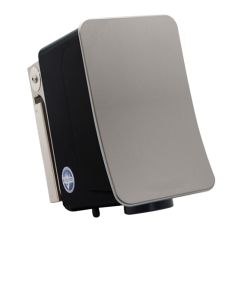
Electric foot dryer for wellness centers and swimming pools. Drying time: 8-10 sec. With HEPA filter.
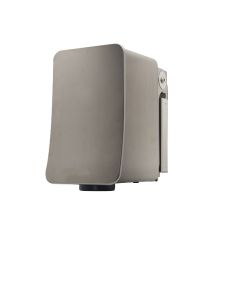
Professional electric foot dryer in satin stainless steel with HEPA H13 filter. Fast drying in 8-10 seconds and automatic laser activation.
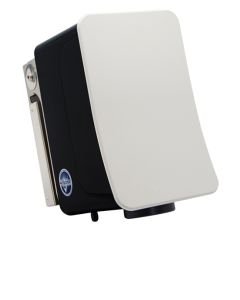
Professional wall-mounted electric foot dryer with HEPA H13 filter and UV lamp. Fast drying in 8-10 seconds, ideal for hygiene and accessibility.
Professional electric foot dryers represent an essential solution in public and semi-public spaces where hygienic comfort takes on strategic importance. These devices, equipped with innovative technologies such as laser sensors and HEPA filters, guarantee complete foot drying in a very short time, usually between 8 and 10 seconds. Usage extends from swimming pools and wellness centers to sports facility changing rooms, from hotel bathrooms to thermal environments, where they represent a qualitative differentiation element capable of elevating the perception of hygiene and care towards the clientele.
The choice of a professional foot dryer directly affects the management of usage flows, the reduction of energy consumption and the routine maintenance of sanitary spaces. Models built in AISI 304 stainless steel, antibacterial materials or with vandal-proof protections ensure prolonged durability and resistance to external agents, particularly important in humid and high-traffic environments. Flexible installation, available in both wall-mounted and floor-standing versions, allows for adaptation to any architectural configuration without functional compromises.
The implementation of electric foot dryers in a hospitality or sports facility brings tangible benefits from both an operational and user experience perspective. The first advantage consists in the speed of drying: compared to traditional disposable towels, these devices complete the cycle in a few seconds, significantly reducing the time spent in bathrooms and improving the flow of users during peak hours. The hygiene component represents a crucial differentiator: the absence of contact with shared surfaces limits the transmission of pathogens, an aspect particularly relevant in environments such as swimming pools and spas where humidity favors bacterial proliferation. Many models include germicidal UV technology that actively counteracts viruses, bacteria and fungi, adding a supplementary level of protection.
On the management side, professional foot dryers significantly reduce costs related to the supply of disposable paper and waste disposal fees, a factor that is not marginal for facilities with consistent traffic volumes. The silent and low energy consumption design allows for maintaining a comfortable acoustic environment while operating continuously during service hours. Models with laser sensors offer intuitive activation without the need for physical contact, an element particularly appreciated in post-pandemic contexts where contact hygiene represents a stated priority. The contemporary aesthetic, with stainless steel finishes and minimal lines, integrates naturally into modern spaces without appearing bulky or anachronistic.
The market offers various configurations of professional foot dryers, each oriented to specific application needs. The most common type is the one with a shape-detecting laser sensor, which automatically activates the airflow when it detects the presence of the foot, ensuring energy efficiency and total hygiene. Some models feature a reinforced AISI 304 stainless steel casing, ideal for highly corrosive environments such as swimming pools and thermal areas where exposure to chlorine and humidity is constant. Other solutions provide antibacterial coatings on the front surface, which add extra protection against microbial colonization, particularly useful in high-end healthcare facilities or wellness centers.
Some devices integrate germicidal UV lamps capable of exerting a sterilizing action during drying, counteracting fungi responsible for onychomycosis and other skin pathogens. Vandal-proof models, made with protective shells in reinforced material and resistant mechanisms, meet the needs of public changing rooms, municipal sports facilities and areas at high risk of damage. Regarding mounting, wall-mounted versions are available, particularly suitable for bathrooms with limited space, and floor-standing versions, which offer greater visibility and facilitate access. HEPA filters, when present, guarantee the expulsion of purified air, a fundamental element in environments where natural ventilation is insufficient.
The correct selection of a professional foot dryer begins with an analysis of the environmental context and the expected volume of use. The first criterion concerns the environment: a swimming pool exposes the device to extreme humidity and high concentrations of chlorine, making a corrosion-resistant stainless steel casing necessary; a moderate-volume hotel bathroom might benefit more from an aesthetic and compact solution in painted steel. The hourly traffic volume is decisive: facilities with high user traffic benefit from robust, reliable models with short recovery times between uses, while low-frequency spaces might prefer more economically contained solutions. The availability of electricity and the available space define whether to opt for wall or floor mounting, with implications also for maintenance and surrounding cleaning.
A common mistake consists in neglecting the hygiene component: simple air drying, without filtration or germicidal technologies, could be insufficient in contexts where customers and guests associate the device with a high quality standard. Thermal facilities, spas and wellness centers should prioritize models with UV technology or HEPA filters, while public swimming pools and sports changing rooms benefit most from vandal-proof and easily cleanable systems. Energy consumption, although lower than traditional roller towels, must be evaluated in perspective: a slightly more expensive but more energy-efficient device pays for itself quickly in contexts of intense use. Verifying compatibility with the facility’s payment or access control systems represents a practical aspect that is often underestimated but relevant for operational integration.
Professional electric foot dryers, as electrical equipment intended for the public environment, must comply with specific European and national regulations. EN 60950-1 (safety of information technology products) and EN 62368-1 (safety of audio/video and related equipment) define the electrical safety requirements for devices with electronic components. Equipment intended for use in public spaces must comply with standards for insulation and protection against accidental contact, with particular attention to IP (International Protection) ratings: most professional models have at least IP65, guaranteeing total protection from dust and resistance to direct water jets, fundamental in humid environments.
Regarding materials, the stainless steel used must comply with the EN 10088 standard to ensure corrosion resistance and hygiene. CE certification represents a mandatory requirement, certifying that the product meets applicable European directives (Machinery Directive 2006/42/EC, Electromagnetic Compatibility Directive 2014/30/EU). Healthcare facilities and wellness centers must also consider local hygiene guidelines: many regional regulations specify drying and microbiological protection standards for environments such as public swimming pools and spas. Models with HEPA filters should present certification of filtering capacity according to EN 1822, while those with germicidal UV technology require validation of sterilizing efficacy according to documented microbiological protocols. Vandal-proof design, in high-risk public facilities, should respond to international standards of mechanical resistance, guaranteeing certified durability over time.
Explore all the products in the category and compare the available solutions to find the one best suited to your operational context. Evaluate technical specifications, construction materials and integrative features in relation to the hygienic and operational needs of your facility.
Modern professional models complete drying in approximately 8-10 seconds. This reduced time compared to traditional towels is guaranteed by the air speed and the design of the drying chamber. Some particularly high-performing models can reach shorter times, varying based on the residual moisture of the feet.
The laser sensor detects the shape and position of the foot inside the drying chamber, automatically activating the airflow. This system eliminates physical contact with the device, reducing the transmission of pathogens and improving overall hygiene. Activation is instantaneous and does not require preliminary configurations.
Yes, they are highly recommended. HEPA filters purify the expelled air, capturing moisture particles, chlorine and suspended pathogens. In high-humidity environments like swimming pools, filtration prevents the recirculation of contaminated air and reduces the risk of fungal and bacterial infections among users.
AISI 304 stainless steel offers maximum corrosion resistance and structural durability, ideal for humid and aggressive environments such as swimming pools and spas. Antibacterial coatings on the front surfaces add chemical protection against microbial colonization, particularly useful in wellness centers. Both are often used to achieve maximum hygiene and longevity.
Most professional models require a standard 230V single-phase connection, consuming between 800 and 1200W during operation. Overall energy consumption remains lower than that of continuous roller towels, especially considering that activation only occurs when the device detects the presence of a foot.
UV-C technology has documented effectiveness against bacteria, viruses and fungi, particularly efficient against agents responsible for onychomycosis and dermatitis. However, effectiveness depends on exposure time and lamp intensity. Models certified according to microbiological protocols guarantee a documented logarithmic reduction of pathogenic microorganisms.
Routine maintenance consists of weekly cleaning of external surfaces and, when present, annual replacement of the HEPA filter, the cost of which varies between 30 and 80 euros. In high-traffic facilities, the UV lamp may require replacement every 6-12 months. Extraordinary interventions are rare thanks to the robust construction, generally guaranteeing a life cycle of 5-8 years.
Yes, the wall-mounted version is specifically designed for small spaces, occupying about 30-40cm in height and limited depth. It is compatible with bathrooms in hotels, restaurants and small accommodation facilities. Checking the dimensional specifications before purchase ensures perfect integration into the available space.
 English
 Italian
 French
 German
 Spanish