
mon-fri 9-13 / 14.30-18.30
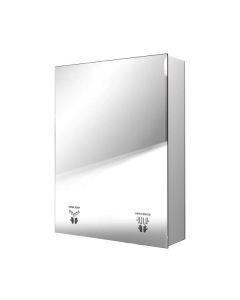
Multifunction mirror for public bathrooms with 900W hand dryer and photocell dispenser. Melamine and safety glass structure.
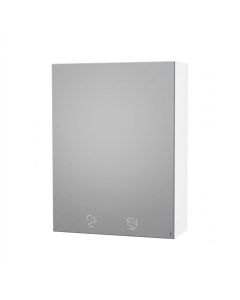
Multifunction mirror 600x800 mm for public bathrooms with no-touch soap dispenser and paper towel dispenser in laminate and glass.
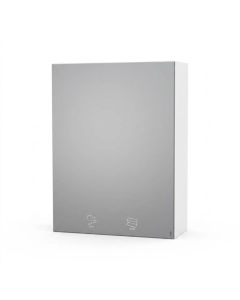
Multifunction mirror 670x800 mm for public restrooms with integrated touch-free soap dispenser and paper towel dispenser.
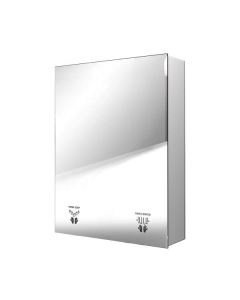
Integrated system for public restrooms 79x16 H90 cm with mirror, 900W hand dryer and photocell dispenser in melamine and glass.
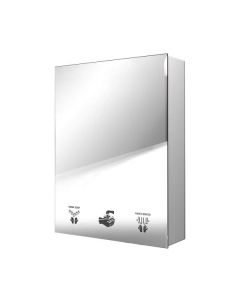
Multifunction mirror 54x16 H72 cm with electronic mixer, 900W hand dryer and photocell dispenser in melamine and glass.
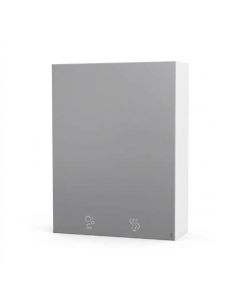
Multifunction 600x800 mm mirror for public bathrooms with electric hand dryer and touch-free soap dispenser in laminate and glass.
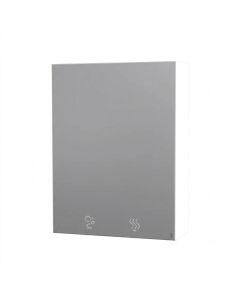
Multifunction mirror 670x800 mm for public bathrooms with electric hand dryer and touch-free soap dispenser in laminate and glass.
The design of high-traffic hygiene areas requires solutions capable of combining structural resistance, maximum hygiene, and optimization of operational spaces. Integrated systems for public restrooms represent the technological evolution of collective services, configured as compact modules capable of centralizing the main hand washing and drying functions. Within commercial, airport, or industrial contexts, the adoption of an integrated approach eliminates the dispersal of accessory elements on the walls, drastically reducing installation times and routine maintenance costs.
These devices, focused on efficiency and footprint reduction, allow for the management of the most intense user flows at a single delivery point, preventing the typical disorder caused by water dripping on the floor or exhausted consumables scattered in the environment. The choice to implement centralized modules responds to the stringent requirements of modern property management protocols, where rapid sanitization and control of water and electricity consumption are determining factors for the overall economic efficiency of the facility.
The integration of washing and drying functions into a single technological block responds to a dual need of a practical and hygienic-sanitary nature. The use of a system that includes the automatic dispensing of water, soap, and hot air allows for zero physical contact with surfaces, drastically reducing the cross-contaminating proliferation of bacteria and viruses in public places. From a structural point of view, the installation of multi-function dispensers prevents water from dripping onto the floor, a frequent phenomenon when the user moves from the sink to the separate dryer, which is the main cause of slips and floor degradation.
The concentration of utilities in a single point significantly reduces the complexity of the underlying plumbing and electrical systems, simplifying site preparation in both new constructions and complex renovations. Facility managers also benefit from a drastic reduction in the time dedicated to daily cleaning, as cleaning a continuous and linear surface requires fewer labor hours compared to sanitizing multiple accessories located on the walls. In terms of energy sustainability, the electronic regulation of flows prevents the waste of resources, ensuring a controlled dosage of soap and water that translates into tangible long-term economic savings.
The management of continuous flows of people within stations, stadiums, or shopping centers requires components capable of withstanding intensive mechanical stress and, in many cases, intentional acts of vandalism. Integrated solutions eliminate the presence of vulnerable protrusions or traditional soap dispensers that can be easily removed or damaged by users. The internal architecture of these systems provides protection for sensitive components within technical compartments that can only be inspected by authorized personnel, reducing downtime due to external failures or tampering.
The user experience is fluid and intuitive for any type of user, including children, the elderly, and people with reduced mobility, fully respecting the universal design criteria applied to contemporary public spaces. The adoption of timed operating cycles and the use of industrial-level infrared sensors guarantee an immediate responsiveness of the system, optimizing the time spent by each user at the station and increasing the overall reception capacity of collective restrooms.
The landscape of integrated systems is divided into various configurations designed to adapt to the specific architectural characteristics of the premises and the type of installation required. Recessed wall modules represent the ideal solution for new construction projects or radical renovations, as they disappear completely behind the wall surface, leaving only the dispensing nozzles visible and preserving the formal cleanliness of the design. Conversely, over-sink integrated systems, often configured as equipped mirrors or functional suspended channels, house the soap tanks and electric dryer motors inside, offering great positioning flexibility without requiring deep structural cutouts in existing walls.
The multi-function dispensers can be made of AISI 304 stainless steel with brushed or satin finishes, materials chosen for their intrinsic resistance to corrosion, chemical detergents, and continuous mechanical wear. There are also variants with finishes in metal alloys treated with PVD technologies, useful where color customization is desired without sacrificing the surface hardness properties indispensable in high-traffic operational contexts.
A further technical distinction concerns the soap supply methods and the type of air drying implemented in the functional block. Some configurations provide for centralized supply systems for liquid or foam soap, in which a single high-capacity tank located in the technical compartment simultaneously feeds up to six or eight distinct washing stations. This architecture reduces refilling times and optimizes the supply of consumables, differing from models with a single tank dedicated to bathrooms with a small number of users.
Regarding the drying component, one can opt for high-speed motor units with integrated HEPA filters that guarantee the delivery of purified air to the hands in less than twelve seconds, or for systems with low acoustic impact suitable for executive offices or medical environments where sound comfort is a priority over pure drying speed. The dimensional limits and the depth of the technical compartments vary according to the chosen model, requiring an accurate preliminary study of the structural dimensions before the installation phase.
The selection of the ideal integrated system must be based on a careful analysis of the estimated traffic volume for the hygiene area and the management specificities of the host facility. In contexts characterized by constant mass influx, such as transport hubs or large exhibition complexes, it is essential to focus on modules equipped with increased thickness anti-vandal housing and remote electronic diagnostic systems. The capacity of the soap tanks and the ease of access to the air filters are priority selection parameters, as they determine the frequency of maintenance interventions by service personnel.
A common mistake lies in underestimating the chemical compatibility of the soap used with the internal pumping mechanisms, an oversight that can cause frequent clogs or the permanent blockage of the dispensing valves. It is fundamental to verify that the operating pressure of the local water network is compatible with the flow reducers integrated in the dispenser, ensuring an efficient water jet but without splashes even in the presence of sudden pressure variations in the building’s general system.
Another critical factor concerns the positioning and installation height of the modules relative to the level of the sinks below, a variable that directly affects the correct interception of flows by the infrared sensors. If the hot air dispenser is positioned too close to the bottom of the basin, there is a risk of lifting water residues and generating annoying turbulence that compromises the hygiene of the washing station. In projects intended for schools or care facilities, the choice must fall on flexible systems that allow remote regulation of water temperature and air flow power, preventing the risk of accidental burns and ensuring maximum accessibility for people with motor disabilities.
The evaluation of the product’s economic life cycle must include not only the initial purchase cost but also the energy efficiency of the drying motor and the actual water consumption per cycle, preferring models with international eco-sustainability certifications that attest to the real containment of energy resources used during daily use.
The installation of integrated systems in public restrooms is subject to strict national and European regulations governing hygiene, electrical safety, and the removal of architectural barriers. The electrical components, in particular the air dryer motors and the electronic boards for sensor management, must have an adequate IP protection rating against the penetration of moisture and water splashes, usually not lower than IP24. Compliance with electromagnetic compatibility directives ensures that the operation of the sensors does not interfere with other electronic equipment present in the building, a mandatory requirement especially within hospital structures or medical analysis laboratories.
The choice of construction materials must meet the requirements for suitability for contact with water intended for human consumption, avoiding the release of heavy metals and ensuring resistance to thermal or chemical shock treatments used periodically for the prevention and control of Legionella bacteria in the centralized water systems of large real estate complexes.
Provisions regarding accessibility prescribe precise mounting heights and minimum distances from wall corners to allow autonomous use by wheelchair users, requiring the absence of sharp protrusions or controls that require mechanical effort or wrist twists to be activated. Automatic infrared systems naturally satisfy these requirements, eliminating the need for manual operation and fitting perfectly into the parameters defined by current laws for premises open to the public.
From the point of view of fire safety, the plastics used for the internal shells and the insulating materials of the wiring must be certified as self-extinguishing and low in opaque and toxic smoke emissions in case of combustion, offering adequate guarantees of structural protection even in emergency situations within premises not constantly monitored by company security personnel.
Explore all products in the category and compare the available solutions to find the one best suited to your operational context.
An integrated system centralizes the functions of dispensing water, liquid soap, and hot air for drying into a single point above the sink. Infrared sensors detect the position of the hands, sequentially activating the different utilities without any physical contact with the bathroom surfaces.
These devices eliminate manual contact, removing cross-contamination between users. Furthermore, integrated drying above the sink prevents water from dripping onto the floors, reducing ambient humidity and the proliferation of bacterial colonies and molds on the facility’s walkable surfaces.
Maintenance includes periodic refilling of the soap tank and cleaning or replacing the HEPA air filters of the drying module. Inspectable technical compartments allow for quick access to solenoid valves and control boards without having to dismantle the external structure of the sink.
Yes, installation on plasterboard walls is possible using specific recessed structural support frames that distribute the static load of the module. It is essential to provide suitable space for housing the water supply pipes, the drain, and the connections to the general electrical network.
Liquid or foam soaps with viscosity certified by the manufacturer of the integrated system must be used. Using unsuitable or too dense soaps can cause blockage of the internal pumps and malfunction of the dispensing valves, increasing extraordinary purging interventions.
Their use is recommended in very high-traffic environments such as airports, railway stations, shopping centers, and schools. They are also excellent in professional offices and medical clinics where hygiene, water saving, and space optimization requirements are priority design constraints for the client.
 English
 Italian
 French
 German
 Spanish