
mon-fri 9-13 / 14.30-18.30
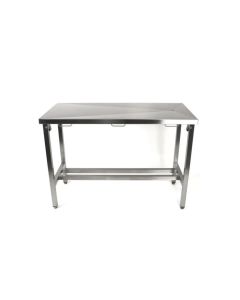
Dismountable stainless steel table with adjustable feet and top with drain. Dimensions: W 130 x D 60 x H 90 cm.
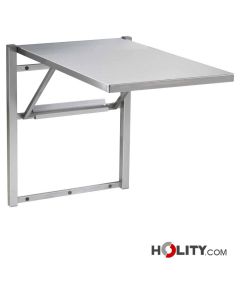
Wall-mounted foldable veterinary examination table. Material: stainless steel. Dimensions: W. 580 x D. 1000 mm.
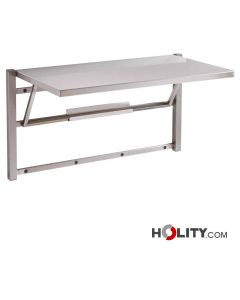
Wall-mounted foldable veterinary examination table. Material: stainless steel. Dimensions: W. 1000 x D. 580 mm.
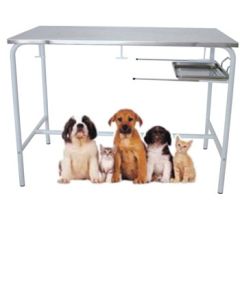
Veterinary examination table with stainless steel top. Dimensions: W120 x D60 x H85 cm.
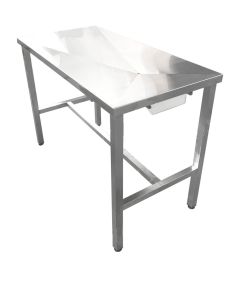
Examination table for veterinary clinics. Capacity: 100 kg. Dimensions: W120 x D60 x H85 cm.
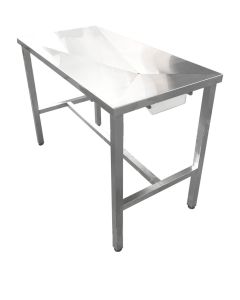
Examination table for veterinary clinics. Material: AISI 304 stainless steel. Dimensions: W130 x D60 x H85 cm.
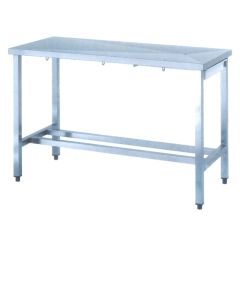
Stainless steel veterinary table. L. 1300 x D. 600 x h. 905 mm. Completely dismountable.
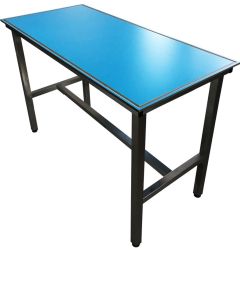
Veterinary examination table with radiolucent top. Material: stainless steel and laminate. Dimensions: W130 x D60 x H87 cm.
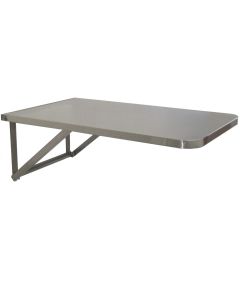
Veterinary examination table for clinics with folding system. Material: stainless steel. Dimensions: W98 x D60 x H3 cm.
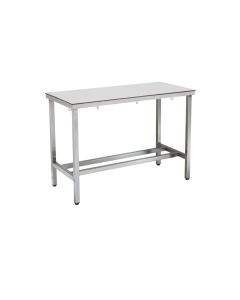
Stainless steel veterinary table with radiolucent top. Dimensions: W 131 x D 61.5 x H 91 cm.
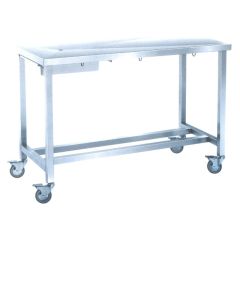
Veterinary examination table with 4 braked wheels. L. 1300 x D. 600 x h. 890 mm.
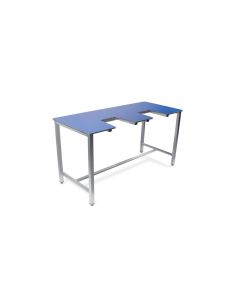
Stainless steel pet grooming table with waterproof phenolic top. Dimensions: W 160 x D 70 x h 85 cm.
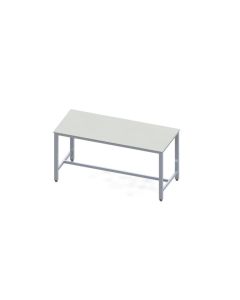
Stainless steel veterinary examination table with water-resistant phenolic top. Dimensions: W 140 x D 60 x h 85 cm.
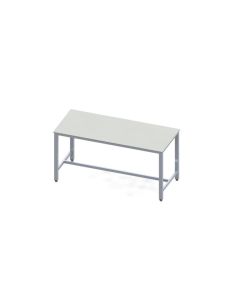
Stainless steel animal examination table with waterproof top, detachable with feet. Dimensions: W 140 x D 70 x H 85 cm.
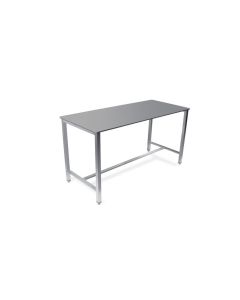
Veterinary examination table in stainless steel with waterproof top and adjustable feet. Dimensions: W 140 x D 60 x H 85 cm.
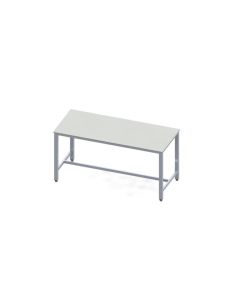
Veterinary table in stainless steel, water-resistant and detachable. Dimensions: W 160 x D 60 x H 85 cm.
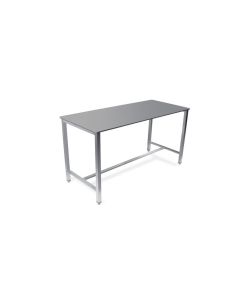
Animal examination table in stainless steel with water-resistant phenolic top, detachable and with feet. Dimensions: W 120 x D 70 x H 85 cm.
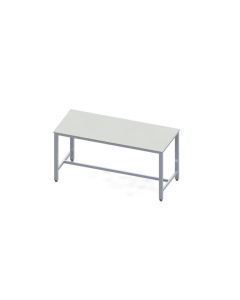
Stainless steel veterinary table with waterproof phenolic top, demountable with feet. Dimensions: L 160 x D 70 x H 85 cm.
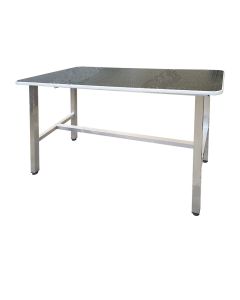
Examination table for veterinary clinics. With anti-slip rubber-coated top. Dimensions: W130 x D60 x H85 cm.
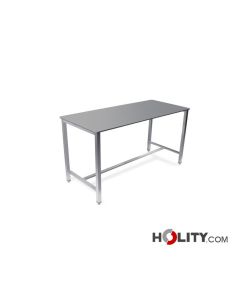
Stainless steel veterinary examination table with phenolic top, water-resistant. Dimensions: W 160 x D 60 x H 85 cm.
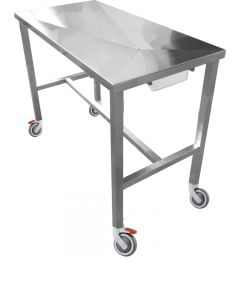
Veterinary examination table with wheels and drainage hole. Capacity: 100 kg. Dimensions: W120 x D60 x H85 cm.
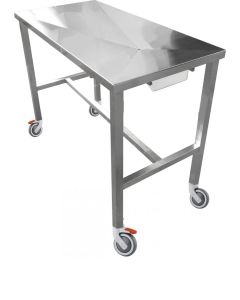
Veterinary surgery table complete with wheels. Material: stainless steel. Dimensions: W130 x D60 x H85 cm.
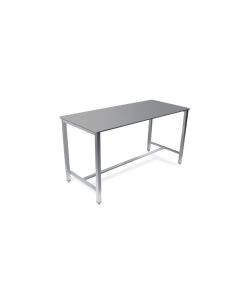
Professional stainless steel veterinary table with water-resistant phenolic top, detachable and with feet. Dimensions: W 140 x D 70 x H 85 cm.
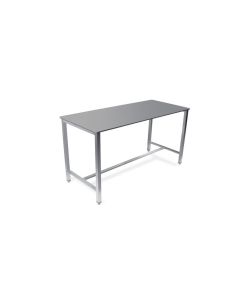
Professional veterinary table in stainless steel with water-resistant phenolic top. Dimensions: W 160 x D 70 x H 85 cm.
Veterinary examination tables are a fundamental element in the setup of veterinary clinics, practices, and hospitals. These are specialized furniture pieces designed to ensure comfort, hygiene, and practicality during clinical visits and procedures on animals of various sizes. These tables must combine structural robustness, ease of sanitization, and operational stability—essential characteristics in environments where hygiene and patient safety are priorities. The choice of an appropriate examination table directly affects the quality of service provided and the well-being of the animal during its stay in the clinic.
A well-selected veterinary examination table offers numerous operational and clinical advantages that reflect on the overall quality of service. Structural stability is essential to ensure safety during the examination of animals that might move or react: a solid structure reduces the risk of accidents and allows the veterinarian to work with greater concentration. Choosing materials such as AISI 304 stainless steel ensures exceptional longevity and resistance to the humid environments typical of veterinary facilities, where frequent washing and sanitization are part of the daily routine.
From a hygiene perspective, modern tables feature continuous surfaces without gaps, easily cleanable tops, and designs that exclude hard-to-clean areas. This feature is crucial for controlling cross-infections and maintaining the health standards required by veterinary regulations. Furthermore, many models include drainage systems for liquids and tops made of antimicrobial materials, which reduce bacterial proliferation between visits.
Ergonomics is another determining factor: tables with adjustable or multiple heights, along with wide surfaces and dedicated support planes, allow the veterinarian to work in correct positions, reducing fatigue during the day. For facilities treating large animals, structural load capacity becomes a critical factor, just as the ease of movement via braked wheels represents an operational advantage in clinics where spaces must be used flexibly.
The range of veterinary examination tables is divided into several categories, each designed for specific operational needs. Standard fixed tables represent the most common solution in small to medium-sized veterinary clinics: made of stainless steel with a steel top, they offer a stable and economical base, available in standardized sizes (typically 120-130 cm long by 60 cm deep) with heights of 85-90 cm. Dismountable tables are a practical variant: they allow for modular configuration and facilitate deep cleaning and relocation, maintaining high hygienic standards. This type is ideal for facilities that require frequent rearrangement of the clinical space.
Wall-mounted folding tables represent a space-saving solution particularly appreciated in practices with limited square footage, as they can be folded away when not in use, freeing up valuable operational area. Mobile tables, equipped with brakes to prevent unwanted movement during the visit, facilitate mobility in multi-story clinics or facilities spread across multiple rooms. Some models incorporate radiotransparent laminate tops, indispensable when the facility performs X-rays on-site without needing to transfer the animal. Tables with phenolic tops or non-slip rubber are ideal for grooming and managing small animals, ensuring a secure grip during handling and reducing accidental skin injuries. Some manufacturers also offer tables with integrated IV poles, a practical solution for procedures requiring fluid therapy simultaneous to diagnostic maneuvers.
Selecting a veterinary examination table requires a thoughtful evaluation of multiple technical and organizational parameters. The first factor concerns the size of the clinical facility and the animal species predominantly treated: a practice that mainly handles small dogs can opt for a compact 120x60 cm table, while a clinic receiving horses or cattle needs larger surfaces and significantly higher structural capacities. Height is an often underestimated but critical element for operator ergonomics: standard 85 cm tables are suitable for doctors of average height, but facilities with tall staff should consider 90 cm models or higher.
The material of the top deserves particular attention in relation to the type of work performed: a pure stainless steel top represents the most hygienic choice for standard medical visits and diagnostic procedures, thanks to the material's intrinsic antimicrobial properties. However, for clinics where grooming or styling constitutes a significant part of the service, a waterproof phenolic top offers better grip for the animal and facilitates liquid management. The declared structural load capacity (frequently 100 kg for standard models) must be verified in relation to the average weight of the animals managed, with a safety margin. For very active facilities, the possibility of disassembly facilitates deep sanitization and extends the product's useful life. Finally, evaluating whether the facility has spaces dedicated to radiological or diagnostic imaging procedures can guide the choice towards models with radiotransparent tops, avoiding animal transfers that cause stress and risk of clinical worsening.
Veterinary examination tables must comply with a series of technical and hygienic regulations that vary slightly by jurisdiction but maintain common principles focused on safety and hygiene. In Europe, the main regulatory reference is the UNI EN ISO 10534 standard, which specifies safety requirements for medical furniture, including stability, load capacity, and resistance to chemical sanitizing agents. The regulation requires the structure to be able to withstand lateral and vertical stresses without failure, with significant safety margins relative to the declared load. For veterinary environments, materials in contact with the animal must be non-toxic and compatible with common disinfectants such as alcohol, diluted chlorine, and hydrogen peroxide—properties intrinsic to AISI 304 stainless steel.
From a health and hygiene standpoint, guidelines from the Veterinary Medical Association and local health authorities prescribe that operating tables in veterinary environments must feature continuous surfaces, free of sharp edges and cavities where pathogens, bacteria, and organic residues could accumulate. Joints must be welded and not screwed, to prevent corrosion and microbial colonization in crevices. If the table incorporates wheels, these must be equipped with reliable braking systems and built from easily sanitizable materials. Recently, hygiene and biosafety guidelines increasingly require tables to be equipped with integrated drainage systems to avoid stagnation of biological liquids, which constitute a source of cross-contamination between successive patients. CE certification and manufacturer technical documentation (technical sheets, maintenance manuals) represent essential elements to ensure regulatory compliance and traceability.
Explore all products in the category and compare the available solutions to find the one best suited to your operational context. Each model is designed to meet specific clinical needs, from simple diagnostic visits to specialized procedures.
The standard height is 85-87 cm, optimal for doctors of average height during clinical examinations. Professional models offer 90 cm heights or adjustable supports. The choice depends on the operator's height and frequency of use: incorrect heights cause muscle fatigue and prolonged poor posture over time.
AISI 304 stainless steel is the gold standard: resistant to disinfectants, non-porous, naturally antimicrobial, and free of bacterial accumulation zones. Waterproof phenolic is ideal for grooming due to superior grip but is less durable in the long term compared to stainless steel and requires periodic top replacement.
Fixed tables guarantee maximum stability at a low cost, ideal for stable clinics. Dismountable tables allow for deep hygiene and spatial reorganization, useful in advanced facilities. Mobile tables on wheels offer operational flexibility in multi-story environments. The choice reflects the size of the clinic and the adopted sanitization protocols.
A large dog (30-40 kg) requires a table with a minimum load capacity of 100 kg, the industrial standard for veterinary use. Facilities treating giant breeds or wild animals should consider 150-200 kg. A safety margin is fundamental to avoid failure during diagnostic maneuvers or sudden animal movements.
A radiotransparent laminate top is indispensable if the clinic performs on-site X-rays, avoiding stressful animal transfers. It increases cost by 15-20% but is a strategic investment for clinics with internal radiological services and frequent diagnostic imaging needs during visits.
After each use: mechanical removal of organic residues, washing with neutral detergent and water, drying with a microfiber cloth. Weekly sanitization: diluted chlorine-based disinfectant (hypochlorite) or 3% hydrogen peroxide. Stainless steel tolerates 70% alcohol well, which is not recommended for phenolic. Avoid abrasive brushes on polished surfaces.
Yes, professional models have wall anchors and locking mechanisms that guarantee total stability once opened, with a load capacity identical to fixed tables (100 kg standard). They are effective for practices up to 50 sqm but not suitable for facilities with a high visit frequency where multiple simultaneous stations would be needed.
A well-maintained AISI 304 steel table lasts 15-20 years in veterinary environments with daily sanitization. Phenolic tops have an average life of 8-10 years before requiring replacement. Regular maintenance (annual bolt check, mechanism lubrication) significantly extends structural longevity.
 English
  Italian
 French
 German
 Spanish