
mon-fri 9-13 / 14.30-18.30
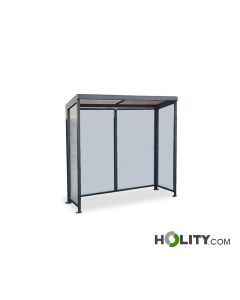
Urban bus shelter in steel and UV polycarbonate, transparent sides. Dimensions: W 250 x D 80 x H 220 cm.
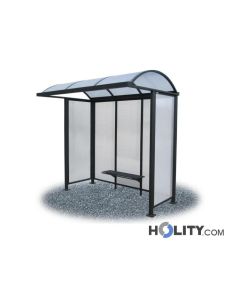
Urban furniture shelter with smoked-colored cellular polycarbonate roof. CE-certified shelter according to the UNI EN 1090-1:2012 standard.
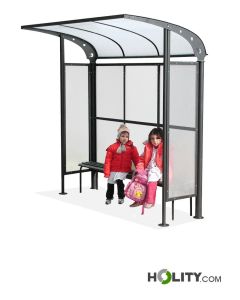
Bus shelter to provide cover for passengers waiting at bus stops. Gutter. Galvanized steel structure. Polycarbonate roof. Length: 227 cm
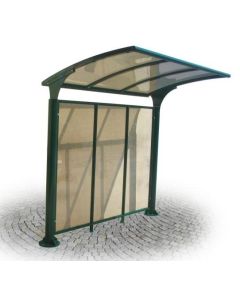
Open bus shelter for bus stops in galvanized steel. Dimensions cm 250 x 154 x 260 h.
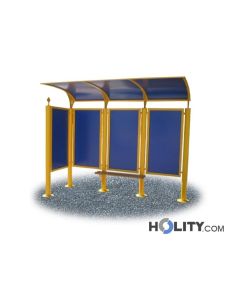
Bus waiting shelter made of galvanized steel tube with cantilever roof in steel sheet. Anchoring: flush with the ground. Dimensions: 296 x 153 x h.266 cm.
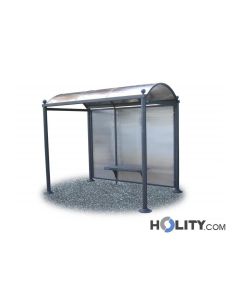
Bus waiting shelter with 100 cm bench in galvanized tubular steel. Smoked honeycomb polycarbonate roof. Dimensions: 269 x 173 x h.254 cm.
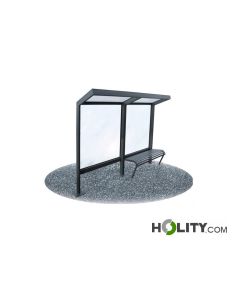
Bus stop shelter with roof equipped with a bench. Dimensions: W.310 x D.70 x H.220 cm approx.
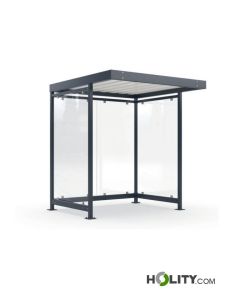
Hot-dip galvanized steel shelter with RAL 7016 trapezoidal sheet roof. Dimensions: W 216.5 x D 208 x H 251 cm.
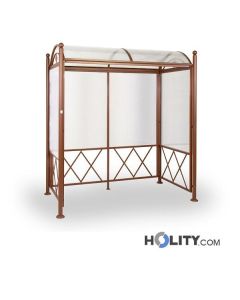
Galvanized steel bus stop shelter. Available in several colors. Dimensions: W227 x D117 x H245 cm
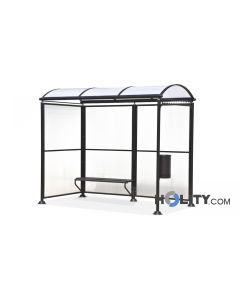
Bus stop shelter. Equipped with waste bin, galvanized steel bench and polycarbonate roof. Length: 314 cm
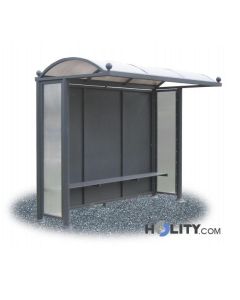
Urban furniture bus shelter with alveolar polycarbonate roofing. Designed to be bolted to the ground. Color: anthracite grey. Made in Italy.
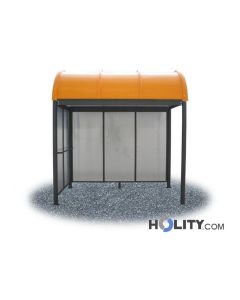
Shelter in round galvanized steel tube with multilayer fiberglass roof. Anchoring: ground level. Dimensions: L.280 x D.188 x h.280 cm.
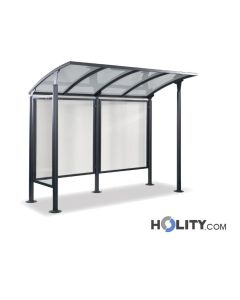
Bus waiting shelter with roof h350_87 Dimensions in cm: 295x106x234 h
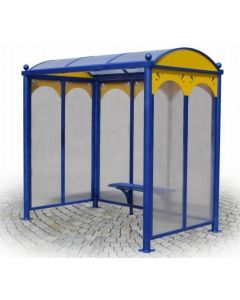
Bus stop shelter in galvanized steel. Dimensions 250 x 150 x 254 h cm.
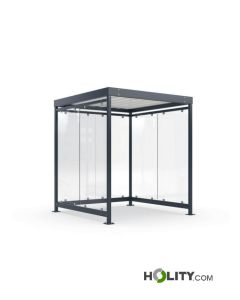
Galvanized steel shelter with trapezoidal roof RAL 7016. Dimensions: W 216.5 x D 216.5 x H 251 cm.
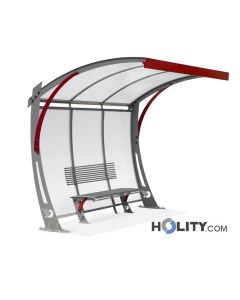
Cantilevered bus shelter for urban furniture. Dimensions: 321x192x246H cm.
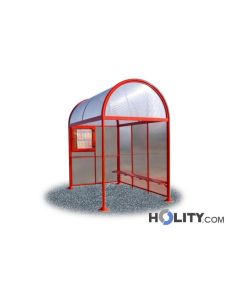
Bus stop shelter in round tubular steel with polycarbonate roof. Dimensions: W.280 x D.188 x h.280 cm. Supplied in assembly kit.
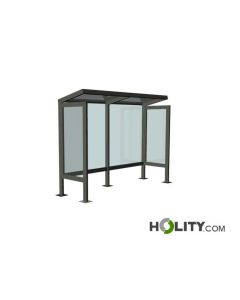
Bus waiting shelter with cantilevered roof and side walls. Dimensions: W.310 x D.90 x H.220 cm approx. Anchoring: flush to the ground.
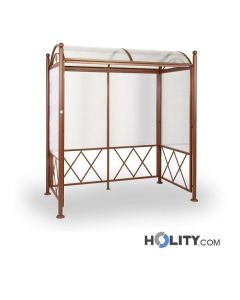
Bus stop shelter for urban furniture. Material: metal and polycarbonate. Dimensions: W280 x D150 x H245 cm.
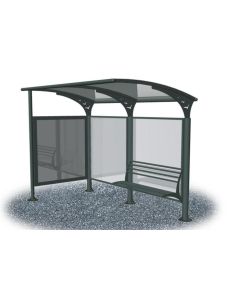
Bus stop shelter with steel bench. Dimensions (cm) 260 x 150 x 250 h.
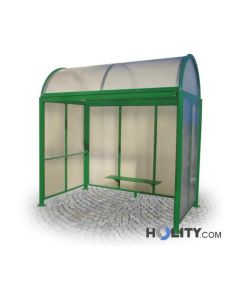
Bus waiting shelter complete with support handrail on the inside and 100 cm hanging bench. Anchoring: floor level. Italian product.
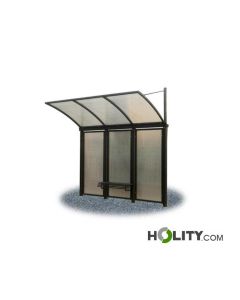
Modern urban furniture bus shelter with alveolar polycarbonate roofing equipped with a 100 cm bench. Dimensions: L.325 x W.166 x h.300 cm. Made in Italy.
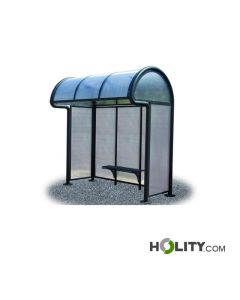
Bus waiting shelter with transparent shatterproof alveolar polycarbonate roof. Anchoring: to be buried. Dimensions: W.269 x D.150 x h.280 cm.
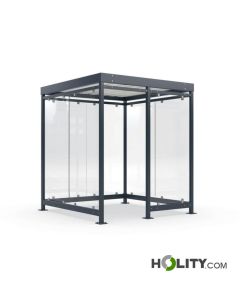
Hot-dip galvanized steel shelter with trapezoidal metal sheet roof RAL 7016. Dimensions: W 216.5 x D 216.5 x H 251 cm.
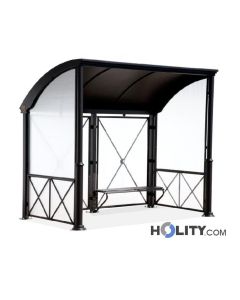
Metal bus shelter with side walls for bus stops. Dimensions: 321x181x262h.
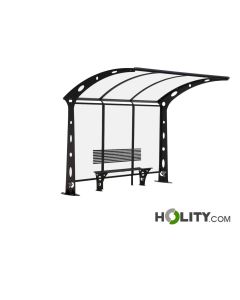
Bus waiting shelter for urban furniture. Dimensions: W.319 x D.204 x h245 cm. Material: galvanized sheet metal and polycarbonate.
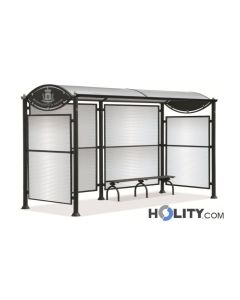
Bus waiting shelter with bench, made of galvanized steel. Dimensions: 434x181x245H cm.
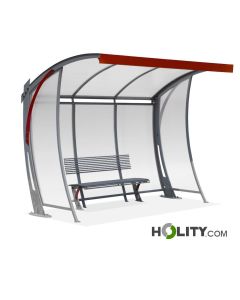
Bus stop shelter with bench. Dimensions: L. 321 x D. 192 x h. 246 cm.
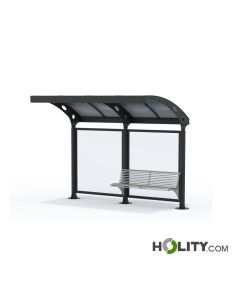
Sturdy galvanized steel shelter with polycarbonate roof. Dimensions: W 328 x D 184 x H 241 cm.
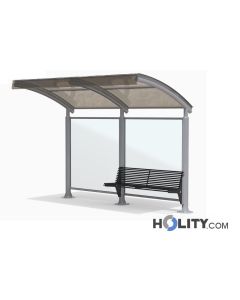
Bus waiting shelter with cantilevered supporting structure in galvanized steel. Dimensions: L.321 x D. 180 x h.250 cm.
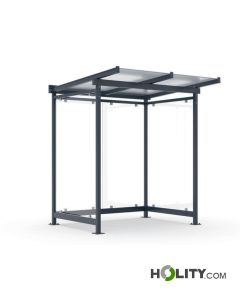
Steel shelter with safety glass and single-pitch roof. Dimensions: L 223 x D 151 x H 260 cm.
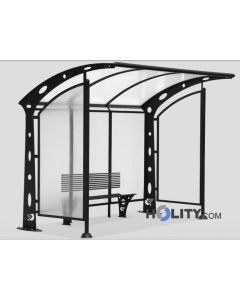
Bus stop shelter with side walls.. Galvanized steel structure and bench. Opaque alveolar polycarbonate roof. Length 319 cm.
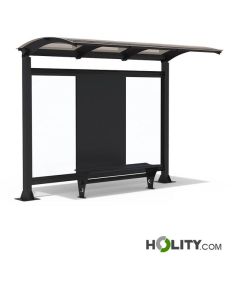
Galvanized steel bus shelter, with bench. Dimensions: W.321 x D. 151 x h. 243 cm.
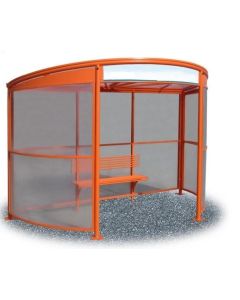
Bus shelter made of round galvanized steel tubing. Front opening. Dimensions (cm) 350 x 180 x 230 h.
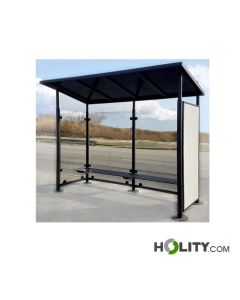
Galvanized steel bus waiting shelter with glass panes. L.300xW.150xh.254 cm
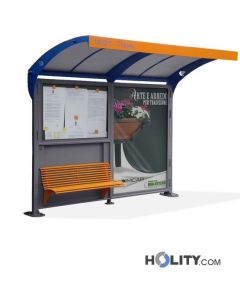
Metal bus shelter with space for advertising panel and notice board for inserting communications, notices and schedules. Dimensions: W312 x D177 x H264 cm
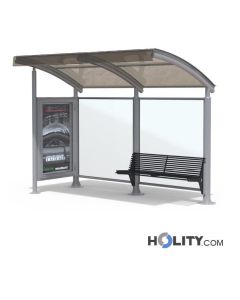
Bus wait shelter with bench and space for advertising panel. Dimensions: W321 x D180 x H250 cm
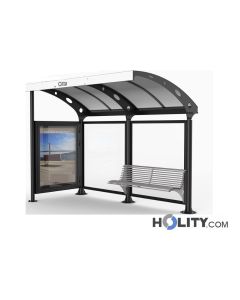
Bus waiting shelter in galvanized steel with 220 V. 50 Hz. lighting system.
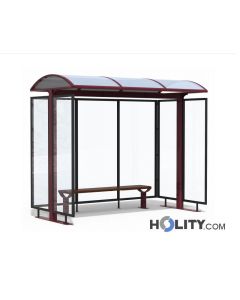
Bus shelter for urban furniture. Dimensions: H257x305x154
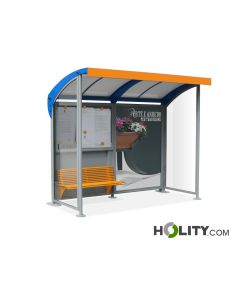
Bus stop shelter with honeycomb polycarbonate roof. Structure: galvanized steel. Dimensions: W. 312 x D. 177 x h. 264 cm.
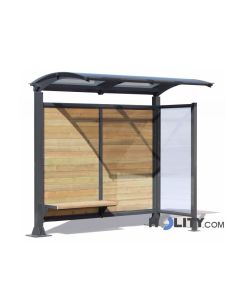
Shelter for public spaces in steel and wood. Dimensions: 321x151x243H cm.
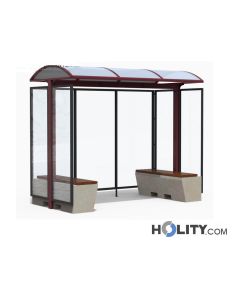
Self-supporting bus shelter with concrete base and wooden slats as seating.
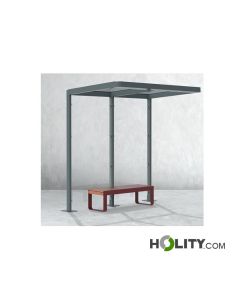
Bus stop shelter with galvanized steel structure and laminated glass roofing. Equipped with an internal bench, integrated lighting, and anti-corrosion treatments. Dimensions: W 252 x D 168 x H 253 cm.
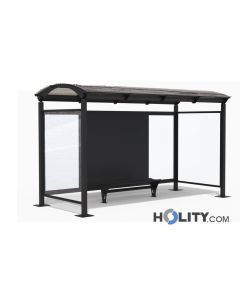
Bus shelter for bus waiting with side walls and bench. Color: gunmetal grey. Dimensions: L. 419 x D. 200 x h. 252 cm
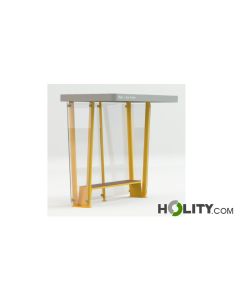
Bus stop shelter for urban furniture in galvanized steel. Dimensions: 300 x 155 x 260h cm.
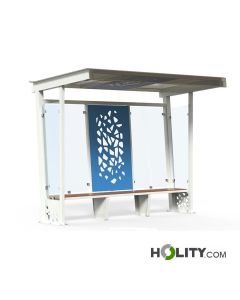
Bus stop shelter with wooden bench. W.315xD.175xH.250 cm
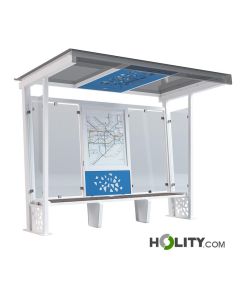
Bus stop shelter with notice board. Dimensions: W. 311 x D. 172 x H. 250 cm.
Modular urban shelter with galvanized steel structure and laminated glass, equipped with an information board, internal bench, and integrated lighting. Dimensions: W 367 x D 168 x H 253 cm.
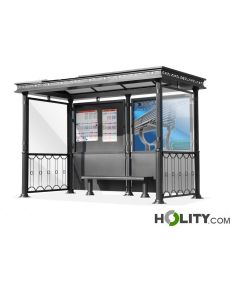
Bus shelter with bench and notice board for posters. Galvanized steel.
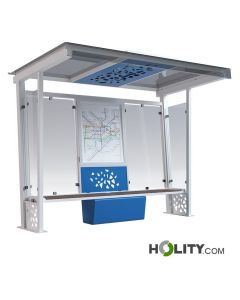
Bus stop shelter with notice board. Dimensions: W. 311 x D. 172 x H. 250 cm.
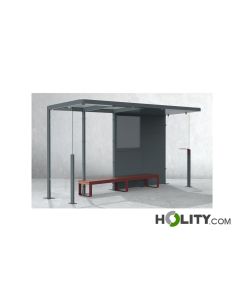
Modular bus stop shelter with a galvanized steel structure and laminated glass roof. Equipped with an information board, internal bench, and integrated lighting. Dimensions: L 482 x D 168 x H 253 cm.
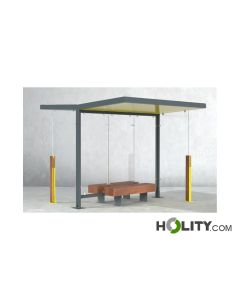
Double shelter for bus stops with double-sided structure in galvanized steel and solid polycarbonate roof. Equipped with internal bench, LED lighting and laminated safety glass cladding. Dimensions: L 322 x W 304 x H 254 cm.
Bus waiting shelters represent a fundamental element of modern street furniture, designed to offer shelter and comfort to users of local public transport. These structures are not simple canopies, but complex engineering works that must resist adverse atmospheric agents, vandalism, and prolonged wear over time. Their main function is to define a protected space, improving the urban mobility experience and making waiting for public transport a less burdensome moment for citizens and tourists. The design of a shelter requires a deep knowledge of construction materials and pedestrian flow dynamics to ensure that integration into the city context is harmonious and functional.
The adoption of certified structures complying with the highest quality standards ensures that every stop becomes a safe and accessible landmark, significantly contributing to the perceived efficiency of municipal services. In this section, we will explore the different technical configurations, from models with tempered glass walls to variants equipped with integrated accessories such as benches and notice boards, analyzing the criteria necessary for a long-term investment in the public and private sectors.
The integration of quality shelters within a public transport network is a strategic investment that goes far beyond simple protection from the rain. Choosing professional structures means guaranteeing the safety of users through the use of certified materials such as galvanized steel and shatterproof glass, which minimize the risk of accidents in case of accidental impacts or extreme weather events. The presence of adequate shelter encourages the use of public transport, as it reduces the perception of waiting time and protects from wind, direct sun, and precipitation, creating a more welcoming and livable urban environment for all age groups.
Beyond physical protection, these structures perform an essential communicative task, acting as an information hub where it is possible to consult timetables, maps, and institutional communications in an orderly and protected way. From a maintenance point of view, opting for shelters built with advanced anti-corrosion treatments drastically reduces long-term management costs, avoiding the aesthetic and structural deterioration typical of low-quality products. In industrial or corporate contexts, these installations prove equally useful for protecting staff during entry and exit shifts, demonstrating particular attention to employee welfare and the logistical organization of outdoor spaces.
The landscape of bus waiting shelters is extremely diversified, with solutions that vary based on modularity and the materials used for the roof and side walls. The most common variants include load-bearing frames in anodized aluminum or hot-dip galvanized steel, chosen for their inherent resistance to oxidation in high-salinity or urban pollution environments. As for the cladding, the use of laminated safety glass offers complete visibility, increasing the sense of security perceived by users, while alveolar or compact polycarbonate is preferred where greater impact resistance and more marked solar protection are needed thanks to anti-UV treatments.
Many configurations include integrated accessories that transform a simple canopy into a complete rest station: we are talking about models equipped with metal or wooden benches, coordinated waste bins to maintain the decorum of the area, and protected notice boards for viewing transport lines. There are also “slim” versions designed specifically for narrow sidewalks, where the footprint must be minimized without sacrificing coverage, and modular versions that allow multiple elements to be placed side by side to cover high-traffic stops, such as those located near railway stations or school hubs, always ensuring aesthetic and functional continuity.
The selection of the ideal shelter must start from a careful analysis of the installation area and the expected volume of pedestrian traffic during peak hours. A common mistake is to underestimate the wind exposure of the structure: in open or coastal areas, it is essential to opt for models with reinforced side windbreak walls and ground fixing systems using certified anchor bolts that guarantee static stability. It is necessary to evaluate whether the stop requires an integrated notice board or if the space allows for the insertion of a bench, a fundamental element to guarantee accessibility for the elderly or those with reduced mobility who may have difficulty enduring prolonged waits standing up.
Another critical factor concerns resistance to vandalism and ease of cleaning, especially in densely populated urban contexts where the risk of graffiti or breakage is higher. In these cases, tempered glass or steel with anti-graffiti powder coating represents the most forward-looking choice, as they allow for the restoration of decorum in a short time and at low cost. It is also essential to consider the color and design of the shelter, so that it does not appear as an alien element to the surrounding urban landscape, but integrates perfectly with other furniture elements such as lighting poles, barriers, and bollards already present in the territory.
Bus shelters must meet rigorous technical compliance criteria, including regulations regarding resistance to snow loads and wind pressure, fundamental parameters for obtaining approval for installation on public ground. Each structure must be accompanied by a technical report certifying its structural solidity according to current standards (such as Eurocodes for steel structures). Furthermore, it is essential that the design takes into account the removal of architectural barriers, ensuring that the space under the cover is sufficient for wheelchair maneuvers and that there are no sharp edges or dangerous obstacles for the blind or visually impaired.
From the point of view of electrical safety, if the shelter includes the integration of LED lighting systems or digital information displays, all components must be CE certified and possess an IP protection rating suitable for outdoor environments (usually IP65 or higher) to prevent water infiltration and short circuits. Material compliance is equally important: the glass must be of the safety type, so that, in case of breakage, it fragments into non-sharp pieces so as not to pose a danger to passers-by. Finally, compliance with minimum distances from the roadside is a regulatory requirement imposed by the Highway Code to ensure the safety of vehicular traffic and passengers during boarding and alighting from public transport.
Explore all the products in the category and compare the available solutions to find the one best suited to your operational context.
The excellence materials for the construction of shelters are hot-dip galvanized steel and anodized aluminum for the supporting structure, as they offer superior protection against corrosion. For the walls, tempered safety glass ensures transparency and impact resistance, while polycarbonate is ideal for roofs requiring lightness and protection from solar rays.
Yes, most professional structures are designed with a modular system that allows for the length of the cover to be extended by adding successive spans. This system allows the shelter to be adapted to both small stopping spaces and large transport hubs, ensuring continuous protection for a high number of waiting users.
Modern shelters can be equipped with various accessories to improve the service. Among the most requested are integrated benches with wood or steel seating, poster notice boards for schedules, coordinated waste bins, and LED lighting systems, useful for increasing safety and visibility at night.
Fixing usually takes place by connecting the base plates of the uprights to a pre-existing concrete foundation. High-resistance steel anchors or anchor bolts are used to ensure the structure can withstand mechanical stresses from wind and atmospheric loads, respecting the static calculations provided by the project.
Routine maintenance mainly consists of periodic cleaning of glass surfaces and metal structures to remove smog and atmospheric deposits. It is advisable to carry out semi-annual checks on the tightening of bolts and verify the integrity of the seals to ensure that the shelter’s function of protecting against water infiltration remains unchanged over time.
To optimize transport costs and facilitate on-site installation, shelters are usually shipped in assembly kits complete with all necessary components and technical instructions. Assembly requires qualified personnel to ensure correct alignment of the modules and perfect stability of the structure once anchored to the ground.
Tempered glass is preferred for its elegance, ease of cleaning, and scratch resistance, making the shelter less subject to aesthetic degradation. Polycarbonate is instead a much lighter and more flexible thermoplastic material, with extremely high impact resistance, ideal for curved roofs or areas where the risk of accidental breakage is very frequent.
 English
  Italian
 French
 German
 Spanish