
mon-fri 9-13 / 14.30-18.30
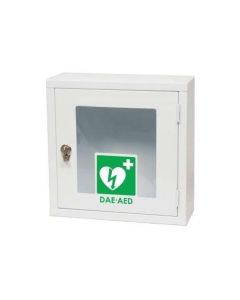
AED cabinet h104305 in galvanized P02 carbon steel sheet, White RAL 9010 finish. Dimensions: W 42.5 x D 18 x H 42.5 cm, equipped with a windowed door.
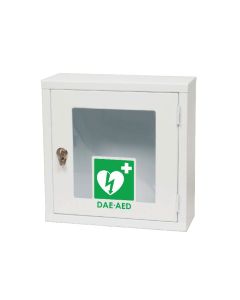
Protective cabinet h104306 for AED defibrillator in White RAL 9010 galvanized P02 carbon steel. Dimensions: W 42.5 x D 42.5 x H 18 cm, equipped with windowed door.
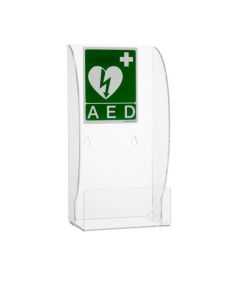
Wall-mounted perspex cabinet for AED defibrillators, 24x15x46 cm, complete with mounting kit and stickers.
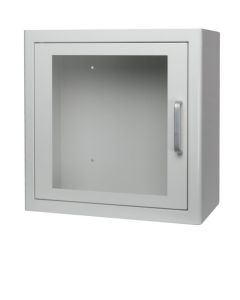
Painted metal cabinet for AED, dimensions W38×D20×H38 cm, available in white/green, for office and public space installation.
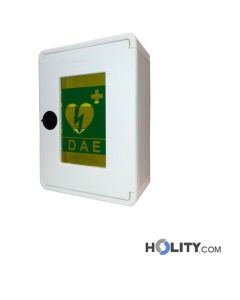
Polypropylene cabinet for AED defibrillator, 370×515×195 mm, with sealable door and removable shelves.
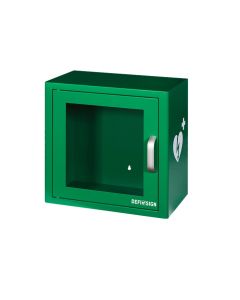
Green steel cabinet for defibrillator with 100 dB magnetic alarm and wall mounting. Indoor use.
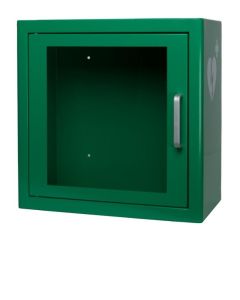
Painted steel cabinet for defibrillator, 38×20×38 cm, with 105dB acoustic alarm, white or green.
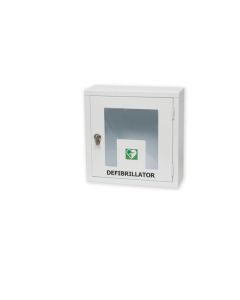
Pack of 2 pieces
€218.48 VAT excl.Metal cabinet for AED defibrillator, wall or floor stand mounting, indoor use. 42.5×16×h42.5 cm, white color.
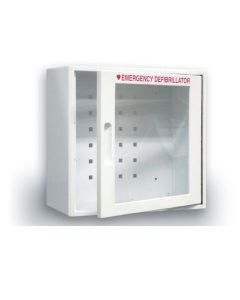
Indoor defibrillator cabinet with integrated sound alarm, quick front opening, dimensions 34x33.5x18 cm.
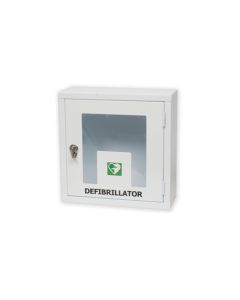
Metal cabinet for AED defibrillators, indoor use with 100 dB acoustic alarm, 9V battery and 230V temperature control.
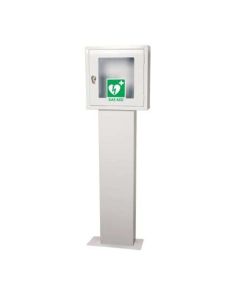
Stand with defibrillator cabinet h1043_63 in RAL9010 white galvanized carbon steel. With windowed door and pre-drilling for cable routing.
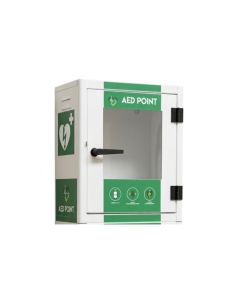
Professional cabinet h104307 for housing indoor and outdoor defibrillators (AED), color White RAL 9010. Dimensions: W 42 x D 21 x H 48 cm. Weight: 7 kg.
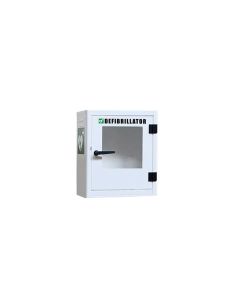
AED cabinet in electro-galvanized carbon steel, 42x21x48 cm, for indoor and outdoor use with plexiglass door and gasket.
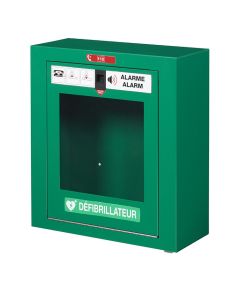
Defibrillator cabinet in recyclable metal, mint green, front opening, 100 dB acoustic alarm. Dimensions 380x160x420 mm.
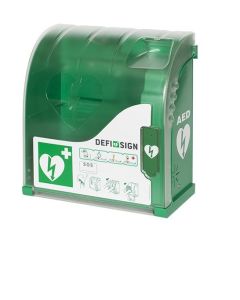
Wall-mounted AED cabinet with lighting, alarm and anti-theft seal. ABS and polycarbonate material, dimensions 388x201x423 mm.
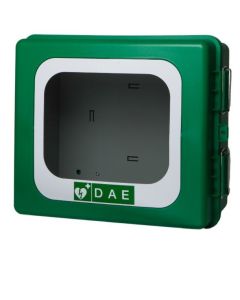
Outdoor AED cabinet made of shockproof waterproof polystyrene with 105dB acoustic alarm. Dimensions 40x20x34 cm, stainless steel hinges, weather protection.
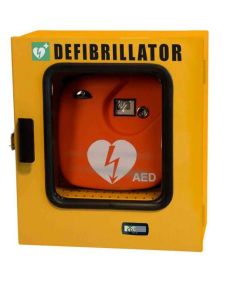
Pack of 2 pieces
€504.40 VAT excl.Outdoor carbon steel P02 cabinet, 425x215x480 mm, IP44, adjustable shelf, shockproof and anti-corrosion hinges.
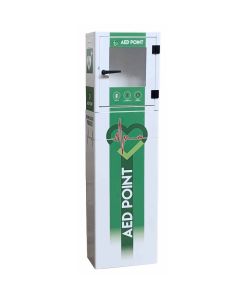
Cardio-protected totem complete h104308 consisting of inspection cabinet (420x210x480 mm) and vertical support stand (420x210x1000 mm) in high-resistance electro-galvanized steel, White RAL 9010 color.
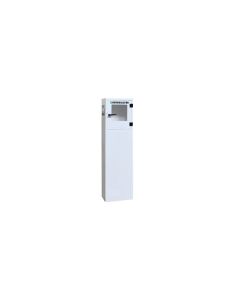
Self-supporting white stand with cabinet for defibrillator in electro-galvanized steel, height 100 cm, floor fixing and cable passage compartment.
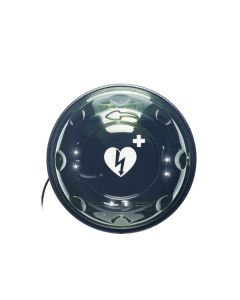
AED cabinet in UV-resistant polycarbonate, Ø 48 cm. Round rotating design with integrated alarm for quick and safe access.
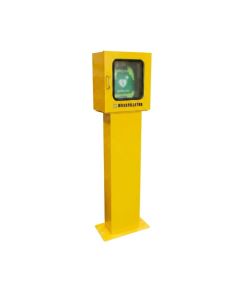
Outdoor pedestal with cabinet for defibrillator h1043_64 in RAL 1021 yellow galvanized steel. Waterproof and airtight system equipped with a 105 dB anti-theft alarm siren.
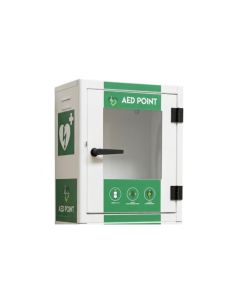
Technological cabinet h104309 for AED defibrillator for outdoor and indoor use, color White RAL 9010. Dimensions: W 42 x D 21 x H 48 cm. Weight: 7 kg.
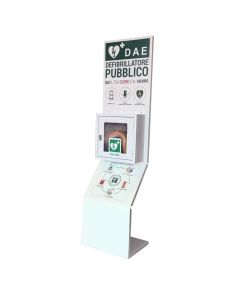
White metal totem with defibrillator cabinet h1043_61 in carbon steel. Suitable for indoors and outdoors. Dimensions: 38 x 50 x H 190 cm.
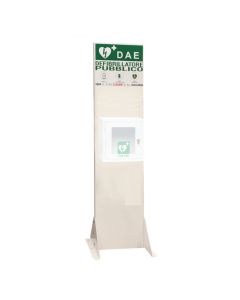
Metal display totem with defibrillator case h1043_62 in white steel for indoor and outdoor use. Dimensions: 500 x 50 x H 2000 mm.
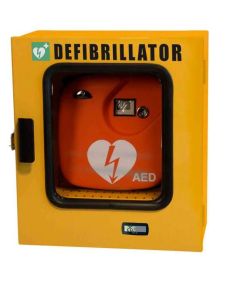
P0&sub2; carbon steel cabinet for defibrillator, IP44, thermoregulated +5°C/+20°C, 425x215x480 mm, adjustable shelf.
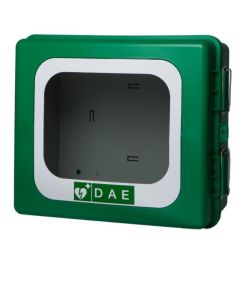
Outdoor AED cabinet in shockproof polystyrene, waterproof and dustproof, with acoustic alarm and heating down to -45°C.
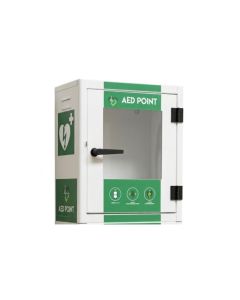
High-end climatized cabinet h104311 for outdoor and indoor AED defibrillators, White RAL 9010 color. Dimensions: W 42 x D 21 x H 48 cm. Weight: 7 kg.
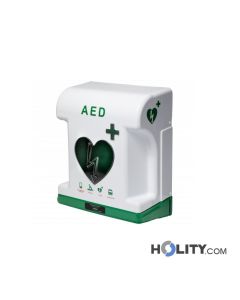
Defibrillator cabinet H567_31 in high-resistance material, 43x50.4x21.4 cm, IP55 temperature-controlled with quick push-button opening and alarm.
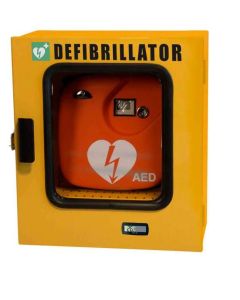
P02 carbon steel cabinet for defibrillator with IP44 protection, thermoregulation, magnetic anti-theft and 100 dB alarm. Dimensions 425x215x480 mm.
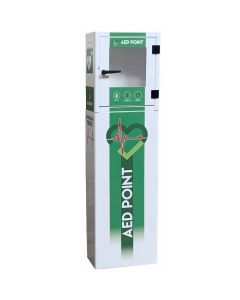
Vertical and high-tech h104310 rescue station (Free-Standing) consisting of an upper cabinet (420x210x480 mm) and coordinated pedestal (420x210x1000 mm) in RAL 9010 White electro-galvanized steel.
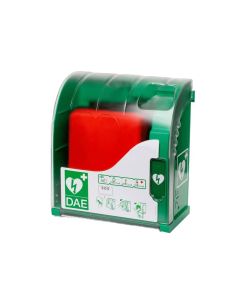
AED cabinet in ABS and polycarbonate, 38.8x42.3 cm. Active thermal protection down to -20°C with adjustable alarm and ventilation.
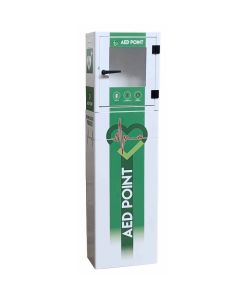
Road and technological totem h104312 (Free-Standing) composed of a high-end climate-controlled cabinet (420x210x480 mm) and a vertical support stand (420x210x1000 mm) in White RAL 9010 electro-galvanized steel.
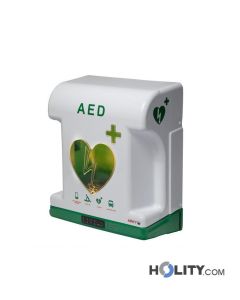
AED cabinet H667_15 with a robust structure, dimensions 43x21.4x50.4 cm, IP55 rating, and active thermoregulation system for outdoor use.
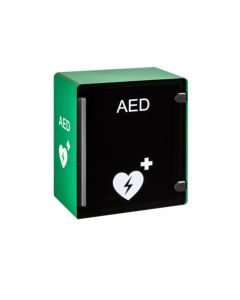
Professional outdoor cabinet h454_18 in stainless steel for defibrillator (AED). Equipped with heating system, mechanical ventilation, acoustic alarm, and UV filter.
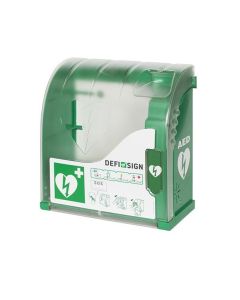
External heated cabinet for AED defibrillator in ABS and polycarbonate, with audible alarm and day/night lighting. Tested from -20° to +60°C.
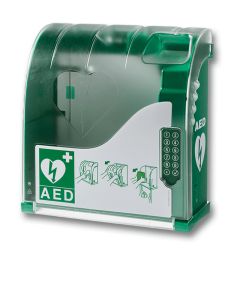
Outdoor defibrillator cabinet in ABS and polycarbonate, 38.8 × 20.1 × 42.3 cm, with lighting, audible alarm, thermal protection and PIN option.
Defibrillator cabinets represent a fundamental component in the implementation of effective first aid systems in any public or private facility. These protection and storage devices ensure that automated external defibrillators (AEDs) remain accessible, functional, and protected from atmospheric agents, thermal variations, and any accidental damage. The choice of the right cabinet directly affects the operational availability of the defibrillator and the speed of response in the event of a cardiac emergency. Construction quality, strategic positioning, and regulatory compliance are critical aspects for ensuring effective life protection, transforming the cabinet from a simple container into a strategic component of the chain of survival.
A dedicated cabinet offers multifunctional protection that goes beyond simple physical housing of the defibrillator. Indoor and outdoor environments present very different challenges: humidity, dust, extreme temperatures, and UV radiation can compromise the electronic functionality of the device, reducing reliability when it is truly needed. The best defibrillator cabinets combine resistant materials with thermal insulation systems and UV protection, ensuring that the AED maintains its performance even in critical climatic conditions. Furthermore, the visibility guaranteed by transparent cases or cabinets with integrated lighting allows for immediate localization of the device, a decisive factor when every second counts in a cardiac emergency situation.
In addition to physical protection, modern cabinets integrate intelligent features such as acoustic and visual alarms that activate upon opening, heating systems for freezing environments, and mechanical ventilation to prevent internal condensation. Design versatility allows for installation on walls, on stands, or in public contexts such as stations, airports, and shopping centers, where visibility and accessibility are regulatory prerequisites. The choice of an appropriate cabinet does not represent an additional cost, but rather an investment in operational continuity and the civil liability of the facility towards its users, patients, or visitors.
The catalog of defibrillator cabinets is divided into various construction types, each responding to specific usage contexts. Perspex or plexiglass cabinets represent the entry-level solution, ideal for controlled environments with a low risk of physical aggression: lightweight, transparent, and economical, they guarantee total visibility of the internal device and simple maintenance. Polypropylene cabinets offer a compromise between cost-effectiveness and resistance, suitable for standard indoor premises such as offices, gyms, and hospitality facilities. For more demanding applications, cabinets made of sheet steel with epoxy paints or stainless steel guarantee extreme durability, scratch resistance, and total protection from external aggressions, although they require more maintenance to avoid corrosive processes.
A further parameter of differentiation concerns the intended use: indoor cabinets favor lightweight materials and white or colored finishes, consistent with the aesthetics of public spaces; outdoor ones necessarily incorporate advanced climate protection with an IP55 protection rating or higher, thermal insulation, and thermal compensation systems. Circular cases represent a category of their own, characterized by intuitive access and an ergonomic design that facilitates rapid removal of the AED. Some professional models integrate advanced sensors for remote monitoring of battery status, internal temperature, and seal integrity, providing predictive control over the device’s availability.
Choosing the correct cabinet depends primarily on the joint evaluation of three critical variables: geographical location and local climate, context of use (indoor, outdoor, exposed to vandalism), and specific regional or corporate regulations. For a hospital or healthcare facility in a temperate zone, a white metal indoor cabinet with integrated lighting often represents the optimal solution, guaranteeing durability, hygiene, and visibility. For outdoor sports facilities in mountainous or coastal areas, where temperatures drop below zero or humidity is high, an outdoor cabinet with integrated heating, active thermoregulation, and condensation drainage is essential. The criterion of “functional simplicity” rarely represents an advantage: opting for a technically oversized cabinet reduces the risk of malfunctions due to undersizing relative to real environmental factors.
Recurring errors in selection include overestimating the required robustness (installing a heavy-duty outdoor cabinet in a climate-controlled office impacts costs and complexity unnecessarily), underestimating extreme climatic factors (forgetting that scorching summers or freezing winters require thermal compensation systems), and negligence toward specific technical standards such as the minimum distance from sources of humidity or the prohibition of installation in environments with an explosive atmosphere. Consulting the technical data sheets regarding operating temperature ranges, IP protection ratings, and CE certifications represents a non-negotiable step to ensure regulatory compliance and operational continuity of the AED. The stand with an integrated cabinet offers advantages in visibility and accessibility in public spaces where wall mounting is not possible, while requiring verification of mechanical stability in high-traffic sites.
The distribution and installation of defibrillator cabinets in Italy is part of the regulatory framework defined by Ministerial Decree of February 26, 1992 (Guidelines for maintenance and functional suitability of defibrillators), the ministerial circular relating to AEDs in public spaces, and the UNI-EN 60601-1 and IEC 62304 directives concerning electrical safety and the quality of medical devices. The technical standard UNI EN ISO 13732-1 establishes the maximum and minimum storage temperatures of the defibrillator, which are essential to guarantee the integrity of lithium batteries and shock delivery circuits: usually the operating range is between -10°C and +50°C for standard AEDs, with tighter tolerances for sophisticated models. Cabinets intended for areas characterized by temperatures below -10°C must necessarily incorporate active heating systems to maintain the batteries within the nominal operating range.
Further regulatory requirements include a minimum IP54 protection rating for outdoor environments (protection against water splashes and dust), electrical insulation certification for cabinets with integrated alarm or lighting circuits, and the absence of toxic or allergenic materials in direct contact with the defibrillator. The CE compliance of the cabinet, where applicable, represents a guarantee of validation according to international standards and production traceability, a crucial aspect in the medical field for civil liability and compliance with product liability regulations. Many public administrations and healthcare facilities also require that cabinets comply with the UNI EN 12098-10 standard relating to accessibility for people with disabilities, providing for installation heights between 120 and 160 cm from the floor to ensure reachability even from a wheelchair.
Explore all products in the category and compare available solutions to find the one best suited to your operational context. Every cabinet described in our catalog meets European quality and safety standards, providing the solid foundation for an efficient and reliable first aid system.
Indoor cabinets favor lightweight materials (Perspex, polypropylene) and basic dust protection, as the controlled environment reduces thermal stress and humidity. Outdoor ones incorporate thermal insulation, heating systems, a minimum IP55 protection rating, and anti-corrosion materials such as stainless steel, necessary to withstand rain, UV rays, and extreme thermal variations.
The installation of a cabinet with integrated heating is recommended in areas where the temperature frequently drops below -10°C during winter. The system keeps the defibrillator within the optimal operating range (generally -10°C to +50°C), protecting lithium batteries from accelerated degradation and malfunction of the shock delivery coils.
Stainless steel and sheet steel with a minimum thickness of 1.2 mm are the most robust choices against intentional damage. Perspex or polypropylene cabinets, while functional, are vulnerable to accidental or intentional breakage, while metal solutions absorb shocks without compromising structural integrity.
Circular polycarbonate cases feature an ergonomic design that facilitates rapid removal of the AED, reduce mechanical stress points thanks to the curvature, and offer 360-degree visibility. However, they occupy more floor space and require mounting on a stand; rectangular models allow for wall mounting and better aesthetic integration in public spaces.
For outdoor applications, the IP54 rating represents the regulatory minimum (protection against splashes and coarse dust). For coastal or high-humidity areas, IP55 is recommended for protection against low-pressure water jets. Environments with a risk of occasional immersion require at least IP67, although conventional AEDs are not designed for true underwater environments.
No, it is not recommended. Partially covered spaces (verandas, porches) remain exposed to humidity, thermal variations, and direct UV radiation. An indoor cabinet does not have thermal insulation, condensation drainage, or adequate UV protection, risking battery corrosion and defibrillator malfunction within a few months.
Cabinets with integrated remote monitoring transmit data on internal temperature, humidity, and battery status via cellular or WiFi connectivity to a cloud platform, generating real-time alerts. Models without sensors require monthly visual inspection and functional testing of the defibrillator according to the manufacturer’s protocol (typically every 6-12 months).
The UNI EN 12098-10 standard prescribes installation between 120 and 160 cm from the floor to ensure accessibility even for people in wheelchairs. Lower heights risk accidental damage from foot traffic, while heights above 160 cm compromise accessibility for people with reduced mobility or children.
 English
  Italian
 French
 German
 Spanish