
mon-fri 9-13 / 14.30-18.30
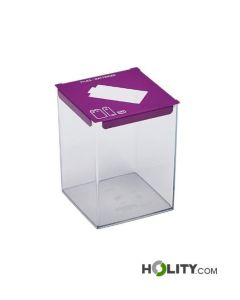
Used battery container. Capacity 2 L. Dimensions W. 125 x D. 125 x H. 160 mm.
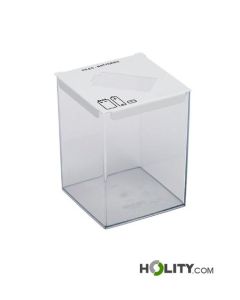
Container for the collection of spent batteries. Capacity approx. 2 lt. Dimensions: W. 125 x D. 125 x H. 160 mm.
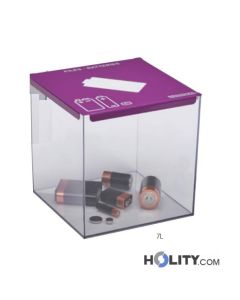
Pack of 2 pieces
€84.94 VAT excl.Container for used batteries. Capacity 7 Litres. Lid available in two different colours.
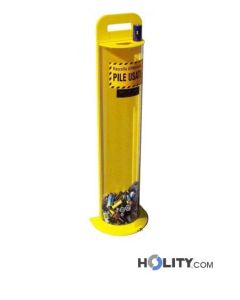
Plastic container for the separate collection of batteries. Snap-on top lid with slot. Capacity: 10 liters. Dimensions: L.180 x D.90 x H. 800 mm.
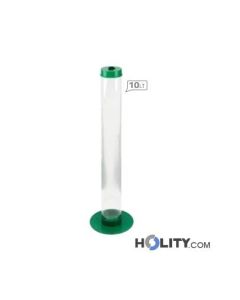
Spent battery container with lid and base in green painted metal. Transparent polycarbonate tube. Capacity: 10 liters. Dimensions: W.27xh.100 cm.
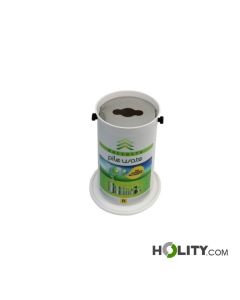
Cylindrical container in extruded polypropylene with battery slot. Capacity: 4 liters. Dimensions: Ø 16 cm x H 27 cm.
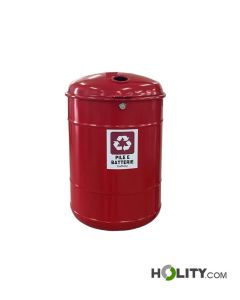
32 L container for exhausted battery collection, in painted galvanized steel, pole mounting. Bin dimensions: W 30 x H 45 cm.
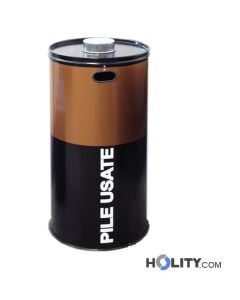
Steel container for waste batteries with opening top lid with key lock. Dimensions: Ø 200 x H.480 mm. Capacity: 16 liters.
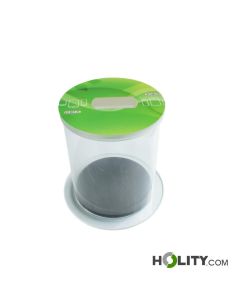
Used battery collector with integrated foam on the bottom to cushion the fall. Transparent and green design for easy identification. Removable lining for practical cleaning. Dimensions: Ø 200 mm. Height: 250 mm.
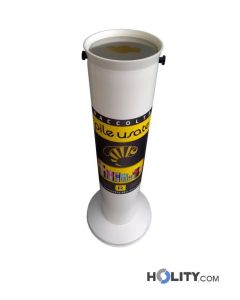
Battery collection container in extruded polyethylene with top part in 10/10 stainless steel sheet. Capacity: 13 liters. Height from ground: 75 cm.
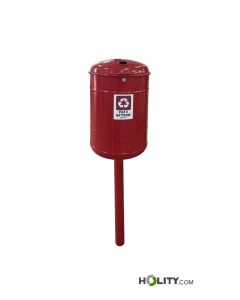
32 L container in galvanized steel with pole to be buried. For waste battery collection. Dimensions: W 30 x D 41 x H 123 cm.
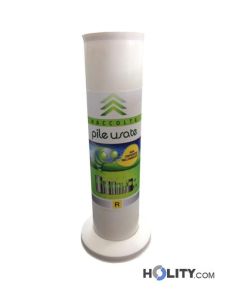
Small cylindrical container useful for the collection of spent batteries. Capacity 22 lt, height from the ground 82 cm.
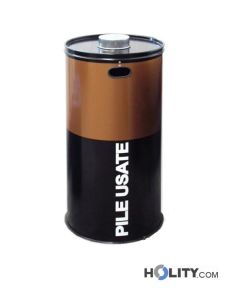
Steel container for spent batteries with opening lid with key lock and shaped opening. Capacity: 100 lt.
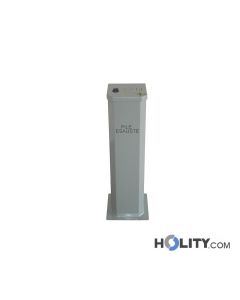
Spent battery container in carbon steel. Suitable for outdoor spaces. Dimensions: L.282 x D.260 x H.960 mm. Capacity: 2.2 lt.
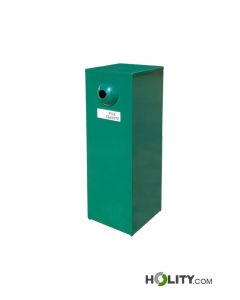
Galvanized steel container for used batteries, 70 L, with rear door and front hole. Dimensions: W 30 x D 30 x H 75 cm.
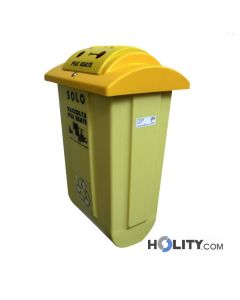
Waste battery bin with existing post or wall mounting. Capacity 50 liters.
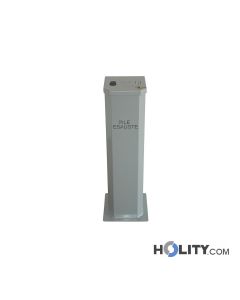
Steel container for the collection of spent batteries with basket. Dimensions: W.282 x D.260 x H.960 mm.
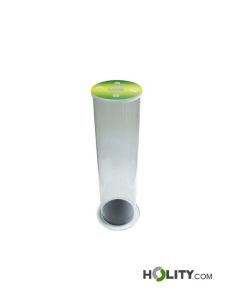
Container for separate collection of spent batteries, made of transparent PMMA. Foam on the bottom to cushion impacts. Capacity: 20 L. Dimensions: Ø 200 x H 750 mm. Weight: 3.10 kg.
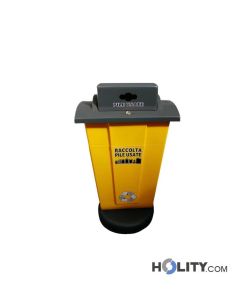
Waste battery container in polyethylene with ABS lid. Capacity: approx. 65L. Dimensions: approx. W.47 x D.48 x H.98 cm.
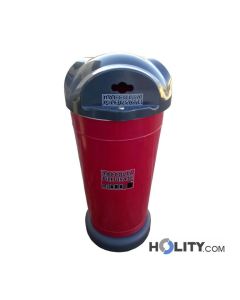
Spent battery container with 105 lt capacity. Made of polyethylene and equipped with a concrete base. Available in different colors.
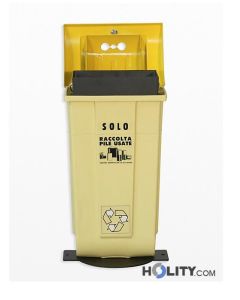
Container with metal base for the collection of used batteries. Capacity 65 liters. Height from the ground approximately 88 cm.
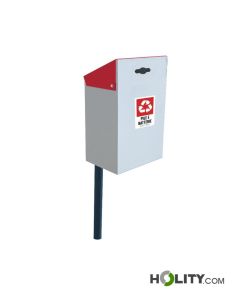
28 L container with opening lid and pole for inground installation, in painted galvanized steel. Dimensions: W 30 x D 32 x H 130 cm.
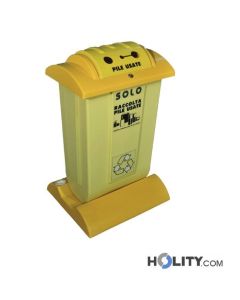
Outdoor waste battery collection bin. Capacity 50 liters. Height from the ground approximately 79 cm.
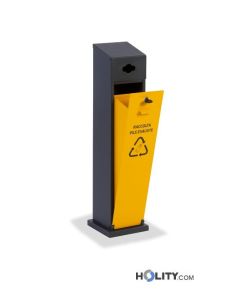
Container for spent batteries in galvanized sheet metal. Capacity approx. 19 l. Dimensions: W.24xD.24xH.99 cm.
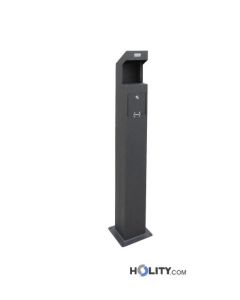
Spent battery collection container in painted galvanized steel, to be bolted down. Capacity 6 lt.
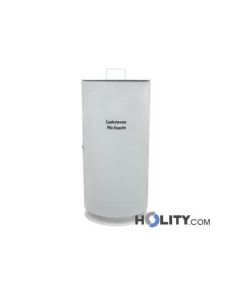
Waste bin for the collection of spent batteries made of galvanized and powder-coated steel. Dimensions: Ø 406 x h.910 mm. Capacity: 70 liters.
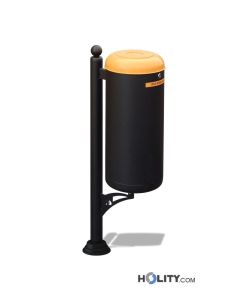
Bin for the collection of spent batteries. Capacity: approx. 70 liters. Fixing: to be embedded in concrete. Lid color: pastel yellow.
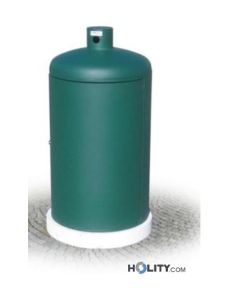
Steel used battery container with key opening system. Dimensions: W.50xD.50xH.98cm
Used battery containers represent an indispensable solution for the correct management of electrical waste in public, commercial, and industrial environments. The separate collection of spent batteries responds to a strict regulatory obligation and a concrete environmental need, given that batteries contain toxic materials and chemical elements that require specialized disposal. An adequate container ensures safety during collection, facilitates visual identification, and prevents cross-contamination with other waste streams. The choice of model depends on factors such as frequency of use, available space, climatic conditions, and the volume of batteries managed daily.
The installation of dedicated containers for spent batteries transforms the management of electrical waste from a casual activity into a controlled and traceable process. Concrete benefits include certified regulatory compliance, protection of personnel from accidental contact with hazardous materials, and reduction of costs associated with incorrect disposal practices. In school environments, healthcare facilities, public offices, and electronics stores, the availability of a clearly identified container informs users of the correct disposal method and significantly reduces the probability of mixing batteries with general waste. Furthermore, a correctly sized container minimizes the need for frequent emptying, optimizing the time of the personnel in charge of collection.
From an environmental point of view, specialized containers facilitate the subsequent recovery of precious materials present in batteries—such as nickel, cobalt, lithium, and zinc—through industrial recycling processes. The visibility of the container also acts as a constant reminder for those using the space, contributing to a conscious culture toward responsible disposal. In sectors such as catering, logistics, and manufacturing, where the number of portable devices is high, having accessible containers at multiple points reduces the uncontrolled accumulation of dead batteries.
The catalog of used battery containers ranges from compact 2-liter solutions to robust 120-liter systems, each designed to meet specific needs. Plastic models, made of polyethylene or polypropylene, offer lightness, ease of cleaning, and transparency in viewing the filling level; these are ideal for indoor environments, offices, and small collection points. Painted galvanized steel containers guarantee superior mechanical resistance, durability outdoors even in difficult climatic conditions, and a structure that does not deform under load. Cylindrical variants are more compact and suitable for tight spaces, while cubic or rectangular models offer better stability and more versatile positioning in common areas. Some models include a lid with a shaped slot to prevent the insertion of foreign objects, others feature a snap system for easy but secure opening.
A particular category includes containers with a concrete or ballastable base, designed for outdoor installation without structural fixing, useful in contexts such as parking lots, public gardens, and undeveloped areas. Bins with a protective roof prevent the accumulation of rainwater inside, preserving the integrity of the batteries and reducing the risks of corrosion. Post-mounted models are common in open spaces and allow for positioning isolated from walls or structures. Some professional containers include integrated shock-absorbing foam on the bottom, which cushions the fall of the batteries and limits damage during disposal, an aspect particularly relevant for large batteries. The choice between these variants must consider both the context of use and the expected frequency of collection.
Selecting a used battery container starts with assessing the daily or weekly volume of batteries managed. A space with few portable devices (small office, clothing store) could function effectively with a 7-10 liter container, while a company with computers, UPS, cordless phones, and portable tools requires a capacity of at least 30-50 liters to avoid daily emptying. A common mistake is undersizing the container relative to actual needs, causing overflows and uncontrolled accumulation of scattered batteries. It is equally important to consider the available space: a compact indoor environment benefits from vertical or cylindrical solutions, while outdoor areas can accommodate larger containers if they guarantee greater capacity and reduced maintenance frequency. Another decision criterion concerns climatic conditions: in environments subject to rain, snow, or significant temperature changes, painted steel containers with upper protection maintain better hygiene and structural integrity over time compared to plastic alone.
The installation position influences the choice of the locking mechanism and the fixing system. In areas with high public traffic, a container with a key lock reduces the risk of unauthorized removal or vandalism. In controlled spaces such as laboratories or warehouses, a simple lid with a slot is sufficient. The color of the container represents an often underestimated but critical aspect: transparent or semi-transparent models facilitate the visualization of the filling level, allowing for proactive planning of emptying, while standardized colors (red, yellow, green) support instinctive recognition even in low light conditions. Finally, it is advisable to check the compatibility of the chosen container with the collection systems used by local authorized operators, especially if the model provides for structural fixing that could complicate its movement during collection.
The collection and disposal of used batteries in Italy are regulated by Legislative Decree 188/2008, which transposes European Directive 2006/66/EC. This regulatory framework obliges producers, distributors, and end users to guarantee separate collection, safe transport, and appropriate recycling of batteries and accumulators. The containers used must comply with the identification criteria provided by environmental regulations, clearly marked with the prohibition symbol (crossed-out bin) and with written indications specifying the type of waste managed. This ensures that collection personnel immediately recognize the content and apply the correct handling protocols. The Decree also establishes that every organization managing a certain quantity of batteries must maintain traceability registers, documenting delivery to authorized centers. At the European level, EN 13411 standards and technical specifications relating to containers for hazardous waste provide construction indications for robustness, stability, and chemical resistance.
In addition to general regulatory aspects, safety during collection is governed by INAIL guidelines and occupational accident prevention standards. Containers must have a stable structure that cannot easily tip over, non-sharp surfaces, and an opening height accessible without risks of crushing or slipping. In professional contexts with frequent collection, it is appropriate to verify that the container is compatible with the available transport and lifting systems (forklifts, pallet trucks). CE compliance is recommended for models requiring specific safety certifications, especially if used in work environments subject to inspections. Some local entities and companies may impose further specifications: it is advisable to contact the competent environmental authority or the waste manager to verify the additional requirements applicable to your territory before purchasing.
Explore all products in the category and compare the available solutions to find the one best suited to your operational context. From minimalist solutions for offices and small spaces to high-capacity systems for complex structures, the range covers every need for separate collection and compliant disposal.
A container for spent batteries has specific construction features: regulatory marking with a prohibition symbol, a shaped slot that prevents the insertion of non-compliant objects, chemical-resistant materials, and a structure designed for the safe transport of hazardous waste. General containers do not guarantee these levels of safety and compliance.
An office with 50 employees who regularly use laptops, wireless mice, cordless phones, and small devices typically requires a 30-50 liter container, emptied monthly. If there is a higher density of portable equipment (laboratory, call center), it is preferable to increase to 70-100 liters to avoid frequent filling and uncontrolled accumulation.
Yes, as long as it is made of painted galvanized steel or robust polyethylene and equipped with a lid with upper protection that prevents the accumulation of rainwater. Models with an opening roof or ballastable base are specifically designed to resist rain, snow, and thermal variations without compromising their structural integrity.
Transparent or semi-transparent containers allow for immediate visualization of the filling level. For opaque models, a scheduled emptying scheme (weekly, monthly) can be established based on the average volume of batteries managed. Some authorized managers offer notifications or periodic checks included in the collection service.
A key lock prevents unauthorized access and vandalism in high-traffic public spaces, as well as protecting the contents from theft. However, in controlled environments such as private offices, a simple closure with a shaped slot is generally sufficient and more practical for daily use.
Italian regulation does not prescribe a single standard color but recommends the use of distinctive colors (red, yellow, green) associated with danger symbols and clear marking. The guidelines of local authorized managers may suggest specific preferences to facilitate recognition in the territory of competence.
Painted galvanized steel exceeds plastic in mechanical resistance, outdoor durability (5-10+ years), and ability to resist impacts and extreme thermal variations. Plastic (polyethylene, ABS) is much lighter and ideal for indoor environments, but tends to become fragile under prolonged direct sun. The choice depends on the context and the expected frequency of use.
Costs vary based on the volume of the container, the frequency of emptying, and the local authorized manager. Generally, a monthly collection for a 50-liter container in a corporate environment involves costs between 20 and 60 euros per emptying. It is advisable to contact local managers directly for specific quotes suited to your situation.
 English
  Italian
 French
 German
 Spanish