
mon-fri 9-13 / 14.30-18.30
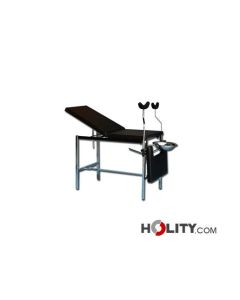
Gynecology couch with leg holders and adjustable backrest and footrest. Dimensions: 180 x 55 x H.80 cm. Load capacity: 110 kg.
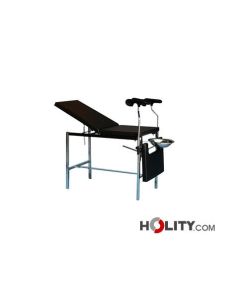
Gynecology couch with a sturdy chromed rectangular tube structure. Dimensions: 180 x 55 x h 80 cm. Supplied disassembled.
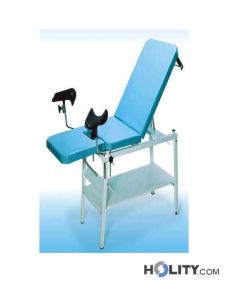
Gynaecology examination couch, colposcopy, urology. In painted steel.
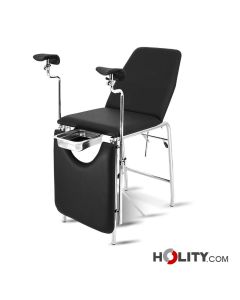
Gynecological couch with 2 joints. Capacity: 150 kg. Inclinable headrest and footrest. Dimensions: L180 x W60 x H72 cm.
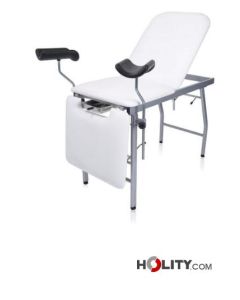
Examination table for gynaecological visits. Capacity: 180 kg. Dimensions: L.185 x D.78 x h.83 cm.
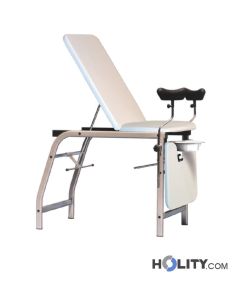
Gynecological examination table with faux leather upholstery. Dimensions: W181 x D60 x H85 cm

Gynaecological examination couch convertible into an armchair. Dimensions: L194 x W68 x H78 cm
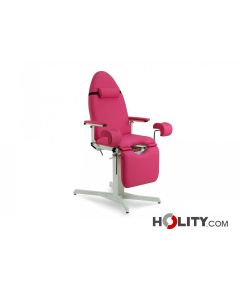
Gynecology couch with painted steel structure, adjustable backrest and leg rest, folding armrests, liquid collection tray and gynecological hole. Fixed height 80 cm, load capacity 180 kg.

Gynecological medical office bed. Adjustable height from 52 to 92 cm. Available in various colors.
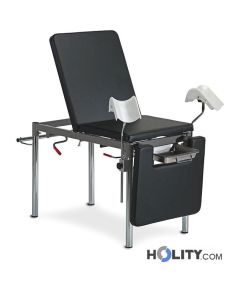
Fixed height couch for gynecological examinations. Dimensions: Dimensions: L.185xW.62xh.76 cm
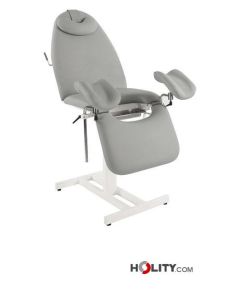
Fixed-height gynecological chair in metal and eco-leather. 5 cm padding and leg rests included for maximum comfort in clinical settings.
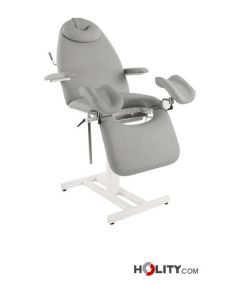
Fixed-height gynecological chair in metal (182x62x85 cm) with faux leather upholstery and folding armrests for maximum clinical stability.
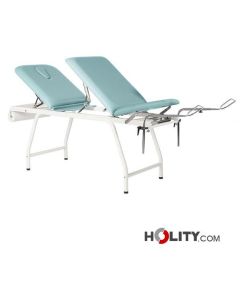
Gynecological table h904_43 in white metal with eco-leather upholstery and 5 cm padding. Includes leg holders and breathing hole.
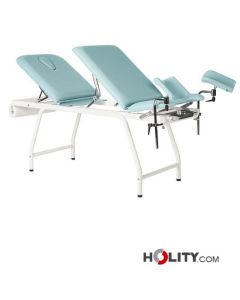
Gynaecological couch h904_41 in metal with eco-leather upholstery. Fixed height, perforated headrest and leg supports included for specialist examinations.
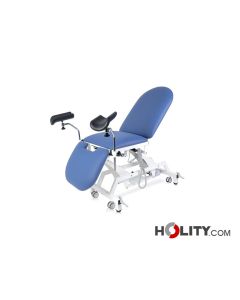
Gynecological examination couch available in various colors. Adjustable height: from 52 to 92 cm.

Professional fixed-height gynecological chair in painted steel, with gas spring adjustments, Trendelenburg function and integrated step.
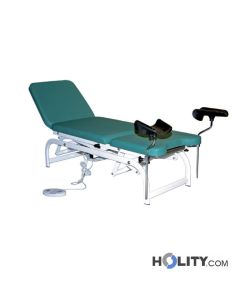
Gynecological couch or for specialist examinations, with adjustable height and reclining cushions. Dimensions: L195 x D60 x H48/95 cm
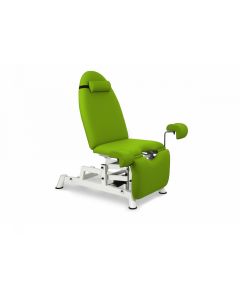
Professional gynecological chair in steel and flame-retardant vinyl with electric adjustment, Trendelenburg position and integrated stainless steel tray.
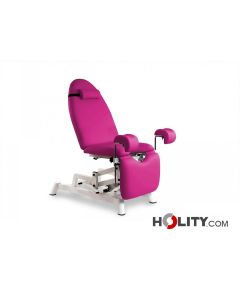
Gynecological couch with electrically adjustable height, manual backrest and footrest, Trendelenburg position, steel frame, fireproof vinyl upholstery, 180 kg load capacity.

Gynecological chair with electric height adjustment and gas-spring seat with Trendelenburg. Dimensions: L 188 x W 65 x H from 70 to 105 cm.
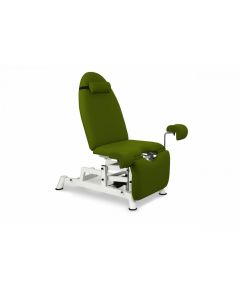
3-section electric gynecological couch in steel and fireproof vinyl. Variable height, Trendelenburg position and specialist accessories included.
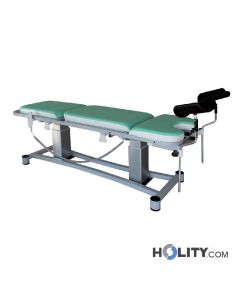
Gynecological examination table with adjustable height and TR/RTR system. Dimensions: L194 x D68 x H52/94 cm
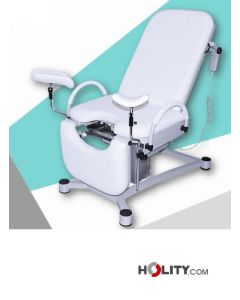
Gynecological table with height adjustable from 57 to 98 cm. Capacity: 250 Kg. Available in different colors.
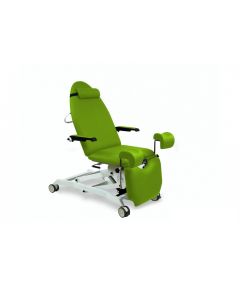
Professional gynecological table with 2 motors, steel frame, and 1IM fire-retardant vinyl upholstery. Electric adjustment of height and positioning.
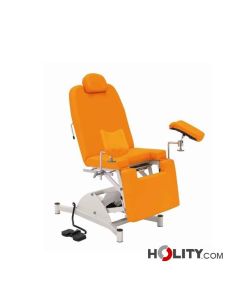
Gynaecological examination chair in steel with epoxy coating. Available in various finishes. Dimensions: W.180 x D.80 x H. from 52 to 92 cm.
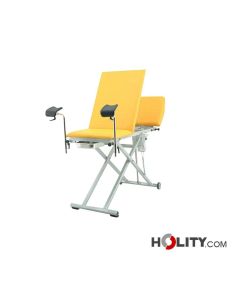
Gynaecological examination couch with electric variable height.

Electric gynecological chair in steel with 3 actuators. Adjustable height 65-98 cm, Trendelenburg and stainless steel basin. Ideal for specialist clinics.

Electric gynecological chair in steel and imitation leather, height 53-83 cm. Includes Trendelenburg, stainless steel basin, and leg rests for outpatient visits.
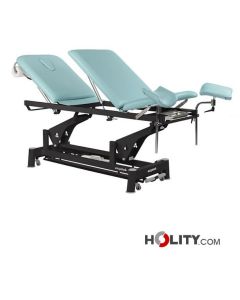
Electric gynecological table in black metal and eco-leather, height 47-90 cm. Double-upright structure with hydraulic adjustments and 250 kg capacity.
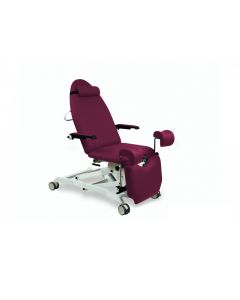
3-motor electric gynecological chair in painted steel and fireproof vinyl. Trendelenburg and height adjustment for professional clinical use.
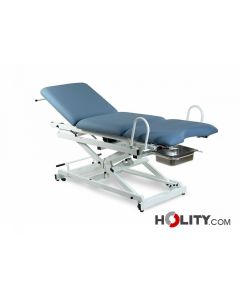
Gynaecological examination couch with electric operation. Dimensions: L.196 x D.62 x h.54-100 cm.
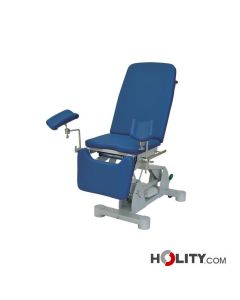
Gynecological examination chair in epoxy-coated steel. Available in various finishes. Dimensions: L.180 x D.75 x H. from 65 to 100 cm.
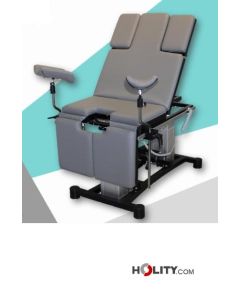
Multifunctional 3-section examination couch/chair with electrically adjustable height. Load capacity: 250 Kg.
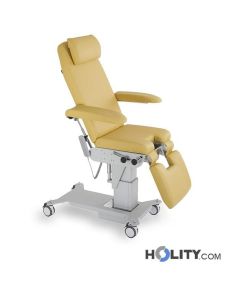
Gynecology and urology chair with adjustable height. Dimensions: L.180xW.54xh.53-85 cm
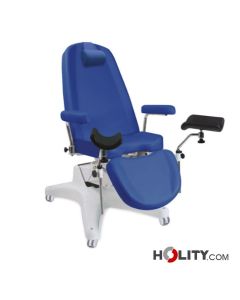
Gynecological chair with adjustable height. Dimensions: L. 180 x D. 88 cm.
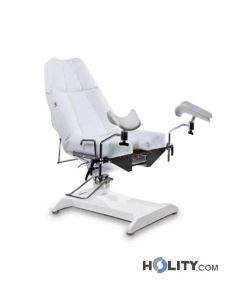
Gynecological examination chair with manual adjustment. Full 360° rotation.
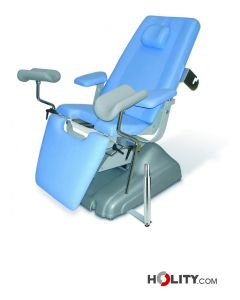
Electric gynecological chair in antimicrobial steel, 180 kg capacity. Structure with ABS casing and low-voltage actuator for clinical use.
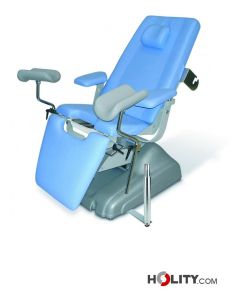
Specialist chair for gynecology and urology in steel with 2 electric actuators, 180 kg load capacity and ABS protection casing.
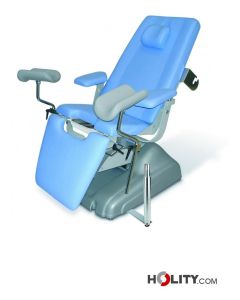
Electric gynecological and urological chair in steel with 3 actuators. Backrest and leg rest adjustment, load capacity 180 kg, base with ABS casing.
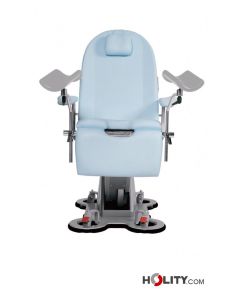
Electric gynecological chair in antimicrobial steel with single actuator lifting. Compact design for small spaces, 180 kg load capacity.
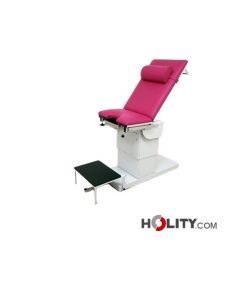
Gynecological examination couch in steel and imitation leather, 115x58 cm. Manual pedal elevation, Trendelenburg position and integrated step.
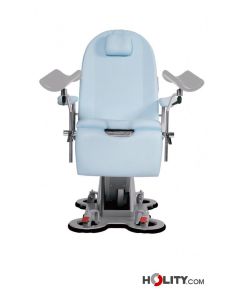
Professional gynecological chair in painted steel with 2 electric actuators for lifting and Trendelenburg. 180 kg capacity and compact design.
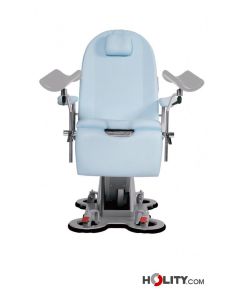
Gynecological and urological chair in antimicrobial steel with 3 actuators, compact for limited spaces, ideal for examinations and outpatient procedures.
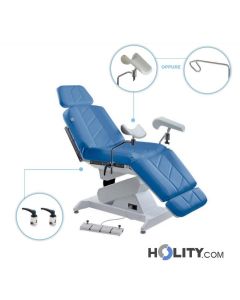
Complete gynecological chair with leg holders and fixed clamps.
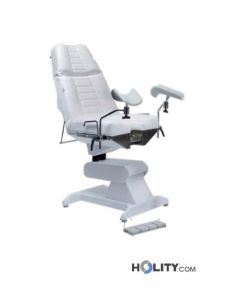
Gynecological examination chair with 3 motors for height, backrest and Trendelenburg adjustment.
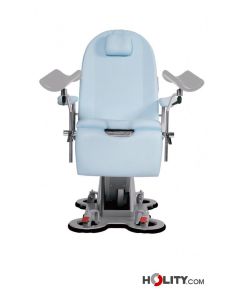
Gynecological and urological chair in antimicrobial steel with 4 electric actuators and Trendelenburg position. Compact design ideal for limited spaces.

Gynecological examination table with 3 motors (back, legs, and Trendelenburg adjustment). Available in various colors
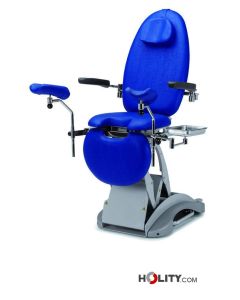
Electric gynecological chair in painted steel and fire-retardant sky, 3 independent actuators, 230 kg load capacity and Medical Device certification.
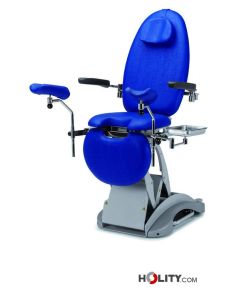
Gynaecological chair in steel and fire-retardant sky with 4 electric actuators, Trendelenburg system and 230 kg capacity for specialist clinics.
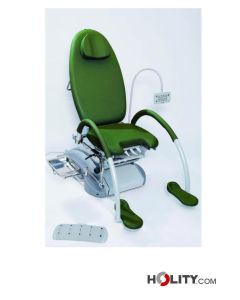
Professional 4-motor gynecological chair in steel and antibacterial sky fabric, capacity 230 kg, with Trendelenburg system and integrated wheels.
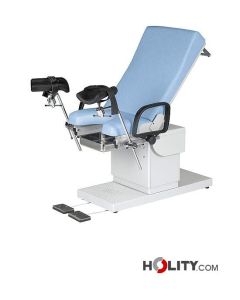
Professional gynecological couch with electric height and pelvic adjustment, differentiated padding and Trendelenburg position up to 30°.
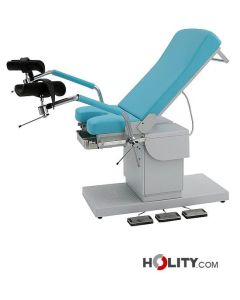
Motorized gynecological chair in steel and imitation leather. Adjustable height 65-116 cm, capacity 200 kg. Ideal for examinations and minor surgeries.
Gynecological examination tables represent a fundamental specialized tool in medical offices, clinics, and hospital departments dedicated to gynecology and obstetrics. This medical furniture is designed to guarantee maximum comfort for the patient during specialist visits, combining ergonomics, structural stability, and ease of use for the doctor. The choice of the right table directly influences the quality of clinical performance and the patient’s perception of the healthcare facility.
A high-quality gynecological table must possess specific technical characteristics: adjustable height to adapt to different operational needs, hygienic and antimicrobial coatings, supports for the lower limbs, and a robust structure capable of supporting significant loads without compromising stability. The solutions available range from simple models with fixed height to highly technological systems with electric adjustments, Trendelenburg positions, and specialized accessories for different diagnostic and therapeutic procedures.
Gynecological examination tables constitute a decisive investment for any healthcare facility intending to provide a diagnostic and therapeutic service that meets international standards. The quality of the seat significantly affects patient compliance, reducing anxiety and promoting cooperation during the clinical examination. A well-designed table allows the doctor to access different anatomical areas with ease, minimizing postural effort and reducing the risk of fatigue during procedures that can be long and delicate.
From an operational point of view, a reliable gynecological table simplifies the outpatient workflow: the ease of sanitization prevents the risk of cross-contamination, structural stability guarantees the safety of both the patient and the operator, and functional versatility allows the same tool to be used for multiple specialized procedures. Medical offices and clinics that invest in premium category gynecological furniture see higher customer satisfaction and a reduction in visit times, translating into better schedule management and more efficient resource management.
Various configurations of gynecological tables are available on the market, each designed for specific operational needs. Fixed-height tables represent the most economical and robust solution, ideal for facilities with a limited budget or for clinics with a homogeneous patient flow. These models maintain a constant height (generally between 75 and 85 centimeters), ensuring consistency in the doctor’s working positions. Tables with manual height adjustment allow operators to adapt the work surface to their anthropometric characteristics, increasing comfort and reducing fatigue during prolonged procedures.
The category of tables with electric height adjustment represents the top of the range, offering smooth transitions between different working positions and the ability to reach specialized positions such as Trendelenburg or anti-Trendelenburg. Some models include additional functions such as reclining backrests, adjustable leg supports, a perforated headrest to facilitate breathing, and integrated basins for collecting fluids. Finally, gynecological chairs combine the functionality of the table with more ergonomic seating, suitable for procedures where the patient remains in a semi-seated position. The choice between these types depends on the type of services offered, the frequency of use, and the demographic characteristics of the clientele.
The selection of a gynecological table requires a careful analysis of multiple technical and operational parameters. First, it is essential to evaluate the dimensions of the available space and the specific needs of the medical practice: a clinic dedicated exclusively to gynecology will have different priorities compared to a multidisciplinary facility where the table must also serve for urological or proctological visits. Maximum capacity is a critical element often underestimated: most gynecological tables support loads between 110 and 250 kilograms, but it is advisable to choose a model with a safety margin higher than the average weight of the patient base.
The analysis of sanitization times is decisive in practices with a high patient turnover: tables with continuous surfaces, rounded corners, and fireproof vinyl or eco-leather coatings guarantee faster and more effective cleaning procedures. Height adjustability represents an occupational health factor for the doctor, especially during days with many patients; models with electric adjustment require a higher initial investment but amortize costs by reducing absenteeism due to musculoskeletal disorders. Common mistakes include choosing models without adequate padding, which compromise patient comfort, or purchasing solutions with excessive but rarely used accessories in daily practice, which unnecessarily increase maintenance costs.
Gynecological examination tables must comply with a set of European regulations that guarantee structural safety, hygiene, and functional performance. The EN 12527 standard specifies the requirements for medical beds, including load resistance criteria, mechanical stability, and anti-slip characteristics. Coatings must comply with the EN 1021 standard regarding fire resistance, a critical element in healthcare environments where the risk of fire spread must be contained. The EN ISO 14971 standard requires a formal risk analysis during design, ensuring that every element of the structure has been evaluated for potential hazards.
From a hygienic point of view, gynecological tables must be easily sanitizable according to standard hospital protocols, with non-porous surfaces and components free of sharp edges that could harbor bacteria or viruses. Many facilities require additional certifications regarding compatibility with specific disinfecting agents and resistance to repeated high-temperature cleaning cycles. If the table is equipped with electrical components, it must comply with the electrical safety directives (EN 60601-1) for medical devices. Environmental sustainability requirements are becoming increasingly important, with some clients requiring the use of recyclable materials or materials with a reduced ecological impact.
Explore all the products in the category and compare the available solutions to find the one best suited to your operational context, considering specific clinical needs, available space, and the demographic characteristics of your users.
A gynecological examination table is a specialized medical tool designed to facilitate gynecological, obstetric, and urological examinations. It provides a stable and adjustable surface, with supports for the lower limbs, allowing the doctor to access anatomical areas ergonomically and the patient to maintain a comfortable position during the diagnostic or therapeutic examination.
Fixed-height tables maintain a constant position (usually 75-85 cm), are more economical and stable, ideal for facilities with a limited budget. Adjustable tables, manual or electric, allow the doctor to adapt the height to their anthropometric characteristics, reducing fatigue and increasing functional versatility for different specialized procedures.
Most gynecological tables support loads between 110 and 250 kilograms. It is advisable to choose a model with a capacity higher than the average weight of your patient base, ensuring an adequate safety margin and long-term durability of the structure.
Standard dimensions vary between 175-195 cm in length and 55-80 cm in depth. Before purchasing, measure the available space, also considering the access and movement space for the doctor during procedures. Some compact models are suitable for small clinics, while gynecological chairs generally occupy more surface area.
Use detergents and disinfectants that comply with hospital protocols, preferably antimicrobial sprays or wipes. Ensure that the coating is continuous and without sharp edges where bacteria could hide. Fireproof vinyl or eco-leather tables resist repeated cleaning cycles better than porous fabrics.
Tables must comply with EN 12527 for structural strength, EN 1021 for fire resistance, and EN 60601-1 if they have electrical components. They must also be easily sanitizable and compatible with standard hospital disinfecting agents to ensure hygienic-sanitary safety.
Yes, if the facility has a high patient turnover or if the doctor suffers from musculoskeletal disorders. Although the initial cost is higher, the reduction in fatigue, shorter positioning times, and greater functional versatility amortize the investment in the medium to long term.
Yes, many gynecological tables are designed to be versatile and usable for urological, proctological, and general examinations. However, some specialized accessories (stainless steel basins, specific supports) might limit adaptability; evaluate multidisciplinary needs before choosing to maximize the return on investment.
 English
  Italian
 French
 German
 Spanish