
mon-fri 9-13 / 14.30-18.30
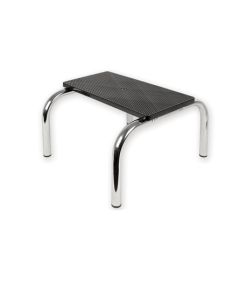
Pack of 3 pieces
€189.43 VAT incl.Single-step stool for clinics in chrome-plated steel tube with non-slip platform. Capacity 100 kg, 40×24 cm, Italian production.
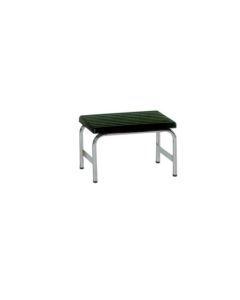
Pack of 12 pieces
€799.20 VAT incl.Single-step stool for clinics in 18/10 stainless steel with non-slip base, dimensions 450×250×250 mm.
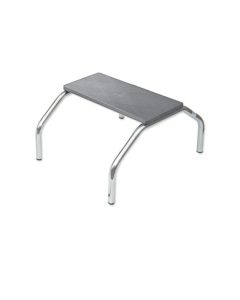
Pack of 3 pieces
€229.57 VAT incl.Single-step stool in tubular steel for clinics, non-slip platform 40x20 cm, capacity 90 kg, made in Italy.
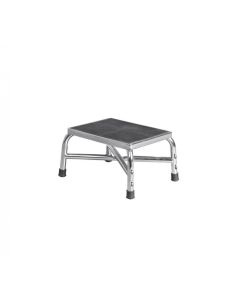
Step stool for clinics with reinforced frame, 250 kg load, non-slip surface. Dim. 30.5×40.6 cm, h 22.5 cm.
Pack of 2 pieces
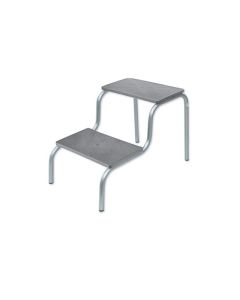
€177.77 VAT incl.Two-step medical step stool, chrome-plated steel, non-slip platform, 90 kg capacity, dimensions 40x53xh.44 cm, Italian production.

Beech wood step stool with 1 step, 40x27x25 cm, water-based painting. For clinics and medical offices.
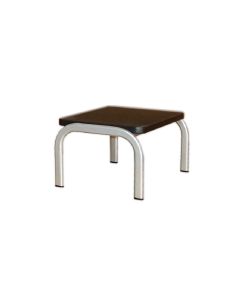
Single-step stool in grey painted oval tube with non-slip rubber shelf, load capacity 150 kg, for clinics and doctor’s offices.
Pack of 2 pieces
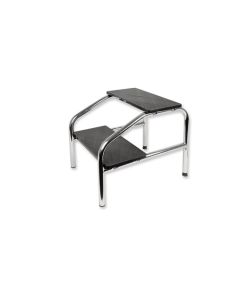
€204.53 VAT incl.Chrome-plated steel step stool for clinics, 2 steps, non-slip platform, 100 kg capacity, Italian production.
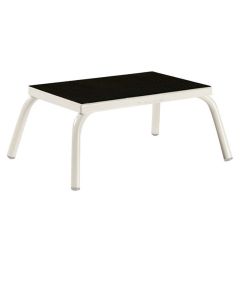
Single-step medical stool in painted steel, height 22 cm. Robust and hygienic structure optimized for healthcare and clinical environments.
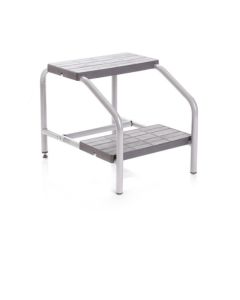
2-step stool in painted steel with non-slip surface, adjustable rear feet. Capacity 150 kg. For clinics and medical offices.
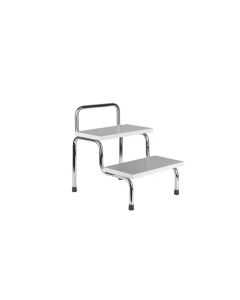
Medical clinic step stool with chrome frame and 2 plastic steps. Surface 400x225 mm, height 335 mm. Easy access to equipment and shelves.
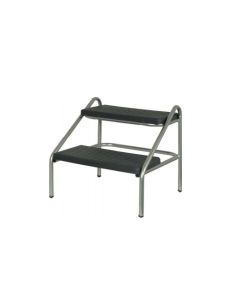
Pack of 6 pieces
€712.80 VAT incl.Medical clinic step stool in 18/10 stainless steel with 2 steps, non-slip base, h. 470 mm.
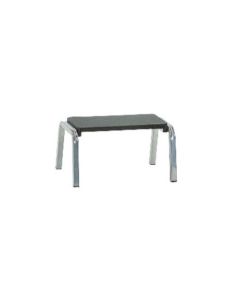
Step stool for clinics in ABS and chrome-plated square tube. 39x20 cm step for optimal view during procedures and specialist examinations.
Pack of 6 pieces
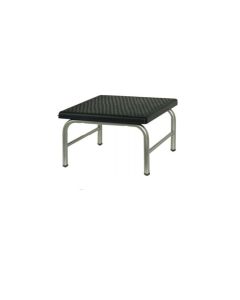
€723.60 VAT incl.Medical step stool in 18/10 stainless steel with non-slip base. Dimensions 450x450x250 mm. Facilitates access to the examination couch with maximum safety.
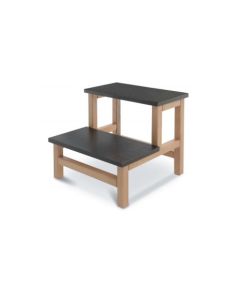
Beechwood medical footstool with 2 steps, non-slip surface, 40x41.5x36 cm. Water-based paint for clinics.
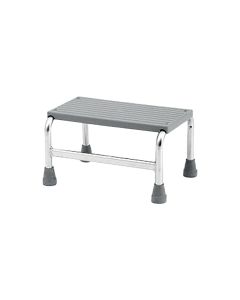
Single step stool for doctor’s offices, chrome-plated steel, non-slip plastic step, 150 kg capacity.
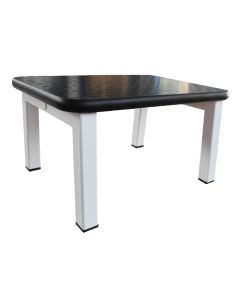
Single step stool in 30x30 mm painted steel, 40x30 cm platform, 22 cm height, non-slip rubber coating, 200 kg load capacity, CE marking.
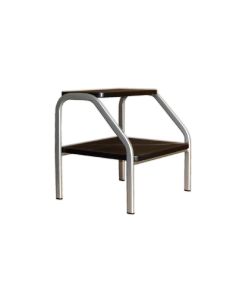
Medical office step stool with 2 non-slip steps, gray painted metal structure, 150 kg capacity, dimensions 43×44×22-45 cm.
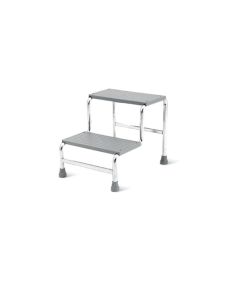
2-step medical stool, chrome-plated steel structure, non-slip surfaces, 150 kg capacity, ideal for clinics and medical offices.
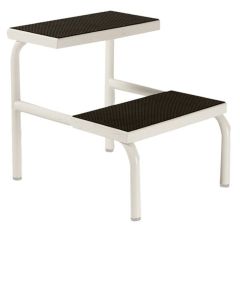
2-step medical step stool in steel, 37x43x39 cm. Stable structure to facilitate safe access to examination couches and seating in healthcare settings.

One-step medical stool in epoxy-painted steel, 48.5x38x26.5 cm, with non-slip platform for safe access to examination tables.

Two-step stool for clinics in epoxy steel. Dimensions 50x38x40 cm with non-slip surfaces for safe access to medical couches.
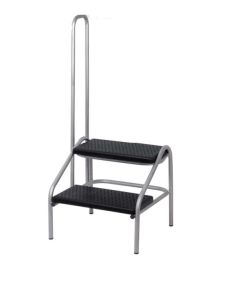
Pack of 3 pieces
€604.80 VAT incl.Medical clinic step stool in 18/10 stainless steel with 2 steps, side handle and non-slip base. Adjustable height 470-1150 mm.
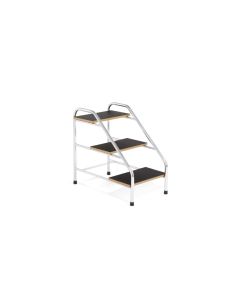
Three-step stainless steel step stool for medical offices, 66x38x61 cm, with non-slip surfaces for safe patient access to examination couches.
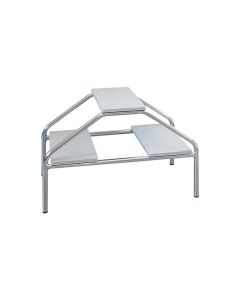
Three-step medical step stool in chrome-plated steel with rubber feet. Non-slip structure with 150 kg capacity, dimensions 400x690xh.440 mm.
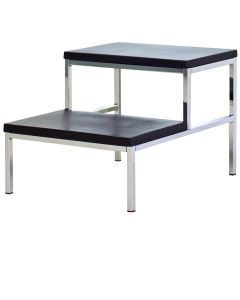
Step stool for medical practices with 2-step chrome frame, non-slip polyethylene platforms, heights 220/440 mm, capacity 150 kg.
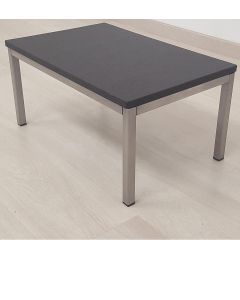
Single-step stool for medical offices, stainless steel frame, 490x320 mm non-slip platform, 240 mm height, 150 kg capacity.
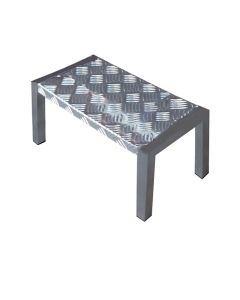
Single-step stool in AISI 304 stainless steel with non-slip knurling and adjustable feet, specific for medical environments. Capacity 180 kg.
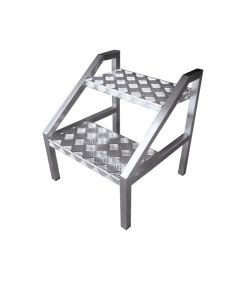
2-step AISI 304 stainless steel step stool with non-slip knurled surface, adjustable feet, antistatic. Capacity 180 kg.
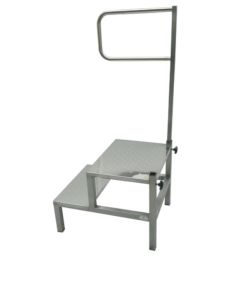
Stainless steel step stool for medical offices, 2 steps, non-slip surface, lateral handle, 200 kg capacity.
Medical step stools represent an essential furniture element in clinics, hospitals, and professional offices where facilitated access to examination couches is a functional priority. These devices combine practicality, safety, and regulatory compliance, allowing patients to access raised medical stations with peace of mind, reducing joint load and improving the overall experience. Made of robust materials such as painted steel, stainless steel, quality wood, or composites, step stools are distinguished by their load capacity, number of steps, and anti-slip features. Their installation is simple, they do not require complex maintenance, and they represent a modest investment to raise clinical accessibility standards.
The use of step stools in a medical office or clinic directly affects the quality of service and patient safety. Safe access to the couch reduces the risk of falls and injuries, a critical element especially for elderly patients, pregnant women, or people with motor limitations. From an ergonomic point of view, the step stool allows healthcare professionals to position couches at an optimal height for medical procedures without compromising on practicality. Furthermore, a well-designed access tool communicates professionalism and attention to well-being, aspects that influence the perception of the facility. Choosing a quality step stool also means durability: resistance to repeated loads, ease of cleaning, and resistance to hospital detergents guarantee an economic return in the medium-to-long term.
In operational terms, step stools find application in various clinical situations: from simple general medical visits to dermatology, gynecology, cardiology, and physiotherapy and rehabilitation contexts. The versatility of use makes the step stool a strategic purchase for healthcare facilities wishing to optimize space. A single step stool can serve multiple couches, reducing overall initial investment costs. Additionally, some models are easily transportable, allowing for rapid environment adaptations in case of internal reorganization. The availability of variants in wood, chrome-plated steel, and stainless steel responds to different furnishing philosophies: classic and warm solutions for clinics with a more intimate atmosphere, modern and hygienic solutions for highly specialized contexts.
Medical step stools are mainly divided based on the number of steps: single-step, double-step, and triple-step models. Single-step stools are the most common, with heights ranging from 20 to 25 centimeters, ideal for standard couches and most clinics. These models guarantee a sufficient height increase for most adult patients while maintaining a compact and unobtrusive silhouette. Double-step stools, with cumulative heights between 40 and 45 centimeters, are chosen when couches are particularly raised or when the clientele includes a high percentage of patients with reduced mobility. The double step allows for a more gradual and less tiring climb, improving the perception of safety during access.
As for materials, painted steel step stools represent the best compromise between cost, aesthetics, and maintenance practicality. They are resistant, easy to clean, and available in different colors that adapt to common furnishing styles. Stainless steel is preferable in environments with high hygienic standards or where frequent use of aggressive disinfectants is expected, an important feature for minor surgery offices or specialized clinics. Wooden step stools, typically made of beech or other noble woods, offer a warmer and more professional atmosphere, suitable for private general medicine offices or medical specialties oriented towards patient well-being. Some models combine a chrome-plated steel structure with anti-slip plastic laminate platforms, an intermediate solution that combines robustness and functionality. Load capacity generally varies between 90 and 250 kilograms, a factor to be carefully considered in relation to the customer profile.
Selecting the appropriate step stool requires a preliminary assessment of the environment and the patients served. First criterion: the height of the couch and the desired final height after access. A standard clinical couch is situated about 60-65 centimeters from the ground. If you add a single-step stool (20-25 cm), the patient will reach a working height of around 40-45 centimeters from the floor, a position generally comfortable for sitting on the couch. If the height is insufficient, a double step becomes necessary. Second criterion: demographic analysis of the clientele. A practice with a high percentage of elderly patients, those suffering from osteoarthritis, or with motor limitations will benefit significantly from a double step or the choice of materials with particularly anti-slip platforms. In pediatric contexts, a single step is often too high; specialized lower solutions should be evaluated.
Third fundamental criterion: the space available in the clinic and the ease of logistical management. A double-step stool occupies more surface area (generally 40-50 centimeters deep) and requires wider maneuvering spaces. If the clinic is small or articulated with narrow paths, the single step remains the pragmatic choice. Fourth element: material in relation to the environment. Stainless steel for minimally invasive surgery or clinics with strict hygienic protocols; painted steel for general use; wood for clinical contexts or private offices where aesthetics are prominent. Fifth aspect: declared load capacity. Always check it, especially if the clinic welcomes patients weighing over 100 kg. An undersized step stool poses risks of injury and legal liability. Finally, evaluate whether the step stool should be fixed (better stability) or mobile with lockable wheels (flexibility of use). Common mistakes include underestimating hygiene and cleaning needs, ignoring patient feedback on the perception of stability, and choosing dimensions inconsistent with the geometry of the clinic.
Step stools for medical-clinical use are subject to a series of regulations that guarantee safety and reliability. The UNI EN 14183 standard establishes safety requirements for stools and step stools used in the medical field, defining load capacity, stability, material resistance, and anti-slip characteristics. According to this regulation, a medical step stool must pass static and dynamic load tests, verifying that the structure does not give way under a load at least 50% higher than the declared maximum load. Walking surfaces must have a dynamic friction coefficient greater than 0.4 to ensure grip even in humid conditions. Stability is tested by applying normalized lateral forces; the step stool must not tilt or tip over. Materials in contact with patients must be hypoallergenic and easily sanitizable.
From the Italian and European regulatory point of view, step stools marketed in Italy must bear the CE marking, an element that certifies compliance with European directives on product safety. The declaration of conformity must be available to the customer and must specify the nominal load capacity, dimensions, number of steps, and maintenance instructions. Workplace health and safety regulations (D.Lgs 81/2008) require that in healthcare facilities, step stools are kept in good condition, inspected regularly, and subjected to cleaning and disinfection according to company protocols. For clinics operating under healthcare accreditation, the technical documentation of the step stool (technical data sheet, certificates, tests) must be preserved and available in case of audit. It is also advisable to verify the load test certificate from independent laboratories, an element that increases the supplier’s E-E-A-T and customer trust.
Explore all products in the category and compare the available solutions to find the one best suited to your operational context. Variants in steel, wood, and composites respond to every clinical furnishing need, configuring themselves as a practical and long-lasting investment.
The single-step stool (height 20-25 cm) is suitable for standard couches and patients without particular motor limitations. The double step (height 40-45 cm) offers a more gradual climb and a higher final reach, ideal for elderly patients or those with mobility issues. The choice depends on the height of the couch and the demographic composition of the clientele.
Stainless steel is superior in environments with rigorous hygienic protocols or frequent use of strong disinfectants, such as minimally invasive surgery. Painted steel is sufficient for general clinics and is more economical. Both are easily cleanable; stainless steel resists aggressive chemical agents better over time.
The minimum recommended capacity is 100-150 kg, in line with the UNI EN 14183 standard. If the clinic serves patients with medium-high weight, it is preferable to choose a step stool with a capacity of 200-250 kg for a safety margin. Always check the capacity declared by the manufacturer.
Good quality wooden step stools (treated beech) are relatively easy to clean with general detergents and disinfectants, but require prompt drying to avoid swelling or rotting. They are less resistant to aggressive solvents than steel. They are suitable for private practices with standard hygienic standards, but less ideal for high biological risk environments.
A mobile step stool with lockable wheels offers flexibility, allowing quick movement between couches. However, it requires diligence in engaging the brakes before use. For maximum stability and risk reduction, practices with dedicated spaces prefer fixed step stools. The choice depends on the logistical organization of the clinic and the frequency of movement.
For small spaces, single-step stools with a smaller surface area (40x30 cm or similar) are the ideal solution. Avoid double steps that require a depth of 40-50 cm. Check the available dimensions in the catalog and perform a footprint test before purchasing, also considering the maneuvering of patients and operators.
The typical warranty is 24 months from installation. Maintenance costs are minimal: regular cleaning with appropriate detergents, visual inspection of the structure, and annual stability checks. It does not require lubrication or replacement of moving parts. In case of structural damage, repair is generally inexpensive compared to the cost of replacement.
 English
  Italian
 French
 German
 Spanish