
mon-fri 9-13 / 14.30-18.30
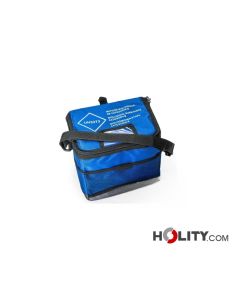
Pack of 12 pieces
€1,015.20 VAT incl.Rigid isothermal bag for transporting UN3373 samples, 15 mm polyurethane insulation. Dimensions: W 22 x D 18 x H 20 cm.
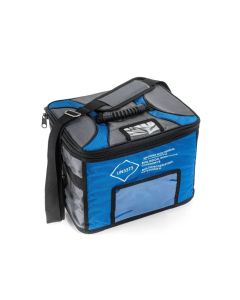
Pack of 4 pieces
€511.20 VAT incl.Rigid isothermal bags for the transport of biological samples, polyurethane insulation. Dimensions: W 34 x D 26 x H 26 cm.

Pack of 4 pieces
€669.60 VAT incl.Rigid isothermal bags for transporting biological samples, polyurethane insulation. Dimensions: W 40 x D 35 x H 36 cm.

Rigid isothermal bags for transporting biological samples, polyurethane insulation. Dimensions: W 60 x D 35 x H 36 cm.
Biological sample transport bags constitute a structural element of modern diagnostic logistics, ensuring that sensitive clinical materials maintain their compositional integrity during movement between hospital facilities, analytical laboratories, and collection centers. These professional isothermal containers protect blood samples, swabs, biopsy tissues, and microbiological materials from thermal fluctuations, drastically reducing the risks of analytical deterioration and cross-contamination. The quality of transport directly affects the diagnostic validity of results and compliance with biological safety protocols imposed by national and international regulations.
In the current context, where decentralized diagnostics and inter-city transport represent established practice, professional isothermal bags have evolved beyond a simple containment role: they integrate advanced thermal insulation systems, modular compartmentalization, traceability systems, and compatibility with temperature monitoring devices. Each solution must meet strict international standards and facilitate document management, ensuring that each sample remains identifiable and protected along the entire logistical path, from the collection phase to the destination laboratory.
The use of dedicated isothermal bags represents a strategic choice that goes far beyond simple physical containment of the material. Precise thermal control is fundamental since numerous analytes respond with significant alterations even to minimal thermal variations: enzymes present in serum, blood cells, nucleic acids, and microorganisms can undergo structural modifications that compromise the reliability of subsequent analyses. In hospital contexts, during rapid intra-hospital transport or movements towards external laboratories, isothermal bags guarantee constant thermal insulation, protecting samples from the environmental fluctuations of urban areas, transport vehicles, and seasonal variables. The modular internal compartmentalization allows for the organization of test tubes, secondary containers, and cold packs according to rational criteria, distributing loads in a balanced way and significantly reducing the risk of accidental impacts, liquid leaks, and cross-contamination between samples of different natures.
From a daily operational perspective, these thermal solutions significantly simplify logistical management and contribute to the overall efficiency of the diagnostic process. Healthcare professionals, community nurses, and specialized couriers appreciate the maneuverability of compact models for short transports and the structural robustness of large models for bulky loads or rugged routes. Waterproof external materials facilitate sanitization between successive uses, a critical aspect in environments where infection control is an absolute priority. Reinforced zippers, sealing systems, and padded handles distribute weight ergonomically, reducing fatigue during extended shifts and multiple daily movements. Numerous diagnostic facilities recognize that isothermal bags constitute an investment in diagnostic quality itself: deteriorated samples generate incorrect reports, require repeated collections, and involve additional costs in addition to the inconvenience perceived by patients and the loss of diagnostic timeliness.
The professional market offers a diverse range of solutions, each optimized for specific operational contexts and volumes. Compact isothermal bags represent the most common choice in hospital environments where transports are short and frequent: lightweight, agile, equipped with high-density polyurethane foam insulation and internal compartments sized for standard laboratory tubes, these bags allow for rapid transfer between departments without compromising maneuverability or weighing down operators. Medium-capacity models, with lengths between 30 and 45 centimeters, offer an optimal balance between transportable volume and practicality of use, making them ideal for local laboratories, home collection services, and facilities where frequent movement is the operational norm.
Rigid bags with an external structure in polyester or ABS represent the solution when mechanical protection is a priority: double-layered reinforced walls, corners protected by specific reinforcements, and internal cushioning systems make them suitable for transporting particularly delicate samples, such as tissue cultures or biopsies, or for long-distance transfers via specialized couriers where the material undergoes multiple handling. Furthermore, there are high-capacity isothermal containers, actual 60-80 liter thermal trolleys, designed for diagnostic centers that manage significant daily volumes of samples and require prolonged thermal maintenance even in critical environmental conditions. Construction differences directly reflect different operational needs: models with multiple compartments and removable dividers allow for the segregation of different types of samples, reducing the risk of cross-contamination and facilitating organization during transport and delivery.
The selection of the appropriate isothermal bag depends on a systematic evaluation of the specific operational parameters of the diagnostic facility. The first consideration concerns the total volume and frequency of sample transport: laboratories that perform few daily collections need compact bags with a capacity between 2 and 5 liters, while centralized diagnostic centers managing hundreds of daily samples will benefit from larger capacity models from 15 to 80 liters. The specific type of sample to be transported directly influences the choice of maintenance temperature and insulation thickness: whole blood and serum generally require maintenance between 15-25°C with moderate insulation, while cultures for microbiological tests might require temperatures below 10°C, necessitating bags with superior insulation of 20-30 millimeters of polyurethane and high-efficiency medical ice packs.
The expected duration of transport represents a decisive factor in the final choice: internal hospital transports of 30-60 minutes tolerate moderate insulation and standard packs, while inter-city transports of 2-4 hours require robust thermal systems with superior insulation and professional cold batteries. It is essential to evaluate the environmental conditions of the route: transport in summer requires more efficient insulation and cooling systems than winter transport. The frequency of daily use affects the required durability: facilities with intensive daily movement need wear-resistant materials, reinforced hinges, and insulation that remains stable over time. Finally, check compatibility with the traceability systems in use, the availability of replacement packs, the supported sanitization procedures, and certification of compliance with biological safety regulations applicable in your geographic and regulatory context.
The transport of biological samples is governed by an articulated and rigorous regulatory framework, developed to ensure the safety of operators, patients, and diagnostic integrity. International IATA (International Air Transport Association) and IMO (International Maritime Organization) regulations classify biological samples as dangerous goods when they contain pathogens, requiring packaging compliant with category UN3373. This classification requires that isothermal bags used for transport be equipped with reliable sealing systems, thermal insulation compliant with specifications, and containment capacity in case of accidental leaks. At the European level, Directive 2005/33/EC and technical standards EN 14375 establish the minimum requirements for containers used in the transport of human samples and biological material, including specifications regarding thermal insulation, construction materials, and mechanical resistance.
In Italy, Legislative Decree 81/2008 (Consolidated Law on Safety at Work) integrated by Chapter V on Biological Risks, requires that internal transports of biological samples take place via suitable containers that guarantee the absence of accidental leaks and maintain stable thermal conditions. Furthermore, the CLSI Protocol (Clinical and Laboratory Standards Institute) and WHO guidelines specify that the thermal maintenance time must be documented and controlled, with recording of actual temperatures during transport if required by the diagnostic protocol. Many laboratories accredited according to ISO 15189 require isothermal bags tested and certified in the laboratory, with documentation certifying thermal performance in different environmental conditions. Compliance with international standards represents not only a legal obligation but a fundamental element to ensure that samples arrive at the laboratory in conditions suitable for analysis, reducing incorrect reports and related clinical-legal disputes.
Explore all products in the category and compare the available solutions to find the one best suited to your operational context, considering volume, frequency, sample types, and specific transport distances of your diagnostic facility.
UN3373 bags are specifically designed for the transport of potentially infectious biological samples and must pass leak, impact resistance, and thermal insulation tests verified by certifying bodies. Standard bags do not guarantee these levels of protection or the mandatory documentation for national and international transport compliant with IATA and IMO regulations.
It depends on the thickness of the insulation and the ambient temperature: compact bags with 15 mm insulation maintain a stable temperature for 2-3 hours, while models with 25-30 mm insulation can reach 5-6 hours. External temperature significantly reduces these times, making medical packs essential for transports exceeding 60 minutes.
Polyurethane foam (PU) represents the professional standard thanks to the combination of thermal insulation, lightness, and durability. Some models use reflective aluminum coatings associated with high-density polyethylene, which guarantee better thermal performance and mechanical resistance, making them ideal for frequent and long-distance transport.
Calculate the maximum number of tubes transported per single trip: compact 2-5 liter bags hold 15-30 standard tubes, medium 10-15 liter models accommodate 50-80, while 60-80 liter trolleys manage 200-300 samples. Consider the number of daily transports and choose a capacity slightly higher than the peak usage to ensure operational flexibility.
Yes, professional gel packs are fully reusable: they freeze in a standard freezer (usually 4-8 hours) and remain effective for 50-100 cycles of use. Certified medical models remain effective longer than common ice blocks, representing an economically sustainable investment over time.
Most professional polyester bags are washable with warm water and neutral detergent, and can be dried with a cloth. Always check the manufacturer’s instructions: some allow alcohol-based disinfectants (70%), others require specific disinfectants for biomedical environments. Removable internal compartments simplify deep cleaning of corners.
 English
  Italian
 French
 German
 Spanish