
mon-fri 9-13 / 14.30-18.30
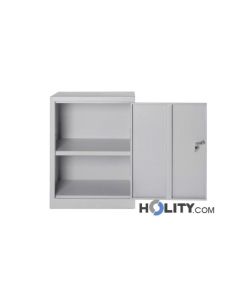
Metal cabinet for document archiving. Dimensions: W.60 x D.40 x H. 80 cm. Made in Italy.
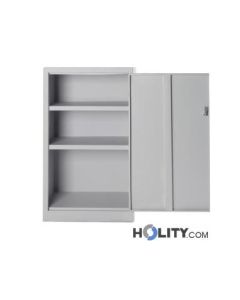
Multipurpose metal cabinet for document storage with internal shelves. Dimensions: W.57 x D.38 x h.102.
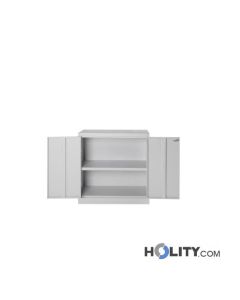
Two-door filing cabinet made of polished sheet metal. Dimensions: W.97xD.38xH.80 cm. Made in Italy.
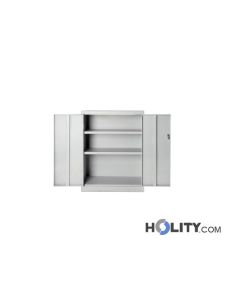
Metal cabinet with 2 hinged doors. Dimensions: W.77xD.37xH.102 mm
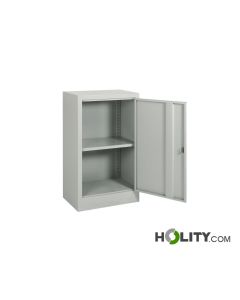
Monobloc steel sheet cabinet 600x400x1000 mm, with adjustable shelf and 180° door, ideal for secure archiving in offices and studios.
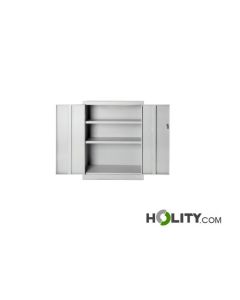
2-door monobloc metal cabinet. Dimensions: W.97xD.38xH.102 cm.
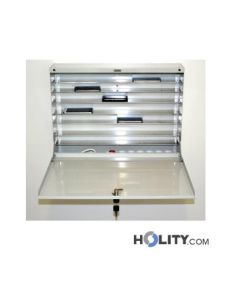
Locker for mobile phones and smartphones with wall mounting. Material: grey steel. Dimensions: W.56 x D.12.6 x h.44 cm.
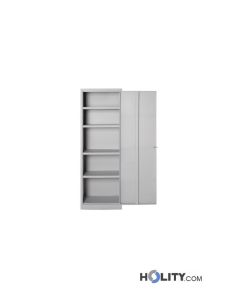
1-door office cabinet made of polished sheet metal and equipped with 4 removable and adjustable shelves. Color: grey Ral 7035. Dimensions: W.60 x D.40 x H.176 cm. Made in Italy.
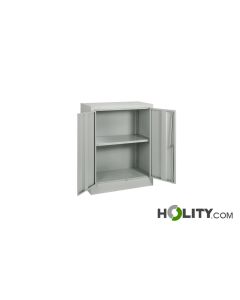
Monoblock sheet steel filing cabinet, 800x400x1000 mm, with adjustable shelf and lock for the secure storage of professional documents.
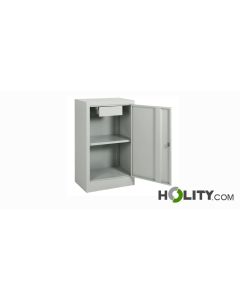
Monoblock metal cabinet with one door in cold-rolled sheet metal, 600x400x1000 mm. Includes internal drawer and adjustable shelf for small offices.
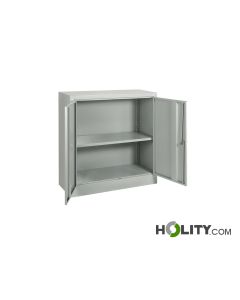
Low monoblock cabinet in RAL 7038 painted sheet metal, 100x40x100 cm, with two 180° doors and key lock for archiving and offices.
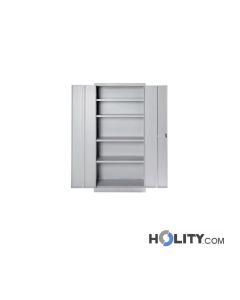
Metal office cabinet made of polished sheet metal with rounded edges. 4 internal shelves and key lock. Made in Italy.
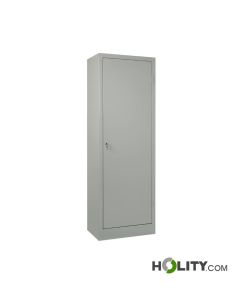
Monobloc office cabinet in sheet steel, 60x40x180 cm. Reinforced door with 180° opening, 4 adjustable shelves and key lock.
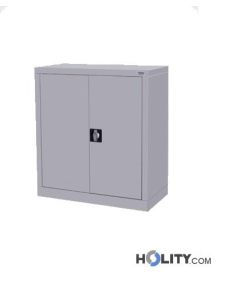
Low metal storage cabinet made of plastic-coated galvanized sheet metal. 10-year rustproof guarantee
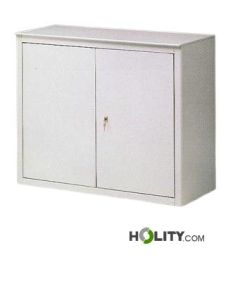
Office top unit with hinged doors. Dimensions: W.100 x D.45 x h.65 cm. Without internal shelves.
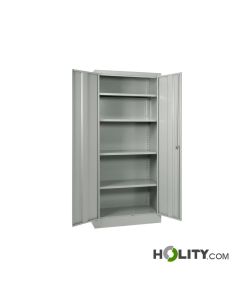
Monobloc metallic cabinet in painted sheet metal, 800x400x1800 mm. Ideal for secure archiving with 4 adjustable shelves and key lock.
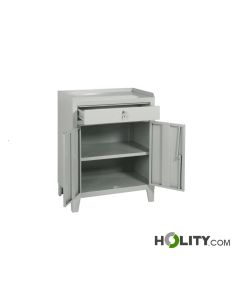
Low painted metal cabinet, 700x450x900 mm. Equipped with external drawer and adjustable shelf for technical and office filing.
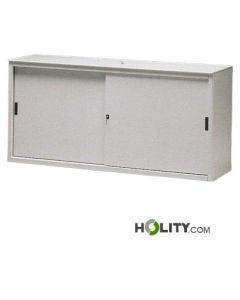
Sheet metal top unit with sliding doors. Dimensions: W.120 x D.45 x h.65 cm. Material: painted sheet metal.
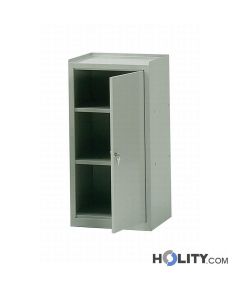
Metal cabinet with 2 pull-out shelves. Hinged door
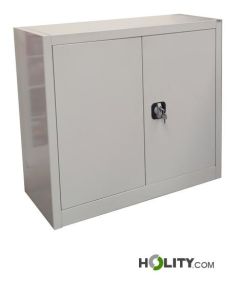
Steel metal office top unit, 100x45x90 cm, with 2 hinged doors and adjustable shelf. Dustproof structure with rounded edges.
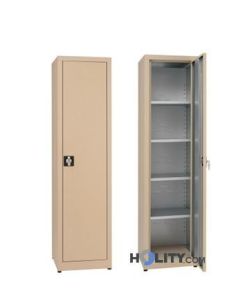
Multipurpose 1-door cabinet in zinc-plastic coated sheet metal. Available in several colors
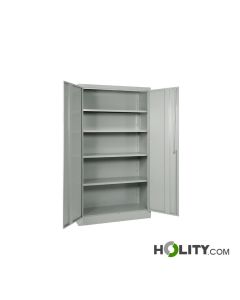
Monobloc metal cabinet in RAL 7038 painted sheet metal, 100x40x180 cm, with 4 adjustable shelves and reinforced doors for professional archiving.
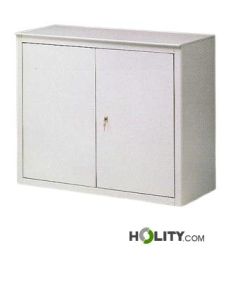
Metal office top unit with hinged doors. With 1 adjustable internal shelf. Dimensions: W.100 x D.45 x h.85 cm.
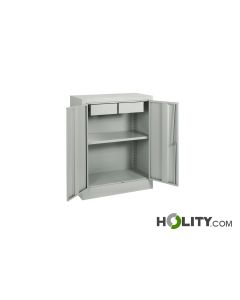
Low sheet steel cabinet RAL 7038, 800x400x1000 mm, 2 doors, adjustable shelf and 2 internal drawers. Ideal for filing in offices and construction sites.
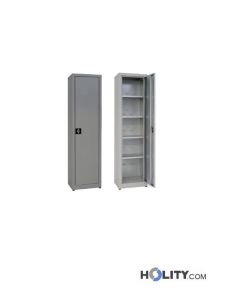
Single-door metal cabinet made of plastic-coated galvanized sheet metal. Suitable for indoor/outdoor use.
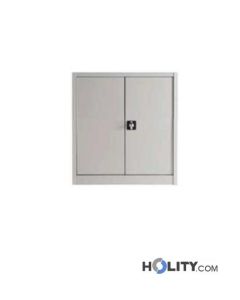
Metal top extension cabinet for offices. Hinged doors. Dimensions: W.100xD.45xH.90 cm
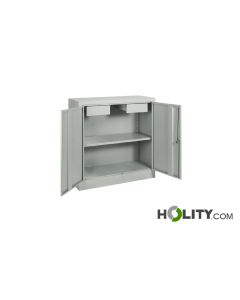
Monoblock metal office cabinet in RAL 7038 sheet steel, 1000x400x1000 mm, with 2 180° doors, adjustable shelf and 2 internal drawers.
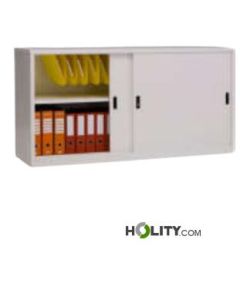
Cupboard top unit with sliding doors for document storage. Dimensions: W.120 x D.45 x h.90 cm. Material: premium quality sheet metal.
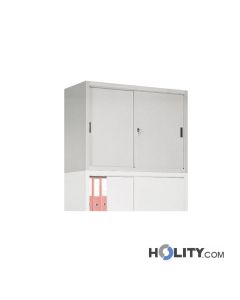
Sheet metal top unit with 2 sliding doors. Dimensions: W.1200xD.450xH.850 mm
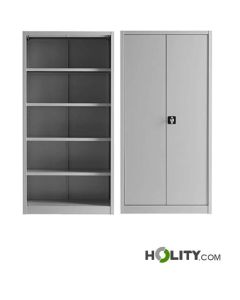
Metal office cabinet with hinged doors. Dimensions: W.100 x D.45 x h.200 cm. Material: sheet steel.
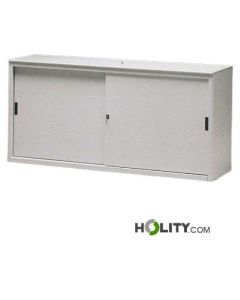
Top unit with sliding doors with 1 adjustable internal shelf. Dimensions: W.120 x D.45 x H.85 cm. Material: painted sheet metal.
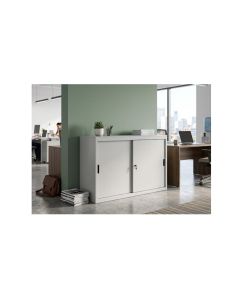
Metal cupboard with blind sliding doors. Sheet steel structure with 1 internal shelf designed for hanging files. Dimensions: W 150 x D 45 x H 90 cm.
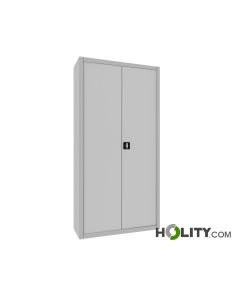
Office cabinet with hinged doors. Dimensions: W. 100 x D. 45 x h. 200 cm. Colour: grey.
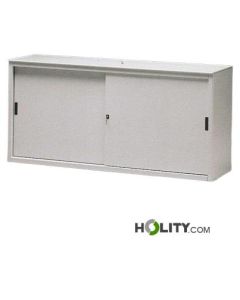
Top unit for office furniture with sliding doors. Dimensions: W.180 x D.45 x h.65 cm. With 2 internal compartments.
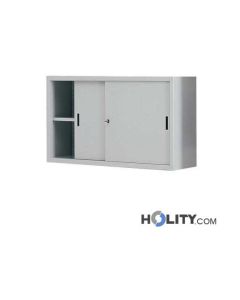
Metal top cupboard with 2 sliding doors. Dimensions: W.120xD.45xH.90 cm
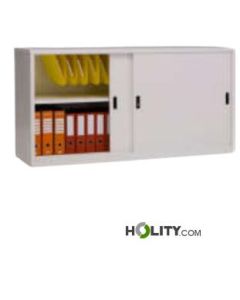
Steel metal extension unit for professional filing, 150x45x90 cm, with two space-saving sliding doors and adjustable internal shelves.
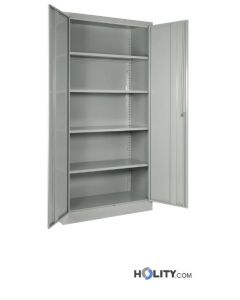
Metal office cabinet for documents and stationery. With 4 wide shelves. Dimensions: W100 x D45 x H200 cm
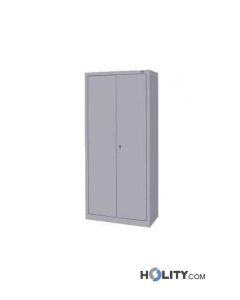
Two-door metal document cabinet made of zinc-plastic coated sheet metal. 10-year anti-rust guarantee
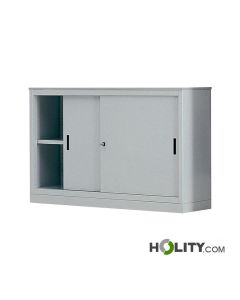
Top unit for offices with sliding doors. Dimensions. W.120 x D.45 x h.68 cm. Material: sheet steel.
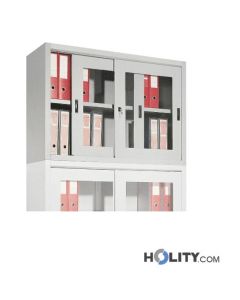
Metal top unit with sliding glass doors. Dimensions: 1200xD.450x1020 mm
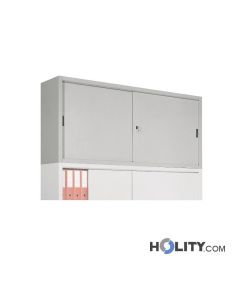
Metal top unit with sliding doors. Dimensions: W.1800xD.450xH.850 mm
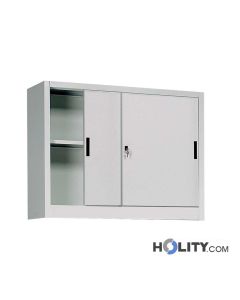
Metal top cupboard with 1 shelf. Dimensions: W.120xD.45xH.88 cm
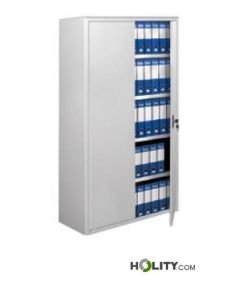
Office cabinet with hinged doors. Dimensions: W.100 x D.45 x H.116 cm. With 1 compartment and 2 adjustable shelves.
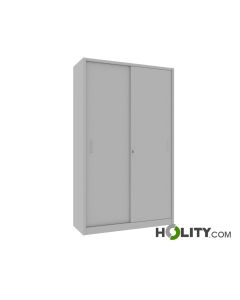
Metal cabinet with sliding doors. Dimensions: W. 120 x D. 45 x H. 200 cm. Color: grey.
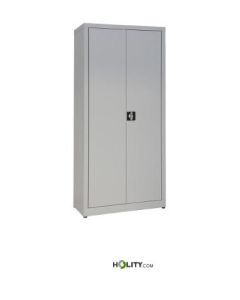
Metal storage cabinet for offices. Material: plastic-coated galvanized sheet metal. Dimensions: W.100 x D.40 x H.180 cm.
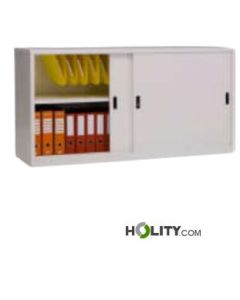
Top-mounted office cabinet in sheet steel, dimensions 180x45x90 cm. Equipped with space-saving sliding doors and adjustable internal shelves.
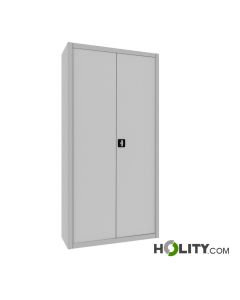
Metal office cabinet with hinged doors. Dimensions: W. 100 x D. 45 x h. 200 cm.
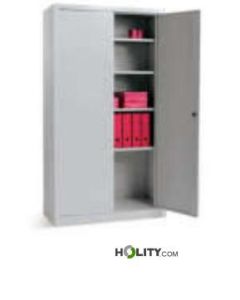
Low multipurpose steel sheet cabinet, 100x45x90 cm, with 2 hinged doors and 4 adjustable shelves. Dustproof structure for storage.
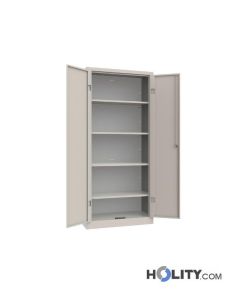
Metal monobloc filing cabinet, swing doors. Dimensions: W.100xD.40xH.180 cm.
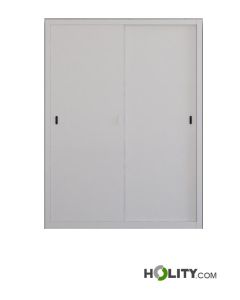
Office cabinet in sheet steel, 120x45x200 cm, with space-saving sliding doors and 4 adjustable shelves for intensive filing.
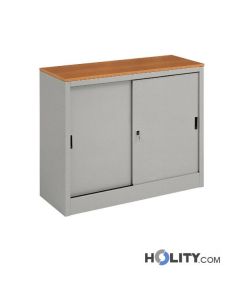
Metal cabinet for document filing with 2 sliding doors. Dimensions: W.1200xD.450xH.1020 mm
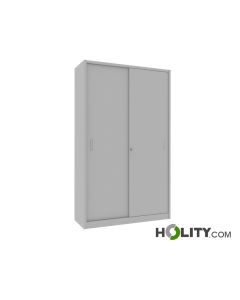
Metal cabinet with sliding doors. Dimensions: W. 120 x D. 45 x h. 200 cm.
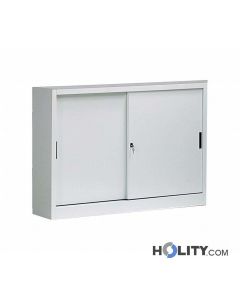
Metal overhead cabinet with 1 shelf and bilaminated top. Dimensions: W.120xD.45xH.91 cm
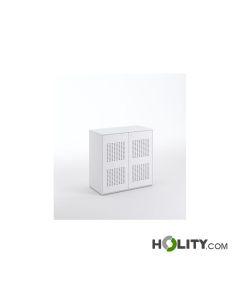
Low metal cabinet in 8/10 steel, 90x45x90 cm, with sound-absorbing doors for acoustic comfort optimization in offices and open spaces.
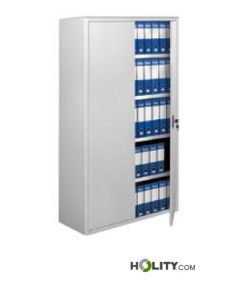
Metal office cabinet with hinged doors. Dimensions: L.100 x D.45 x h.200 cm. With 4 adjustable internal shelves.
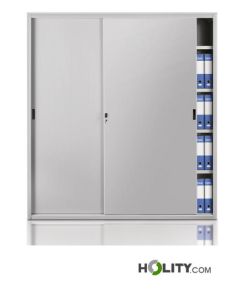
Sliding door cabinet for offices. Dimensions: W.120 x D.45 x h.116 cm. With 2 adjustable internal shelves.
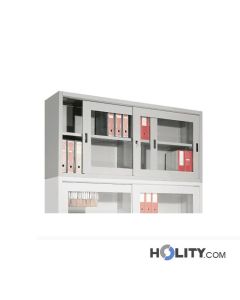
Glass top unit with sliding doors for documents. Dimensions: W.1800xD.450xH.1020 mm
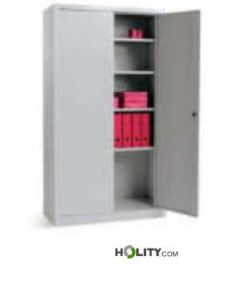
Multipurpose steel metal cabinet (120x45x90 cm) with 4 adjustable shelves and hinged doors with 45° dustproof closure.
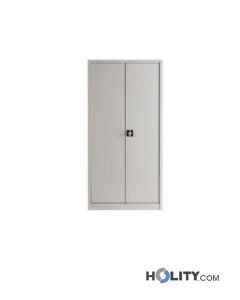
Metal cabinet with sliding doors. Dimensions: W.100xD.45xH.200 cm
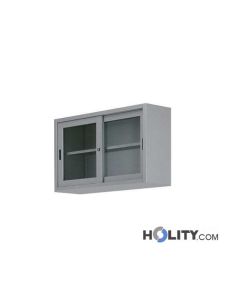
Top cupboard with sliding glass doors. Dimensions: W.120xD.45xH.90 cm
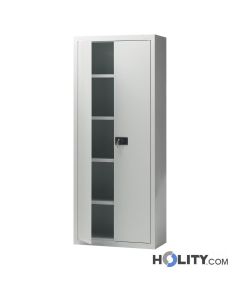
Metal cabinet with 2 hinged doors and 4 shelves. Dimensions: W.80xD.45xH.200 cm
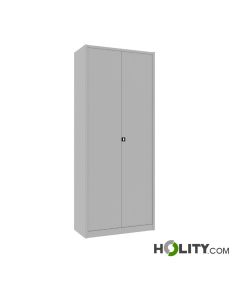
Office cabinet with hinged doors. Available in various colors.
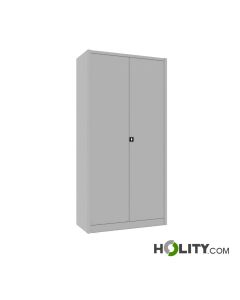
Hinged door cabinet for offices. Dimensions: W. 120 x D. 45 x h. 200 cm.
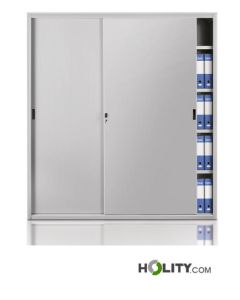
Metal filing cabinet with sliding doors. Dimensions: W.120 x D.45 x h.200 cm. With 1 compartment and 4 adjustable shelves.
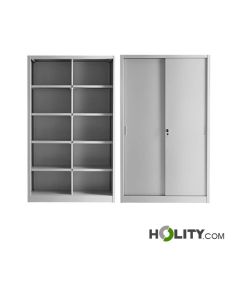
Office filing cabinet with sliding doors. Dimensions: W.150 x D.45 x H.200 cm. Available in multiple colors.
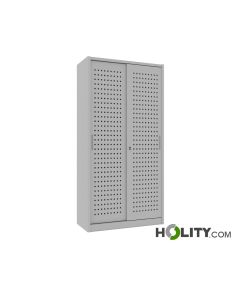
Cabinet with perforated sheet sliding doors for offices. Dimensions: W.120 x D.45 x h.200 cm.
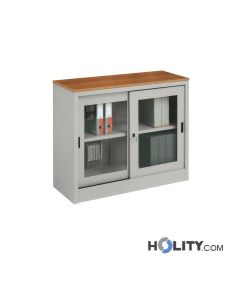
Metal cabinet with sliding glass doors. W.1200xD.450xh.1020 mm
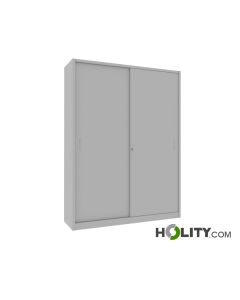
Metal office cabinet with sliding doors. Dimensions: W.150 x D.45 x h.200 cm.
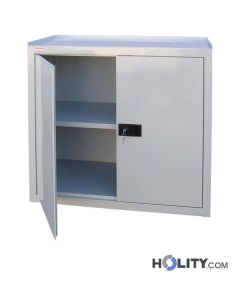
Metal cabinet 1 shelf with 2 reinforcements and 3 reinforcement racks.
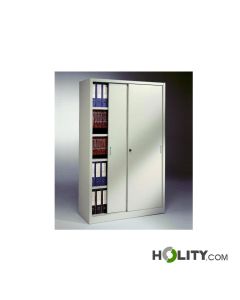
Monoblock storage cabinet in 0.8 mm sheet metal with sliding doors, 120x45x200 cm. Equipped with 4 adjustable shelves compatible with hanging folders.
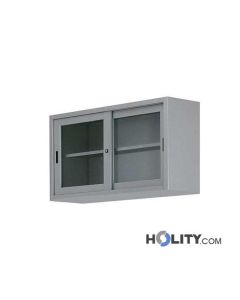
Top cupboard with transparent tempered glass sliding doors. Dimensions: W.180xD.45xH.90 cm
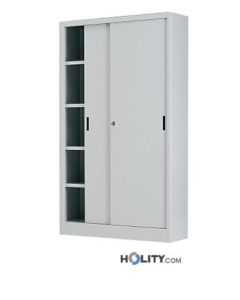
Metal cabinet with sliding doors. Material: sheet steel. Dimensions: W120 x D45 x H200 cm.
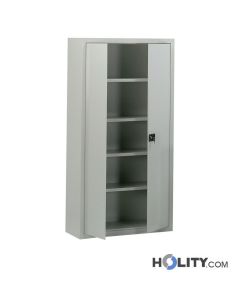
Metal cabinet for archives and offices. Dimensions: W.100xD.45xH.200 cm
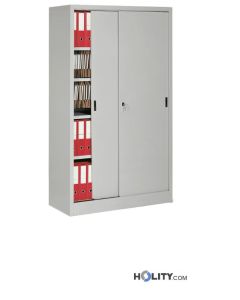
Metal cabinet for document filing in offices or administrative studios. With 2 lockable sliding doors. Dimensions: W120 x D45 x h.200 cm
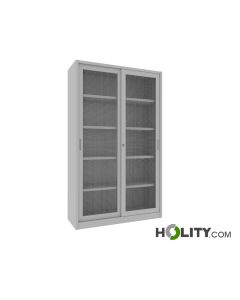
Metal cabinet with mesh sliding doors 120 cm. Dimensions: W. 120 x D. 45 x H. 200 cm.
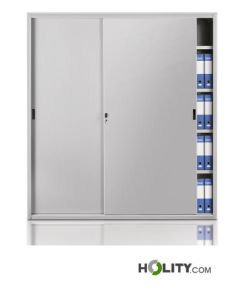
Metal office cabinet with sliding doors. Dimensions: W.150 x D.45 x h.116 cm. with 2 compartments and 2 adjustable shelves for each compartment.
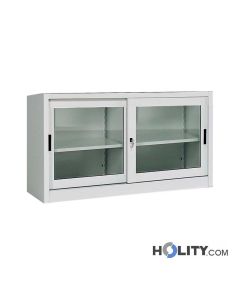
Metal top cupboard extension with glass sliding doors. Dimensions: W.120xD.45xH.88 cm
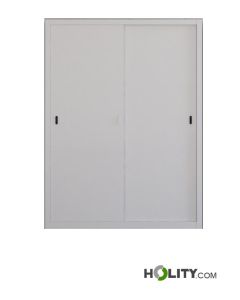
Steel office cabinet (150x45x200 cm) with 2 sliding doors, 8 adjustable shelves and rounded edges for professional archiving.
Low monoblock or top-mounted metal cabinet with solid sliding doors and 1 internal shelf. Structure in first-choice sheet metal and powder coating. Dimensions: W 180 x D 60 x H 90 cm.
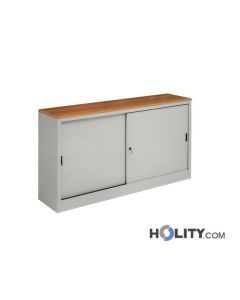
Metal filing cabinet with 2 sliding doors. Key lock. Dimensions: W.1800xD.450xH.1020 mm
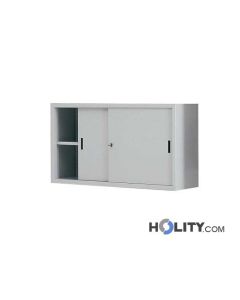
Metal top cabinet extension with 2 compartments and sliding doors. Dimensions: W.200 xD.45xH.90 cm
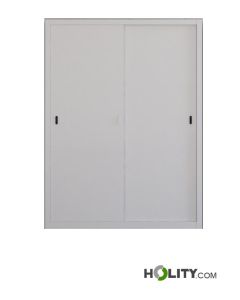
Office steel cabinet (180x45x200 cm) with sliding doors and 8 adjustable shelves. High-resistance structure for professional archiving.
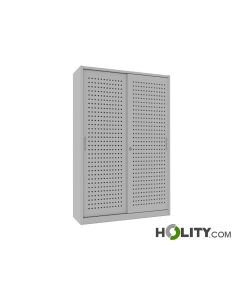
Office cabinet with perforated sheet metal sliding doors. Dimensions: W. 150 x D. 45 x h. 200 cm.
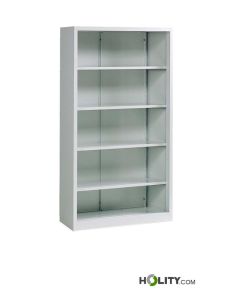
Steel sheet storage cabinet, 120x45x200 cm, with 4 adjustable shelves. Open-front structure without doors for quick access to documents.
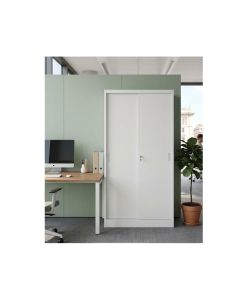
Metal cabinet with solid sliding doors. High-thickness steel sheet structure with 5 internal shelves for hanging folders. Dimensions: W 120 x D 45 x H 250 cm.
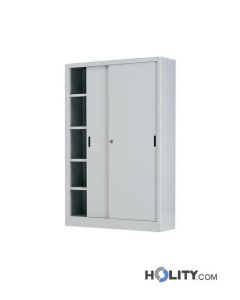
Metal office cabinet 2 sliding doors. Dimensions: W.150xD.45xH.200 cm
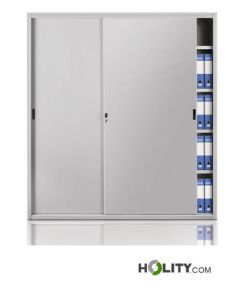
Metal filing cabinet with sliding doors. With 2 internal compartments and 2 adjustable shelves for each compartment. Dimensions: W.180 x D.45 x H.116 cm.
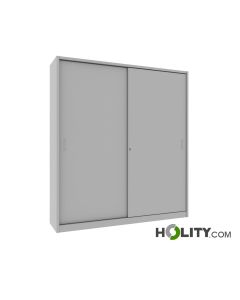
Metal cabinet with sliding doors. Dimensions: W. 180 x D. 45 x h.200 cm.
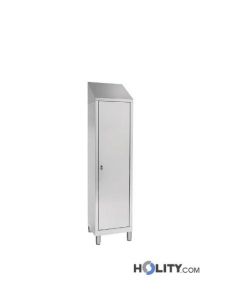
Metal storage cabinet for filing, with sloped roof and single hinged door. In stainless steel
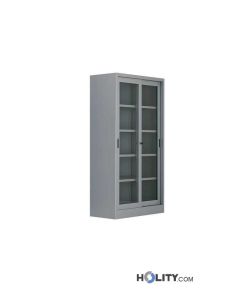
Cabinet with sliding glass doors. Dimensions: W.120xD.45xH.200 cm.
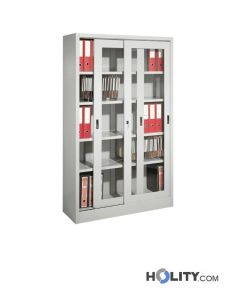
Metal cabinet for document storage with sliding safety laminated glass doors.
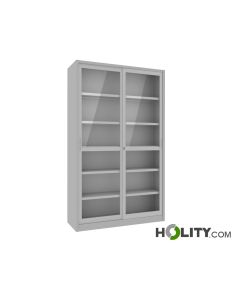
Cabinet with 120 cm tempered glass sliding doors, ideal for offices, schools.
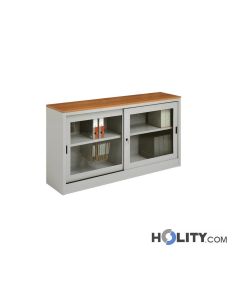
Metal document cabinet with 2 sliding glass doors. Dimensions: W.1800xD.450xh.1020 mm
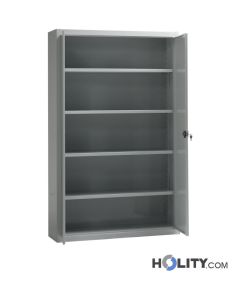
Monobloc metal cabinet for document filing. Hinged doors
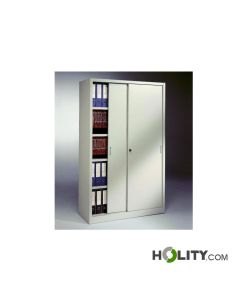
Office cabinet in 0.8 mm sheet metal, 180x45x200 cm. Space-saving sliding doors, 8 adjustable shelves, and security lock for folder archiving.
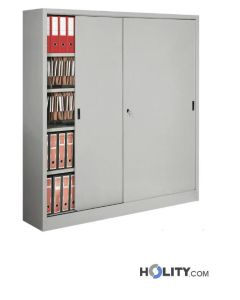
Sheet metal cabinet for document storage with 2 sliding doors and 4 internal shelves. Dimensions: W180 x D45 x H200 cm
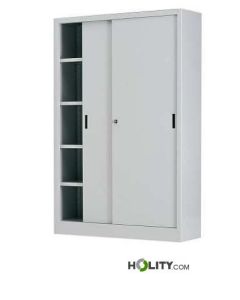
Storage cabinet with 2 sliding doors. Key lock. Dimensions: W.180 x D.45 x H.200 cm.
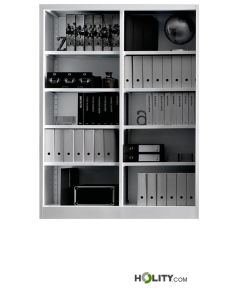
Steel document cabinet, 150x45x200 cm, open-front with central partition and 8 adjustable shelves. Ideal for intensive filing.
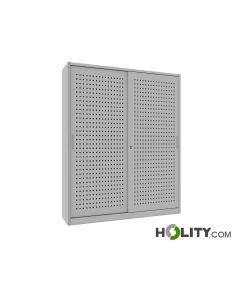
Cabinet with sliding doors in perforated sheet metal. Dimensions: W.180 x D.45 x h.200 cm.
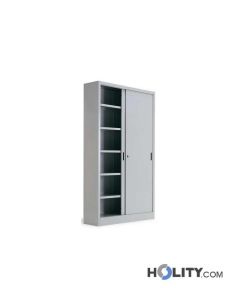
Metal cabinet with assemblable sliding doors. Dimensions: W.120xD.45xH.200 cm
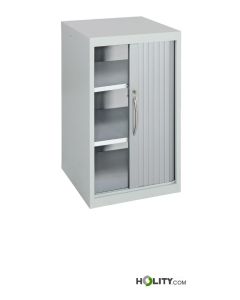
Monobloc multipurpose cabinet with two height-adjustable shelves and sliding door. Material: high quality powder-coated sheet metal.
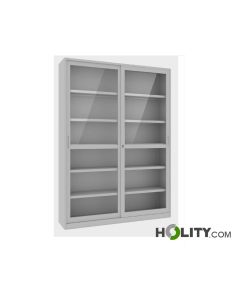
Office cabinet with tempered glass sliding doors 150 cm. Dimensions: W. 150 x D. 45 x h. 200 cm.
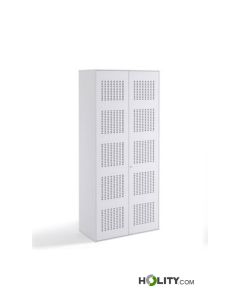
8/10 steel metal cabinet with sound-absorbing doors, W 90 x D 45 x H 200 cm. Ideal for reducing acoustic reverberation in offices and open spaces.
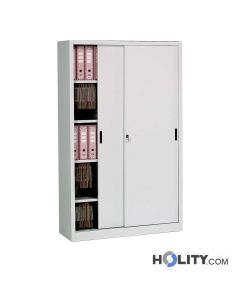
Metal cabinet for document storage with sliding doors. Dimensions: W.120xD.45xH.200 cm
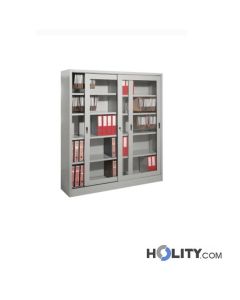
Metal cabinet with 2 sliding glass doors. Dimensions: W.1800xD.450xH.2000 mm.
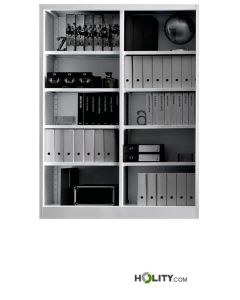
Open metal cabinet in sheet steel, 180x45x200 cm, with central partition and 8 adjustable shelves for fast professional filing.
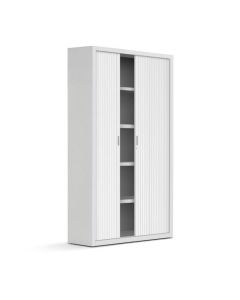
Monobloc metal office cabinet with PVC tambour doors, mm 1200x450x1200h. DC01/FeP01 steel structure 8/10 thickness, RAL 7035 grey color with 2 adjustable shelves for hanging folders.
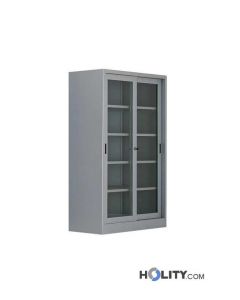
Metal document display cabinet with sliding doors. Dimensions: W.150xD.45xH.200 cm
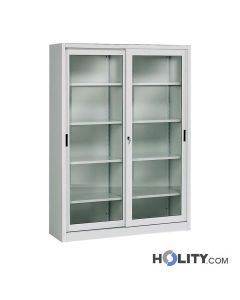
Metal document display cabinet with sliding glass doors. Dimensions: W.120xD.45xh.200 cm
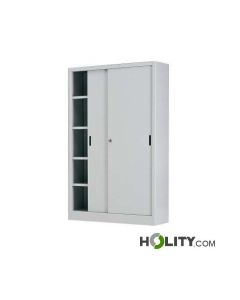
Metal office cabinet in reinforced steel, 150x60x200h cm. Space-saving sliding doors and 4 adjustable shelves for professional archiving.
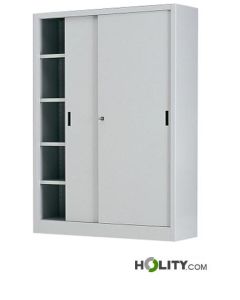
Metal cabinet with sliding doors. Dimensions: W.200 x D.45 x h.200 cm. Material: sheet steel.
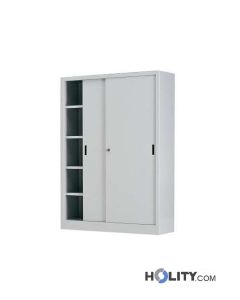
Metal cabinet for document archiving, with sliding doors Dimensions: W.200xD.45xH.200 mm
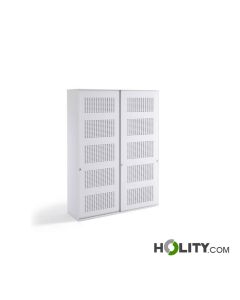
Professional steel archive cabinet 8/10, 120x45x200 cm. Sound-absorbing sliding doors for acoustic comfort and space optimization.
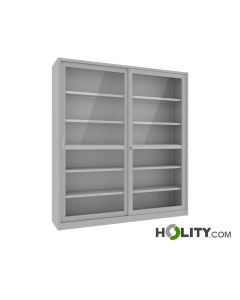
Office cabinet with sliding tempered glass doors. Dimensions: W.180x D.45 x H.200 cm.
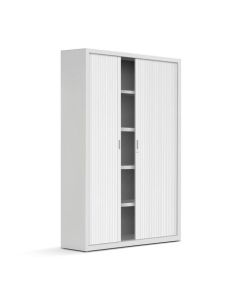
Metal office cupboard with PVC tambour doors, 1200x450x2000h mm. DC01/FeP01 steel structure thickness 8/10, RAL 7035 gray color with 4 adjustable shelves for hanging files.
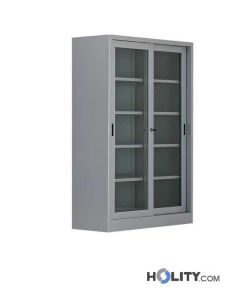
Metal cabinet with sliding tempered glass doors. Dimensions: W.180xD.45xH.200 cm
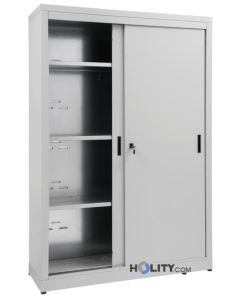
Document cabinet with sliding doors in zinc-plastic coated sheet metal. 10-year rust guarantee.
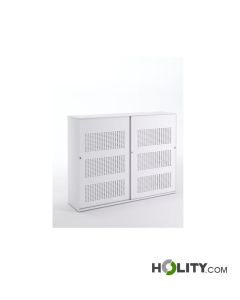
8/10 steel filing cabinet with sound-absorbing sliding doors, 180x45x138 cm. Space-saving solution for acoustic comfort in modern offices.
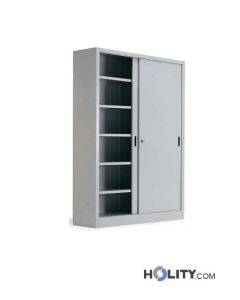
Metal office cabinet, 2 sliding doors. Dimensions: W.180xD.45xH.250 cm
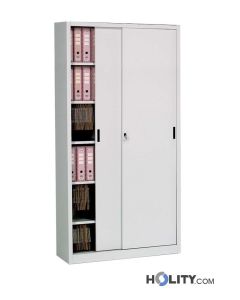
Metal cabinet for filing 5+5 shelves. Dimensions: W.150xD.45xH.250 cm.
Metal office cabinets represent a consolidated solution for organizing workspaces, ensuring secure and durable storage over time. Mainly made of painted or plastic-coated sheet metal, these pieces of furniture combine functionality with structural resistance, adapting to business contexts of different sizes and sector types. The available solutions range from small wall-mounted lockers to large base-mounted storage systems, offering customizable options in terms of size, number of shelves, and opening types.
Metal cabinets are a winning choice when the goal is to maximize available space while maintaining high protection standards for documents and valuable items. Compared to wooden furniture, the metal structure offers superior impact resistance, decade-long durability, and lower need for routine maintenance. In professional environments — technical studios, administrative offices, public facilities — these cabinets solve recurring problems of clutter and difficulty in quickly consulting documentation. Compatibility with key locks or locking systems makes them preferable when handling confidential material or expensive equipment. Polished or painted sheet metal finishes integrate with any modern decor, while standard colors (RAL 7035 gray, RAL 7038 gray) easily adapt to corporate color palettes.
Functional versatility is another decisive factor: a single cabinet can house paper documents, electronic devices, employees’ personal items, or consumable supplies. Removable and adjustable internal shelves allow for quick adaptation to emerging needs without needing to replace the furniture. Furthermore, monoblock metal cabinets — built as a single piece — eliminate the instability problems that sometimes characterize modular systems, ensuring safety even in environments subject to seismic activity or frequent movement of people.
The catalog of metal office cabinets is primarily divided based on the opening system: cabinets with hinged doors represent the traditional solution, characterized by hinged doors that open outwards. This type ensures easy access and immediate visibility of the content, but requires free frontal space for full opening. Hinged cabinets are available in single or double door versions, with variable heights (from 80 cm up to 180 cm) and standardized depths around 40 cm. Models with sliding doors represent the most modern alternative, solving the space problem in narrow environments; the doors slide laterally along tracks, occupying less frontal depth. The latter are particularly appreciated in open spaces or offices where the layout of the furniture is dense. A special category is represented by metal top units, which are elements that can be mounted on top of desks or other furniture to expand vertical storage capacity without occupying additional floor space. Top units maintain the same construction logic (hinged or sliding doors, adjustable shelves) and represent an intelligent solution for buildings where available height is limited or where one wishes to create combined configurations.
From a construction point of view, the main difference concerns monoblock versus assembled construction. Monoblock units are manufactured as a single entity, ensuring superior structural rigidity and ease of movement; assembled ones require on-site assembly but allow for less complex initial logistics. The choice of sheet metal material — painted, plastic-coated, polished, or matte — affects corrosion resistance, maintenance, and aesthetic result. Cabinets made of plastic-coated sheet metal offer rust protection with a ten-year guarantee, making them ideal for environments with high humidity or occasional outdoor use. Internal shelves vary from a minimum of 1-2 up to 4-5, and the possibility of making them removable adds operational flexibility in reorganizing the content without dismantling the structure.
The selection of a metal office cabinet must start from a concrete evaluation of the available space and storage needs. The first criterion is dimensional: width, depth, and height must be measured accurately, considering not only the absolute footprint but also the traffic flow within the environment. A 180 cm high cabinet requires sufficiently high ceilings and the ability to access the upper shelves without excessive effort. Regarding depth, 40 cm represents the standard for most offices; however, if space is particularly tight, top units or mobile phone lockers (depth 12-15 cm) offer valid alternatives. The choice between hinged and sliding doors depends on daily practice: if the cabinet is positioned in corners or against walls, hinged doors might not open completely, making the sliding option necessary. Conversely, if the unit is isolated and accessed frequently, hinged doors facilitate the quick extraction of documents and an immediate view of the contents.
A recurring mistake is underestimating the actual capacity: a 2-door cabinet might appear similar to a 1-door one, but internal dimensions differ significantly. Consulting detailed technical sheets or requesting a technical quote helps avoid surprises at the time of delivery. The number and adjustability of shelves are decisive if managing heterogeneous material: thin paper documents, voluminous files, and devices require different spaces, and being able to vary the distance between shelves is advantageous. As for security, the presence of a key lock is mandatory if the cabinet holds confidential material; some models also include locking systems that prevent spontaneous opening in case of movement. Finally, evaluate the quality-price ratio by considering the rust-proof guarantee: a cabinet with ten-year protection represents a more durable investment than a standard painted model, especially in environments with humidity or significant thermal variability.
Metal cabinets intended for use in work environments must comply with a series of European and Italian standards that guarantee structural safety and correct use. The UNI EN 14727 standard specifies the requirements for storage furniture, including test methods for stability and load resistance. In the field of occupational safety, the Machinery Directive and Legislative Decree 81/08 require that furniture does not pose risks of falling objects or instability, particularly in environments where personnel pass frequently. For cabinets with doors, hinge resistance and behavior in case of accidental opening are parameters controlled during design. The CE declaration of conformity must accompany every metal cabinet placed on the European market, certifying that the product has undergone constructive and functional checks according to international standards.
In the context of fire prevention, if the cabinet stores voluminous paper material, it contributes to the fire load of the environment and must be considered in the risk assessment by the entity responsible for safety. Cabinets made of plastic-coated sheet metal benefit from specific regulations regarding corrosion protection (UNI EN ISO 12944), which defines durability classes based on the environment (dry indoor, humid indoor, outdoor, etc.). If the cabinet is intended for a building subject to energy efficiency constraints (NZEB standards or higher), it is necessary to check that the choice does not conflict with strategies for reducing thermal mass or thermal insulation, although metal cabinets have less influence than other construction components. Finally, for medical use or in laboratories, verify compliance with UNI EN ISO 14644 (clean rooms) or standards relating to compatibility with sterile materials, if relevant.
Explore all the products in the category and compare the available solutions to find the one best suited to your operational context. The proposed configurations include variations in size, opening system, and load capacity, allowing you to identify the cabinet suitable for the specific characteristics of your work environment.
Hinged door cabinets open outwards with hinges, providing full access to the content but requiring free frontal space. Sliding door units have doors that glide laterally on tracks, making them ideal for narrow spaces or dense furniture configurations. The choice depends on space availability and frequency of access.
Standard dimensions include widths from 60 cm (single door) up to 120 cm (double door), depths of 40 cm (standard) or less for top units, and heights from 80 cm to 180 cm. Construction details (number of shelves, weight, capacity) vary by model; consult the technical data sheets for exact specifications of the desired solution.
Yes, most modern cabinets offer removable and height-adjustable shelves, thanks to hook holes on the internal structure. This feature allows the space between shelves to be adapted to the dimensions of the items stored without disassembling the unit, facilitating future reorganizations.
No, plastic-coated sheet metal is designed to resist corrosion with minimal maintenance. Periodic cleaning with a damp cloth and drying is sufficient. The ten-year rust-proof guarantee covers any oxidation phenomena under normal indoor use conditions, making it particularly suitable for humid environments.
Monoblock cabinets arrive already assembled, requiring only positioning and possible wall fixing if required for stability. Assembled models include assembly instructions; for installations in special environments (raised, with heavy loads, or bound by anti-seismic regulations), it is advisable to entrust the work to a professional.
The load depends on the model and the internal structure. Standard office cabinets generally support 100-150 kg per shelf, uniformly distributed. Always check the technical sheet of the specific product; for higher load requirements, industrial solutions exist with greater capacity and a reinforced structure.
The key lock provides protection against accidental access or occasional curiosity, but does not guarantee protection against organized theft. For highly sensitive or high-value material, associate the cabinet with further security measures (wall fixing, specific armored cabinets, or storage in controlled areas with limited access).
Yes, plastic-coated sheet metal cabinets are suitable for indoor/outdoor use thanks to corrosion protection. However, prolonged exposure to direct rain, salt air, or extreme temperatures still requires a verification of the durability class according to UNI EN ISO 12944 standards and a semi-covered placement when possible.
 English
  Italian
 French
 German
 Spanish