
mon-fri 9-13 / 14.30-18.30
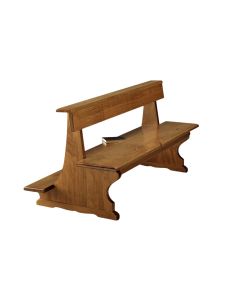
125 cm church pew in seasoned wood with straight seat and kneeler. 32 mm reinforced structure with non-slip rubber pads.
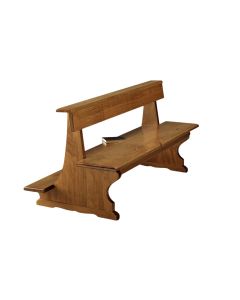
150 cm church pew in seasoned wood with straight seat and kneeler. 32 mm reinforced structure with non-slip rubber pads.
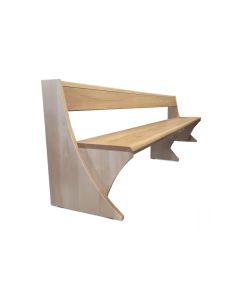
125 cm church bench in seasoned wood with straight seat (version without kneeler). 32 mm reinforced structure with non-slip rubber pads.
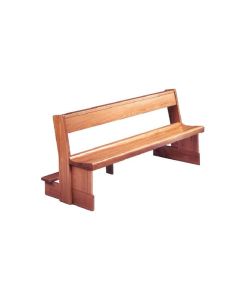
125 cm church pew in seasoned wood with straight seat and kneeler. 32 mm reinforced structure with non-slip rubber pads.
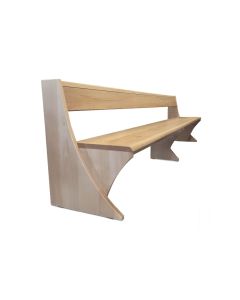
150 cm church pew in seasoned wood with straight seat (version without kneeler). 32 mm reinforced structure with anti-slip rubber pads.
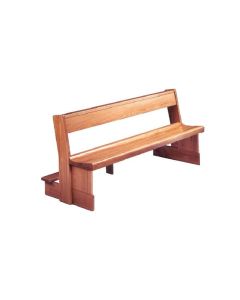
150 cm church pew in seasoned wood with straight seat and kneeler. 32 mm reinforced structure with non-slip pads.
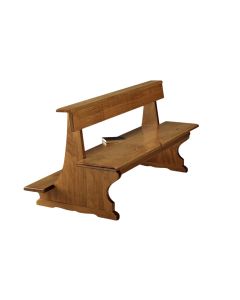
200 cm church pew in seasoned wood with straight seat and kneeler. 32 mm reinforced structure with non-slip rubber pads.
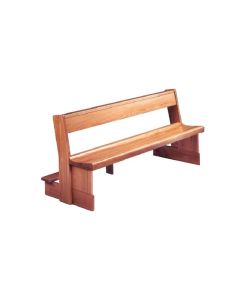
200 cm church pew in seasoned wood with straight seat and kneeler. 32 mm reinforced structure with non-slip pads.
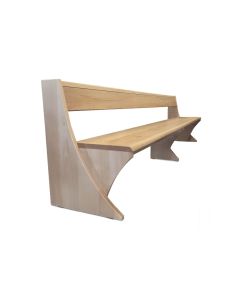
200 cm church pew in seasoned wood with straight seat (version without kneeler). 32 mm reinforced structure with non-slip rubber pads.
The choice of sacred furniture represents a fundamental moment in defining the architectural and functional identity of a place of worship, where the church pew is not just a seat, but an element of mediation between the faithful and the liturgical space. These structures must meet strict requirements for ergonomics, durability, and decorum, integrating harmoniously with the existing aesthetics, whether linked to a historic basilica or a contemporary chapel. The modern design of a church bench focuses on the balance between the solidity of solid wood and the need to offer comfortable support during celebrations, while ensuring an optimal distribution of spaces for passage and communal prayer.
Current technical solutions allow for the customization of every aspect of the product, from the choice of wood species to the configuration of accessories, such as foldaway kneelers or book holders integrated into the backrest. Choosing professional equipment in this sector means investing in products intended to last for decades, resisting daily wear and the hygrometric variations typical of large buildings. Our selection is designed to support architects, parish priests, and community leaders in the search for a solution that combines the cabinet-making tradition with modern collective use needs, always ensuring the maximum dignity of the sacred environment.
Installing a professional church pew responds to needs that go far beyond simple sitting, directly influencing the perception of hospitality and solemnity of a nave. A high-quality product is designed to promote correct posture during the different phases of the liturgy, alternating moments of listening with moments of genuflection without generating fatigue or annoying noises that could disturb meditation. The use of wood, a noble material par excellence in the sacred furniture sector, guarantees an optimal acoustic response, helping to avoid excessive reverberation inside environments often characterized by imposing volumes and reflective stone surfaces.
Furthermore, choosing pews made according to industrial criteria but with artisanal finishes allows for managing constant flows of people in total safety, thanks to stable bases and self-supporting structures that do not necessarily require invasive fixing to prestigious historic floors. The versatility of these furnishings allows for decorating with the same stylistic coherence both large cathedrals and small prayer rooms, offering a sense of order and visual continuity. The mechanical resistance of the joints, often made with dovetail joints or hidden supports, ensures that the pew does not suffer structural failure under load, maintaining formal integrity in the long term even under conditions of intensive use during holidays or large community events.
The range of church pews is divided into several variants to satisfy both aesthetic taste and the specific dimensional needs of modern and ancient sacred buildings. The types vary mainly based on the design of the end panels, which may feature square and minimalist lines for avant-garde architectural contexts, or shaped and molded profiles that recall the classic and Neo-Gothic style. The availability of different wood species, such as oak, ash, or beech, allows for playing with color tones, ranging from the warm and deep grains of dark walnut to the light and bright surfaces of natural wood, ideal for illuminating naves with poor sun exposure.
In addition to aesthetics, the types differ in functional configurations: church benches are available in standard fixed lengths or modular units that allow for covering large areas without visual interruptions. Kneelers can be fixed, mobile with a cushioned folding system, or padded for superior comfort. Some models feature slightly inclined ergonomic backrests, while others maintain traditional verticality to respect the formal rigor required in certain liturgical contexts. The choice between a model with or without a lower document shelf depends largely on the community’s use, preferring formal cleanliness in more minimalist contexts or practicality where the consultation of missals and songs is frequent.
To select the most suitable church pew model, it is essential to start from an accurate analysis of the floor plan and the desired seating capacity, avoiding the common mistake of overcrowding the naves at the expense of safety and the fluidity of movement. A fundamental technical criterion concerns the assessment of the length of individual pews: spans that are too long can be difficult to manage in the event of cleaning or extraordinary maintenance, while pews that are too short could excessively fragment the visual space. It is essential to consider the distance between one backrest and another, which must allow for easy use of the kneeler without it hitting the heels of those sitting in the previous row, maintaining a passage corridor in compliance with fire safety regulations.
Another critical factor in the choice is the compatibility of the materials with the internal microclimate of the building: in historic churches subject to humidity fluctuations, it is preferable to opt for stabilized woods with specific treatments that prevent cracking or movement of the wood over time. Attention must also be paid to construction details, verifying that there are no sharp edges or exposed hardware that could damage the garments of the faithful or cause minor injuries. Finally, considering the possibility of integrating seats for the disabled among the rows or providing pews with custom lengths to adapt to pillars or architectural recesses is a sign of attention to inclusivity and care for detail that elevates the quality of the overall furnishing project.
The production and installation of church pews must comply with precise regulations regarding safety in buildings open to the public and, in many cases, must respect the indications of the diocesan commissions for sacred art. Reference standards mainly concern the fire resistance of the materials and paints used, which must be fire retardant to limit risks in the event of a fire, especially in high-density areas. The stability of the pew is another fundamental requirement: the structure must be designed not to tip over even in the event of accidental pushes, ensuring a wide and well-balanced supporting base relative to the center of gravity of the seat.
From an ergonomic point of view, although there is no specific ISO standard for sacred furniture only, general principles for collective seating are followed, ensuring that the seat height and pew depth are accessible to a heterogeneous audience, which includes the elderly and children. In the case of buildings subject to cultural heritage constraints, it is mandatory that the positioning of the pews does not alter the historical integrity of the floors or wall structures; in such contexts, solutions with weighted bases are preferred, which guarantee firmness without the need for holes. Finally, compliance with safety regulations in the workplace for those involved in maintenance requires that surfaces be easily washable and treated with non-toxic substances, preserving the health of the faithful and operators.
Explore all the products in the category and compare the available solutions to find the one most suitable for your operational context.
The most commonly used woods for the production of pews are oak and ash for their extreme mechanical resistance and durability. Beech is highly appreciated for its compactness, while walnut is chosen for contexts of high aesthetic value. Each species guarantees structural stability and a color yield that enhances the sacred environment.
Certainly, dimensional customization is one of the advantages of professional production. Pews can be made in varying lengths, usually from 150 to 400 centimeters, to perfectly adapt to the geometry of the nave, respecting safety corridors and optimizing the total capacity of the place of worship without wasting space.
In a modern church, clean and geometric lines are preferred, avoiding excessive decorations. The use of light woods such as natural oak or bleached finishes is recommended, which integrate well with contemporary materials such as exposed concrete or glass. The design must focus on functionality and visual continuity with the presbytery and the altar.
Most church pews are supplied with an integrated kneeler, which can be fixed or folding. The folding system is ideal for facilitating floor cleaning and the passage of the faithful between rows. Many models also offer the option of padding to ensure greater comfort during prolonged moments of prayer.
The wood undergoes painting cycles with high-resistance polyurethane or water-based products, which protect the surface from scratches, humidity, and UV rays. These treatments are essential to prevent the wood from drying out or staining, maintaining the beauty of the natural grains unaltered even after decades of continuous use.
Maintenance requires the use of soft cloths slightly moistened with water or specific neutral detergents for wood, absolutely avoiding abrasive products or aggressive solvents. Periodically, protective waxes can be applied to nourish the wood fibers, maintaining the original shine and protecting the surface from the wear typical of collective seating.
It is not mandatory if the pew structure is designed with a base wide enough to guarantee anti-tipping. In many historic buildings, where the floor is restricted or prestigious, stable self-supporting pews are used. In modern buildings, however, fixing using small hidden anchors is often preferred for absolute stability during large crowds.
 English
  Italian
 French
 German
 Spanish