
mon-fri 9-13 / 14.30-18.30
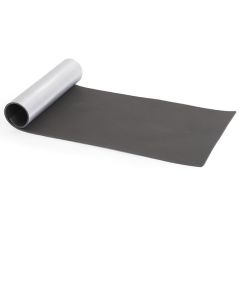
Physiotherapy mat in polymer foam, 180x70x1 cm, gray. Space-saving roll-up structure for rehabilitation and postural gymnastics.
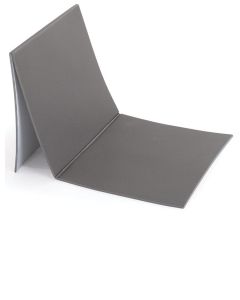
Folding rehabilitation mat in foam material, 180x70x1 cm. Space-saving structure ideal for physiotherapy and specialized clinics.
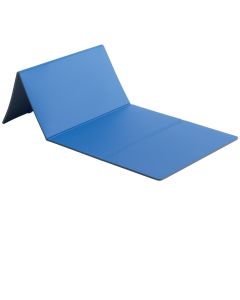
Pack of 4 pieces
€209.00 VAT excl.Professional folding physiotherapy mat in 30 kg/m³ foam resin, 140x60x0.8 cm, with non-slip bottom and tear-resistant cover.
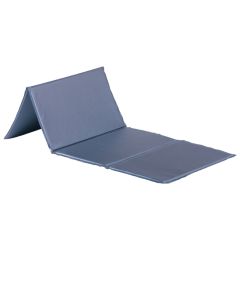
Pack of 4 pieces
€251.00 VAT excl.Professional folding mat in antibacterial fabric (150x60x1 cm), ideal for rehabilitation and fitness thanks to its compact and washable design.
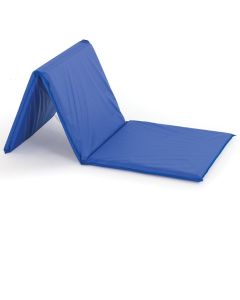
Professional rehabilitative mat in blue PVC, 180x60x4 cm. Space-saving folding structure for physiotherapy and intensive motor activity.
Pack of 3 pieces
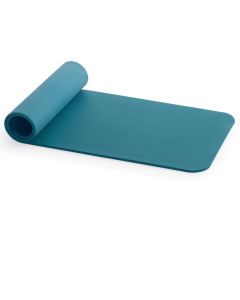
€267.00 VAT excl.Professional closed-cell foam mat, 140x60x1 cm. Waterproof and antibacterial, ideal for medical gymnastics and outdoor use.
Pack of 2 pieces
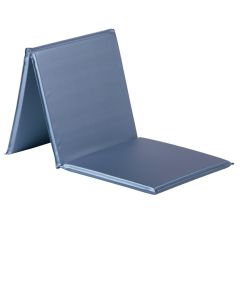
€178.00 VAT excl.Professional folding mat in antibacterial and fungicidal fabric (155x60x3.5 cm), ideal for rehabilitation, physiotherapy and holistic disciplines.
Pack of 2 pieces
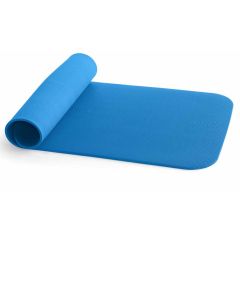
€251.50 VAT excl.Professional roll-up mat in closed-cell foam, 185x60x1.5 cm. Shock-absorbing and waterproof for physiotherapy and rehabilitation.
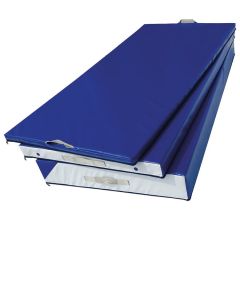
Foam rubber and PVC gymnastics and rehabilitation mattress, 200x100x5 cm. Hygienic, removable cover, with handles and class 2 fire-retardant certification.
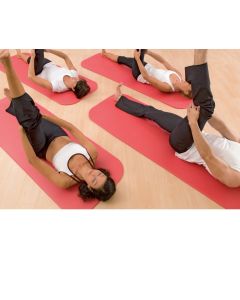
Pack of 2 pieces
€388.00 VAT excl.Professional closed-cell foam mat (200x100x1.5 cm), non-slip surface and CE 93/42/EC certified antibacterial properties.
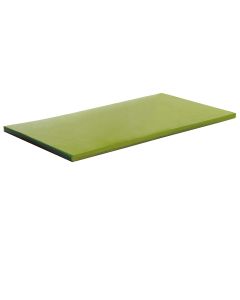
Physiotherapy mat in graduated density foam (200x100x5 cm), fireproof and washable imitation leather covering, ideal for floor exercises.
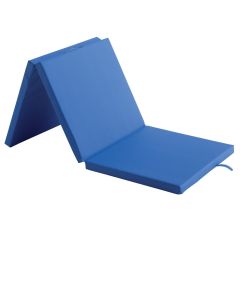
Foldable mat in 30 kg/m³ density resin, 195x70x5 cm, high-resistance coating, non-slip and fireproof bottom for medical use.
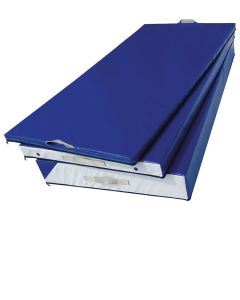
Physiotherapy mat 200x100x10 cm in foam rubber and class 2 fire-retardant PVC. Removable cover, antibacterial and equipped with transport handles.
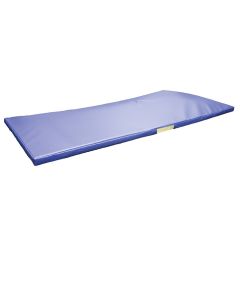
Professional mat 200x100x5 cm in high-density bonded foam, fire-retardant anti-mold coating and non-slip bottom for rehabilitation and sports.
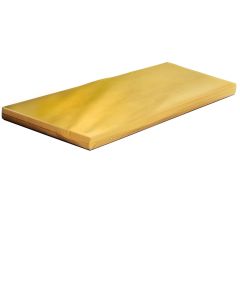
Physiotherapy mat in graduated density foam (200x100x10 cm) with fireproof, washable imitation leather upholstery and rounded edges.
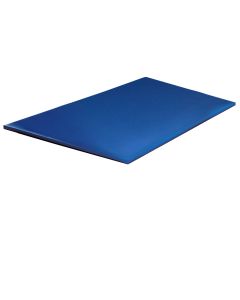
Professional gym mat in 21 kg/m³ foam, 200x140x3 cm. Removable fireproof blue faux leather cover for medical and sports use.
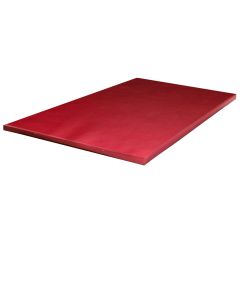
Professional fire-retardant foam mat (21 kg/m³), 200x140x5 cm, with removable and washable red canvas-backed faux leather cover.
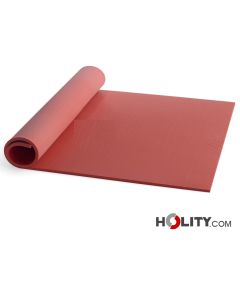
Closed-cell foam mat for physiotherapy and hydrotherapy, 200x125 cm. Antibacterial, waterproof, and CE certified for medical use.
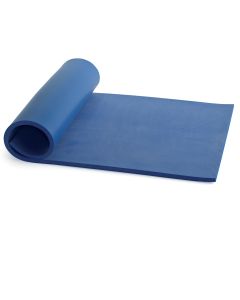
Closed-cell foam rehabilitation mat, 200x100x2.5 cm. Waterproof and cushioning, ideal for physiotherapy and professional use.
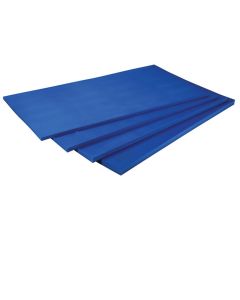
Physiotherapy mat in integral skin polyurethane, 200x100x3 cm. Open-cell structure for shock absorption and high resistance.
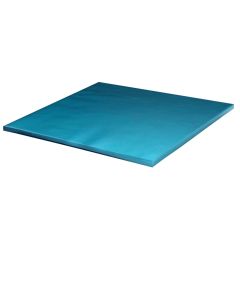
Medical rehabilitation mat in graduated density foam (200x200x5 cm). Removable and washable fire-retardant imitation leather cover.
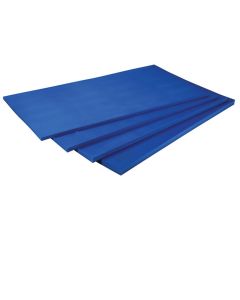
Gymnastics mat in integral skin polyurethane, 200x100x5 cm. Open-cell structure for high shock absorption and breathability.
Physiotherapy mats are a fundamental tool in environments dedicated to rehabilitation, postural gymnastics, and specialized physical therapies. These products are designed to offer a comfortable and safe surface during therapeutic exercises, motor rehabilitation sessions, and prevention activities. The choice of the correct mat directly affects the effectiveness of the treatment and patient comfort, influencing stability during movements, cushioning of limbs, and ease of sanitization in medical contexts.
A wide range of solutions allows the product to be adapted to specific clinical needs: from lightweight, rollable mats for private therapy practices to professional high-density structures for intensive rehabilitation centers. Compliance with European regulations for medical devices is an essential aspect, as is the focus on flame-retardant, antibacterial, and waterproof materials that guarantee durability and hygiene.
The use of a dedicated physiotherapy mat brings tangible benefits to both the therapist and the patient. An appropriate surface reduces the risk of trauma during rehabilitation exercises, promotes correct postural alignment, and allows the professional to work in ergonomic safety. Professional mats absorb the impact of limbs during floor movements, protecting joints and the spine from excessive stress. In clinical contexts such as rehabilitation centers, specialized clinics, and hospital facilities, a good mat becomes an integral part of the therapeutic protocol, improving patient adherence to the care program thanks to the greater perceived comfort.
From a practical standpoint, professional mats simplify the daily management of therapeutic spaces. Many models are foldable or rollable, allowing for efficient storage in environments with limited space. The hygienic properties of modern materials—removable covers, total waterproofing, antibacterial treatments—ensure compliance with the sanitization standards required by the medical sector. Maintenance becomes simple and fast, a critical aspect in facilities with high patient turnover where the prevention of cross-contamination is a priority.
The market offers differentiated solutions to meet specific therapeutic needs. Lightweight expanded polymer mats (1 cm thickness) represent the entry-level solution, ideal for private practices, basic exercises, and postural gymnastics. Mats in 30 kg/m³ expanded resin and closed-cell foam guarantee greater density and cushioning, perfect for post-injury rehabilitation and intensive physical therapies. Graduated density foam rubber and expanded polyurethane mats represent the top of the range, with variable thicknesses (3-10 cm) and superior elastic properties, intended for specialized centers and hospital structures.
In addition to the internal structure, the coatings differ significantly: flame-retardant and removable synthetic leather for medical environments with high sanitization standards, PVC for greater durability in intensive contexts, and antibacterial fabric for sports and holistic applications. Some models include additional elements such as integrated carrying handles, rounded edges for safety, anti-slip bottoms for stability during exercises, and water-repellent properties for use in pools or humid environments. The choice between compact formats (140x60 cm) and professional formats (200x200 cm) depends on the available space and the number of patients managed daily.
Selecting the appropriate mat requires a preliminary assessment of the specific critical factors of the context. First, identify the type of prevailing activity: postural gymnastics and mobility exercises require thinner surfaces (0.8-1.5 cm) to maintain postural stability, while post-operative rehabilitation and chronic pain treatment benefit from greater thicknesses (5-10 cm) for better cushioning. The average weight of the patients influences the required density of the internal material—insufficient density leads to premature sagging and loss of support over time. Dimensions are equally critical: a private practice can operate with compact formats (140x60 cm), while a rehabilitation center with dedicated rooms requires larger surfaces (200x200 cm) for complex exercises and work with multiple therapists simultaneously.
The operating environment further defines the required properties. Hospital facilities with strict hygiene regulations need removable and waterproof covers, certified flame-retardant materials (minimum class 2), and ease of decontamination. Private practices and sports centers may prioritize ease of transport and maintenance, opting for foldable models and washable coatings that are not necessarily removable. A frequent mistake is underestimating the importance of CE certification for medical devices—all products intended for therapeutic use must have European marking and compliance with specific regulations. Budget and frequency of use also determine the quality class: facilities with high turnover require premium materials with greater wear resistance, while occasional uses tolerate economic solutions as long as they are safe and compliant.
Professional physiotherapy mats fall into the category of medical devices according to European Directive 93/42/EC and subsequent national regulations. CE certification represents a mandatory requirement for marketing in Europe, ensuring that the product meets safety, biocompatibility, and therapeutic efficacy standards. Specific regulations such as UNI EN 597 regulate the fire resistance of materials, imposing a minimum fire-retardant classification for use in public and medical environments. Flammability tests are particularly relevant for coatings and padding, with specific tests simulating behavior in case of contact with a direct flame or hot surfaces.
Microbiological safety is a central topic in healthcare facilities: materials must be hygienic, resistant to mold and bacteria, and compatible with the disinfection methods in use (alcohol, sodium hypochlorite, hot water). Anti-mold and antibacterial properties are not optional but minimum requirements to prevent contamination in contexts where patients' biological vulnerability is high. Some materials require specific waterproofing performance to prevent absorption of biological fluids, with standardized penetration tests. Wear resistance, measured according to repeated abrasion parameters, ensures durability over time and the maintenance of hygienic properties even after numerous washing and decontamination cycles. Full documentation of certifications, constituent materials, and maintenance instructions must accompany every professional product sold in the medical market.
Explore all the products in the category and compare the available solutions to find the one best suited to your operational context. The catalog offers certified mats for medical use, from entry-level solutions for private practices to professional systems for intensive rehabilitation centers, with diverse thicknesses, materials, and coatings to guarantee therapeutic effectiveness and regulatory compliance.
The thickness depends on the specific use. For postural gymnastics and light mobility, 1-1.5 cm is sufficient. For post-injury rehabilitation and intensive therapies, 5-10 cm is preferred. Overweight patients benefit from higher density. Always evaluate the average weight of the patients and the type of exercises prevalent in your context.
It depends on the cover. Models with removable covers allow machine washing at low temperatures. Mats with fixed PVC or synthetic leather covers only tolerate surface cleaning with mild detergents and water. Always check the manufacturer's instructions. Waterproofing ensures that liquids do not penetrate the internal structure.
Closed-cell foam is waterproof, antibacterial, and hygienic—ideal for medical environments. Open cells absorb shock better and promote breathability, useful in sports contexts. For hospitals and clinics, closed-cell is the mandatory choice for regulatory compliance and microbiological safety.
It is not recommended. Yoga mats often lack medical CE certification, adequate flame-retardant properties, and guaranteed waterproofing. Professional physiotherapy requires certified devices with higher safety standards. Using non-compliant products exposes you to legal risks and compromises therapeutic effectiveness.
A high-quality professional mat lasts 5-8 years with proper maintenance in medium-use environments. High-turnover centers may need replacement every 3-4 years. Premium materials (polyurethane, foam rubber) last longer than inexpensive foams. Storing in a dry environment protected from direct light extends useful life.
Closed-cell foams with PVC or synthetic leather covers guarantee total waterproofing to biological fluids. CE certification specifies water penetration performance. Materials like traditional foam rubber absorb moisture: for wet environments, always choose confirmed waterproof closed-cell foam.
A private practice with limited space can operate with 140x60 cm or 180x70 cm—sufficient for individual floor exercises and postural work. If couple treatments or complex mobility sessions are planned, 200x100 cm is preferred. Foldable models allow vertical storage, optimizing space.
Yes. Flame-retardant treatments (minimum class 2) do not release toxic substances onto patients during normal use. CE certification guarantees biocompatibility. Flame retardancy is a legal requirement in public and medical environments to prevent the rapid spread of fires, benefiting general safety.
 English
  Italian
 French
 German
 Spanish