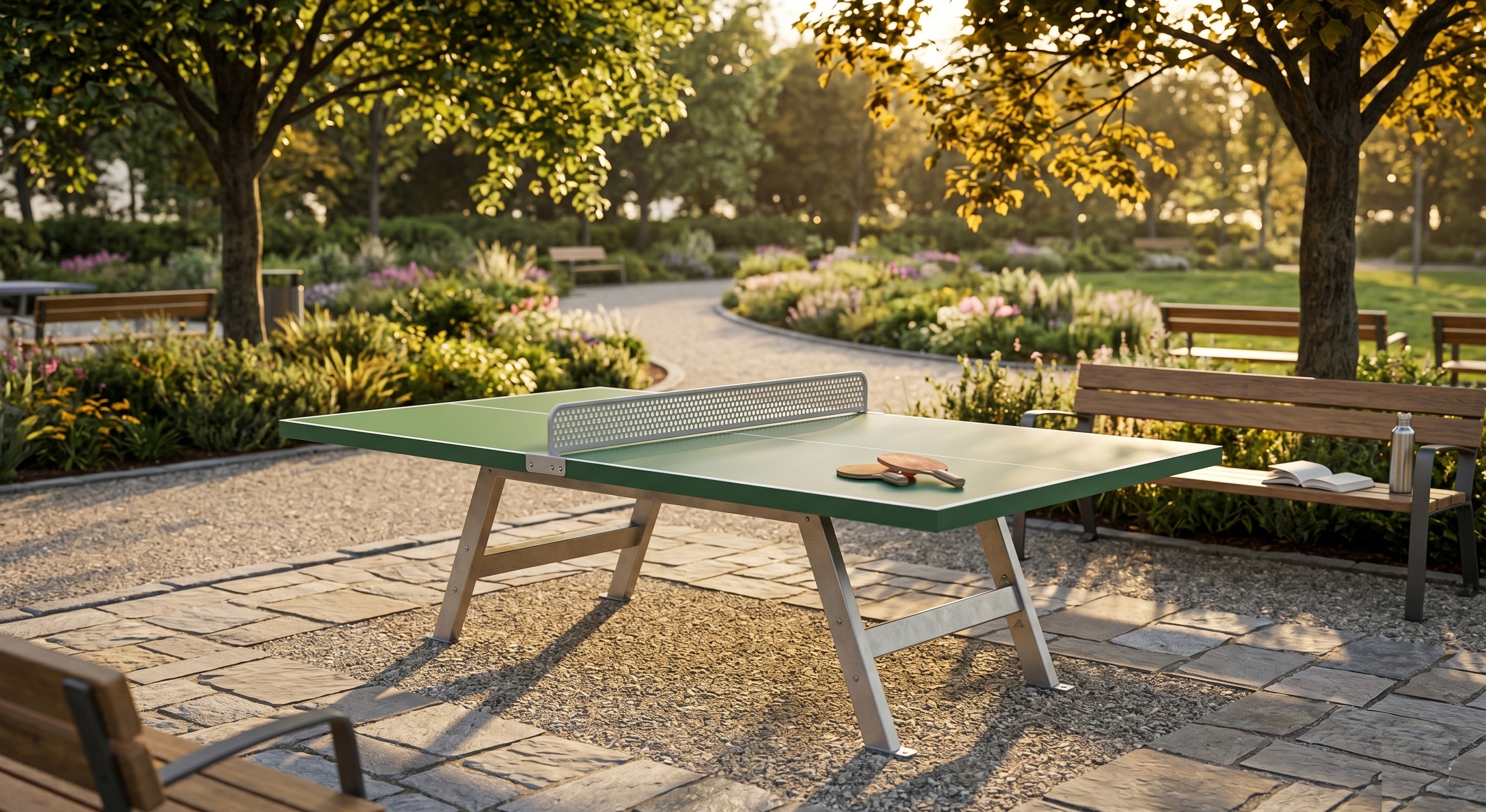
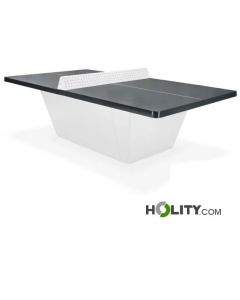
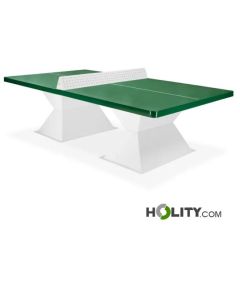
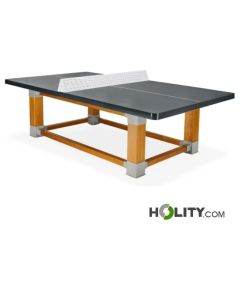
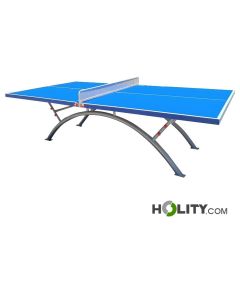
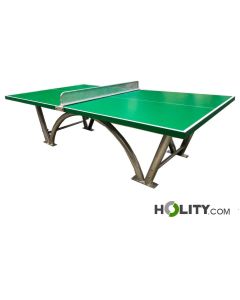
In recent years, public spaces are taking on an increasingly broader function than simple urban use. Parks, squares, green areas and pedestrian zones are designed to encourage aggregation, physical activity and the permanence of people within outdoor environments. In this scenario, the public area ping pong table represents an increasingly common solution in urban sports furniture projects, thanks to its ability to combine play, inclusiveness and transversal use.
The outdoor ping pong table is in fact adapted to very different contexts. It can be installed in public parks, schools, campsites, multifunctional sports areas, seafronts or collective spaces intended for leisure time. The simplicity of the game, the ease of access and the possibility of of use by users of different ages make these tables an increasingly sought-after element within urban redevelopment programs. Specialized companies such as Holity , active in the supply of professional equipment and furnishings for institutions and communities , today offer solutions designed specifically for high-traffic outdoor environments.
 The role of ping pong in contemporary public spaces
Modern public areas are no longer considered exclusively spaces of passage. More and more administrations and urban planners are focusing on the creation of environments that encourage permanence, socialization and shared use. In this context, the outdoor ping pong table represents a piece of equipment capable of generating spontaneous interaction between people of different ages, habits and origins.
Ping pong has a particularly interesting feature for the urban context: it is an intuitive and accessible sport. It does not require specific athletic preparation or complex infrastructures. This allows public areas to become dynamic and lively places throughout the day. The inclusion of ping pong tables in parks or squares also helps improve the perception of urban space, encouraging positive attendance and active use of outdoor areas.
Why choose a ping pong table for public areas
Accessible and inclusive sports equipment
One of the most relevant aspects of ping pong tables for public areas concerns accessibility. Children, adolescents, adults and the elderly can use the same table without requiring particular technical skills. This favors the creation of truly inclusive spaces, capable of involving different users within the same urban environment.
Public administrations and accommodation facilities are increasingly introducing light sports elements into their outdoor projects precisely to encourage well-being and aggregation. public area ping pong table allows a simple green area to be transformed into an active space, increasing the liveability of the context and encouraging social interaction in a natural way.
Reduction of degradation and enhancement of urban space
Frequented public areas generally tend to maintain a higher level of care and social protection. Introducing outdoor sports equipment such as ping pong tables made of concrete or vandal-proof materials helps make the spaces more lived-in and participatory. This effect is particularly evident in urban redevelopment projects aimed at residential neighborhoods, schools, or peripheral areas.
The presence of elements dedicated to play and sport in fact changes the perception of public space. People tend to stay longer in equipped areas, encouraging continuous use and widespread sociality. For this reason, many administrations consider outdoor ping pong a simple but effective tool for improving urban quality and collective use.
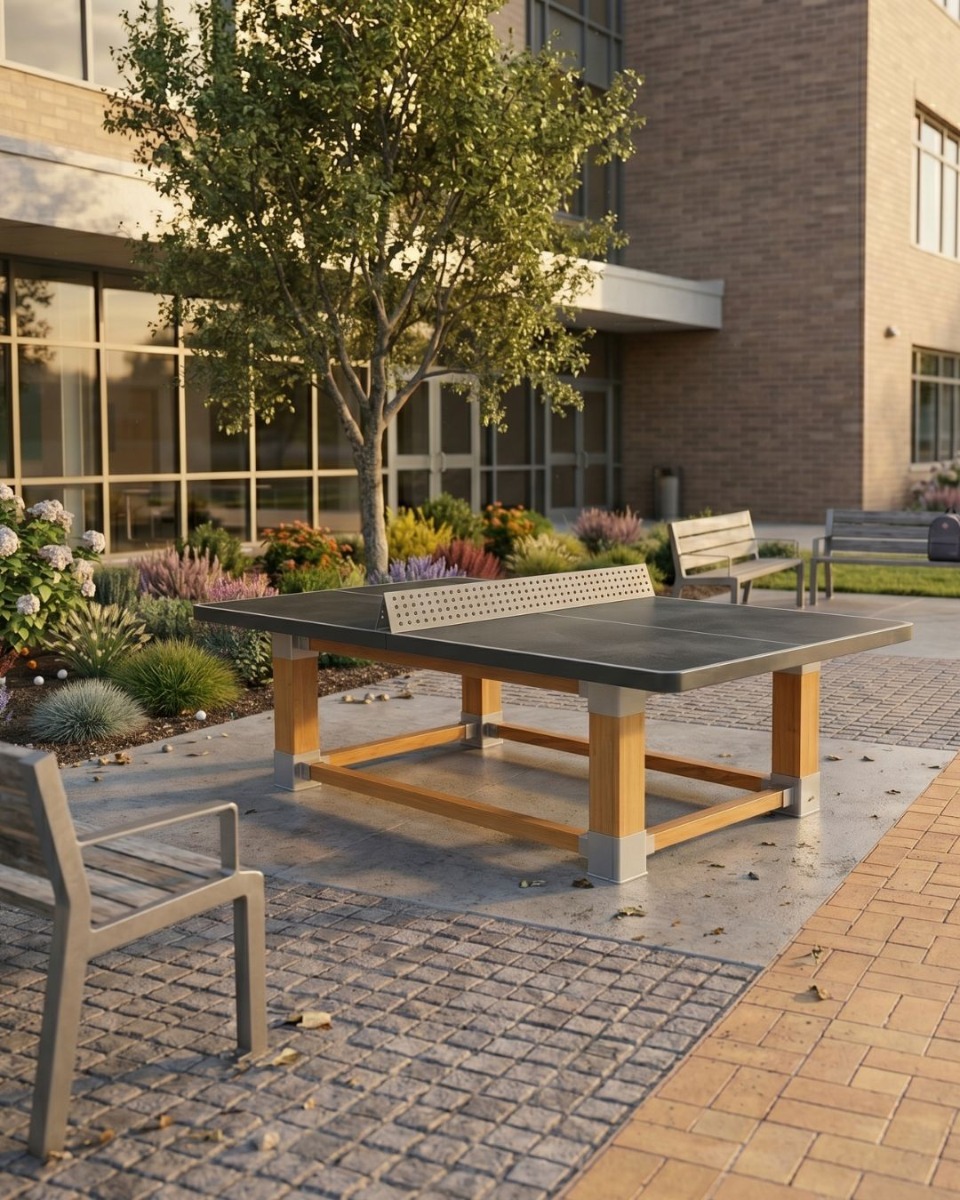 Materials and characteristics of outdoor ping pong tables
Why concrete is one of the most used solutions
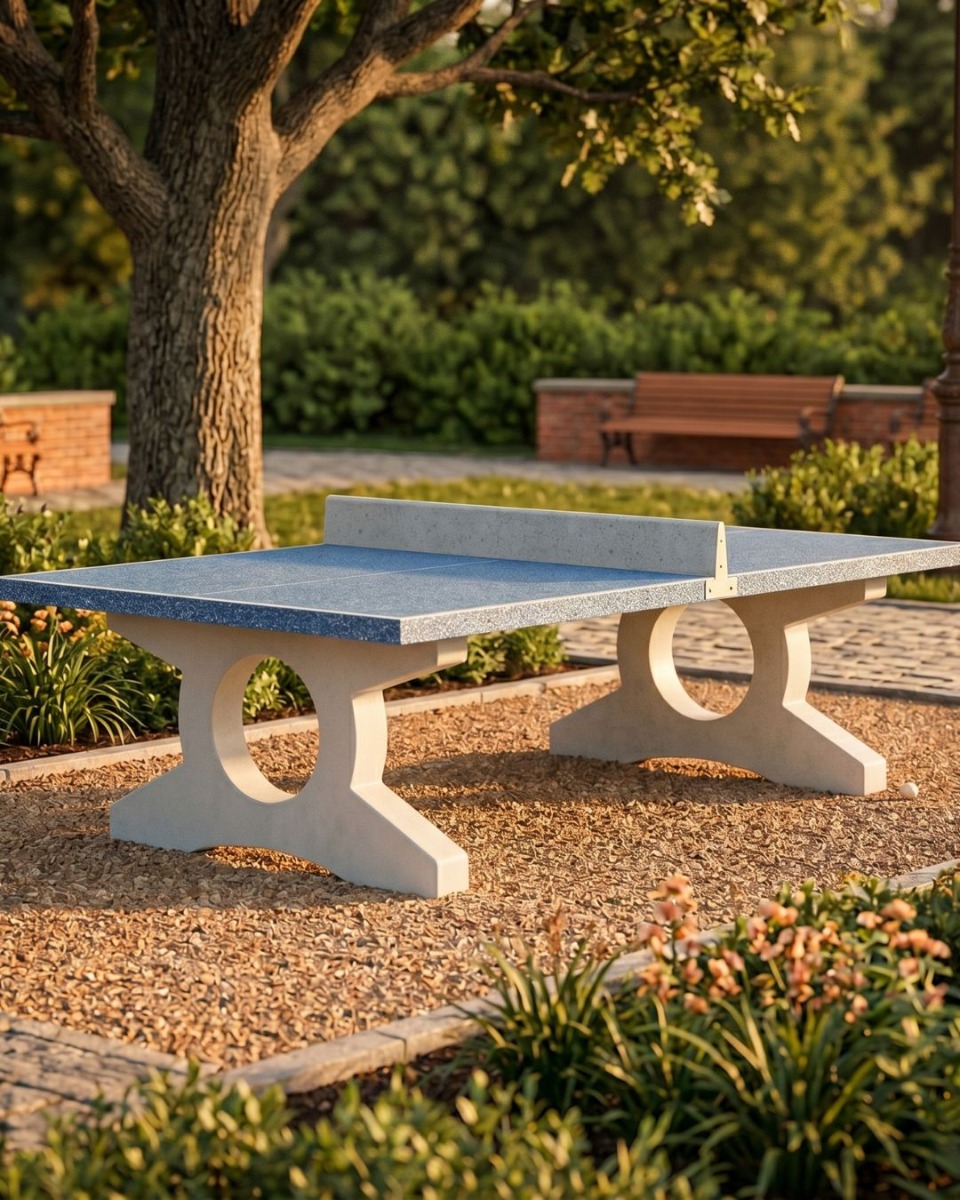
Ping pong tables intended for public areas must meet very different needs compared to domestic or indoor models. The main priority concerns resistance to atmospheric agents, to wear and to intensive use. For this reason, the concrete models represent one of the most popular solutions in public contexts.
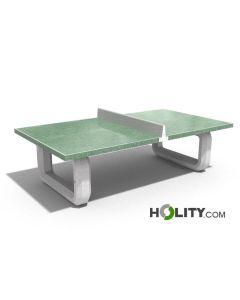
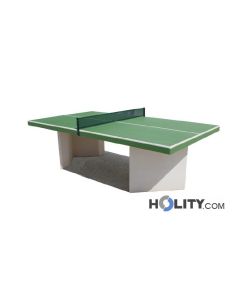
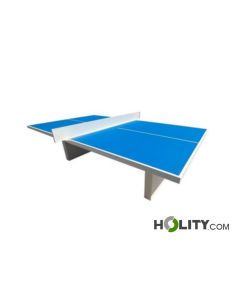
The concrete ping pong table guarantees high stability, long life and reduced maintenance. It is a particularly suitable solution for public parks, schools and campsites, where the table remains permanently installed and is used daily by numerous users. Holity offers various professional solutions designed specifically for high-traffic outdoor environments, with materials designed to guarantee resistance over time.
Resistance to atmospheric agents and intensive use
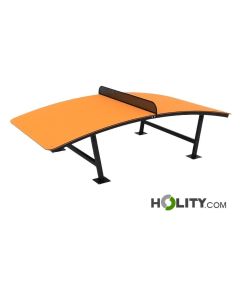
An outdoor table for public areas must be designed to withstand rain, sun, humidity and temperature changes. The materials used have a direct impact on the durability of the product and the quality of the gaming experience. In addition to concrete, tops made of layered resin or high-strength composite materials are often used.
The net also represents an important element in models intended for public spaces. Integrated solutions in galvanized steel or concrete reduce the risk of damage and frequent maintenance interventions. In highly frequented urban environments, these details become fundamental to guarantee functionality and continuity of use over time.
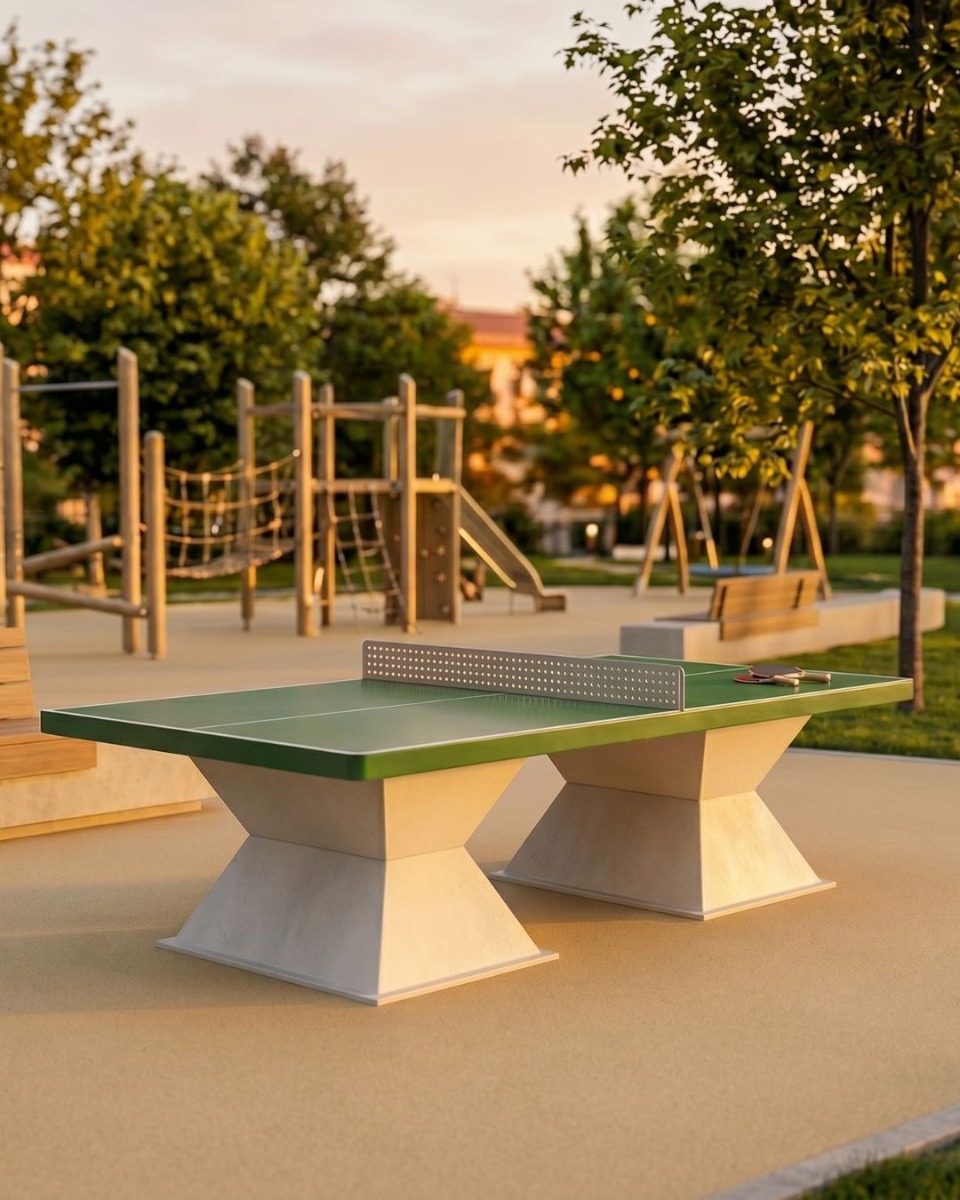 Where to install outdoor ping pong tables
Public parks and green areas
Urban parks are one of the most suitable contexts for installing outdoor ping pong tables. In these areas, the game helps create spontaneous aggregation points, encouraging permanence and shared use of the space. The inclusion of lightweight sports equipment also allows for an expansion of available activities without requiring particularly invasive infrastructure.
Many municipalities are introducing ping pong tables into fitness trails, multifunctional playgrounds, or areas dedicated to free sport. This solution encourages a more dynamic use of the park and allows for the involvement of different age groups within the same urban space.
Schools, campsites, and accommodation facilities
Schools, campsites, tourist villages, and accommodation facilities are also increasingly using outdoor ping pong tables as a permanent recreational element. In fact, ping pong is a simple activity to organize and easily accessible to large groups.
In the school context, the outdoor table helps create spaces dedicated to socializing during breaks or recreational activities. In hospitality facilities, however, ping pong is often integrated into relaxation and leisure areas to increase perceived quality and the variety of available services.
How to choose the most suitable table for a public area
The choice of table depends on several factors: installation location, expected level of use, type of users and available maintenance. In public contexts, it is generally preferable to orient oneself towards professional models specifically designed for continuous outdoor use.
It is important to carefully evaluate the stability of the structure, the quality of the materials and the resistance of the finishes. Professional solutions such as those distributed by Holity allow the table to be integrated into urban sports furniture projects while maintaining high standards of durability and safety. In public contexts, in fact, the quality The construction quality directly affects the longevity of the investment and the usability of the space in the long term.
Outdoor sports and increasingly shared urban spaces
Contemporary cities are progressively valorizing the concept of active public space. Outdoor games and light sports activities become useful tools for improving urban quality, social inclusion and collective well-being. In this scenario, the ping pong table represents a versatile, accessible solution that can be easily integrated into numerous contexts.
The installation of a public area ping pong table allows little-used areas to be transformed into dynamic and participatory spaces. Parks, schools, campsites and squares can benefit from a simple element capable of encouraging meetings, physical activity and the positive use of urban space. For public bodies and designers, relying on specialized suppliers such as Holity also allows you to choose professional solutions specifically designed for high-traffic outdoor environments.
 English
  Italian
 French
 German
 Spanish