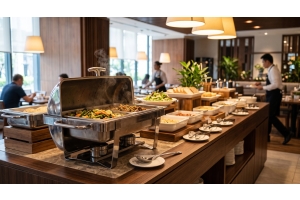
The spread of electric mobility and energy storage solutions is also changing the operational needs of the hospitality sector. Hotels, resorts, residences, and accommodation facilities are increasingly managing devices powered by lithium batteries, such as e-bikes, electric scooters, UPS systems, cordless equipment, professional cleaning devices, and photovoltaic systems with storage. This evolution brings with it new needs related to safety, storage, and risk prevention.
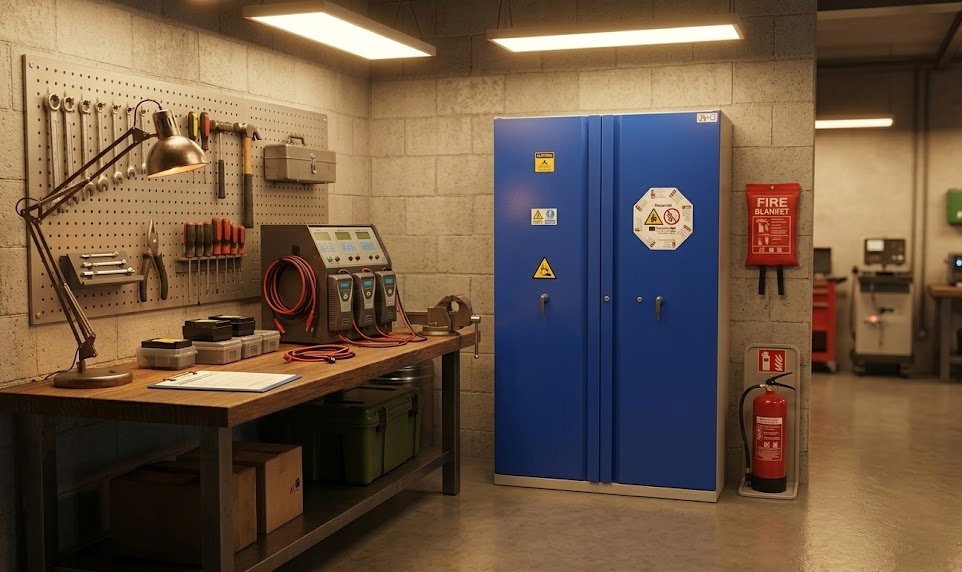
The lithium battery cabinets Today, they represent a fundamental solution for organizing battery charging and storage in high-traffic professional environments. In hotels, where guests, staff, and electronic equipment are constantly present, choosing a compliant cabinet designed to contain any thermal issues reduces operational risk and improves the management of technical spaces. Specialized companies such as Holity, active in the supply of professional equipment for hotels and hospitality facilities, offers solutions dedicated to the needs of the hospitality sector.
Why Hotels Need Lithium Battery Cabinets
In recent years, many accommodation facilities have introduced sustainable mobility services. Rentals of electric bicycles, scooters for guests, electric shuttles, and cordless devices for internal maintenance require the daily use of numerous rechargeable batteries. In many cases, these are stored in makeshift utility rooms, without adequate ventilation or protection.
A lithium battery safety cabinet Instead, it allows for centralized storage and charging in a controlled space. This aspect is particularly important in hotels, where operational continuity and guest safety are top priorities. A certified containment system helps limit the risks associated with overheating, short circuits, or accidental damage to the cells.
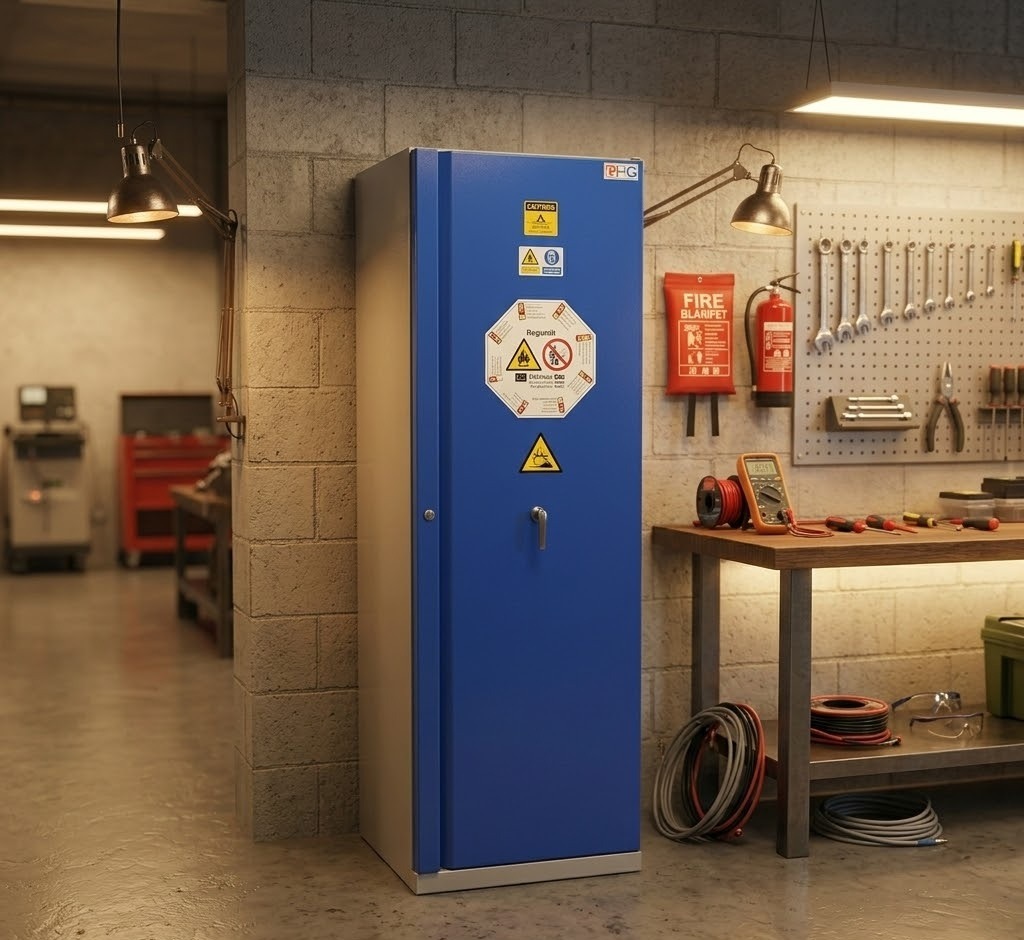 What risks do lithium batteries pose in hospitality facilities?
Lithium-ion batteries offer high energy performance and short charging times, but require proper usage and storage conditions. In the event of shock, overcharging, or internal defects, some cells can develop thermal runaway phenomena. This process, known as thermal runaway, can cause fires that are very difficult to control with traditional systems.
In a hotel setting, the risk isn't limited to electrical devices used by in-house staff. More and more guests are traveling with electric scooters, folding bicycles, or high-energy electronic devices. Providing protected areas for battery charging reduces hazards and improves fire safety management throughout the facility.
The essential characteristics of a lithium battery cabinet
Fire resistance and certified structure
One of the most important elements concerns the capacity of the cabinet to contain any fires. Fireproof cabinets for lithium batteries They are designed with high-temperature resistant materials and specific thermal insulation systems. Fire resistance classifications may vary depending on the model and the context of use.
For facilities such as hotels, resorts, or holiday villages, it's advisable to choose cabinets with documented certifications and compliant with European regulations. The presence of heat-expanding gaskets, automatic closures, and reinforced compartments improves the level of protection in the event of an emergency.
Ventilation and thermal control systems
Ventilation is a key aspect of lithium battery storage. During charging, cells can develop heat and vapors that must be properly managed. Professional cabinets integrate natural or forced ventilation systems designed to maintain stable temperatures.
In hotels, where technical space may be limited, it's important to avoid heat buildup that could compromise the safety of surrounding areas. The most advanced models include temperature sensors, alarm systems, and continuous monitoring of internal conditions.
Electrical sockets and charging management
Many lithium battery cabinets are used not only for storage but also for simultaneously charging devices. This is particularly useful in hospitality facilities that provide fleets of e-bikes or electric scooters for guests.
A cabinet designed for charging must include protected electrical outlets, secure distribution systems, and protection against overloads and short circuits. Organized charging management also helps improve the operational efficiency of internal staff.
How to choose a lithium battery cabinet for a hotel
Evaluate the quantity and type of batteries
The choice of locker depends primarily on the number of batteries installed in the facility and their energy capacity. A small boutique hotel with a few e-bikes will have different needs than a large resort with an integrated electric mobility service.
It's important to consider battery size, power, and usage frequency. Modular cabinets allow for more flexible management and allow for future expansion of the service.
Analyze the installation location
Cabinets must be located in adequately ventilated areas and easily accessible to authorized personnel. In the hospitality sector, they are often installed in utility rooms, garages, maintenance areas, or storage areas dedicated to electric mobility.
The location must be chosen taking into account fire safety regulations, safety distances, and the building's structural characteristics. In some situations, it may be useful to use outdoor lithium battery cabinets, designed to withstand the elements.
Regulations and safety in the storage of lithium batteries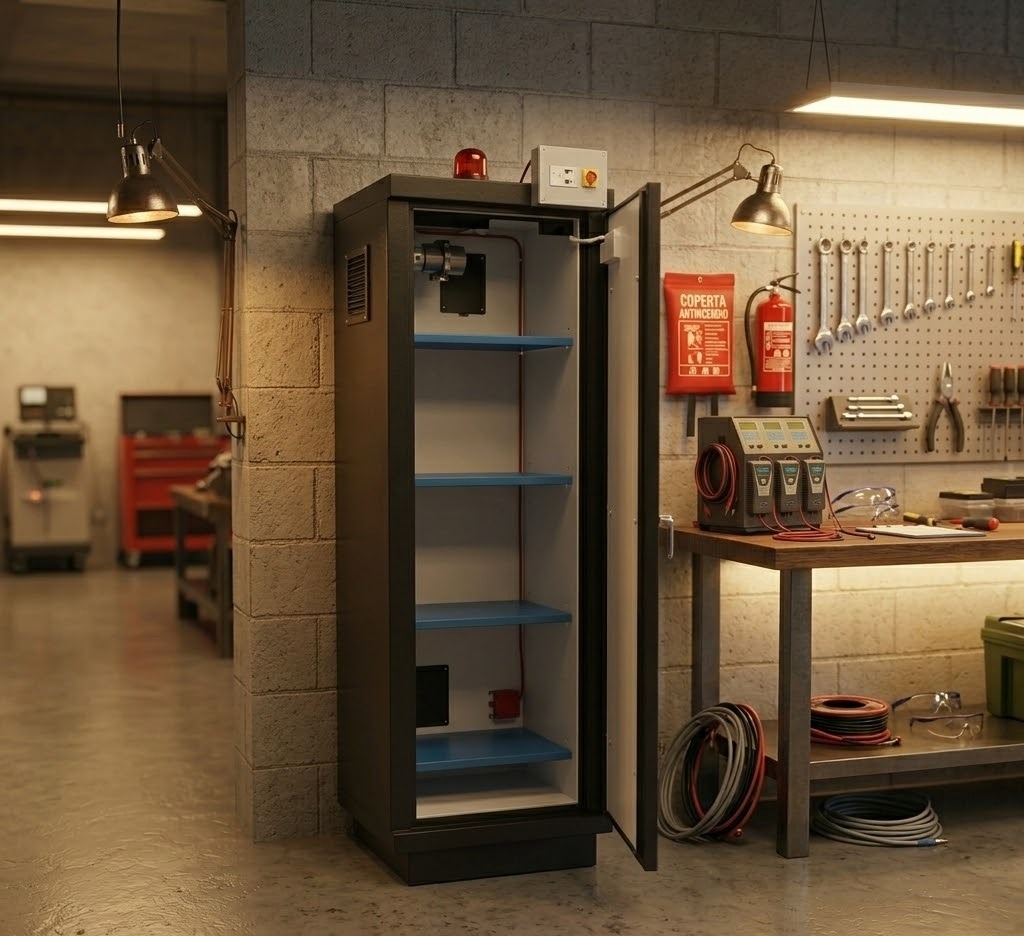
Regulations regarding lithium battery storage are constantly evolving, especially in professional and industrial settings. Hospitality facilities must consider aspects related to fire prevention, ventilation, and the management of electrical equipment.
Relying on specialized suppliers allows you to identify solutions that are compliant and consistent with the hotel's operational needs. Holity, specializing in professional equipment for the hospitality sector and accommodation businesses, offers cabinets designed to improve the safety and organization of spaces dedicated to lithium batteries.
When is it a good idea to install a lithium battery cabinet in a hotel?
Installing a dedicated locker is especially useful when the property manages multiple electrical devices simultaneously or offers mobility services to guests. Even small hotels that provide electric bicycles can benefit from a secure storage system.
The presence of a professional locker also improves the perceived reliability of the facility, especially in tourism contexts focused on sustainability and smart services. Organized battery management helps reduce risks, optimize space, and simplify staff's daily operations.
Professional battery safety solutions for hospitality environments
The growth of electric mobility and energy storage systems is also transforming the hotel sector. lithium battery cabinets Today, they represent a strategic component for hotels, resorts, and accommodation facilities that wish to safely manage rechargeable batteries, electrical devices, and professional power systems.
Choosing solutions designed for professional environments means improving security, organization, and business continuity. Companies like Holity, a leading provider of professional supplies for hotels and hospitality facilities, offers dedicated lithium battery storage cabinets designed to meet the safety, practicality, and regulatory compliance needs of the hospitality sector.
 English
  Italian
 French
 German
 Spanish