English
  Italian
 French
 German
 Spanish
Post Contents [hide]

mon-fri 9-13 / 14.30-18.30
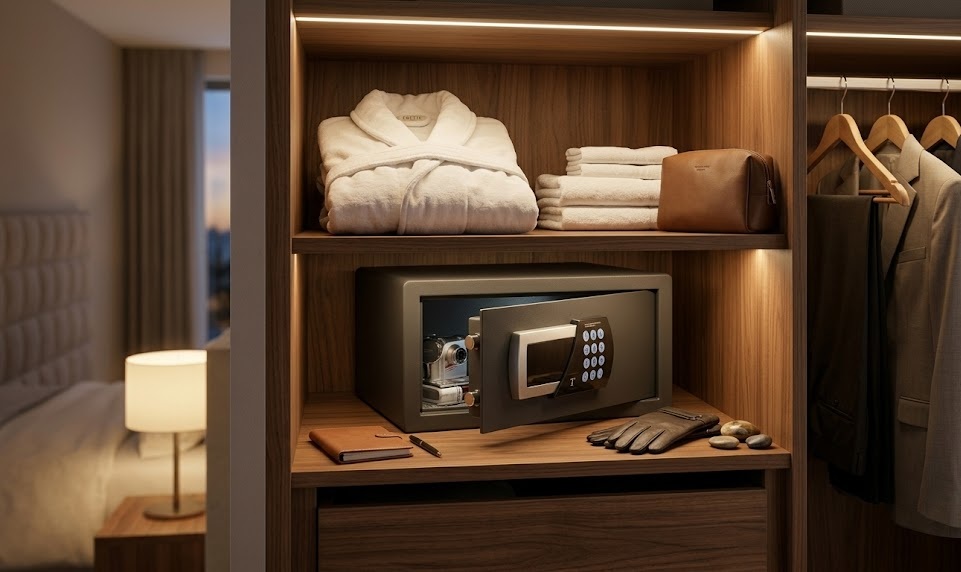
Security within hospitality facilities is one of the most important aspects of managing the guest experience. Hotels, resorts, residences, and bed & breakfasts must ensure the protection of documents, electronic devices, and personal items, offering reliable and easy-to-use solutions. In this context, electronic hotel safes they are progressively replacing traditional key-operated models thanks to more advanced functions and simplified operational management.
Technological evolution has introduced increasingly advanced digital systems, capable of improving security and reducing issues related to lost keys or manual access management. Modern electronic safes allow for faster checks, flexible code configuration, and, in many cases, centralized management by the facility's staff. For hotels and hospitality businesses focused on efficiency, these solutions are now an increasingly widespread standard.
Post Contents [hide]
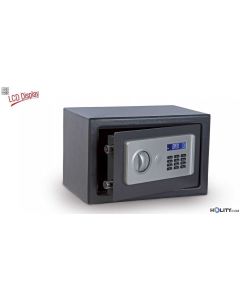
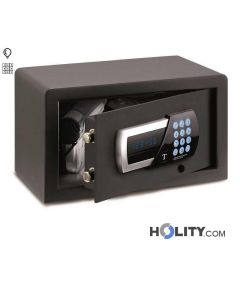
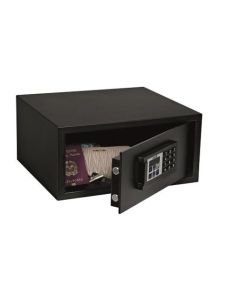
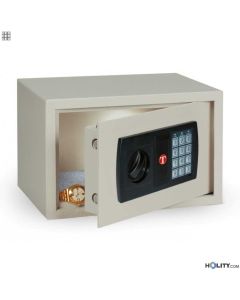
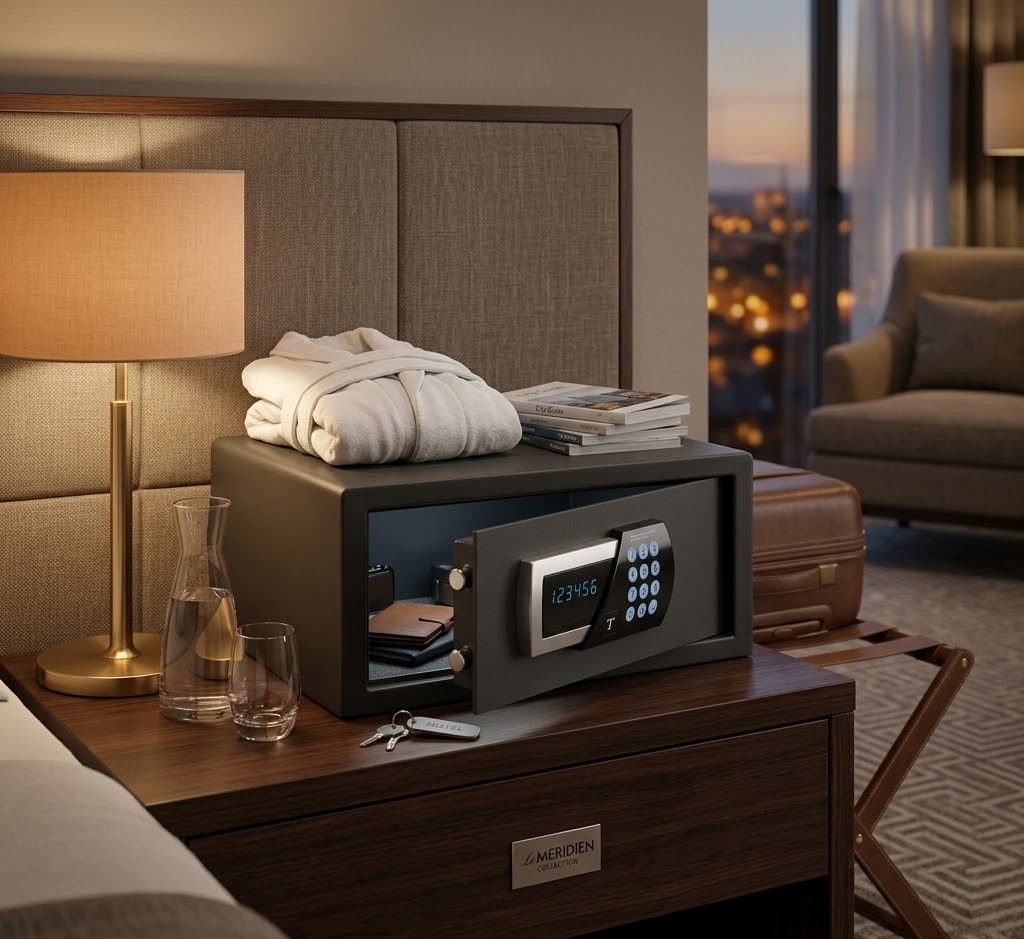
The electronic safes They use digital systems based on numeric keypads, PIN codes, or smart technologies to grant access to authorized users. Unlike traditional models, they do not require a physical key and allow guests to independently set their own personal code during their stay.
Many professional models include additional features such as emergency opening, access logging, low battery alerts, and tamper-proof systems. Some advanced versions can be integrated with hotel management software or RFID systems, offering even more efficient room and security management.
 Key safes
The traditional safes Key-operated locks are the simplest and most historically widespread solution. Their mechanical operation reduces reliance on electronic components, but it also entails some operational limitations, especially in accommodations with numerous guests and rooms.
Key management can become complex, especially if lost or duplicated. Furthermore, staff often have to intervene manually to resolve issues related to opening or replacing locks. In modern hotel environments, these issues can negatively impact operational efficiency.
The electronic safes for hotels Instead, they allow for more dynamic and flexible management. Guests can create a personalized temporary code, eliminating the risk of losing physical keys. For facility staff, safe checks are quicker and more organized.
Many models feature master systems for emergency opening and instant code reset, facilitating daily housekeeping and guest care. Professional solutions are available on specialized platforms such as Holity They also allow you to choose models designed specifically for the hospitality sector, with compact dimensions and designs that can be integrated into the room furnishings.
One of the main advantages of electronic safes is their ease of use. Guests can quickly access their belongings using a self-selected code, without having to carry a physical key during their stay.
This significantly improves the user experience, especially in facilities focused on convenience and digitalization of services. The ability to use temporary codes also helps increase the customer's sense of security.
For hotels and properties with numerous rooms, centralized management is a strategic element. Electronic safes allow authorized personnel to intervene quickly in the event of problems, code resets, or technical checks.
Some advanced models offer access logs and auditing systems that allow you to monitor access. This type of control is particularly useful in high-end facilities or in contexts where security is a key aspect of the service.
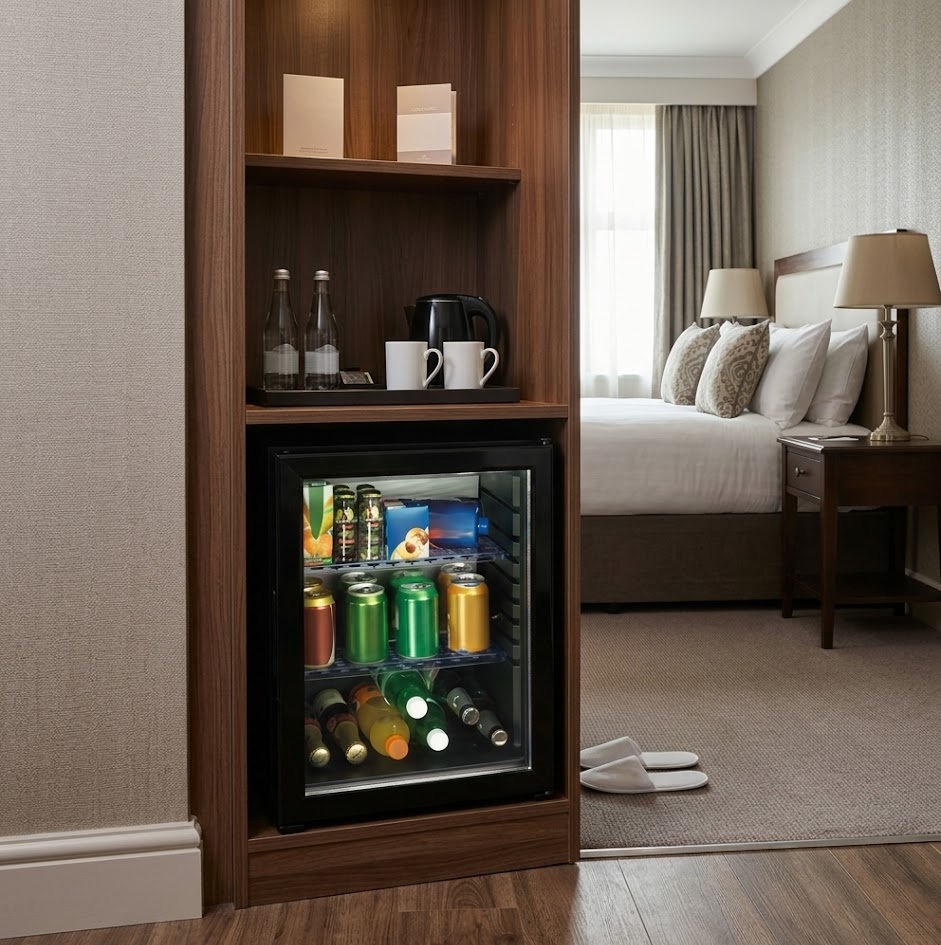
MINI-BAR
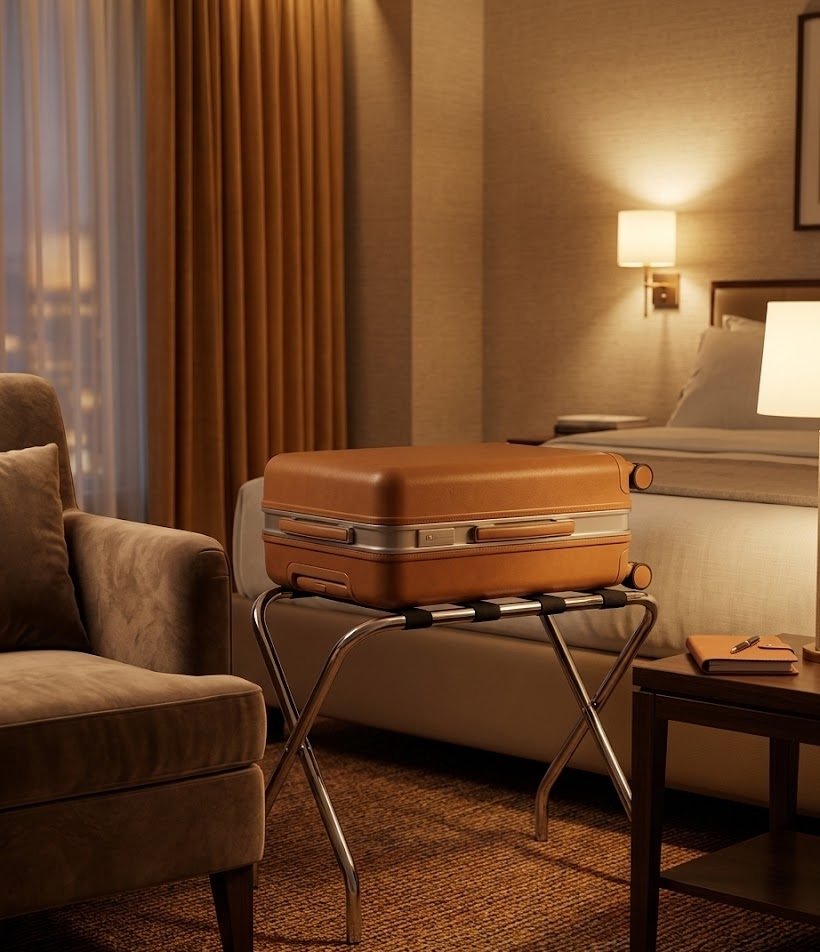
LUGGAGE RACK FOR HOTELS
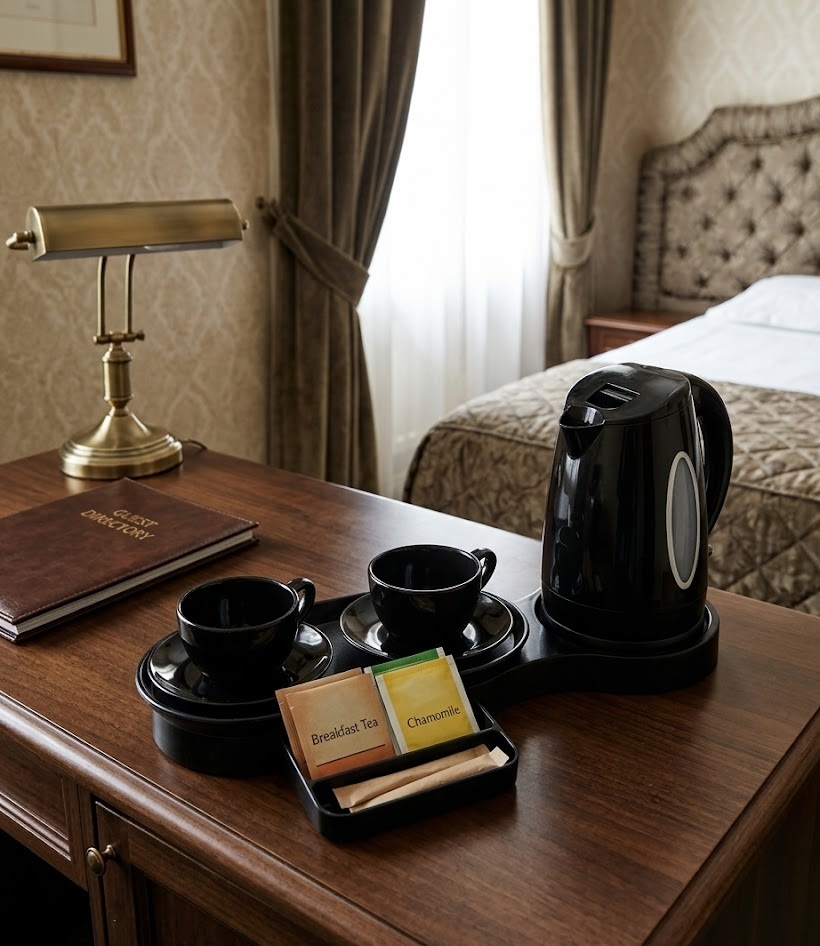
ELECTRIC KETTLE FOR HOTELS
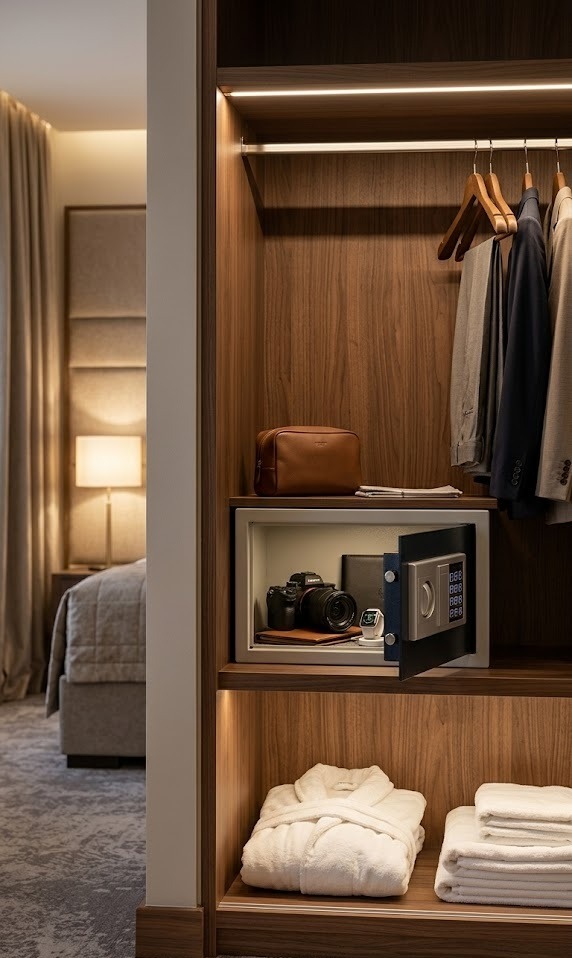
Modern digital safes are designed to ensure high security standards. In addition to structural robustness, many models include anti-burglary systems, automatic locking after incorrect attempts, and audible alerts in the event of tampering.
The most advanced versions also use encrypted electronic systems and motorized locks that increase protection against unauthorized access. The quality of the materials and locking systems is a key factor when choosing a safe for the hospitality industry.
Beyond the technical aspects, design also plays an important role. Modern safes are designed to easily integrate into room furnishings, inside cabinets, desks, or dedicated furniture.
Aesthetically conscious accommodations often choose discreet, compact, and easy-to-use models that ensure safety without compromising the harmony of the space. The availability of different sizes and configurations allows the solution to be tailored to the specific characteristics of the facility.
The adoption of electronic hotel safes It's not just about technology, but represents a strategic choice aimed at improving safety, organization, and service quality. In an increasingly competitive sector, offering reliable and modern tools helps strengthen the facility's professional image.
The combination of practicality, smart management, and advanced security systems makes electronic safes a particularly suitable solution for the needs of contemporary hospitality facilities. Thanks to the wide availability of professional models, specialized companies such as Holity They allow us to identify solutions suitable for both small hotels and large hotel facilities with more complex operational needs.