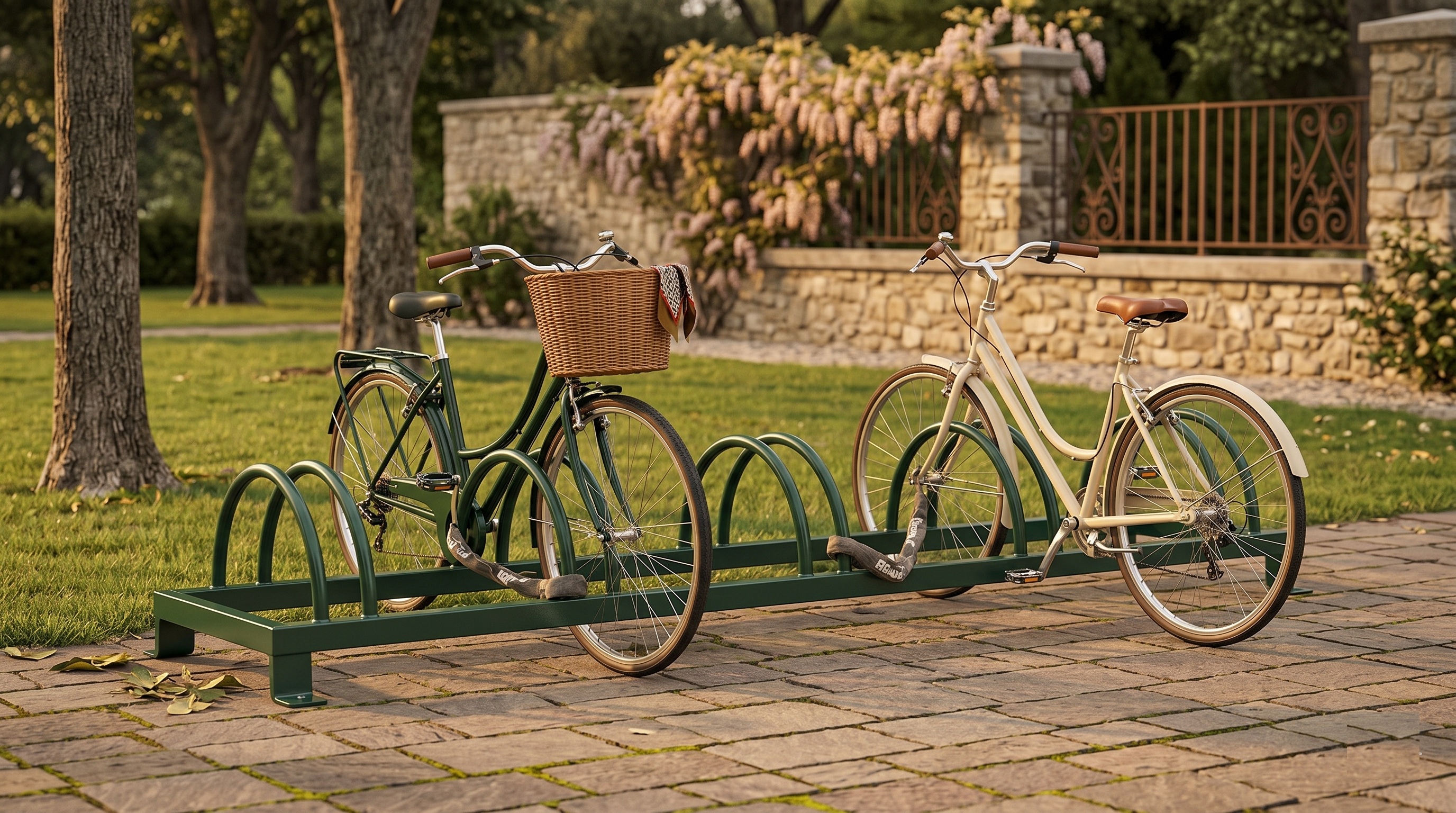
Cities investing in sustainable mobility must also address practical aspects related to the management of public spaces. The increasing presence of bicycles requires simple but functional infrastructures, capable of organizing vehicle parking without compromising order, safety, and accessibility. In this context, the urban bicycle rack takes on a more important role than it might seem at first glance. It is not just a bicycle stand, but an element that contributes to urban quality and the balanced management of shared spaces.
Municipalities, schools, universities, companies, and public areas often have to manage flows of people increasingly oriented towards light and sustainable forms of mobility. The availability of dedicated bicycle parking areas facilitates daily travel and reduces situations of urban disorder caused by improvised parking. In many contexts, bike racks become an integral part of the urban furnishing project, contributing both to the functionality of spaces and to their visual readability. Specialized companies such as Holity, active in professional supplies for institutions and communities, offer solutions designed specifically to meet the operational needs of administrations and collective structures.
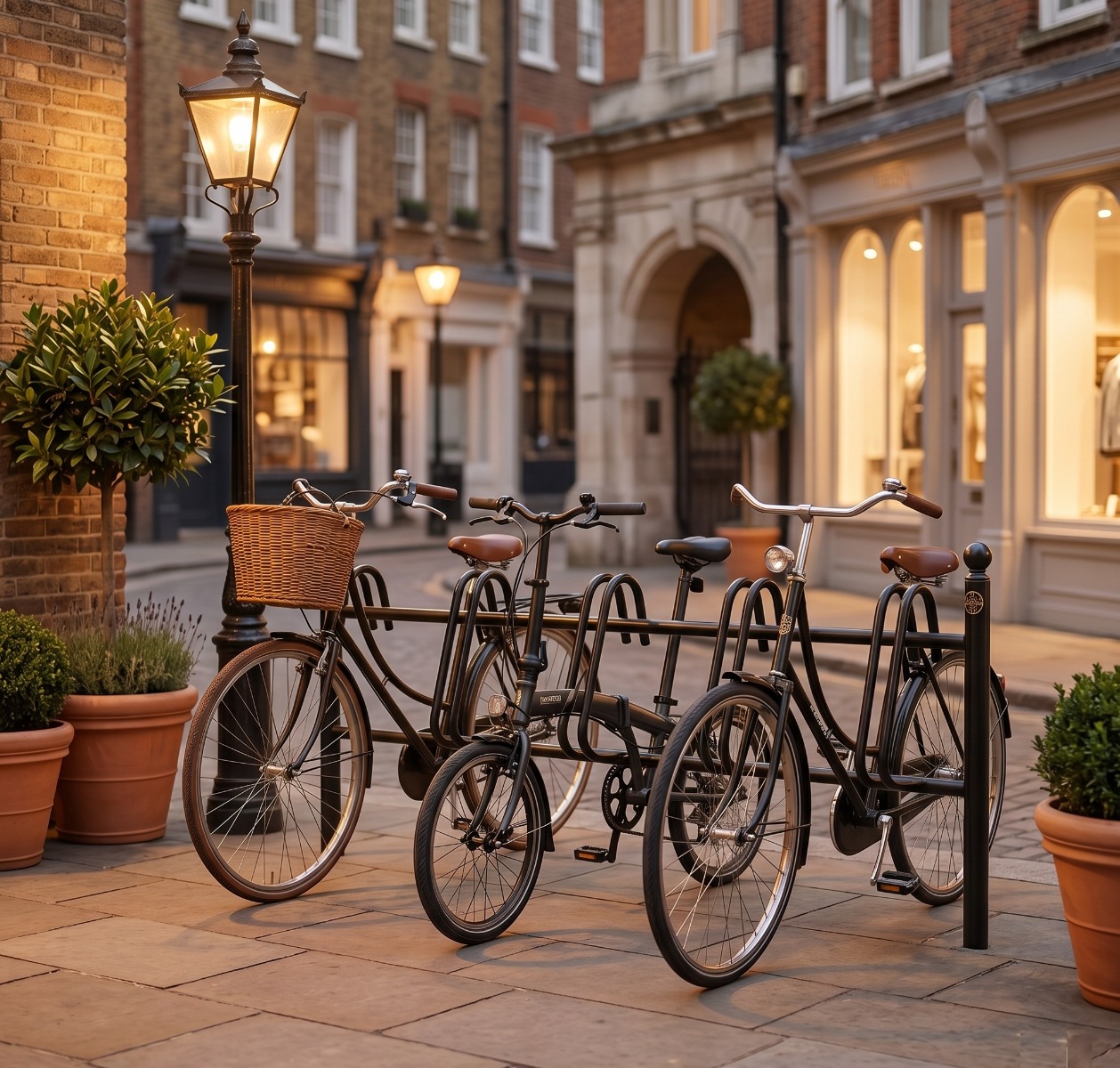 The role of bike racks in contemporary urban mobility
Why bicycles require dedicated infrastructure in public spaces
The use of bicycles in urban areas has grown significantly in recent years, especially in contexts where administrations and citizens are looking for more sustainable alternatives to car traffic. However, the increase in the number of vehicles in circulation makes it necessary to provide adequate infrastructure to avoid critical issues related to parking. A city that encourages the use of bicycles without providing dedicated parking areas risks generating disorder, improper occupation of sidewalks and difficulty in accessing public spaces.
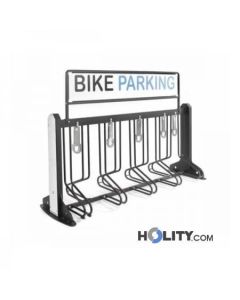
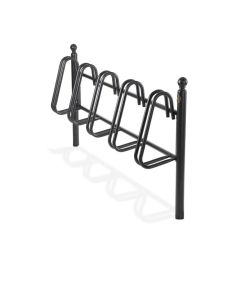
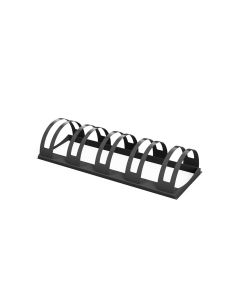
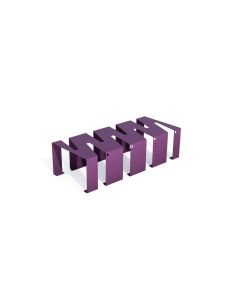
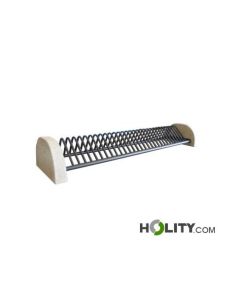
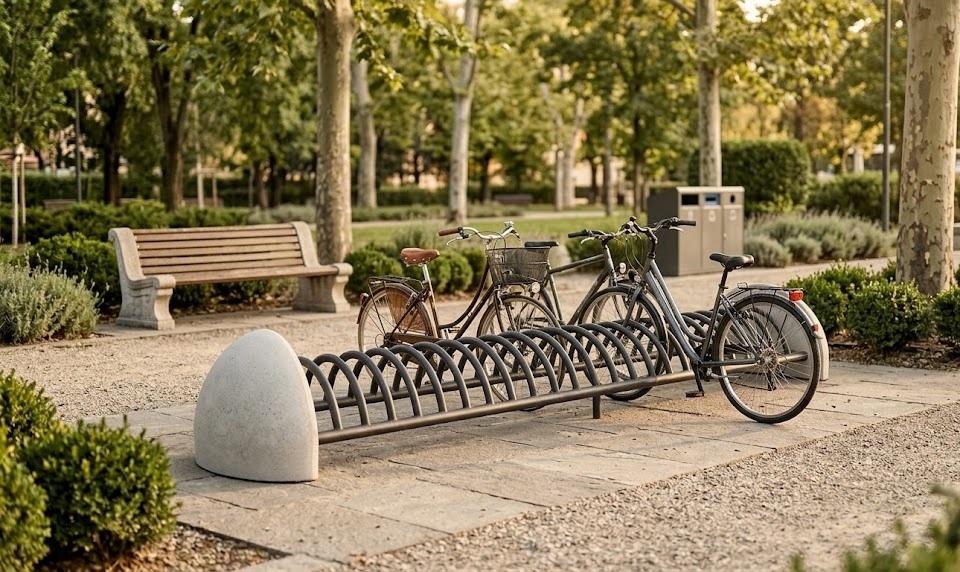
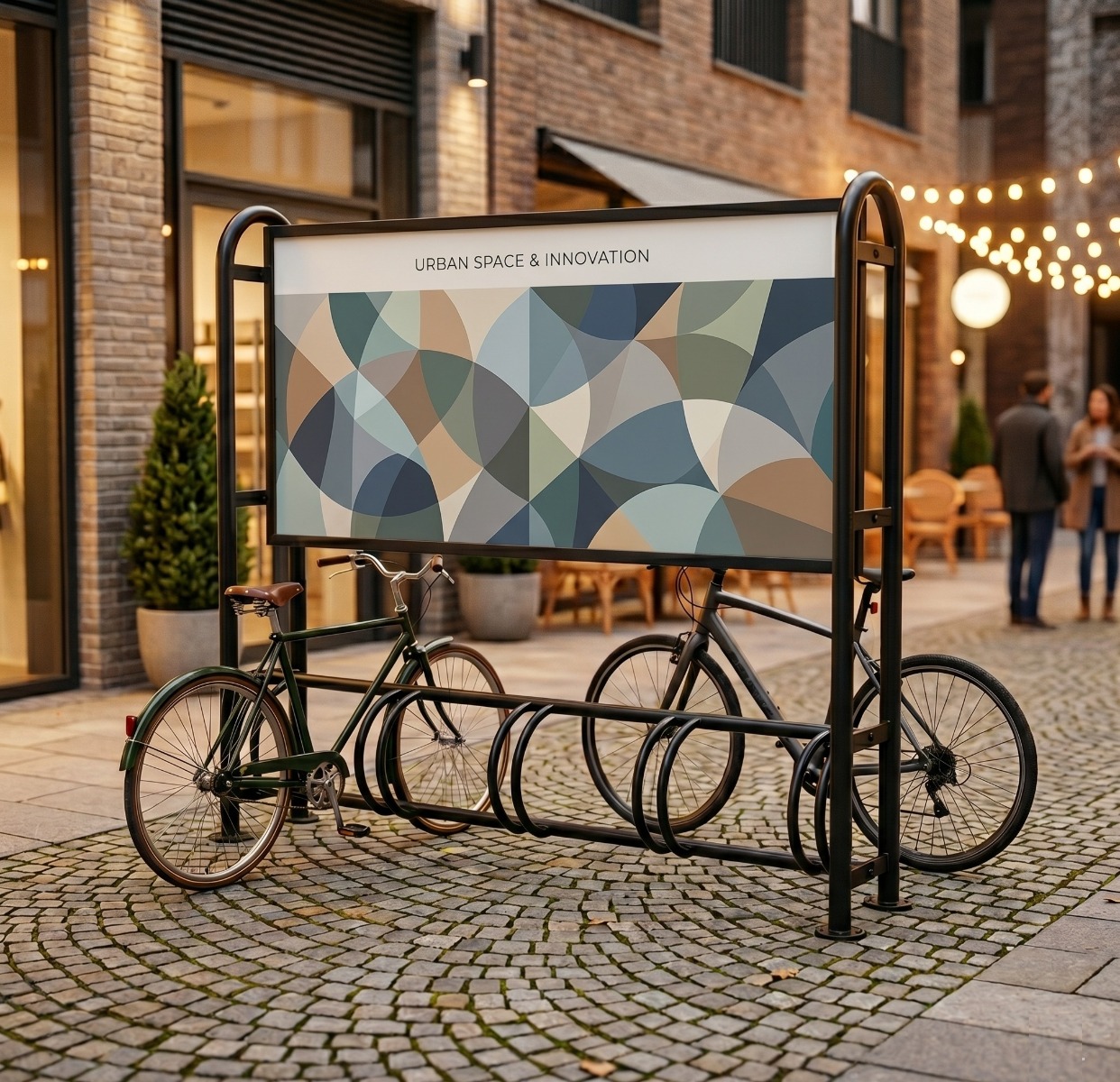
The bicycle racks for street furniture allow you to organize parking in a simple and intuitive way. Their presence favors a more orderly distribution of bicycles and makes the designated parking areas immediately recognizable. This aspect is particularly important near schools, public offices, stations, libraries and pedestrian areas, where the concentration of bicycles can become high during certain time slots.
The availability The availability of safe and accessible parking directly affects people's propensity to use bicycles for daily travel. When users find dedicated and easily accessible spaces, cycling mobility is more practical and integrated with the urban fabric. Bicycle racks therefore represent an essential component of light infrastructure related to urban sustainability.
From an operational point of view, these elements also allow for improved management of public spaces. An orderly arrangement of bicycles reduces random clutter and facilitates pedestrian passage. In many cities, bicycle racks are integrated into broader urban redevelopment projects, in which the theme of sustainable mobility is combined with that of the decorum and livability of shared spaces.
 Street furniture and quality of collective spaces
Bike racks as a functional element of street furniture
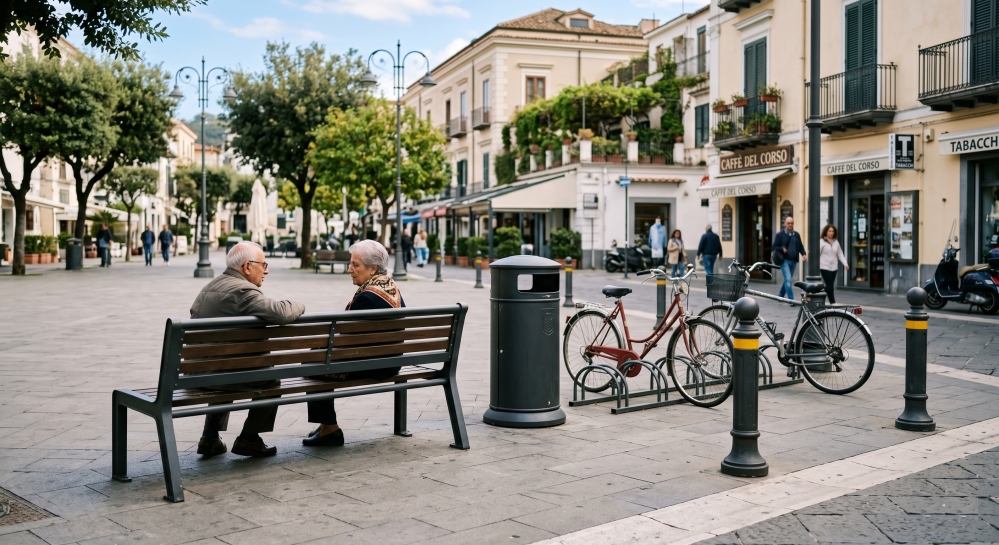
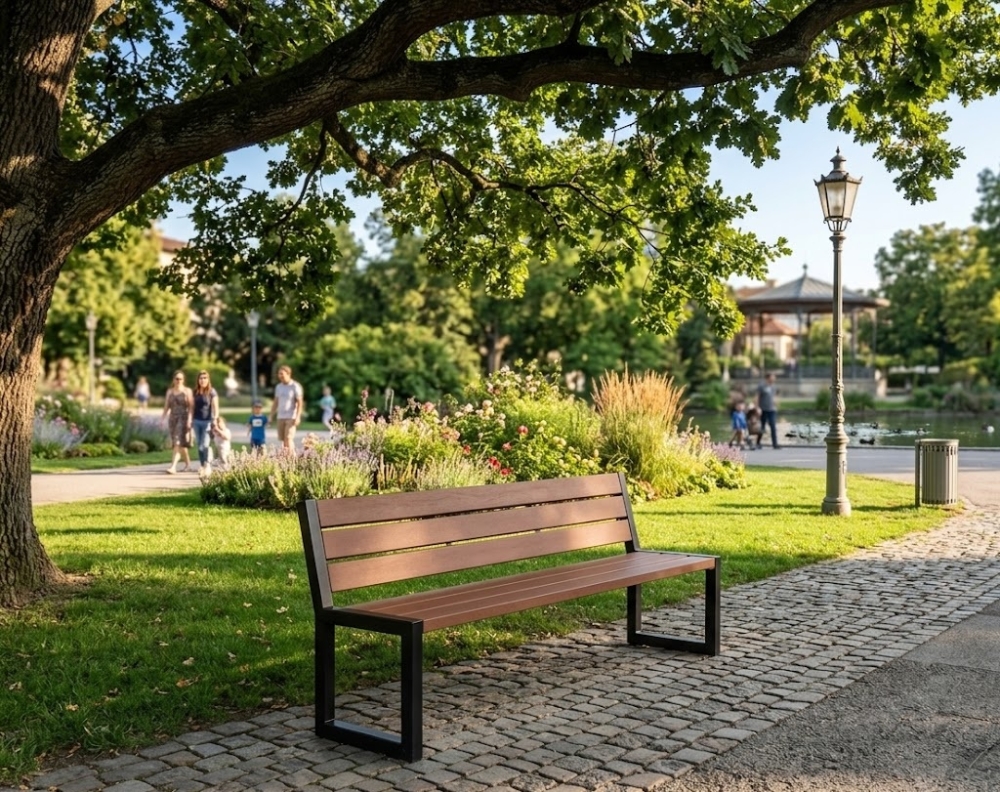
In the sector of street furniture , every element present in the public space must respond simultaneously to practical and aesthetic needs. Benches, bins, flower boxes and bike racks contribute to defining the perception of an urban area and the quality of the daily experience of citizens. Bike racks are no exception and, when designed correctly, they can integrate naturally into the surrounding context.
In addition to their primary function of supporting bicycles, these structures help to create more legible and organised spaces. In contemporary urban projects, there is a tendency to favor essential, resistant solutions that are consistent with the architectural language of the environment. For this reason, materials, finishes, and configurations take on an important role in the choice of racks to be installed in public areas.
Aesthetic impact and integration with squares, schools, and public areas
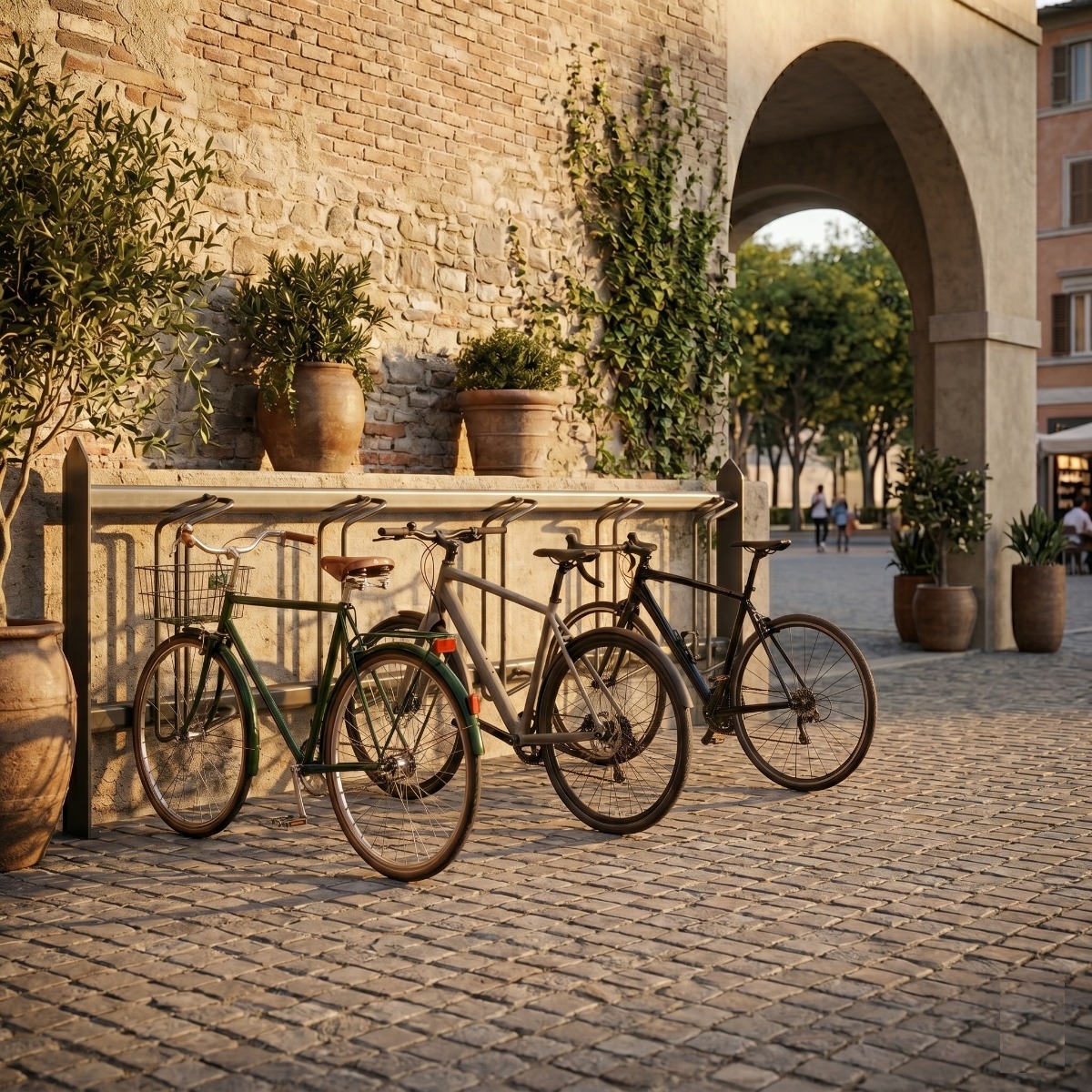
Racks can be installed in very different contexts. A historic square, a school campus, or an urban park require different approaches from both an aesthetic and functional point of view. Choosing a structure that is minimally invasive and consistent with the context helps maintain visual balance and order in public spaces.
In many situations, administrations choose modular solutions that allow for progressively increasing parking capacity based on needs. This approach makes it easier to adapt spaces to changes in urban mobility flows. Also in this area, Holity represents a reference for institutions and communities that require professional supplies dedicated to street furniture and the management of collective spaces.
Urban order, safety and space management
Reducing haphazard bicycle parking
One of the most frequent problems in urban areas concerns the haphazard parking of bicycles along sidewalks, public entrances and pedestrian paths. The absence of dedicated parking points often leads users to use poles, fences or architectural elements not designed for this purpose. The result is less efficient management of space and a reduction in the perceived quality of the urban environment.
Installing racks in strategic points allows you to naturally direct user behavior, promoting a more orderly distribution of vehicles. This aspect is particularly important near schools, universities, and high-traffic public facilities, where the number of bicycles can increase rapidly during the day.
Bicycle protection and safe anchoring systems
Safety is another central factor in the design of bicycle parking areas. An effective rack must allow stable anchoring of the vehicle and facilitate the use of anti-theft systems. The most common structures are designed to allow the frame to be fixed, not just the wheel, improving protection against theft and damage.
In public contexts, the robustness of the structure is also essential to guarantee resistance to intensive use and atmospheric agents. Materials such as galvanized steel are often used precisely to ensure durability and reduce maintenance. The quality of the materials therefore affects both the safety and economic sustainability of urban installations.
 How to choose a bike rack for institutions and communities
Most commonly used materials for outdoor racks
Galvanized steel and weather resistance
Galvanized steel is one of the most commonly used materials in the production of outdoor racks thanks to its ability to withstand rain, humidity, and temperature changes. This aspect is particularly important in public spaces, where structures remain exposed to the elements for long periods without additional protection.
Galvanizing also helps limit corrosion and surface deterioration. In street furniture projects, the durability of the structures is an essential element for containing maintenance costs and ensuring continuity of use over time.
Modular solutions for high-traffic public spaces
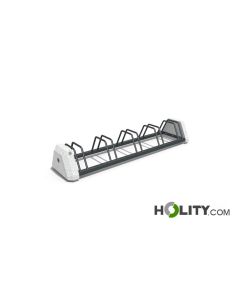
The Modular racks allow you to easily adapt parking capacity to the characteristics of the available space. This solution is often adopted in schools, universities, stations and public areas where the number of bicycles can vary significantly throughout the day.
Modularity also facilitates any future expansions without radically changing the organization of urban space. In public contexts, this operational flexibility represents a concrete advantage both in the design phase and in the long-term management of infrastructure.
Evaluate capacity, positioning and urban context
The choice of a rack does not depend only on the material or the number of spaces available. It is also important to consider the installation context, user flows and ease of access. A bike rack positioned in a way that is not visible or far from the main points of interest risks being used less than expected.
For this reason, many public bodies carefully evaluate the positioning of cycling infrastructure within the overall urban project. The presence of pedestrian paths, green areas, public transport stops and main entrances directly influences the effectiveness of the bicycle parking system.
Bike racks for schools, municipalities and collective structures
Mobility management in schools and campuses
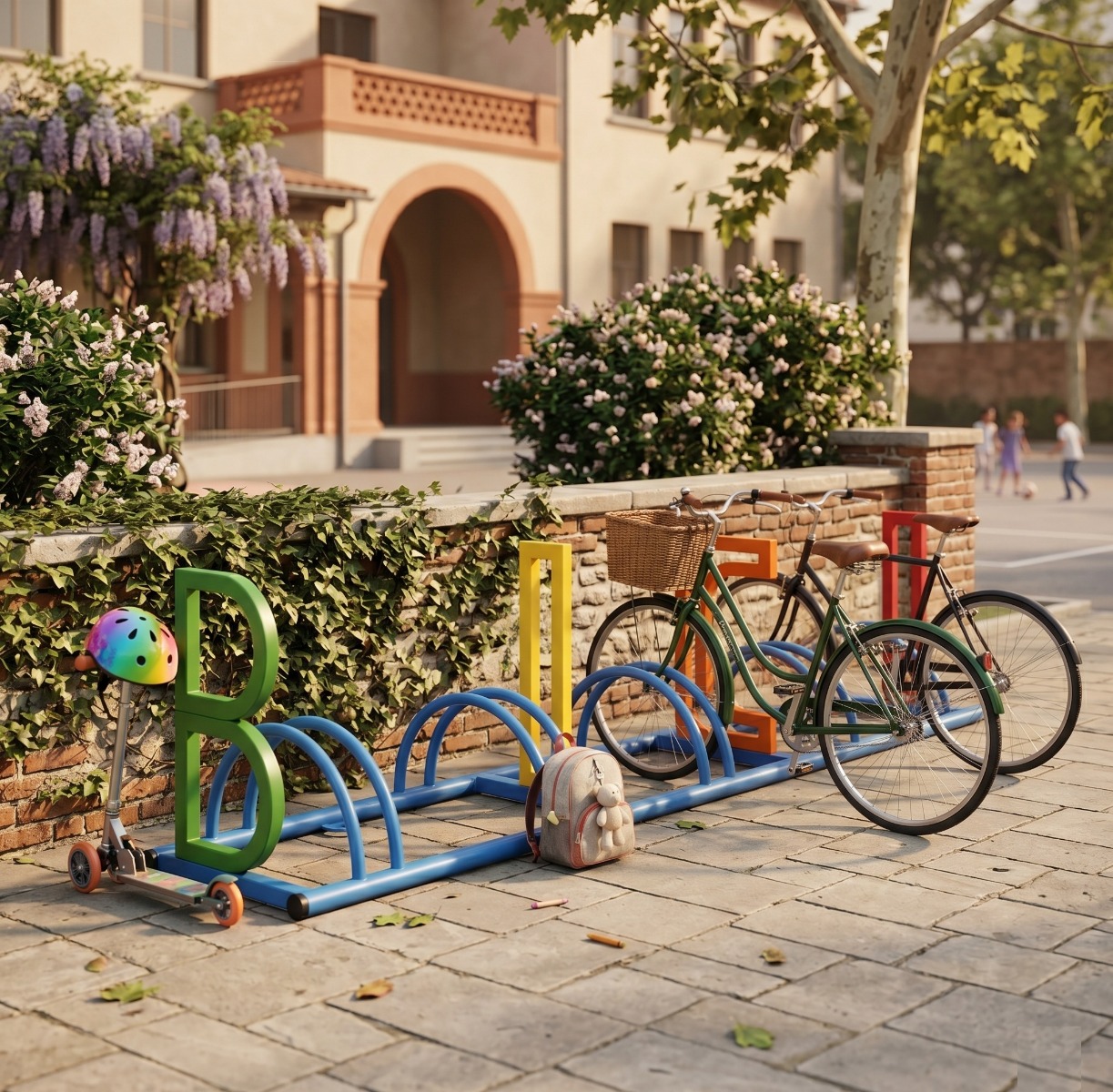
In schools and university campuses, the availability of bike racks facilitates the use of bicycles by students, school staff and visitors. Orderly management of parking helps improve access safety and avoid disorderly accumulation of bicycles near entrances.
School facilities that promote forms of mobility Sustainable urban planning tends to integrate these elements within broader projects dedicated to environmental education and the reduction of local traffic. Even small infrastructural interventions can have a positive impact on the organization of shared spaces.
Solutions for public bodies, parks and pedestrian areas
The bike racks also find application in public parks, squares, libraries and pedestrian areas. In these contexts, their objective is to ensure orderly management of light mobility without compromising the usability of collective spaces.
Many bodies choose solutions coordinated with other elements of street furniture to maintain aesthetic and functional continuity. The presence of specialized suppliers such as Holity, active in the sector of professional supplies for bodies and communities, allows us to identify solutions suited to different operational and design needs.
 The strategic function of bike racks in urban planning
More accessible and organized public spaces
The quality of public space also depends on the ability to correctly organize the elements present in the urban environment. Bike racks help create more accessible areas, facilitating the coexistence of pedestrians, bicycles and other means of light mobility.
Careful design of cycling infrastructure improves the legibility of spaces and reduces congestion or improper use of common areas. This approach is increasingly widespread in cities that focus on sustainable urban mobility models.
Why cycling infrastructure affects the quality of public space urban
Bicycle infrastructure should not be considered marginal elements within urban planning. Even apparently simple components, such as a bike rack, influence the way people use and perceive public spaces.
The presence of orderly and easily accessible parking areas helps make cities more functional and more suitable for forms of sustainable mobility. For administrations and public bodies, investing in these elements means concretely improving urban organization and the quality of shared environments.
A simple element that contributes to urban livability
Continuity between street furniture, mobility and the decor of spaces
Bike racks represent a concrete example of how even small elements can impact the overall balance of urban space. Functionality, order and accessibility are aspects closely linked to the presence of adequate infrastructures for daily mobility.
When correctly integrated into the urban context, these structures contribute to improving the decorum of public areas and facilitating more efficient management of collective spaces. Their diffusion is now an integral part of urban strategies oriented towards sustainability and quality of life.
Holity's contribution in supplies for institutions and communities
The choice of equipment for street furniture requires attention to both the technical aspects and coherence with the context of use. For public institutions, schools and collective structures it is important to be able to count on suppliers capable of offering professional solutions designed for high-traffic environments.
Holity, specializes in supplies for institutions and communities offers a wide range of products dedicated to street furniture and the management of public spaces. The bike racks are among the solutions used to improve the organization, safety and quality of urban environments intended for the community.
 English
  Italian
 French
 German
 Spanish