English
  Italian
 French
 German
 Spanish
Post Contents [hide]

mon-fri 9-13 / 14.30-18.30
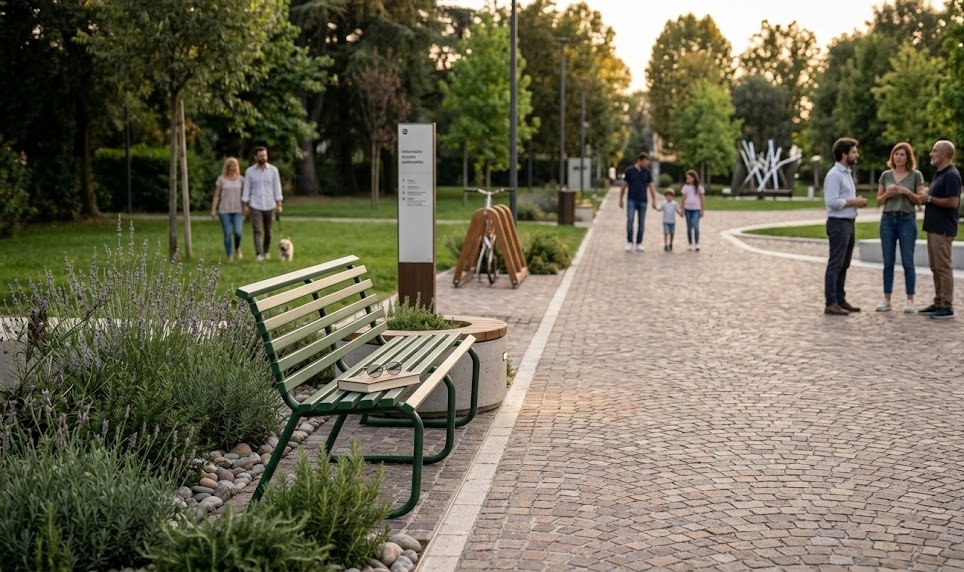
Urban decorum represents one of the fundamental elements for improving the quality of life in cities and ensuring safer, tidier and more pleasant public spaces to live in. In recent years, this theme has assumed an increasingly central role in the policies of local administrations, which invest in interventions aimed at making squares, streets, parks and public areas more accessible and functional.
The concept of urban decorum is often confused with that of street furniture. In reality, the two terms indicate different but closely related aspects. Urban decorum in fact concerns the set of conditions that contribute to keeping a city clean, tidy and enhanced, while street furniture includes the physical elements that contribute to the functionality and aesthetics of public spaces.
For this reason, municipalities, public bodies and administrations are increasingly choosing professional solutions for street furniture , waste management, safety and the redevelopment of spaces, relying on specialized suppliers such as Holity.
The term Urban decorum indicates the set of conditions that allow a city to be kept clean, tidy, safe and pleasant from an aesthetic and functional point of view. The concept of urban decorum includes street cleaning, maintenance of green areas, waste management, the fight against vandalism, the care of public spaces and the presence of elements capable of improving the liveability of cities.
Urban decorum is not only about the aesthetic aspect, but represents an important tool for increasing the quality of life. of citizens' lives, promoting safety and enhancing urban heritage.
Although they are often used as synonyms, street furniture and Urban decorum identify two different concepts.
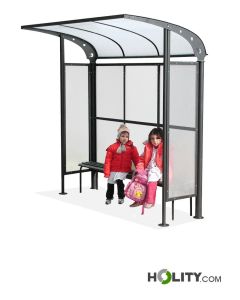
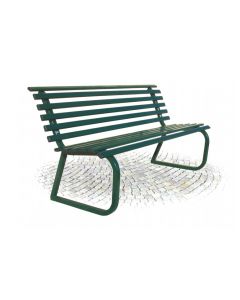
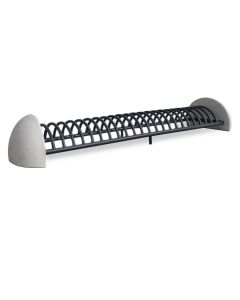
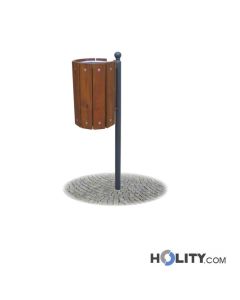
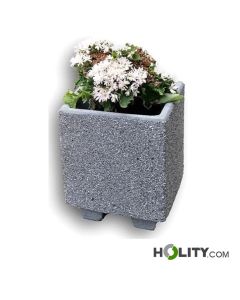
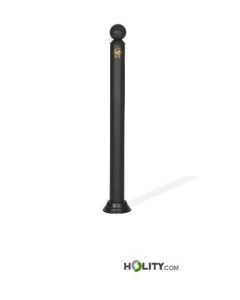
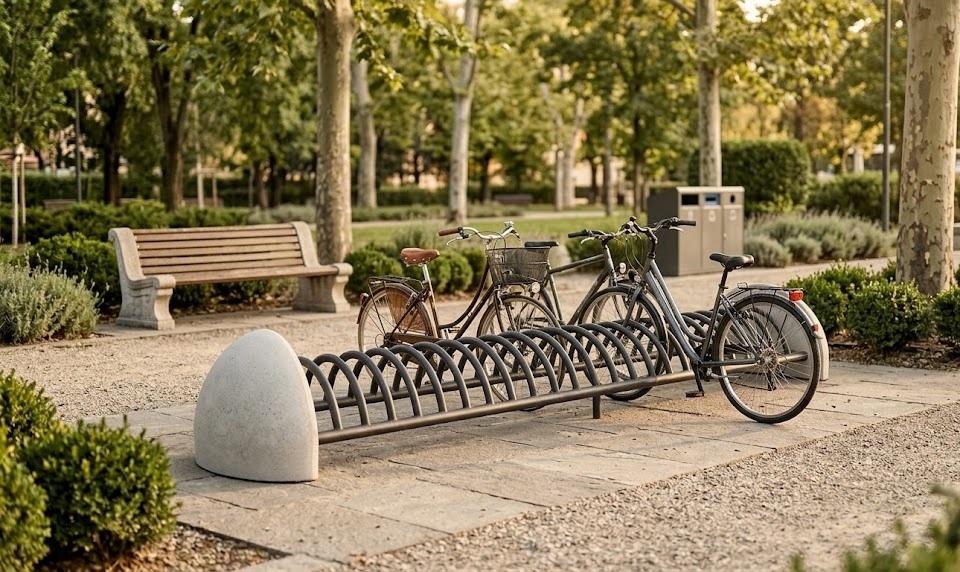
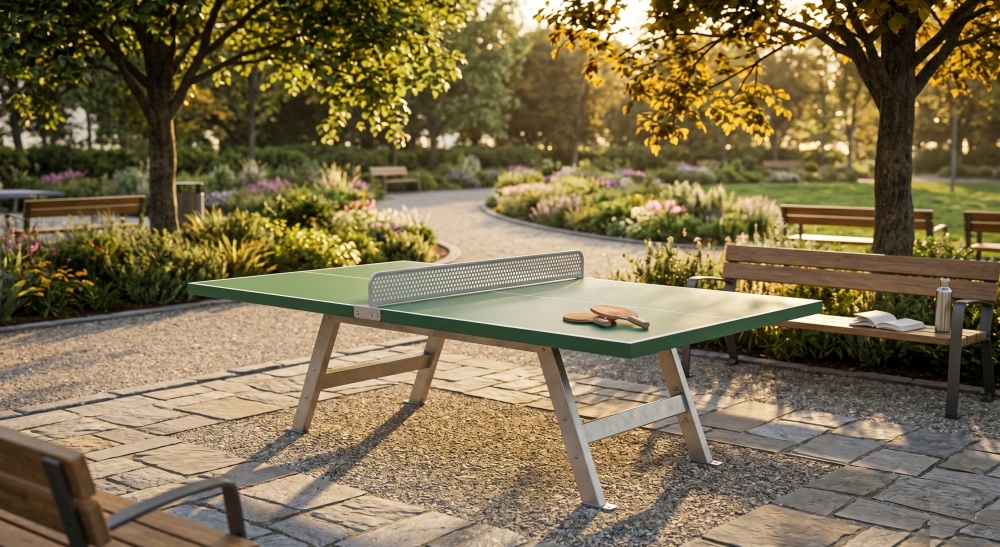
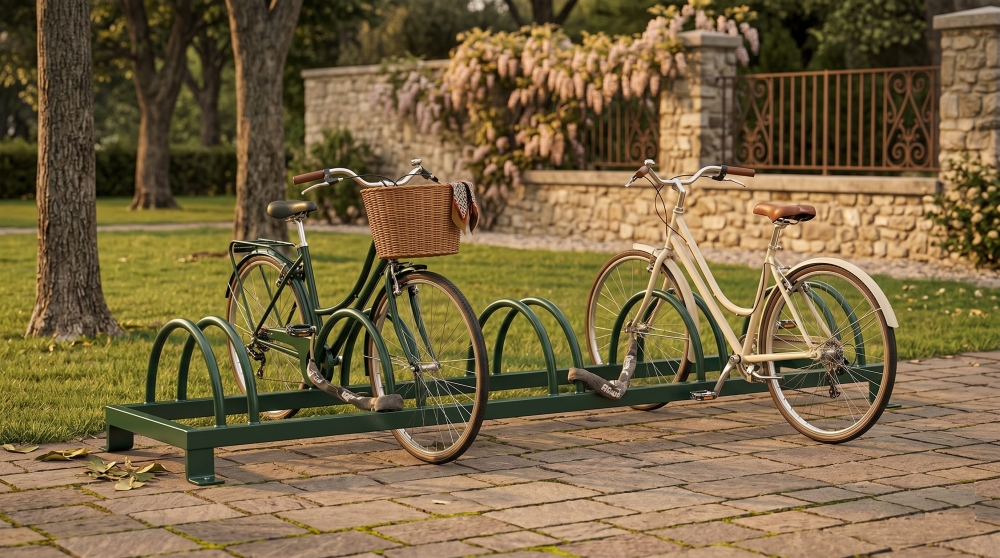
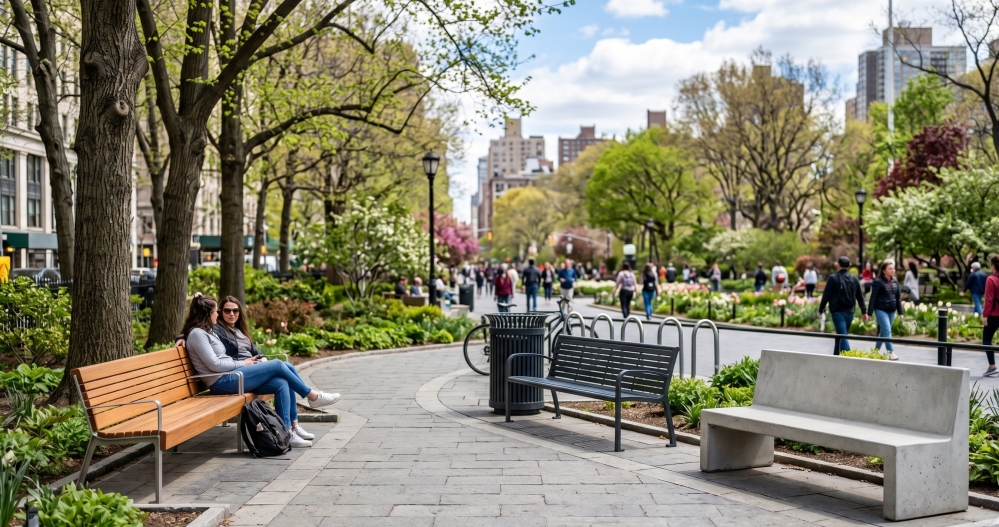
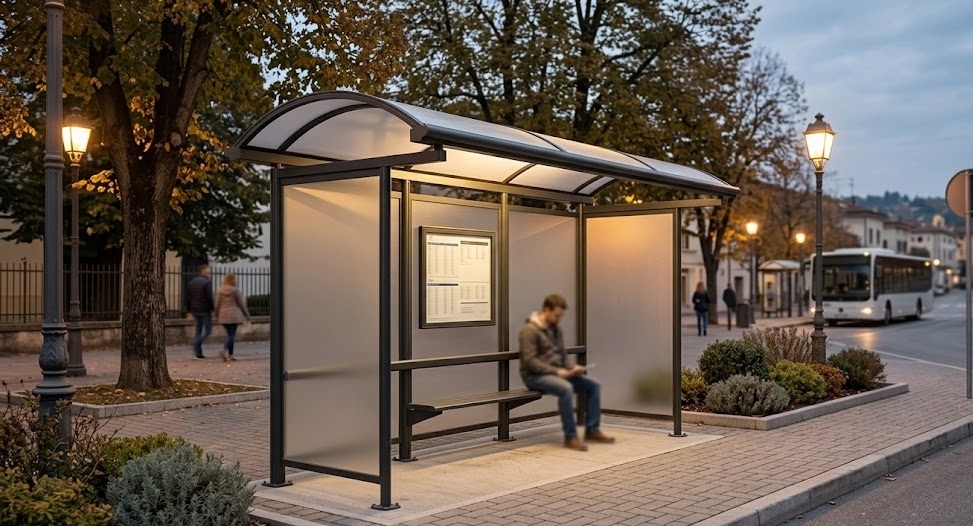
The street furniture includes the material elements present in public spaces, such as benches, waste bins, bicycle racks, flower boxes, shelters, bollards and notice boards. These are therefore the equipment that makes environments more functional and pleasant.
Urban decorum, on the other hand, represents a broader concept and includes all the activities and interventions aimed at maintaining order, cleanliness, safety and quality of public spaces.
| Street furniture | Urban decor |
|---|---|
| Physical elements and equipment | Overall quality of public spaces |
| Benches, bins, flower boxes, shelters | Cleaning, maintenance, safety and order |
| Structural interventions | Management and enhancement of the city |
| Functional and aesthetic aspect | Liveability and urban quality |
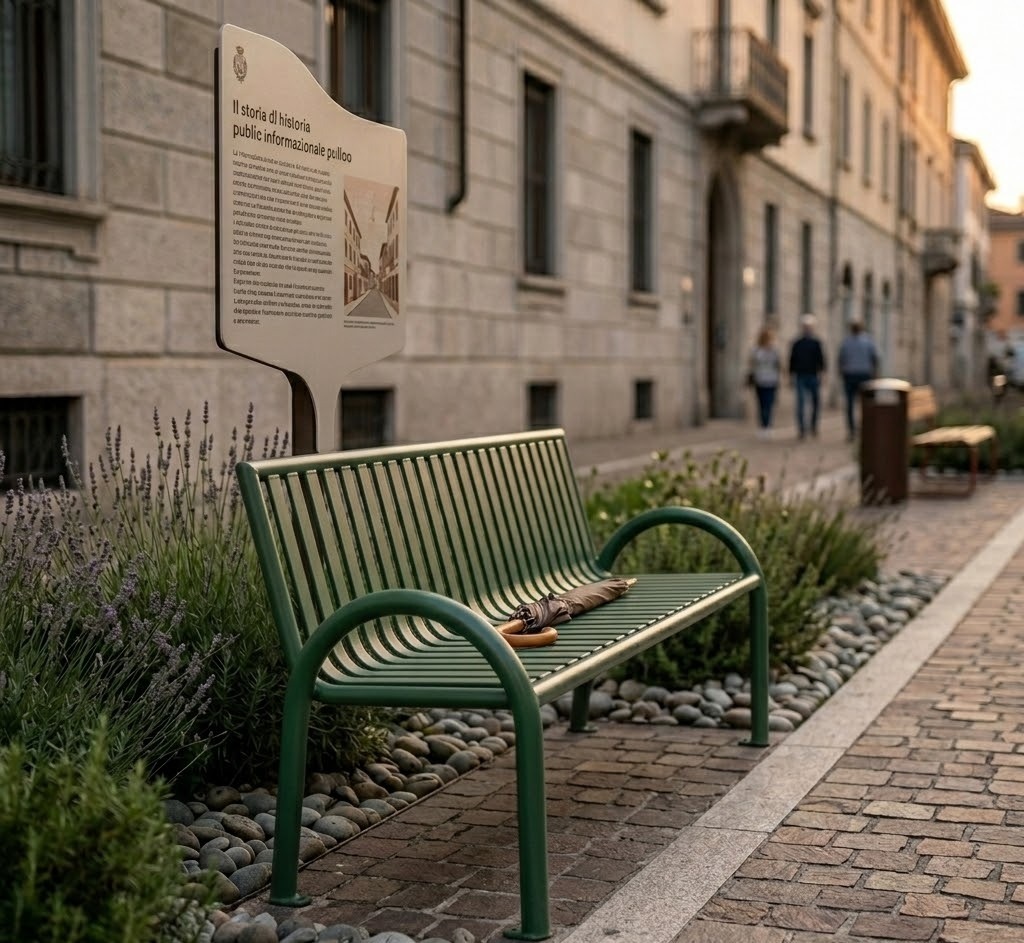
Every year, municipalities carry out numerous interventions aimed at improving urban decorum. Among the most frequent are:
These interventions help improve the appearance of cities and promote greater usability of public spaces by citizens.
| Appearance | Street furniture | Urban decor |
|---|---|---|
| Definition | Physical elements present in public space | Overall conditions of urban order and quality |
| Objective | Functionality and comfort | Liveability and enhancement of the city |
| Examples | Benches, bins, shelters, flower boxes | Cleaning, maintenance, safety and recovery of degraded areas |
| Competence | Municipalities and public bodies | Municipalities, public bodies and citizens |
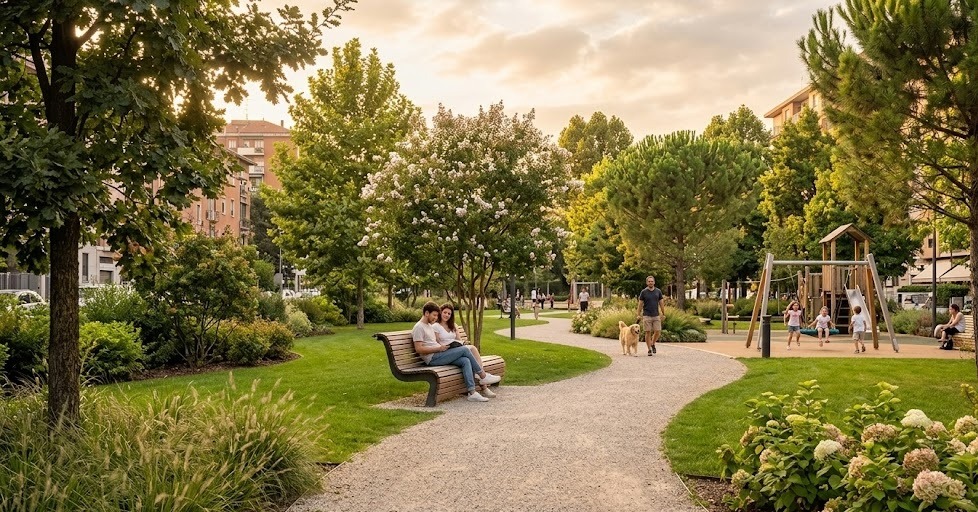
Urban decorum is the set of conditions that make a city tidy, clean, safe and pleasant from an aesthetic and functional point of view.
Street furniture concerns the material elements present in public spaces, while urban decorum includes all the activities aimed at maintaining order, safety and quality of the city.
Responsibility for urban decorum is shared between municipal administrations, public bodies and citizens, who contribute to the conservation and correct use of public spaces.
Maintenance of green areas, installation of street furniture, street cleaning, waste management, public lighting and recovery of degraded areas are among the most common interventions.
Urban decorum today represents a strategic element for improving the quality of life, enhancing the territory and making public spaces more attractive. Safe and functional. Street furniture and urban decor are not alternative concepts, but complementary: furnishing elements contribute to building more orderly, accessible and sustainable cities.
For this reason, public administrations, municipalities and local authorities are increasingly investing in professional solutions for the management and redevelopment of urban spaces, helping to create more liveable and welcoming environments for citizens and visitors.