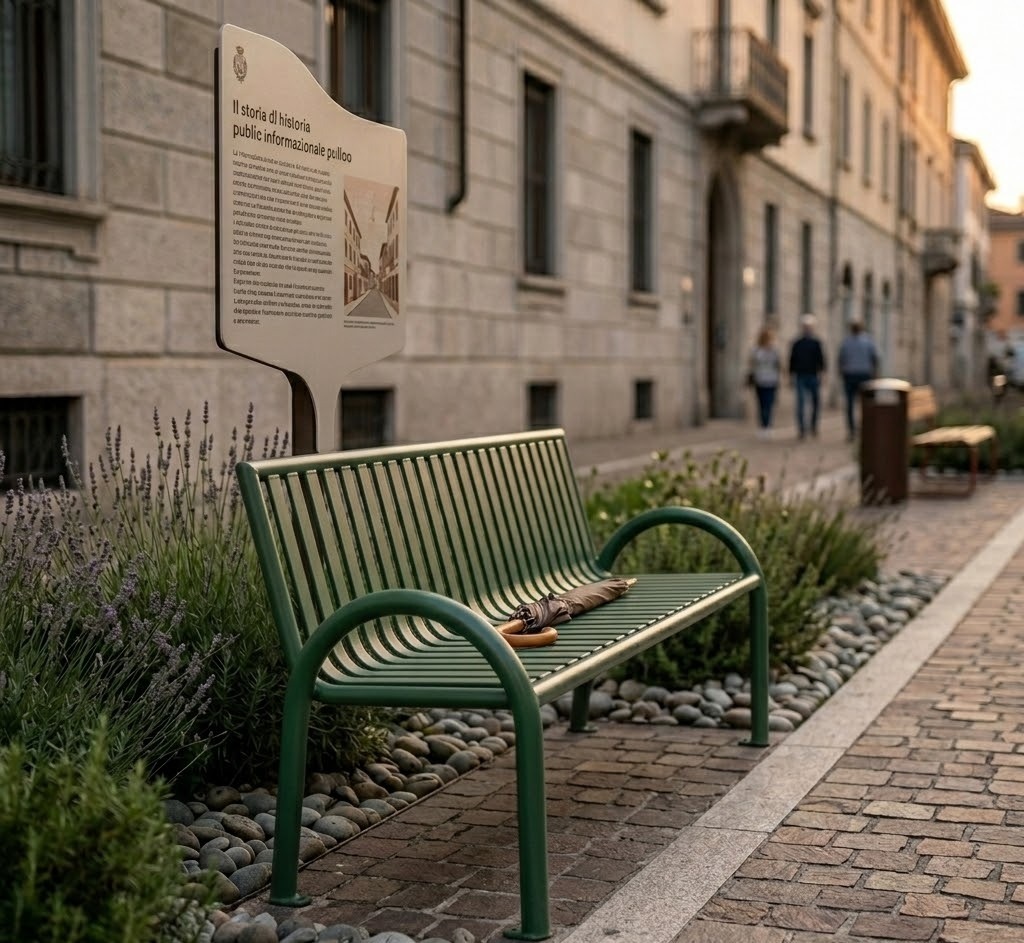
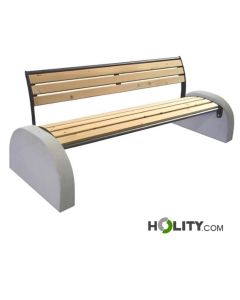
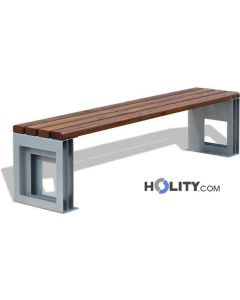
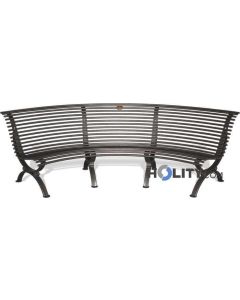
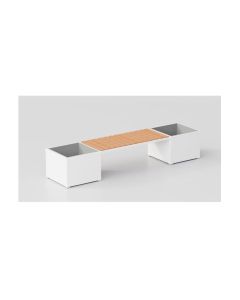
The price of benches for street furniture can vary significantly based on materials, size, design, intended use and technical requirements of the installation context. For municipalities, public bodies, schools, parks, accommodation facilities and collective spaces, the cost should not be evaluated only as a unit price, but as an investment linked to durability, maintenance, safety and coherence with the urban environment.
A bench intended for a busy square, a public park or a school area must meet different needs. The required robustness, the type of fixing, comfort, resistance to atmospheric agents and ease of maintenance vary. For this reason, a correct cost analysis helps to distinguish between an economical solution in the short term and a truly sustainable choice in the medium term.
Price of street furniture benches: which ranges to consider
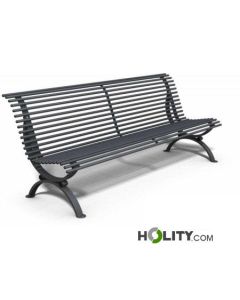
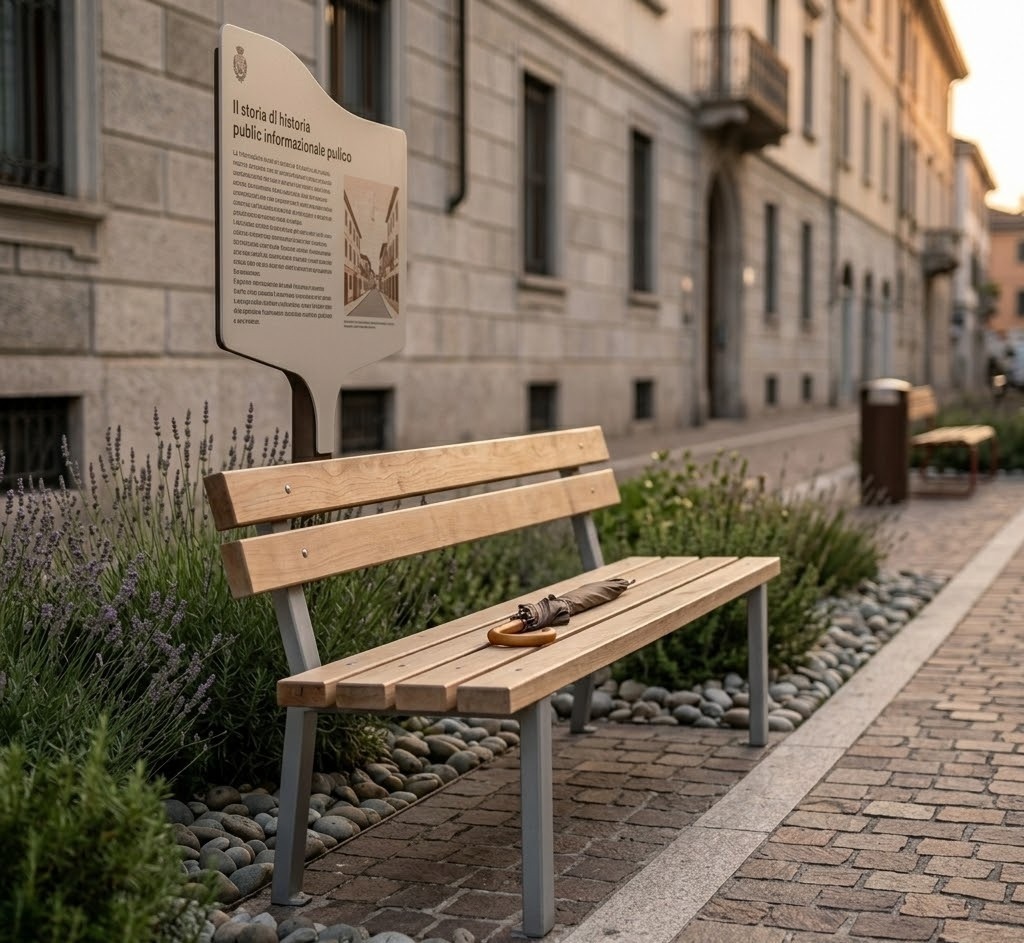 In the professional market, the price of street furniture benches generally starts from a few hundred euros for the simplest models and can increase based on the structure, finishes and technical characteristics. In the Holity category dedicated to street furniture benches, there are models starting from around €240.50 + VAT for children's benches and solutions from around €242.25 + VAT for benches with backrests intended for public spaces.
Other models in concrete, galvanized steel, treated wood, WPC or Cor-ten steel are placed in higher ranges, with prices that can exceed €300 or €390 + VAT depending on the configuration. These values should be read as an indicative reference, because they are not always the same. Availability, finishes, variants, and quantities purchased can affect the final quote. Holity, a specialist in professional supplies for institutions and street furniture, allows you to compare different solutions based on the operational context.
The materials that most affect the cost
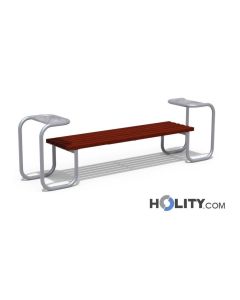
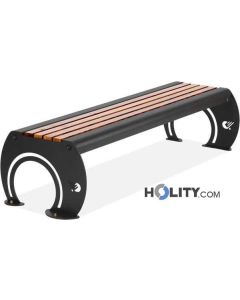
The material is one of the main factors in determining the price. Wooden benches are often chosen for parks, gardens, and natural settings because they offer a warm and traditional aesthetic. The cost can depend on the type of wood, the autoclave treatment, and the presence of a backrest, armrests, and metal supports. However, they require careful evaluation of maintenance, especially in humid or highly exposed environments.
Steel and galvanized metal benches tend to offer good resistance to intensive use and atmospheric agents. They are suitable for squares, urban routes, bus stops, public areas and high-traffic areas. The concrete benches, on the other hand, are generally more robust and suitable where stability, weight and greater protection against movement or vandalism are required. When purchasing, the cost should therefore be linked to the expected duration and not just the initial price.
Design, dimensions and accessories: why the price changes
A bench without a backrest often has a different cost than one with a backrest and armrests. The length also has an impact: 150 cm, 170 cm, 180 cm or 200 cm models can meet different capacity and intended use needs. Children's versions, inclusive benches, colored seats or curved models require specific evaluations because they have more targeted functions.
Design is not just about aesthetics. An ergonomic seat, correct height, rounded edges, anchoring systems, and protective treatments contribute to the safety and usability of the space. In a professional purchase, these details can justify a higher price range. A bench that is more suited to the context can reduce subsequent interventions, premature replacements, and problems related to wear and tear or improper use.
The context of use determines the real budget
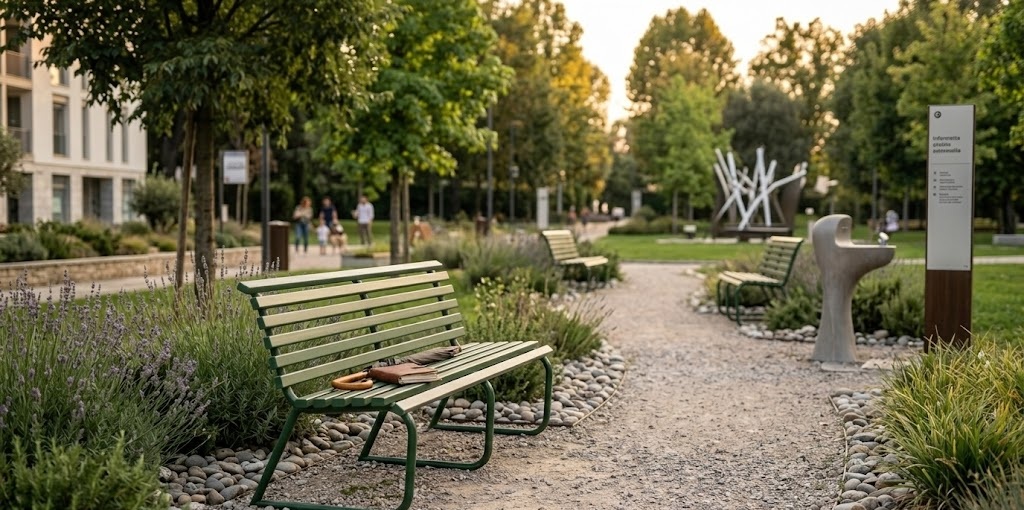
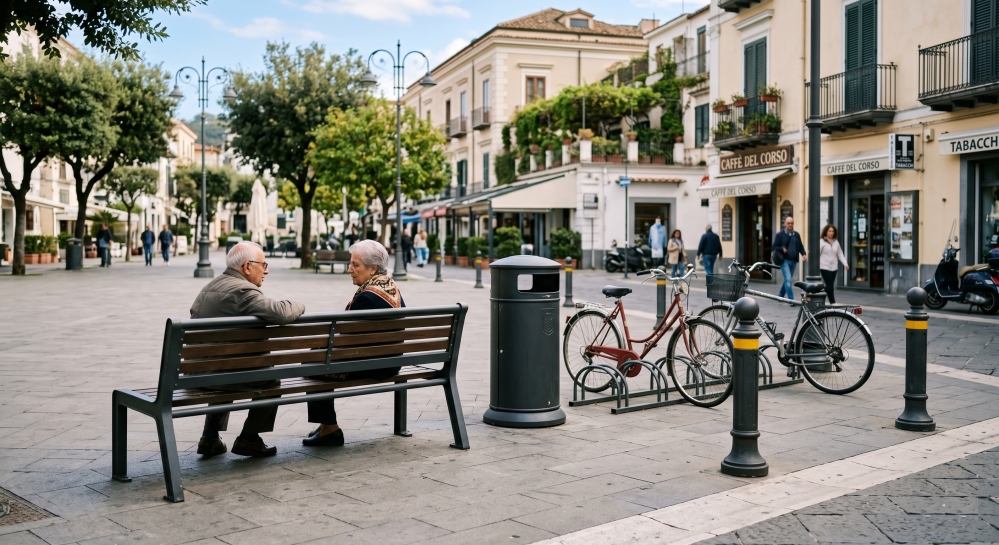
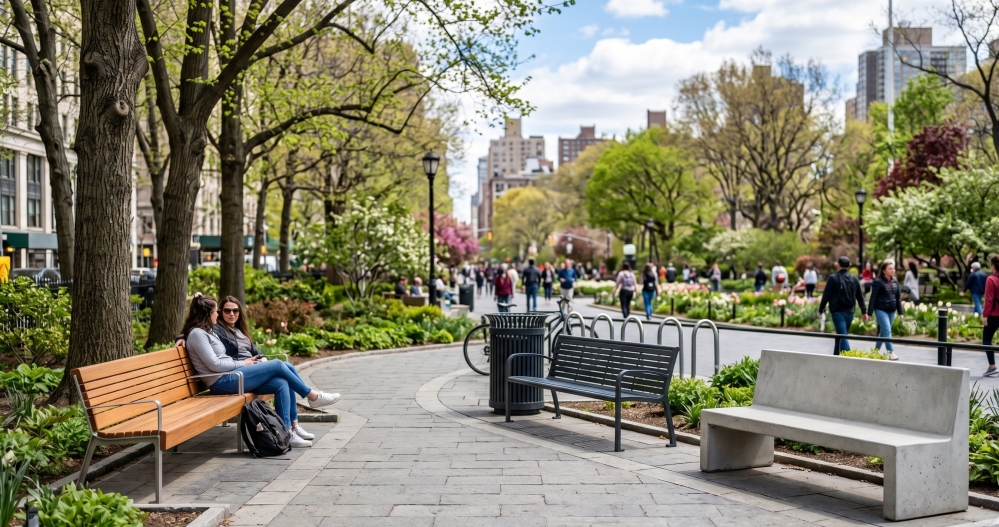
The cost of a bench also changes based on the place where it will be installed. In a public park, it is important to evaluate resistance, comfort, and integration with the greenery. In an urban square, stability, aesthetic continuity, and the ability to withstand frequent use are important. In a school area or a playground, seat height, safety, materials, and compliance become central. to the needs of children.
For this reason, the budget should not be limited to the single product. Transport, installation, fixing, ordinary maintenance and the possibility of replacement over time must be considered. Holity, a professional e-commerce specializing in street furniture for municipalities, institutions and collective structures, offers a wide range that allows you to guide your choice between benches in wood, concrete, steel, recycled materials and solutions for specific public spaces.
 English
  Italian
 French
 German
 Spanish