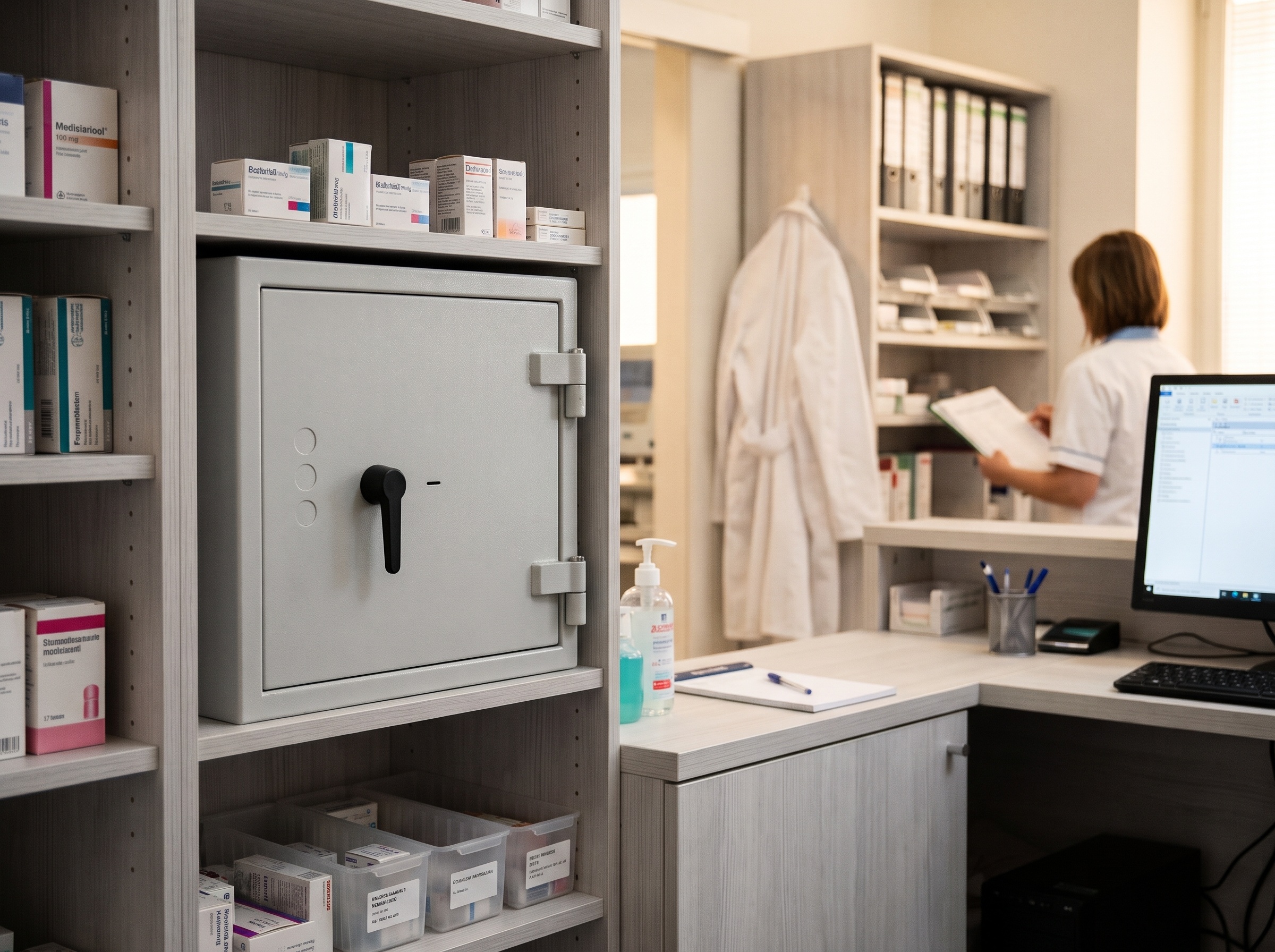
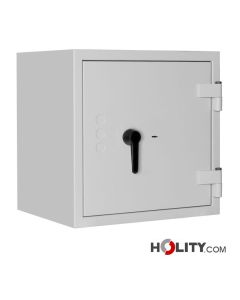
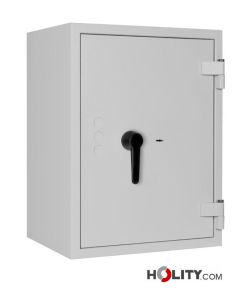
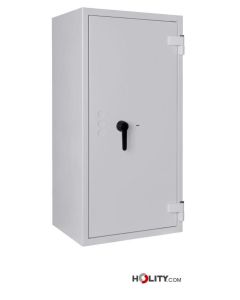
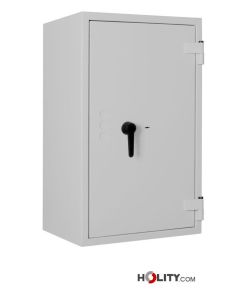
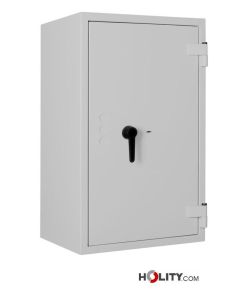
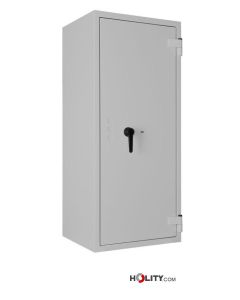
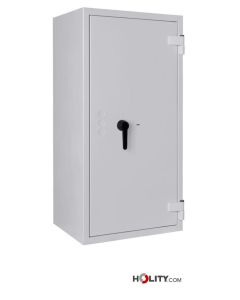
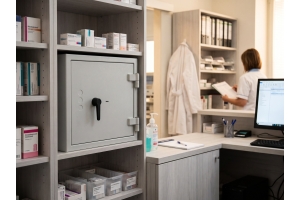
The storage of narcotic medicines is a delicate activity for pharmacies, hospitals, clinics, outpatient clinics, and other healthcare facilities authorized to manage them. These products require particular attention because access must be reserved for authorized operators and organized according to established procedures. The choice of a narcotic safe must therefore take into account not only the physical protection offered by the container, but also the ways in which staff use and control the medicines during daily activities. Locking, dimensions, fastening, and management of credentials are elements that directly impact the functionality of the storage system.
Purchasing a safe for controlled medicines does not simply mean identifying a container with a lock. It is necessary to verify the technical characteristics of the product, its compatibility with the installation site, and the possibility of integrating it into the facility's procedures. The frequency of access and the number of authorized operators can also influence the choice between different locking systems. Effective storage arises from the integration between security device and internal organization, without assigning the safe certifications or compliance requirements that are not expressly documented.
Why the storage of narcotic drugs requires attention
Narcotic drugs and controlled substances require management methods consistent with applicable provisions and the responsibilities of healthcare professionals. Storage must help prevent unauthorized access, theft, and improper use, while maintaining the availability of products for healthcare activities. In a pharmacy, staff may need to access medicines during normal dispensing, while in a hospital ward the need for collection may be necessary. be connected to the administration procedures. The custody system must meet operational needs without weakening access control.
Container security is only one part of overall management. It is necessary to consider who is authorised to open the safe, how the keys are stored or codes are assigned and what procedures must be followed for the required controls. The location of the device can also affect confidentiality and the possibility of monitoring operations. A safe for narcotic drugs must be chosen within an already defined organisational system, avoiding considering the purchase of the product as a sufficient solution to automatically guarantee compliance with all custody obligations.
What characteristics must a narcotic safe have
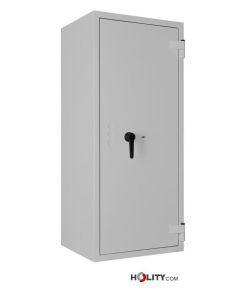
 The characteristics to be evaluated include the structure of the container, the type of lock, the possibilities fixing and internal dimensions. A safe intended for a healthcare setting must be compatible with the protection needs identified by the facility and with the conditions envisaged for the storage of medicines. It is important to check the available technical documentation, distinguishing the characteristics actually declared by the manufacturer from those that are merely presumed. The commercial name of a narcotics safe does not, in itself, constitute a certification of regulatory suitability.
Another element concerns ease of use. The door must allow adequate access to the contents and the internal configuration should facilitate the organisation of the packages without creating difficulties in daily operations. The position of the lock and the opening methods must also be compatible with the available space. The choice must combine physical protection, functionality and documented characteristics, considering that the needs of a small pharmacy may be different from those of a healthcare department with a large number of authorised operators.
Key or electronic lock: which solution to evaluate
The locking system is one of the first elements to compare when purchasing a narcotic safe. Mechanical key locks can offer relatively simple management, but require rigorous procedures for the storage and availability of keys. Electronic locks, on the other hand, allow, depending on the characteristics of the model, the use of codes or other credentials to authorize opening. Neither solution should be considered automatically more secure in any context, because the result depends on the documented performance of the device and the methods with which it is managed.
In a structure with few authorized operators, a mechanical lock may be compatible with clearly defined key delivery and storage procedures. Where access is more frequent or involves different staff shifts, an electronic solution can offer interesting features, as long as they are actually available on the chosen model. Not all electronic locks allow individual codes or access recordings. Before purchasing, it is necessary to verify which functions are actually provided, avoiding associating the presence of an electronic keypad with control capabilities that the product may not possess.
Management of keys and access codes
Key management is a central aspect when the safe uses a mechanical lock. Keys must be stored according to procedures that limit their availability to authorised operators and allow the responsibilities required by the organisation to be identified. Even the possible presence of duplicates requires defined management, because an uncontrolled copy can compromise the security of the system. The protection of the safe also depends on the protection of the tools that allow it to be opened, regardless of the robustness of the metal structure.
For electronic locks, the focus shifts to code and credential management. When the device allows it, assigning individual credentials can facilitate the separation of access, but this possibility must be verified in the technical documentation. It is important to define how codes are assigned, modified, and deactivated, especially when authorized operators change. A code shared by numerous people can make it more difficult to attribute individual openings, while an individual credential system requires consistent administration and update procedures.
Securing the safe and choosing the installation location
Securing is an important criterion for evaluating the physical security of the device. Some safes are designed to be anchored to the wall or floor, while others may require different installation methods. Pre-drilled holes are not sufficient to independently define the anchoring system, as the manufacturer's instructions and the characteristics of the supporting surface must be considered. A safe must be installed according to the methods provided for the chosen model, verifying that the fixing is compatible with the structure of the building and the conditions of use.
The position should also allow practical access for authorized operators without unnecessarily exposing the contents to the view of persons unrelated to management activities. In a pharmacy, it may be appropriate to consider a reserved room or area, while in a healthcare department, the location must integrate with work routes and internal procedures. It is also important to consider the space required to fully open the door and carry out any maintenance work. The choice of installation point must reconcile controlled accessibility, stability and organisation of the spaces, avoiding positions that make daily use difficult.
Dimensions and internal capacity based on the medicines stored
 The dimensions of the safe must be defined based on the quantity and type of medicines that the facility plans to store. The packages may have different formats and require an orderly arrangement to facilitate authorised control and collection operations. A safe that is too small may make it difficult to organise the contents, while an oversized model may take up space without offering proportionate advantages. The internal capacity must be evaluated in relation to the stocks actually foreseen, also considering any variations in operational needs.
It is important to distinguish external dimensions from internal ones. Wall thickness, door structure, and the presence of lock components can reduce the usable volume relative to the overall footprint. Shelves also affect package arrangement and available height. When comparing medicine safes, consider external measurements, usable space, and internal configuration, avoiding choosing a product based solely on width or declared nominal capacity.
Space Organization and Package Accessibility
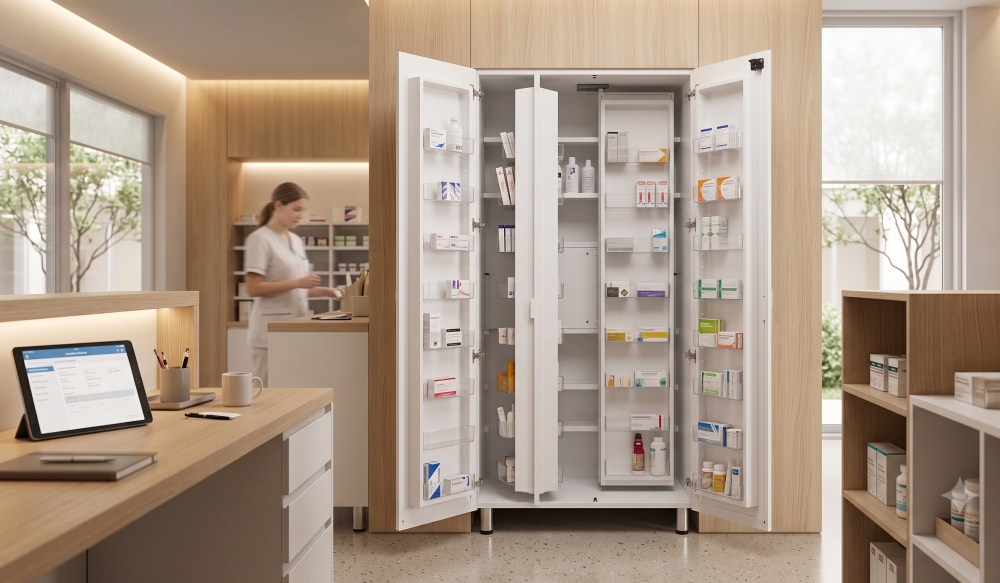
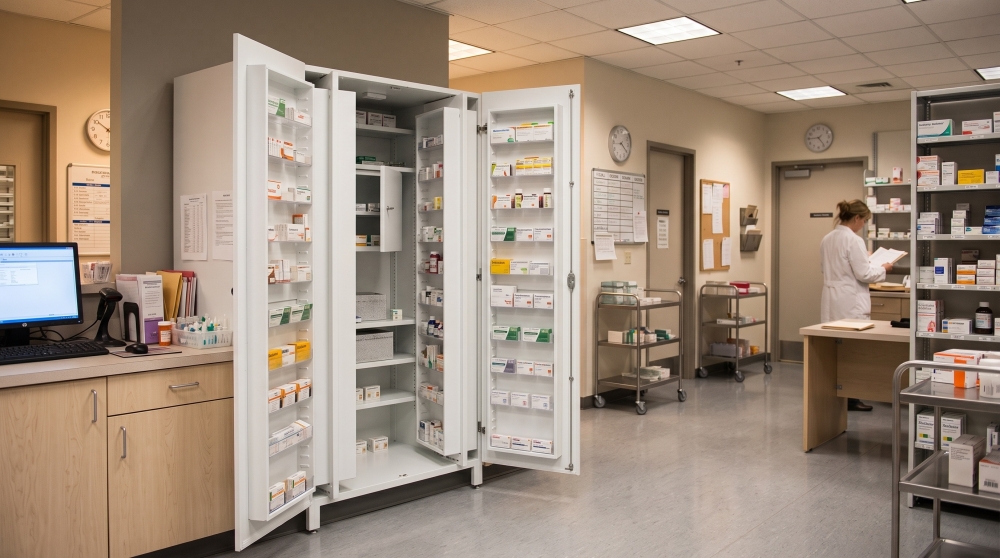
The internal organization of the safe can impact the speed and accuracy of daily operations. When storing different medicines, an orderly layout allows authorized operators to more easily locate the required packages. Shelves or dividers, if required by the model, can help physically separate groups of products according to facility procedures. The internal space must facilitate orderly and controllable storage, without introducing storage methods incompatible with the characteristics of the medicines. The accessibility of the packages placed at the rear of the container must also be considered. A very deep safe, but without adequate internal organisation, may be less practical during checks and sampling operations. It is useful to evaluate the visibility of the contents, the width of the opening and the possibility of using any shelves without difficulty. Practicality must not be achieved at the expense of safety, but integrated into the choice of a device consistent with the frequency of access and the work of healthcare personnel.
Safes for pharmacies, hospitals and clinics: different needs
 The needs of a pharmacy may differ from those of a hospital or clinic. In a pharmacy, the safe must be integrated with the work spaces and with the procedures established for the management of controlled medicines. In a hospital department, the frequency of access, the organisation of shifts and the responsibilities of the operators may be particularly important. The choice of safe must start from the actual methods of use, avoiding applying the same dimensional and organisational criteria to structures with different needs.
In a clinic authorised to hold certain medicines, the quantity of products stored may be limited, but this does not eliminate the need to verify the required safety conditions. In a more complex structure, it may be useful to evaluate a device with a capacity of 1000 kg. larger or with specific access management functions, when provided. The available space and the possibility of adequate fixing also influence the choice. The operational context determines which features are truly useful, while the storage obligations must be verified separately in relation to the activity carried out.
How to choose a narcotics safe suitable for the structure
To identify a suitable narcotic safe it is necessary to start from the needs of the healthcare facility and the characteristics of the medicines to be stored. The evaluation should include the type of lock, credential management, internal capacity, fixing possibilities and available technical documentation. It is also important to consider the frequency of accesses and the number of authorised operators, so as to choose a device compatible with daily procedures. Holity, specialist in professional supplies and equipment for healthcare facilities , represents a point of reference for those who wish to compare storage solutions by evaluating their technical characteristics and installation possibilities.
The final decision must also take into account maintenance and management over time. A correctly sized safe, installed according to the manufacturer's instructions and inserted into well-defined access procedures can contribute to a more organised storage of controlled medicines. Holity, point of reference for professional supplies in the healthcare sector , allows you to direct your search towards devices to be evaluated in relation to the operational needs of the facility. The most appropriate choice is one that combines physical protection, controlled access and documented characteristics , keeping the evaluation of the product separate from the verification of the applicable regulatory and organisational obligations.
 English
 Italian
 French
 German
 Spanish