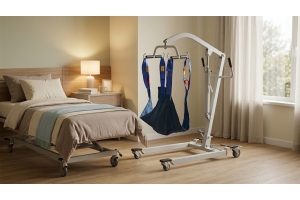
Hydraulic and electrical systems in professional stretchers
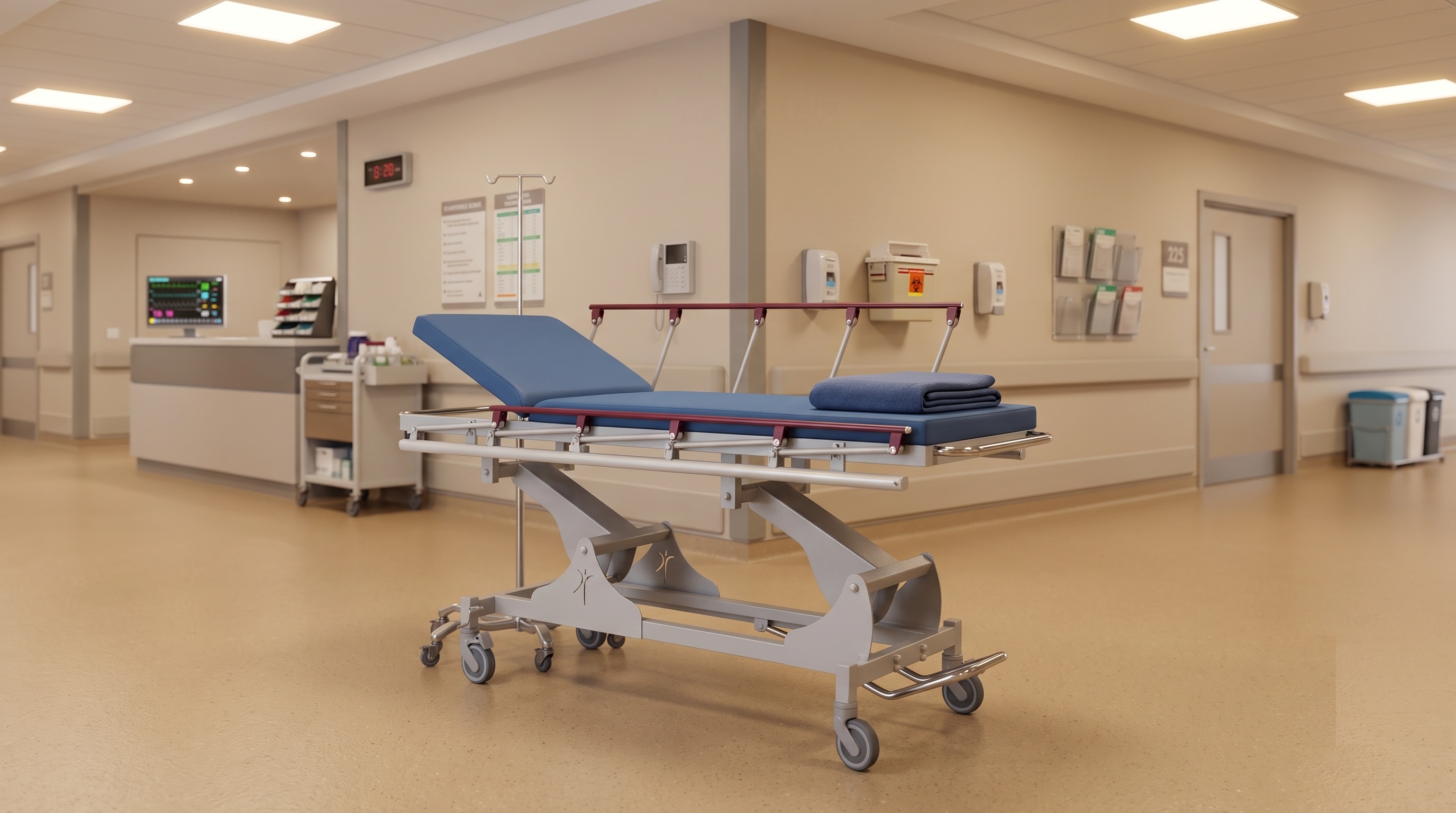
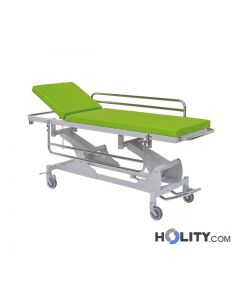
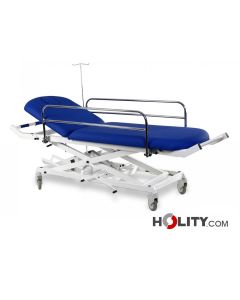
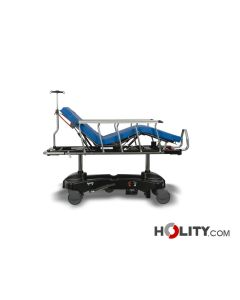
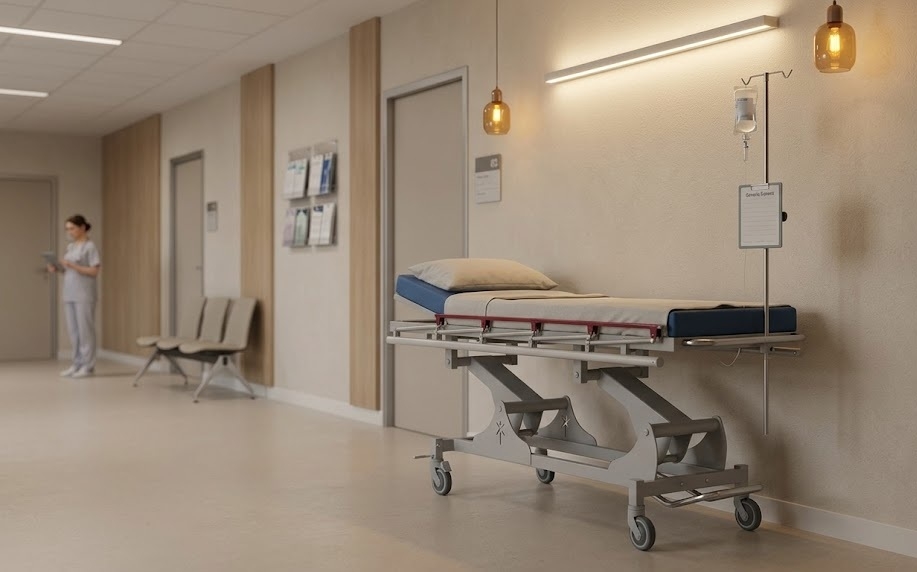
The hydraulic stretchers They generally use a foot pedal to adjust the height of the platform. The system does not rely on battery power and allows for progressive adjustment during care procedures. However, the hydraulic circuit, controls, and lifting mechanisms increase the number of components and require checks consistent with the manufacturer's instructions. These elements contribute to placing the product at a higher level than fixed models.
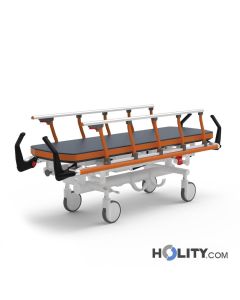
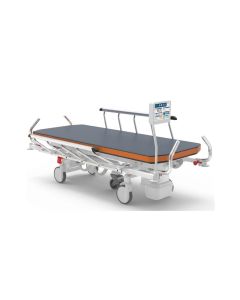
The electric stretchers They use powered actuators to adjust the height, backrest, or other sections of the platform. They can be useful in facilities where adjustments are made many times a day. Motorization reduces some manual operations, but involves battery management, charging, and technical support. Pricing must therefore be considered along with operational continuity, available functions, and the actual number of procedures performed.
Capacity and dimensions of the hospital stretcher
There maximum flow rate This is one of the parameters that most influences the structure and price. A stretcher designed to support heavy loads requires an appropriately sized frame, wheels, brakes, and adjustment systems. Bariatric models may have greater width and reinforced construction, features that increase the weight of the device and the complexity of handling. Therefore, they must be chosen based on the actual profile of the patients they serve.
Also length and width of the floor They affect comfort, size, and spatial compatibility. A wider stretcher may offer greater support, but it must be able to pass through doorways, corridors, and elevators without difficulty. Before requesting a quote, it's helpful to measure the internal walkways and maneuvering areas. A technically adequate model may prove impractical if it's incompatible with the building.
Number of sections and patient table adjustments
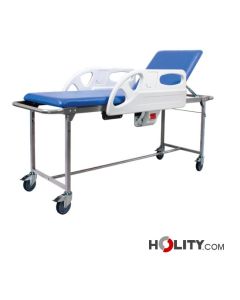
 The stretchers they can have a simple plan or be divided into more adjustable sections. There tilting headboard It's one of the most common functions and allows you to adjust the position of your torso. More sophisticated models may include leg adjustments, tabletop tilts, or configurations useful for specific procedures. Each additional function requires mechanisms, joints, and control systems that affect the overall price.
The number of adjustments It must be consistent with its intended use. A stretcher used primarily for short transfers may not require a complex configuration. In emergency rooms, diagnostic facilities, or departments with variable care needs, greater adjustability can improve patient management. Purchasing a model with more features isn't always the best choice if these features aren't actually used.
Sides, wheels and braking systems
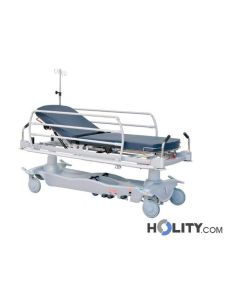
The side rails They help contain the patient during transfers and must be easy to raise or lower. Height, locking system, and connection quality can vary significantly between models. Sturdy, well-integrated side rails increase operational safety, but impact construction and price. It's important to ensure they don't hinder lateral transfer and are easy to clean.
The wheels These factors determine the stretcher's maneuverability in corridors, elevators, and patient areas. Diameter, material, steering system, and centralized braking can improve control during movement. A low-cost model with wheels unsuitable for the environment may require more effort from operators and be less stable. Therefore, the quality of the handling system must be evaluated alongside the initial cost.
Accessories that affect the final cost
Many accessories They can be included in the standard configuration or purchased separately. Among the most frequent are IV pole, gas cylinder holder, storage tray, mat, monitor stands And containment systems. The presence of these elements affects the price and can make it difficult to compare seemingly similar offers. Before evaluating a quote, it's therefore important to verify precisely which components are included.
Accessories must be selected based on the department's actual procedures. A cylinder holder may be essential for transferring patients requiring oxygen therapy, while other facilities may not use it. The same principle applies to diagnostic aids or specialized equipment. Proper configuration avoids both the purchase of unnecessary components and the need to subsequently integrate essential accessories at unexpected costs.
Materials, cleanliness and resistance to sanitary use
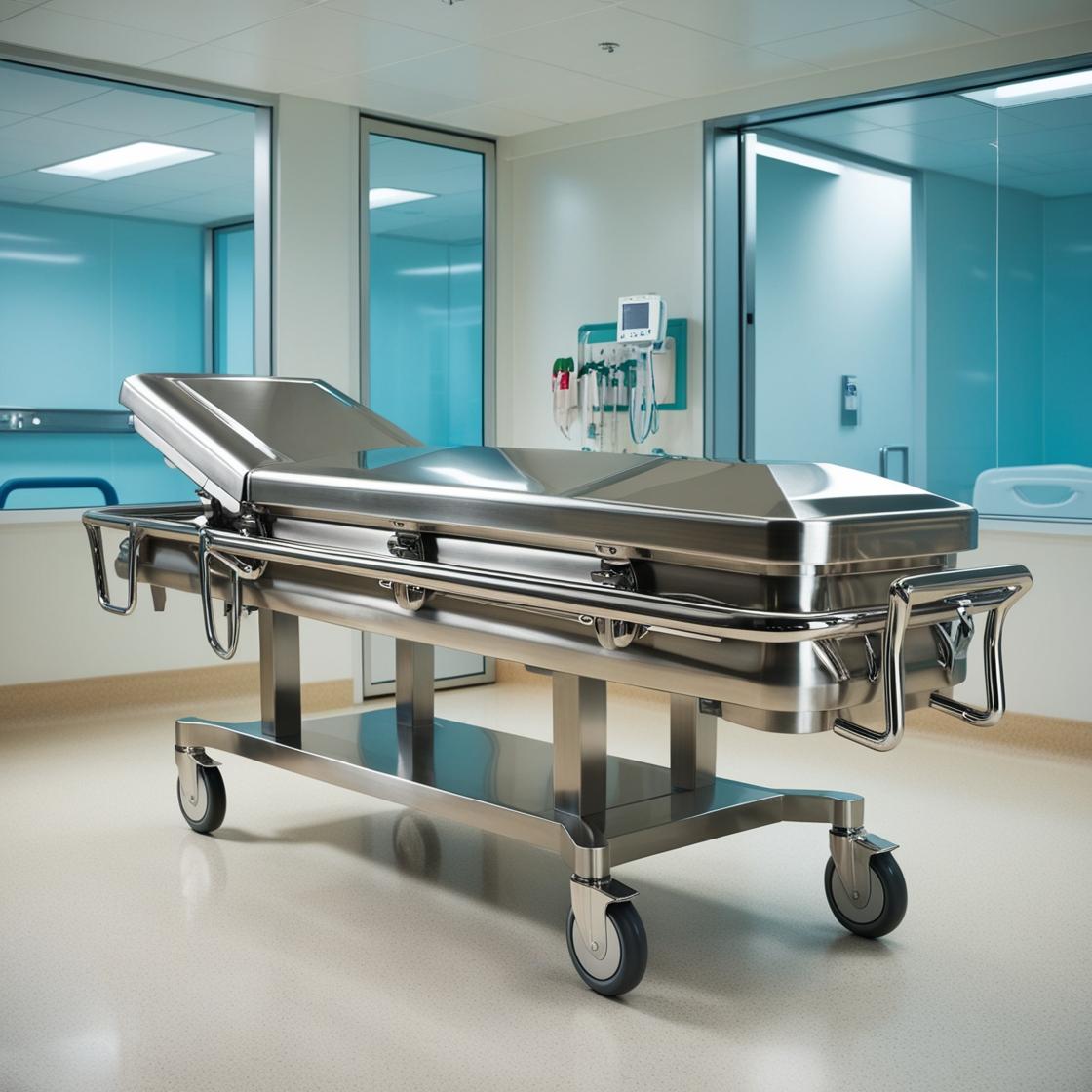
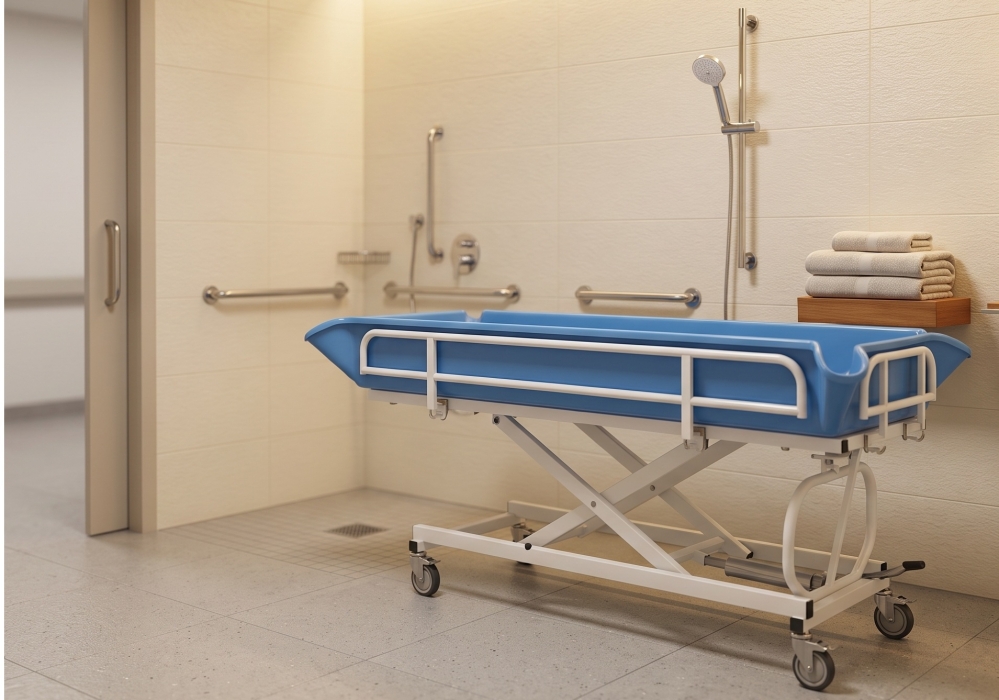
THE materials must be suitable for professional use and repeated cleaning. Painted steel, stainless steel, aluminum and plastic materials Technical structures vary in terms of weight, sturdiness, and maintenance. Mattresses, protectors, and padded components must also be compatible with the facility's protocols. Smooth surfaces and easily accessible components facilitate cleaning and reduce the number of spots where residue can accumulate.
There build quality This affects the lifespan of the stretcher, especially in environments where the device is used continuously. Wheels, brakes, side rails, and adjustments are subjected to frequent stress and must remain functional over time. A product with a lower initial price may require more maintenance or replacement. Cost must therefore be weighed against reliability, spare parts availability, and expected operating life.
Maintenance and total cost over time
The real cost of a hospital stretcher from the ward It's not just about the purchase price. Maintenance, inspections, spare parts, service, and component replacement must be considered throughout the product's life cycle. Hydraulic and electrical systems require different management than fixed structures. Wheels, brakes, and mats may also need to be replaced after prolonged use. The availability of spare parts therefore contributes to overall cost-effectiveness.
For facilities with many stretchers, it can be helpful to standardize models to simplify training, maintenance, and component management. Using consistent configurations reduces operational differences between departments and facilitates the organization of technical support. The best investment is one that combines adequate performance, durability, and ease of management. An oversized product can be just as costly as one that is too fragile and subject to frequent interventions.
How to compare prices correctly
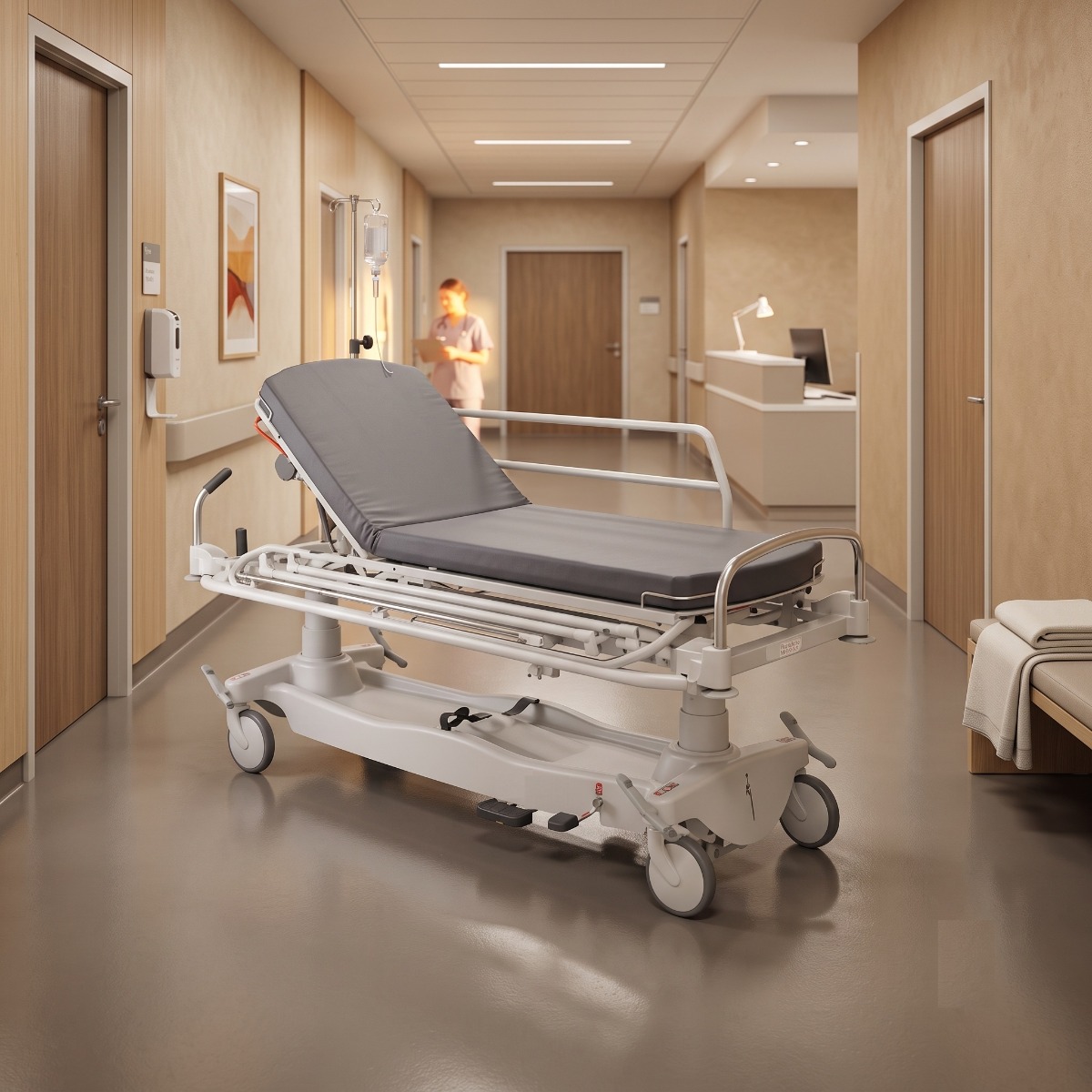 To compare multiple offers, you need to use the same parameters: load capacity, dimensions, height, type of adjustment, number of sections, sides, wheels, brakes, and accessories. Two products with similar names can have very different configurations. The unit price must be read in conjunction with the included equipment, delivery terms, and any additional services. Only in this way can truly significant price differences be identified.
It's also helpful to check transportation, assembly, availability, and delivery times. Stretchers have dimensions and weights that can impact logistics, especially for multiple orders. A professional assessment should also include user training, support, and documentation for the device. A detailed quote reduces ambiguity and makes it easier to compare the cost of the entire supply.
Request a quote for a hospital stretcher
Before submitting a quote, it's helpful to describe the department, the number of patients served, the frequency of transfers, and the required capacity. The type of adjustment, accessories, dimensions of the walkways, and cleaning requirements should also be specified. This information allows the supplier to propose models consistent with the intended use. A generic request, however, may result in quotes for non-comparable products.
Holity, specialist in professional medical and healthcare supplies, proposes stretchers intended for hospitals, nursing homes, clinics, outpatient clinics and healthcare facilities. The presence of models with different configurations It allows you to evaluate basic, adjustable, or specialized solutions based on operational needs. This approach helps purchasing managers and coordinators identify the most suitable product without being limited by the initial price.
Evaluate the investment based on actual usage
Holity represents a point of reference in professional equipment for the healthcare sector, with a catalog aimed at structures that must combine safety, functionality, and operational continuity. Establishing how much a hospital stretcher This means evaluating the product within the care process. Capacity, adjustments, accessories, and maneuverability must be consistent with the procedures performed every day.
A properly selected stretcher facilitates transfers, improves department organization, and reduces the risk of having to prematurely replace inadequate equipment. The lowest price isn't necessarily the best investment, just as the most complex model isn't always the most useful. A comprehensive quote request allows you to compare features, operating costs, and durability, guiding your purchase toward a truly functional professional solution.
 English
  Italian
 French
 German
 Spanish